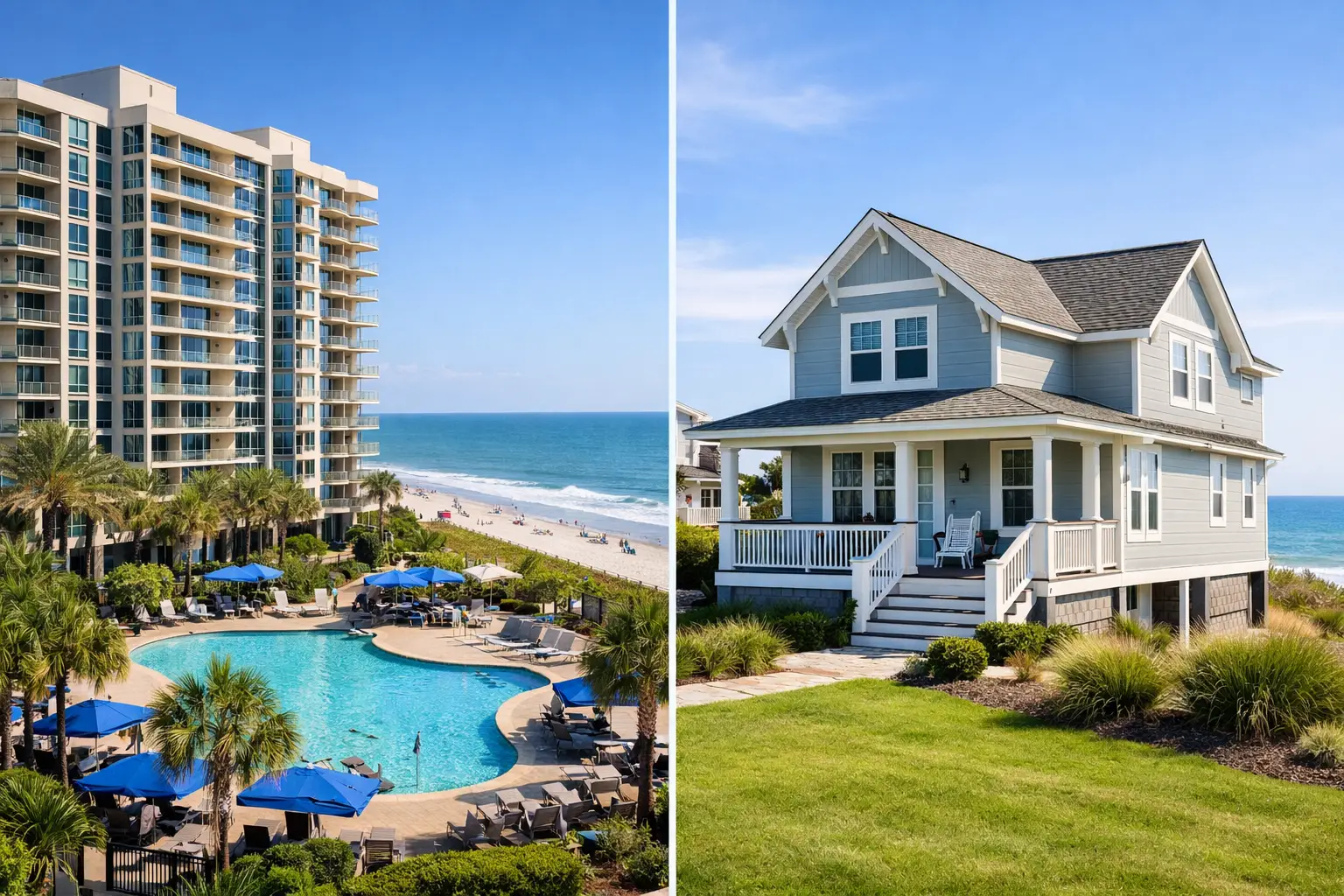
Author: Cyndy Otto

  • Best Areas Near Myrtle Beach for Home Buyers: Conway

    Best Areas Near Myrtle Beach for Home Buyers: Conway

    Conway offers something many coastal home shoppers want but do not always find right at the beach: room to settle in. For buyers researching the best areas near Myrtle Beach for home buyers, Conway deserves a close look for its historic character, expanding residential choices, and easy access to the Grand Strand without an oceanfront address.

    This is not a one-size-fits-all answer. Conway can be a wonderful fit for a full-time resident, a retiree who prefers a quieter pace, or a buyer seeking more home for the budget. It may be less ideal for someone whose dream is to walk to the sand every morning or who wants a vacation rental centered on beach tourism. The appeal is in knowing what kind of coastal lifestyle you really want.

    Why Conway Appeals to Home Buyers

    Located inland along the Waccamaw River, Conway has a distinctly different feel from Myrtle Beach. Its tree-lined streets, historic downtown, local restaurants, riverwalk, and established neighborhoods create a sense of place that many buyers appreciate after a day spent touring busier coastal communities.

    For many households, value is a major part of the conversation. Depending on the neighborhood, home age, lot size, condition, and current market inventory, buyers may find more square footage, larger yards, or newer construction in Conway than in comparable locations closer to the ocean. That does not automatically make Conway the better financial choice, but it makes it worth comparing carefully.

    Conway also works well for people who want the benefits of the Myrtle Beach metro area without living in the middle of seasonal traffic and vacation activity. Shopping, medical services, dining, golf, attractions, and beaches remain accessible, while home can feel more residential at the end of the day.

    Best Areas Near Myrtle Beach for Home Buyers: Why Conway Is Different

    When buyers say they want to be “near Myrtle Beach,” they often mean different things. Some mean a 10-minute ride to the beach. Others mean access to the airport, golf, family, medical care, and the amenities that make the Grand Strand convenient. Conway is usually a lifestyle decision as much as a location decision.

    Historic Conway and the Downtown Area

    Buyers who love character often start near historic Conway. Older homes, mature landscaping, porches, and proximity to downtown give this area a personality that newer subdivisions cannot replicate. A stroll along the Riverwalk or an evening downtown can make a strong impression on shoppers who want a community feel.

    Older homes deserve a thorough look beyond the charm. Age can bring special considerations involving electrical systems, plumbing, foundations, roofs, insulation, and maintenance. Historic or established properties may also have smaller closets, more customized floor plans, or renovation needs. For the right buyer, those details are part of the appeal. For another, a move-in-ready newer home may be the smarter choice.

    Established Neighborhoods and Golf-Adjacent Living

    Conway has established residential areas where buyers can find mature trees, larger lots, and homes with a range of architectural styles. Some communities are located near golf courses or offer a more tucked-away setting while keeping everyday errands within reach.

    These neighborhoods can be especially appealing to retirees, relocating families, and buyers who want to avoid the uniform look of brand-new construction. The trade-off is that an older home may have higher near-term maintenance needs, and each community can have different rules, dues, amenities, and resale patterns. A home inspection and a close review of any homeowners association documents are important parts of the decision.

    New Construction Communities Around Conway

    New construction continues to be a meaningful part of the Conway market. These communities can offer open floor plans, modern kitchens, energy-conscious features, community amenities, and less immediate repair work than an older home. They are often attractive to buyers moving from out of state who want a simpler transition.

    Still, new does not mean automatic. Builder contracts, estimated completion dates, upgrade costs, lot premiums, warranties, landscaping allowances, and HOA fees should all be reviewed carefully. The model home may show a level of finish that is not included in the base price, so it helps to compare the actual included features line by line.

    Location within a new community matters, too. A quieter interior lot may feel very different from a home backing to a main road, future construction phase, retention pond, or neighborhood entrance. Before choosing, visit at different times of day and imagine the daily routine, not just the move-in day photo.

    The Everyday Questions That Matter Most

    A Conway home purchase should be evaluated through the lens of daily life. Commute time is one of the biggest variables. A route that feels easy midday can look very different during school traffic, summer visitor season, or after an accident on a major corridor. If work, appointments, or family activities regularly take you toward Myrtle Beach, North Myrtle Beach, or the coast, test the drive at realistic times.

    School preferences may matter to some households, but attendance boundaries and program availability can change. Buyers should confirm current zoning directly with the appropriate school district rather than relying on a listing description or past information.

    Flood risk and insurance are also worth examining in every coastal-region purchase, including inland locations. Conway’s river setting is part of its beauty, but properties can vary widely based on elevation, drainage, flood zone, prior water history, and proximity to waterways. Ask for available disclosures, review flood information, and speak with an insurance professional early enough that costs do not become an unwelcome surprise.

    Internet service, utility providers, road access, and future development plans may sound less exciting than a kitchen backsplash, but they shape everyday satisfaction. This is particularly true for remote workers and buyers considering homes on the edge of growing areas.

    Is Conway a Good Choice for a Vacation or Investment Home?

    Conway can work for an investment-minded buyer, but the strategy should match the location. It is generally more associated with primary residences and long-term living than with the beachfront vacation-rental market. That can be a positive for buyers seeking a stable residential setting, long-term tenants, or a future retirement home they can enjoy gradually.

    Before buying with rental income in mind, confirm local regulations, HOA restrictions, lease minimums, occupancy rules, and insurance requirements. Short-term rental potential should never be assumed simply because Myrtle Beach is nearby. A property’s individual neighborhood rules can be just as important as its distance from the beach.

    A Smart Way to Compare Conway With Coastal Communities

    The clearest way to decide whether Conway fits is to compare homes based on your real priorities, not just list price. A lower-priced home farther inland may offer a larger yard and more square footage, while a smaller home closer to the coast may better support your beach routine or rental goals. Neither is universally better.

    Start by ranking the factors that will affect your life most: proximity to the beach, commute, home maintenance, neighborhood character, lot size, HOA structure, budget comfort, and intended use. Then tour a mix of Conway homes and coastal options. The contrast becomes much easier to understand when you have stood in the neighborhoods, driven the routes, and seen what each price range actually provides.

    Conway is often the pleasant surprise in a Myrtle Beach home search. It gives buyers a chance to enjoy the coast as a destination while building a daily life around space, community, and a more relaxed inland rhythm. A thoughtful local search can help you find the home that feels right not only on closing day, but on an ordinary Tuesday months after the boxes are gone.

  • How to Prepare for Appraisal Before You Sell

    How to Prepare for Appraisal Before You Sell

    The appraisal appointment is not a second showing, and it is not a moment to stage a home like a magazine cover. Still, knowing how to prepare for appraisal can protect a sale from avoidable questions, last-minute documentation scrambles, and a value opinion that misses meaningful improvements. The goal is simple: make it easy for the appraiser to see the home’s condition, features, and market context clearly.

    For sellers in Brunswick County and along the Grand Strand, this can matter even more than usual. A home near the water may have upgrades, views, flood-zone considerations, rental history, or community amenities that do not fit neatly into a standard comparison. Preparation will not manufacture value, but it can ensure the right details are visible and supported.

    What an Appraiser Is Actually Looking At

    An appraiser provides an independent opinion of a property’s market value, usually for a lender. They consider the home’s size, layout, condition, location, permanent features, and recent sales of comparable properties. They also look for factors that may affect marketability, such as deferred maintenance or obvious repair needs.

    This is different from a home inspection. An inspector takes a deeper look at systems and potential defects. An appraiser is not testing every outlet or evaluating cosmetic taste, but visible issues can still affect the report. Peeling paint, a damaged roof, standing water, broken handrails, or an unfinished repair may raise concerns because they suggest condition problems or lender-required repairs.

    A higher appraisal is never guaranteed just because a seller has spent money on a home. Some upgrades contribute more than others, and value depends heavily on what buyers are paying for similar homes nearby. A beautifully renovated kitchen in a neighborhood of original-condition homes may help, but it will not erase the limits of the local comparable sales.

    How to Prepare for Appraisal Without Overspending

    The best preparation is focused, not frantic. Do not launch a major renovation days before the appointment in hopes of changing the number. Instead, address obvious maintenance, organize useful information, and make the property easy to access and evaluate.

    Finish the small repairs that create big questions

    Walk through the property as if you are seeing it for the first time. Look for incomplete projects, loose railings, damaged steps, exposed wiring, leaking faucets, missing trim, or doors that do not close properly. These details may not always change value dollar for dollar, but they can make a home appear less cared for overall.

    Pay attention to safety-related items. Handrails on stairs, functioning smoke and carbon monoxide detectors where required, secure decks, and safe access to crawl spaces or attics are particularly worth checking. In coastal communities, also look for signs of moisture intrusion, worn exterior paint, damaged siding, and drainage issues after rain.

    Keep the work proportionate. Replacing a burned-out bulb and repairing a sticking gate are sensible. Replacing all flooring because one room has worn carpet may not be the right move, especially if the sale price and neighborhood data already reflect the home’s condition.

    Let the home be clean, bright, and accessible

    Cleanliness does not directly create appraised value, but a clean home helps its condition show accurately. Open blinds, replace dead light bulbs, clear counters enough to reveal their surface area, and make sure the appraiser can reach every room, garage, attic, crawl space, utility closet, and exterior feature.

    You do not need to remove all personality from the home. A lived-in house is normal. The priority is visibility. If a storage-packed garage hides an epoxy floor, workshop area, or built-in shelving, create a clear path so those features can be seen. If a bedroom doubles as a home office, make its closet and door accessible so its use is clear.

    Pets should be secured or taken out during the visit whenever possible. This is safer, calmer, and allows the appraiser to move through the property without interruption.

    Create a simple improvement packet

    An appraiser may not know when the roof was replaced, whether the HVAC system was recently upgraded, or which improvements were permitted. A concise packet gives your agent a reliable way to communicate facts without turning the appointment into a sales presentation.

    Include four types of information:

    • A dated list of improvements, including major repairs and upgrades
    • Receipts, permits, warranties, or contractor invoices for significant work
    • A list of features that may not be obvious, such as irrigation, whole-house generators, impact-rated windows, or smart-home systems
    • Relevant community details, such as a gated entrance, marina access, beach access, pool, or clubhouse

    Keep the list factual. State that a roof was installed in 2023 rather than assigning it a value. If you completed renovations yourself, describe the work accurately and avoid presenting it as professionally permitted work if it was not.

    For a vacation or investment property, rental income can be relevant in certain appraisal situations, but it depends on the loan type and property classification. Provide clean records if requested, yet do not assume strong rental bookings will automatically raise a conventional appraisal. The appraiser must follow the lender’s assignment and approved valuation methods.

    Make Sure the Right Comparable Sales Are Considered

    Comparable sales, often called comps, are a major part of the appraisal. Your real estate agent can provide a carefully selected list of recent nearby sales that support the contract price and explain meaningful differences among properties.

    This is especially helpful in areas where location shifts value quickly. A home one block from the ocean may not compare neatly with one several miles inland. The same is true for homes across different school zones, golf communities, marsh-front settings, or sections of town with different short-term rental rules. In places such as Ocean Isle Beach, North Myrtle Beach, Murrells Inlet, or Southport, the details of view, access, flood exposure, lot type, and community amenities can matter considerably.

    The appraiser is not required to use every sale an agent provides. Their independence matters. But good information can prevent a relevant sale, upgrade, or location distinction from being overlooked. A knowledgeable local agent will present the data professionally and let the appraiser make the final judgment.

    Be Ready for Coastal Property Questions

    Coastal homes have practical features that deserve clear documentation. Elevation certificates, flood insurance information, wind mitigation reports, survey documents, and records of storm-related repairs may be useful depending on the property and loan. If a home has undergone repairs after a hurricane or water event, provide invoices and permits that show the work was completed properly.

    Do not hide prior issues. A repair with documentation is usually easier to understand than a surprise discovered later. The same principle applies to additions, enclosed porches, converted spaces, docks, bulkheads, and sheds. If square footage or permits are unclear, the appraiser may need to exclude an area or make a more cautious adjustment.

    Also remember that views are not static. A direct ocean view, marsh view, pond view, or golf course view can affect buyer appeal, but the appraiser will judge it in relation to current market evidence. Clear access to balconies, decks, and outdoor spaces helps those features be evaluated properly.

    What to Do During the Appointment

    If you are selling, it is usually best to give the appraiser room to work. Your agent may meet them, provide the improvement packet and comparable sales, and answer questions about the property. Sellers can be present if needed, but following the appraiser from room to room or making a case for the price can feel uncomfortable and is rarely productive.

    If the appraiser asks a question, answer honestly and briefly. Point out features they may miss, such as a newer water heater tucked in a closet or a storage room accessed from outside. Then let them continue their process.

    After the visit, the report may take several days, depending on lender timelines and market conditions. If the value comes in at or above the contract price, the transaction can move toward the next milestones. If it comes in low, the buyer, seller, and agents may review the report, look for factual errors, consider a reconsideration of value, renegotiate, or explore other options allowed by the contract.

    A well-prepared appraisal visit is not about pushing for a number. It is about presenting your home honestly, completely, and in its best working light – much like opening the windows on a coastal morning and letting the property speak for itself.

  • Best Myrtle Beach Area for Home Buyers: Carolina Forest

    Best Myrtle Beach Area for Home Buyers: Carolina Forest

    Carolina Forest is often the name that rises to the top when buyers want more room, newer homes, and everyday convenience without living directly on the busy oceanfront. For shoppers comparing the best areas near Myrtle Beach for home buyers, Carolina Forest offers a practical coastal lifestyle with enough variety to fit a first home, retirement move, vacation property, or long-term investment.

    The appeal is not one single neighborhood or one style of home. Carolina Forest is a large, established master-planned community west of Myrtle Beach, with distinct subdivisions, schools, shopping, restaurants, medical services, and recreation woven into the area. That variety is a real advantage, but it also means buyers benefit from looking beyond the Carolina Forest name and getting specific about what they want their daily life to feel like.

    Why Carolina Forest Appeals to Myrtle Beach Home Buyers

    Carolina Forest gives buyers a different version of the Grand Strand. You can still reach the beach, golf courses, entertainment, and dining that make the Myrtle Beach area so popular, then head home to a neighborhood setting with sidewalks, ponds, trees, and community amenities. For many people, that balance is exactly the point.

    Homes here range from townhomes and smaller detached homes to larger residences in gated or amenity-rich communities. New construction remains part of the landscape, while established neighborhoods may offer mature landscaping, resale options, and a greater sense of how the community lives day to day. A buyer who wants a blank canvas may lean toward a new build. Someone who values a fenced yard, finished window treatments, or a location near a community entrance may find a resale home more appealing.

    Carolina Forest is also convenient for people who do not want every errand to require a beach-bound drive. Grocery stores, fitness options, pharmacies, schools, restaurants, and professional services are close by. That may sound ordinary, but it matters when you are deciding whether a home works for a full-time move rather than a week at the shore.

    Best Areas Near Myrtle Beach for Home Buyers: Carolina Forest Choices

    The right Carolina Forest neighborhood depends less on a label and more on your priorities. Some communities have gated entrances, clubhouses, pools, playgrounds, tennis or pickleball courts, walking paths, and planned social activities. Others offer a quieter residential feel with fewer shared amenities and, in some cases, lower association responsibilities.

    For buyers who want amenities and community life

    Amenity-focused neighborhoods can be a lovely match for retirees, families, and anyone who wants an easy way to meet neighbors. A pool, clubhouse, activity calendar, and paths for an evening walk can make a new location feel familiar more quickly. These features also tend to be attractive to vacation-home buyers and renters, where permitted.

    The trade-off is that amenities come with homeowners association rules and fees. Before making an offer, buyers should understand what the fee covers, whether there are transfer or capital contribution charges, how the association is funded, and what rules affect parking, exterior changes, pets, rentals, and landscaping. A beautiful pool is wonderful, but it should fit the way you actually plan to use the home.

    For buyers focused on space and value

    Many Carolina Forest buyers are drawn to the opportunity for more square footage or yard space than they might find closer to the ocean. That can be especially appealing for a primary residence, a growing family, or buyers bringing pets and hobbies along with them.

    A larger home is not automatically the better value, though. Consider how much space you will heat, cool, furnish, and maintain. Look at lot placement too. A pond view can be peaceful, while a home near a busy entrance, amenity center, or major road may bring a different level of activity. Visiting at more than one time of day gives a much clearer picture than a quick afternoon showing.

    For buyers considering new construction

    New construction in and around Carolina Forest can be exciting. Buyers may be able to select finishes, enjoy modern floor plans, and move into a home with newer systems and warranties. Builders often create attractive communities with fresh landscaping and contemporary amenities.

    Still, model homes are designed to impress, and the displayed price may not tell the whole story. Ask which features are standard, which upgrades are included in the quoted price, what lot premiums apply, and when the home is realistically expected to be complete. It is also wise to understand the builder contract, warranty process, and whether construction activity will continue around your home after closing.

    An independent buyer’s agent can help you compare builder incentives with the overall terms of the deal. A financing incentive may look attractive, for example, but the best choice depends on the price, rate, closing costs, upgrades, and flexibility built into the entire contract.

    What Daily Living Looks Like

    Carolina Forest works well for buyers who enjoy having the beach nearby without needing it outside the front door. The drive to the coast varies based on the neighborhood, season, traffic, and destination. A quick route on a quiet weekday may feel very different during a summer weekend or major event. If regular beach time is central to your lifestyle, test the drive yourself from the streets you are considering.

    The area is also positioned for access to parts of Myrtle Beach, Conway, North Myrtle Beach, and the broader Horry County area. That can give residents choices for work, healthcare, shopping, golf, dining, and entertainment. For remote workers, reliable internet availability, a suitable office space, and the normal rhythm of neighborhood activity may matter as much as the commute.

    Families often consider nearby schools and the daily logistics of drop-off, after-school activities, and transportation. Retirees may place more weight on single-level living, proximity to medical care, low-maintenance exteriors, and social opportunities. Vacation-home buyers may prioritize lock-and-leave convenience, association rental rules, and the distance to the attractions their guests expect. There is no one-size-fits-all answer, which is why the best neighborhood is usually the one that supports your ordinary Tuesday, not just your favorite vacation day.

    Details to Check Before You Write an Offer

    A home can look perfect in photos and still deserve careful review. In coastal South Carolina, buyers should pay attention to insurance options and costs early in the process. Even though Carolina Forest is inland from the oceanfront, insurance requirements and premiums can vary based on the property, construction, coverage choices, and lender requirements.

    For a resale home, review the age and condition of the roof, HVAC system, water heater, windows, appliances, drainage, and any exterior features. A professional inspection is an opportunity to understand the home’s current condition and upcoming maintenance needs. It is not about expecting a used home to be flawless. It is about making an informed decision.

    If the property has a homeowners association, request and read the applicable documents rather than relying on a quick description. Confirm the current fees, restrictions, assessment history, management structure, and rental policies. Buyers planning to rent should be particularly careful. Rules can differ significantly from one subdivision to another, and local regulations may also apply.

    Finally, look at the practical details that are easy to miss when a home has a great kitchen or a sunny screened porch. Where will guests park? Is the yard easy to care for? How much road noise is there? Is the home close to future development? Does the floor plan still work if stairs become less appealing later? These small questions often shape long-term satisfaction.

    A Smart Way to Compare Carolina Forest Homes

    Start with a clear list of must-haves, but leave room for discovery. Buyers frequently arrive thinking they need a certain number of bedrooms or a particular architectural style, then realize that a better location, a one-level layout, or a lower-maintenance yard matters more. Separate your non-negotiables from your wish list before touring homes.

    It also helps to compare homes by total monthly and annual cost, not asking price alone. Include estimated mortgage payments, property taxes, insurance, association dues, utility expectations, and likely maintenance. A home with a slightly higher purchase price but fewer immediate repairs may be a better fit than a lower-priced home needing major work.

    Carolina Forest has the range to reward thoughtful comparison. Take time to tour different subdivisions, notice the road patterns and nearby conveniences, and picture how each location fits the life you want to build near the coast. The right home should feel good when you walk through the front door, but it should also make sense long after the beach day is over.

  • What Buyer Agency Means for Coastal Home Buyers

    What Buyer Agency Means for Coastal Home Buyers

    The first pretty porch, marsh view, or five-minute walk to the beach can make a buyer want to move fast. Buyer agency is what helps make sure that excitement is paired with clear advice, careful due diligence, and representation focused on your interests. Whether you are looking for a retirement retreat in Brunswick County, a Myrtle Beach vacation condo, or a primary home closer to family, it gives your search a trusted point of view.

    What Is Buyer Agency?

    Buyer agency is a professional relationship in which a real estate agent represents the buyer in a transaction. The agent’s role is not simply to open doors or send listings. A buyer’s agent helps you understand the market, evaluate properties, prepare offers, negotiate terms, coordinate key deadlines, and work through the many details between contract and closing.

    That relationship is typically established through a written buyer agreement. The exact form and requirements can differ between North Carolina and South Carolina, so buyers should read the agreement carefully and ask questions before signing. It should make clear who represents you, how long the agreement lasts, what area or types of properties it covers, and how the agent may be compensated.

    A buyer’s agent owes duties that may include loyalty, confidentiality, reasonable care, accounting, and disclosure, subject to state law and the terms of the agency agreement. In everyday terms, that means your agent should help you make informed decisions without sharing confidential details that could weaken your negotiating position.

    Why Representation Matters When You Are Buying

    A listing agent represents the seller’s interests. They may be knowledgeable about the home and generous with information, but their responsibility is tied to the seller. That is not a problem when everyone understands the relationship. It becomes a problem only when a buyer assumes that the person showing the property is automatically working for them.

    With buyer agency, you have someone looking at the home through your lens. Is the asking price supported by recent sales? Does a condo’s rental policy fit an investment plan? Is the flood zone something your lender and insurance carrier need to address early? Are the inspection concerns routine maintenance, or do they change the value of the property for you?

    Along the Carolina coast, those questions can be especially meaningful. A home close to the water may offer the lifestyle you have been picturing, but it can also call for a closer look at insurance, elevation, drainage, storm protection, HOA rules, maintenance history, and rental restrictions. The best property is rarely just the one with the best view. It is the one that fits your plans, budget, comfort level, and long-term expectations.

    Buyer Agency Is More Than Finding Homes Online

    Most buyers can see new listings within minutes. The real value of an agent begins after a home catches your eye.

    A thoughtful buyer’s agent starts by learning how you intend to use the property. A couple looking for a lock-and-leave second home may prioritize a well-managed condo community and low exterior maintenance. A buyer relocating permanently may care more about commute times, medical access, school preferences, storage, and a neighborhood that feels comfortable in every season. An investor may need to compare rental history, local rules, carrying costs, and projected demand rather than falling in love with a decor style.

    From there, your agent can help narrow the field. That may mean comparing similar homes, discussing trade-offs between locations, arranging showings efficiently, and pointing out questions worth asking before an offer is written. An agent cannot make the decision for you, and should not pressure you into one. Good representation gives you better information and room to decide with confidence.

    Pricing and offer strategy

    An offer is more than a price. It can include earnest money, due diligence or inspection provisions, financing terms, appraisal considerations, requested personal property, repair requests, and a proposed closing date. Each item can affect how attractive the offer feels to a seller and how protected you are as a buyer.

    There is no single winning strategy. In a competitive situation, a clean offer with flexible timing may matter as much as the highest number. In another situation, the listing may have been sitting long enough that a buyer has room to ask for concessions or repairs. Your agent’s job is to explain the options, recent market activity, and likely trade-offs so you can choose an approach that feels right.

    Inspection, appraisal, and the details that follow

    Once a contract is accepted, the work does not stop. Inspections may reveal issues with roofing, HVAC systems, plumbing, electrical components, moisture, or structural features. For coastal homes, buyers may also want to understand wind mitigation features, exterior condition, wood-destroying insect reports, and whether prior storm-related repairs were properly addressed.

    An appraisal can create another decision point. If the appraised value is lower than the purchase price, the buyer, seller, lender, and agents may need to revisit the terms. A buyer’s agent helps keep the conversation organized, explains the available paths, and keeps deadlines from slipping by while you consider your next move.

    Understanding Buyer Agreements and Compensation

    It is wise to discuss compensation early, before you start touring homes. A buyer agreement should explain how your agent is paid and whether a seller or listing firm is offering compensation toward the buyer agent’s fee. Those arrangements can vary by property and are negotiable.

    In some transactions, the seller may offer compensation that covers all or part of the buyer agent’s fee. In others, the buyer may be responsible for an agreed amount, potentially with a credit or contribution negotiated as part of the offer. Buyers should not assume that compensation will be the same from one listing to the next.

    The practical takeaway is simple: ask for clarity. Before committing to an agent, understand the fee, the duration and scope of the agreement, how to end the relationship if needed, and how compensation will be handled if you purchase a home. A professional agent should welcome these questions. Clear expectations make for a more comfortable search.

    Choosing a Buyer’s Agent Who Fits Your Plans

    Experience matters, but fit matters too. You want an agent who listens closely enough to hear the difference between “I want to be near the beach” and “I need to walk to the beach,” because those preferences lead to very different searches and price points.

    Ask how the agent works with buyers who are out of town, how they communicate during an active transaction, and what local factors they routinely discuss. If you are buying a condo, ask about their familiarity with HOA documents and rental policies. If you are considering new construction, ask how they help buyers compare builder contracts, upgrades, timelines, and inspection opportunities. If you are purchasing from another state, ask how they help make limited visit time count.

    A good agent will also be direct when a home is not the easy fit it appears to be. That might mean pointing out a steep insurance estimate, a restrictive rental rule, a location that feels very different outside peak vacation season, or a floor plan that will not work for your everyday life. Honest guidance can save far more than it costs.

    A Better Way to Begin Your Home Search

    Before scheduling a full day of showings, take a moment to define your nonnegotiables and your nice-to-haves. Think beyond bedrooms and square footage. Consider how often you will use the home, whether you plan to rent it, how much maintenance you want to take on, and what monthly ownership costs feel comfortable.

    Then have an open conversation with your buyer’s agent about representation, budget, financing readiness, timing, and concerns. The right home search should feel organized, not rushed. A beautiful coastal address is a wonderful thing, but the lasting comfort comes from knowing the home was chosen with both your heart and your practical needs in mind.

  • Best Myrtle Beach-Area Communities for Retirees

    A retirement move to the Grand Strand is rarely just about finding a pretty house near the water. The best Myrtle Beach-area communities for retirees pair the right daily rhythm with the practical details that make a home comfortable for years to come: healthcare access, manageable maintenance, grocery stores, social opportunities, taxes, insurance, and the kind of neighborhood that feels right on an ordinary Tuesday.

    Some buyers want sunrise walks and a golf cart ride to lunch. Others want a quieter setting, a larger yard, and a short drive to the beach when family visits. There is no single best answer, but several communities across Horry and Georgetown counties deserve a close look.

    What Makes a Community Retirement-Friendly?

    For many retirees, low-maintenance living rises quickly to the top of the list. That may mean a condominium, a townhome, or a single-level home in a neighborhood where landscaping and exterior upkeep are handled through an HOA. The trade-off is that HOA fees, rules, and insurance costs need a careful review before making an offer.

    Location matters in a more practical way than many buyers expect. Being five minutes from the ocean sounds wonderful, but it can also mean heavier summer traffic, greater exposure to wind and flood concerns, and higher insurance premiums. A home a few miles inland may offer more space, easier errands, and a calmer year-round pace while still keeping the beach within reach.

    It also helps to think beyond the community entrance. Look at the drive to medical care, pharmacies, restaurants, grocery stores, places of worship, and the airport. If hobbies are part of the plan, consider whether golf, boating, fishing, pickleball, walking trails, arts programs, or volunteer opportunities are nearby.

    Myrtle Beach and Market Common

    Myrtle Beach is the right fit for retirees who like having plenty to do. The area offers major healthcare options, entertainment, dining, shopping, golf, and easy access to Myrtle Beach International Airport. It can be busy during peak visitor seasons, but many residents appreciate the energy and convenience.

    Market Common is especially appealing for buyers who value a walkable lifestyle. This master-planned area includes shops, restaurants, parks, walking paths, and community events, creating a neighborhood feel without giving up access to the larger city. Nearby residential options range from condos and townhomes to single-family homes, including 55-plus choices such as Cresswind at Market Common.

    Market Common works well for someone who wants to park the car more often and meet friends for coffee, dinner, or a movie close to home. Buyers should compare HOA fees, amenity access, home sizes, and the distance from the beach itself. Walkability comes at a premium in many coastal markets.

    Grande Dunes for Resort-Style Living

    Grande Dunes, on the north side of Myrtle Beach, offers a more polished, resort-oriented setting with golf, waterway access, club options, and newer homes in a variety of price ranges. Del Webb Grande Dunes is a well-known 55-plus option for active adults who want organized activities and amenities close at hand.

    This area can be an excellent match for retirees who want newer construction and a strong community calendar. It may be less appealing to buyers looking for a casual, small-town atmosphere or minimal monthly expenses. Club memberships, HOA costs, and the exact amenities included with a particular home should all be clarified early.

    North Myrtle Beach and Little River

    North Myrtle Beach has a beach-town personality with a slightly more relaxed feel than central Myrtle Beach. It is popular with retirees who want access to the ocean, golf, live music, and restaurants without being in the center of the Grand Strand’s busiest corridor. Neighborhood options include oceanfront and golf-course condos, detached homes, and communities near the Intracoastal Waterway.

    The big advantage is variety. A buyer can choose a condo near the beach for easy coastal access or look farther inland for a larger home and less tourist traffic. The key is deciding whether being able to walk to the beach is worth the added costs and seasonal activity.

    Just north of North Myrtle Beach, Little River is a favorite for boating, fishing, and a slower coastal pace. Its waterfront restaurants, marinas, and proximity to the North Carolina line give it a distinct character. Little River is often a smart place to compare if you enjoy water views and local charm but do not need to be directly on the ocean.

    Carolina Forest and Conway

    For retirees who prefer an inland setting, Carolina Forest offers newer neighborhoods, everyday conveniences, golf, and a location that keeps the beach within a reasonable drive. The area has grown significantly, so buyers can find a broad mix of homes, from smaller low-maintenance properties to larger homes with room for visiting children and grandchildren.

    Carolina Forest can provide more house for the money than neighborhoods closer to the coast. However, road traffic and ongoing development are part of the equation. A visit at different times of day gives a much clearer picture of the commute to appointments, errands, and beach outings.

    Conway is another strong contender for retirees who appreciate history, local restaurants, riverfront scenery, and a true small-city feel. Downtown Conway has a charming, walkable core, while surrounding neighborhoods offer choices in age, style, and price. It is farther from the beach than Myrtle Beach or North Myrtle Beach, but that distance can bring a quieter lifestyle and, in some cases, better value.

    Murrells Inlet, Surfside Beach, and Garden City Beach

    South of Myrtle Beach, Murrells Inlet is often high on the list for buyers who picture coastal retirement with a little more calm and character. Known for the MarshWalk, seafood restaurants, boating, and views of the salt marsh, it offers an appealing blend of recreation and everyday livability. Nearby communities provide everything from waterfront homes to established neighborhoods just inland.

    Murrells Inlet is particularly attractive to people who want to be near the coast but do not need the high-rise setting of Myrtle Beach. Because homes near creeks, marshes, and the ocean can have different flood-zone and insurance considerations, it is wise to look at property-specific information rather than making assumptions based on the town name alone.

    Surfside Beach is a compact, friendly beach town with a residential feel, while Garden City Beach offers a mix of beach homes, condos, inlet access, and rental activity. Both can suit retirees who truly want the beach as part of daily life. They may be less ideal for buyers seeking a quiet neighborhood during summer or those who prefer to avoid stairs, elevators, and higher coastal insurance costs.

    Pawleys Island and Georgetown

    Pawleys Island has long drawn retirees looking for a quieter, more refined Lowcountry setting. The pace is slower, the scenery is beautiful, and golf, dining, beaches, and natural areas are all close by. Communities around Pawleys Island can range from gated golf developments to established residential neighborhoods and low-maintenance condos.

    The appeal here is lifestyle, not nonstop activity. Buyers who love the area often value the marshes, mature trees, and less commercial feel. The trade-off is that some services and entertainment options may require more driving than they would in Myrtle Beach.

    Georgetown offers another version of coastal retirement: historic, waterfront, and distinctly local. Its scenic harbor, downtown streets, galleries, and restaurants appeal to buyers who want a community with history and personality. It is a meaningful choice for retirees who prefer small-town connection over resort-style amenities.

    Questions to Ask Before Choosing a Retirement Community

    A beautiful model home can make any neighborhood feel perfect for an afternoon. Before narrowing the search, ask how the area feels in July, what the monthly and annual ownership costs truly include, and whether the home will still work if mobility needs change later. Single-level living, shower layouts, door widths, proximity to parking, and outdoor maintenance are worth considering now, not years from now.

    For 55-plus communities, confirm age-restriction rules, resale requirements, guest policies, amenity fees, and whether the lifestyle is as active or as quiet as you want. For condos and townhomes, review reserves, maintenance responsibilities, rental rules, and the master insurance policy. Coastal ownership comes with special advantages, but careful due diligence is part of buying with confidence.

    The right retirement community is the one that supports the life you want to live after the moving boxes are gone. Spend time in the area, have lunch where locals eat, take the drive to the grocery store, and picture your regular routine. A home near the coast should feel like more than a vacation spot – it should feel easy to call home.

  • How to Negotiate Repair Credits When Buying

    How to Negotiate Repair Credits When Buying

    A home inspection can turn an exciting offer into a long list of questions. Learning how to negotiate repair credits helps buyers stay focused on what matters: buying a home that is safe, financeable, and reasonably priced without asking the seller to make rushed repairs you cannot verify.

    A repair credit is money the seller agrees to contribute toward your closing costs so you can handle certain repairs after closing. It is often a practical solution, especially when the issue is real but does not need to be corrected before you move in. The best outcome is not always the largest credit. It is an agreement that keeps your purchase on track while giving you a fair path to address the home’s condition.

    Start With the Inspection, Not a Wish List

    The inspection report is a tool for understanding the property, not a punch list of every small imperfection in an existing home. Most reports identify a mix of major concerns, routine maintenance, aging components, and cosmetic items. Sellers generally expect some findings. They are less likely to respond well to a request that asks them to make a house feel brand new.

    Begin by separating issues into three groups: safety concerns, expensive system or structural concerns, and items you can reasonably handle after closing. Electrical hazards, active leaks, a compromised roof, HVAC problems, plumbing failures, mold-like conditions, or foundation questions deserve more attention than a loose cabinet pull or worn caulk.

    Along the Carolina coast, buyers may also need to look closely at moisture intrusion, crawl space conditions, aging HVAC equipment exposed to salt air, roof wear, drainage, and wood rot. Those are not automatic deal-breakers. They do, however, affect the cost and timing of ownership, which makes them appropriate subjects for a thoughtful negotiation.

    Know When a Repair Credit Makes More Sense Than Repairs

    There are good reasons to prefer a credit. If the seller hires a contractor, you may have little control over the quality, materials, scheduling, or warranty. A credit allows you to select the professional and decide how the work should be done after you own the property.

    Credits can also keep a transaction moving when contractors are booked, parts are delayed, or a repair would disrupt the seller’s move. This is especially helpful for buyers purchasing a vacation home or relocating from out of state, where coordinating repair work before closing can be complicated.

    Still, a credit is not right for every situation. If a lender, insurer, appraiser, or local requirement requires a condition to be corrected before closing, the seller may need to complete the repair. Major safety hazards, a nonfunctioning required system, or damage that affects financing may call for repair, further evaluation, or a different solution.

    Your available cash matters too. A credit usually reduces the money you need at closing, but it does not put a repair fund directly in your pocket. You still need funds after closing to pay the contractor. If the roof needs prompt replacement and you cannot comfortably cover the work, requesting a seller-completed repair or reconsidering the purchase may be wiser.

    How to Negotiate Repair Credits With a Clear Request

    The strongest repair request is specific, documented, and proportional. Instead of saying, “The inspection found too many issues,” identify the concern, explain why it matters, and present a reasonable solution.

    For example, a better request might explain that the HVAC system is operating near the end of its expected service life and has a documented performance concern. You might request a defined closing-cost credit based on a contractor estimate, rather than demand replacement of every older component in the home.

    Get estimates for the big-ticket items

    An inspection report identifies conditions, but inspectors typically do not set repair prices. For significant concerns, obtain estimates from qualified contractors whenever timing permits. One reliable estimate may be enough for a straightforward repair. For a large expense, such as roofing, foundation work, drainage correction, or HVAC replacement, two estimates can help confirm the likely range.

    Do not assume the seller must match the highest estimate. The purpose of estimates is to support a credible request, not to create a bidding contest. If the work has variables that cannot be known until demolition or repair begins, explain that honestly and consider asking for a credit that reflects the known portion of the risk.

    Prioritize instead of overreaching

    A long request filled with minor items can distract from the few concerns that truly affect value, safety, or immediate cost. Keep the focus on the issues you would still care about six months after closing.

    It can help to decide your ideal outcome, your acceptable compromise, and your walk-away point before the request is sent. Maybe you would like a $7,500 credit, would accept $5,000 plus a home warranty if appropriate, and would reconsider the purchase if a serious moisture issue receives no meaningful response. Knowing those boundaries makes the conversation calmer and more productive.

    Put the agreement in writing

    A verbal promise is not enough. The repair credit, its amount, and its purpose should be documented in the appropriate contract amendment or addendum. Your real estate professional can help make sure the request is clear and presented within the inspection due diligence period.

    The language should state whether the seller is providing a closing-cost credit, completing a repair, or doing both. If repairs are agreed upon, clarify the scope of work, who performs it, whether receipts or invoices are required, and whether you have a chance to inspect the completed work before closing.

    Coordinate the Credit With Your Lender Early

    Before negotiating a credit, tell your lender what you are considering. Loan programs can limit the amount of seller-paid closing costs, and the allowed amount may depend on the loan type, down payment, occupancy, and other factors.

    A seller cannot generally provide a credit beyond your eligible closing costs just because the inspection found repairs. If the negotiated credit is larger than the costs your lender allows, the excess may not benefit you. In that case, it may be better to negotiate a lower purchase price, seller repairs, a price adjustment paired with a smaller credit, or another structure your lender and agent approve.

    Remember that a price reduction and a repair credit solve different problems. A $5,000 price reduction can slightly lower your loan amount, but it may not meaningfully reduce the cash you need at closing. A $5,000 closing-cost credit can make a much bigger immediate difference to your closing funds, provided it is permitted by the loan.

    Read the Seller’s Position Before You Respond

    Negotiation is easier when you consider the seller’s circumstances. A home that just came on the market with multiple interested buyers may leave less room for a broad credit request. A property that has been available for several weeks, has already had a prior contract fall through, or needs visible updating may invite a more substantial discussion.

    The original offer also matters. If you paid a premium price in a competitive situation, the seller may feel the price already reflected the home’s condition. If the home was priced as move-in ready and the inspection uncovers a costly undisclosed concern, your request may carry more weight.

    Sellers may counter with a smaller credit, offer to repair only one item, decline cosmetic requests, or ask for documentation. That does not necessarily mean the deal is falling apart. It is the normal give-and-take of a resale transaction. Review the counteroffer against your priorities rather than reacting to the first number.

    Avoid These Common Repair-Credit Mistakes

    Do not wait until the end of your inspection period to raise major concerns. You need time for estimates, lender review, negotiation, and follow-up inspections if repairs are agreed upon.

    Do not use the inspection as a reason to renegotiate every detail simply because the report exists. Sellers can recognize a fishing expedition, and it can weaken an otherwise reasonable request. Be respectful, factual, and prepared to let minor maintenance items remain part of homeownership.

    Also, do not overlook the bigger ownership picture. A credit for an aging water heater may be useful, but it should not distract from questions about insurability, drainage, flood exposure, roof condition, or a repair issue that could grow over time. When a concern is beyond the scope of a standard inspection, bring in the right specialist before deciding what to request.

    Keep the Goal in Sight

    A repair negotiation is not about winning a round with the seller. It is about making an informed decision on a home you can enjoy, maintain, and afford. With good documentation, realistic expectations, and guidance that fits your financing and timeline, a repair credit can turn an inspection surprise into a manageable next step.

    The right coastal home does not have to be flawless. It simply needs to feel like a sound choice for the life you plan to build there – with enough clarity, and enough room in the budget, to make it your own.

  • North Myrtle Beach Versus Conway: Which Fits?

    North Myrtle Beach Versus Conway: Which Fits?

    A home search can look very different depending on whether your ideal Saturday includes salty air and a waterfront dinner or a stroll through a historic downtown before heading home to a larger yard. In the North Myrtle Beach versus Conway decision, neither town is simply “better.” Each offers a distinct version of coastal South Carolina living, with different home styles, daily rhythms, price considerations, and reasons to buy.

    North Myrtle Beach puts the ocean at the center of life. Conway sits inland along the Waccamaw River, offering a more traditional small-town setting with easy access to the Grand Strand. For a primary home, second home, retirement move, or rental investment, the best fit comes down to how you plan to use the property when the keys are in your hand.

    North Myrtle Beach Versus Conway: The Everyday Feel

    North Myrtle Beach is made up of coastal communities such as Cherry Grove, Ocean Drive, Crescent Beach, Windy Hill, and Barefoot Resort. The atmosphere is relaxed but active, particularly during the spring and summer season. The beach, golf, boating, restaurants, live music, and family attractions are close at hand, and many residents enjoy being able to walk, bike, or take a short golf cart ride to the water.

    That convenience comes with the energy of a vacation destination. Traffic can increase during peak travel weeks, popular restaurants may have waits, and some neighborhoods have a stronger short-term rental presence than others. For buyers who enjoy visitors, activity, and the unmistakable feeling of living near the ocean, those are often fair trade-offs.

    Conway has a slower, more residential pace. Its historic downtown, riverwalk, local restaurants, and live oak-lined streets give it a character that feels separate from the resort corridor. Coastal Carolina University also brings a college-town element, with sporting events, cultural activities, and rental demand around the campus.

    Living in Conway does not mean giving up the beach. Depending on your starting point and destination, North Myrtle Beach and other Grand Strand beaches are generally a drive away rather than part of your daily view. For many people, that is exactly the appeal: enjoy the coast when you want it, then come home to a quieter setting.

    Home Types and Neighborhood Choices

    North Myrtle Beach offers an exceptionally broad range of residential options. Buyers can find oceanfront condos, raised beach homes, townhomes, golf course properties, homes on channels and the Intracoastal Waterway, and planned communities with pools or other amenities. A condo may make sense for a buyer who wants low-maintenance ownership and walkable beach access. A single-family home in an inland neighborhood can offer more space while keeping the beach nearby.

    The details matter here. Condo buyers should review association fees, rental rules, building maintenance, insurance costs, reserve funding, and any current or planned assessments. A beautiful ocean view is valuable, but it should be considered alongside the full monthly ownership picture. For elevated homes, flood zones, wind coverage, and the age and condition of systems such as the roof and HVAC deserve close attention.

    Conway tends to offer more traditional homes on larger lots, along with newer construction communities, townhomes, and historic properties near downtown. Buyers who want a front porch, garage, backyard, or room for hobbies often find more choices inland for their budget. New construction remains a meaningful part of the market in and around Conway, which can be attractive to buyers seeking modern layouts, energy-efficient features, and builder warranties.

    New construction is not automatically the right answer, though. A resale home may have mature landscaping, an established neighborhood feel, and upgrades the original owner has already completed. In either town, comparing the total cost of ownership is more useful than comparing a listing price alone.

    Cost, Insurance, and the Value of Location

    A coastal address often carries a premium, especially for homes with water views, beach access, or strong rental potential. North Myrtle Beach buyers should expect location to influence both purchase price and recurring costs. Homeowners insurance, flood insurance, HOA dues, and maintenance can vary sharply from one property to the next, even within the same community.

    Conway can provide more square footage or land for the same budget, although values depend on neighborhood, condition, proximity to downtown, and demand from both homeowners and investors. The lower initial price of an inland home may help create room in the budget for renovations, furnishings, or a larger down payment.

    It is also wise to separate a home’s lifestyle value from its investment value. An oceanfront or near-ocean property can be appealing as a vacation rental, but rental income is never guaranteed. Local regulations, HOA restrictions, management costs, seasonal demand, cleaning, repairs, and vacancy periods all affect results. A property should work financially even when rental income is more modest than hoped.

    Commuting, Conveniences, and Getting Around

    For people working in North Myrtle Beach, Little River, Myrtle Beach, or other coastal parts of Horry County, North Myrtle Beach may reduce daily drive time. It also places residents close to medical offices, shopping, dining, marinas, golf courses, and the North Myrtle Beach Park and Sports Complex.

    Conway can be an especially practical choice for people employed near Coastal Carolina University, Conway Medical Center, or businesses farther inland. It also offers access to major roads for travel toward Myrtle Beach, North Myrtle Beach, Loris, Longs, and the surrounding area. Still, commute estimates should be tested at the times you would actually travel. A drive that feels simple on a Tuesday afternoon can look different during summer weekends or holiday traffic.

    For retirees, convenience may mean something different: a nearby grocery store, trusted medical care, a favorite coffee shop, or a low-maintenance neighborhood. For families, it may be school preferences, outdoor space, and the routines of work and activities. There is no one-size-fits-all definition of convenient.

    Which Location Suits Your Goals?

    North Myrtle Beach is often a natural fit for buyers who want to be close to the water every day, plan to welcome visiting family, or see potential in a second home that can serve as a vacation rental when permitted. It can also be a wonderful primary-home choice for residents who prefer an active coastal lifestyle and do not mind seasonal bustle.

    Conway may be the stronger match for buyers who want more room, a historic small-town atmosphere, or an inland location that feels less tourism-driven. It is also worth a serious look for investors considering long-term rentals, particularly where proximity to employment centers or the university supports demand.

    The most helpful comparison is not beach versus inland. It is your actual life versus the property’s real-world fit. Think about how often you will use the beach, who will visit, whether you want to manage a rental, how much outdoor maintenance you want, and what monthly costs feel comfortable. A home that looks perfect online can feel very different after a drive through the neighborhood at rush hour, a look at the surrounding streets, and a careful review of its ownership expenses.

    Start With the Life You Want to Build

    Before choosing between North Myrtle Beach and Conway, make a short list of your non-negotiables: daily beach access, a larger yard, rental flexibility, a shorter commute, a downtown setting, or a quiet neighborhood. Then tour homes in both areas with those priorities in mind rather than letting one attractive listing make the decision for you.

    The right coastal Carolina home should make your ordinary days feel good, not just your vacation days. A knowledgeable local agent, including Cyndy Otto, can help you compare properties, neighborhoods, insurance considerations, and resale potential so your choice feels as comfortable after closing as it did the first time you stepped inside.

  • Top Buyer Mistakes to Avoid Before You Buy

    Top Buyer Mistakes to Avoid Before You Buy

    A beach house can look perfect at sunset. A retirement condo may feel like the fresh start you have been waiting for. But the top buyer mistakes to avoid usually happen before the offer is written, when excitement gets ahead of the details. A home purchase should still feel joyful, but a little preparation helps ensure the view, the budget, and the day-to-day reality all work together.

    Whether you are relocating to Brunswick County, settling near Myrtle Beach, or searching for a second home close to the water, the best decisions come from looking beyond the listing photos. Here are the missteps that can turn a promising purchase into an expensive surprise – and how to steer clear of them.

    Top Buyer Mistakes to Avoid With Your Budget

    Starting the search before speaking with a lender

    It is easy to start browsing homes online just for fun. The trouble begins when a buyer falls in love with a home before understanding what monthly payment feels comfortable. A lender can help you look at the full financial picture, including principal, interest, property taxes, homeowners insurance, and, where applicable, flood insurance, mortgage insurance, and homeowners association dues.

    Pre-approval is more than a number on paper. It gives you a realistic price range and lets you move with confidence when the right property appears. In a competitive market, sellers also tend to take an offer more seriously when financing has already been reviewed.

    Just remember that being approved for a certain amount does not mean that amount is the right fit for your lifestyle. Leave room in the budget for furnishings, repairs, moving costs, travel to a vacation home, and the little coastal extras that come with enjoying life near the shore.

    Forgetting the costs beyond the purchase price

    A lower list price does not always mean a lower-cost home. This is especially true for condos, townhomes, and homes in communities with amenities. HOA fees may cover items such as exterior maintenance, landscaping, trash service, building insurance, pools, or club access. They can also have rules that affect rentals, pets, parking, and how you use the property.

    Ask for the details early. Review the current dues, what they cover, whether there are pending special assessments, and the community’s financial health when documents are available. If you are purchasing a condo, understand the master insurance policy and what coverage you will need personally. These details are not meant to scare you away from a great community. They simply help you compare homes fairly.

    Choosing a Home for a Weekend, Not Real Life

    A vacation visit can make any neighborhood feel carefree. Before buying, think about how the home will serve you on an ordinary Tuesday. Where will you grocery shop? How long is the drive to medical care, restaurants, golf, the beach, or the airport? Does the route feel different during busy tourist seasons?

    For a primary residence, consider your daily rhythm. For a second home, ask who will check on it when you are away. For an investment property, assess the practical side of ownership, including rental restrictions, occupancy rules, cleaning, maintenance, and management costs. One home can be beautiful and still not be the right match for your intended use.

    Assuming every coastal property has the same risk and expense

    Living near the coast has its own special considerations. Flood zones, wind coverage, drainage, elevation, and insurance requirements can vary from one street to the next. A home that is a few miles inland may have a very different insurance profile than an oceanfront or marsh-adjacent property.

    Do not make assumptions based on a map pin or a seller’s past insurance cost. Request insurance quotes for the specific property early in the process, particularly if the cost will affect your loan approval or investment projections. It is also wise to understand whether a property has flood insurance requirements and what the coverage options look like.

    This is not a reason to rule out a coastal home. Plenty of buyers find exactly what they want in Ocean Isle Beach, Calabash, North Myrtle Beach, Murrells Inlet, and nearby communities. The key is making an informed choice about the home you love.

    Skipping Due Diligence to Make an Offer Look Stronger

    Waiving inspections without knowing the trade-off

    An inspection can reveal issues that are not obvious during a showing: aging systems, moisture concerns, electrical updates, roof wear, plumbing problems, or deferred maintenance. New construction deserves attention, too. A brand-new home may still benefit from an independent inspection at appropriate stages and before closing.

    There are moments when buyers feel pressure to limit contingencies. That decision is personal and market-dependent, but it should never be automatic. Rather than skipping due diligence simply to appear competitive, talk through options that protect your interests while keeping the offer appealing. The right approach depends on the property, its condition, the seller’s priorities, and your comfort with risk.

    Overlooking permits, restrictions, and future plans

    If you are drawn to a home because of its rental potential, extra lot, golf cart, detached garage, or room for a future pool, verify what is permitted. Zoning, HOA rules, local ordinances, and building requirements can affect plans that seem straightforward.

    The same goes for additions or renovations completed by a prior owner. Ask questions about permits when appropriate, especially for enclosed porches, finished rooms, decks, and major alterations. A charming bonus space is much more enjoyable when you know exactly what it is and how it can be used.

    Letting Emotion Choose the Offer Terms

    Buying a home is emotional. That is part of what makes it meaningful. Still, a buyer should not let the fear of missing out lead to an offer that creates regret later.

    Before submitting an offer, decide on your walk-away number and your must-haves. Think about the full picture: price, closing date, repairs, financing terms, personal property, and any credits or concessions that may matter. The highest price is not always the strongest offer, and the strongest offer is not always the one that asks a buyer to give up every protection.

    A good negotiation has room for strategy. Sometimes a flexible closing date is valuable to a seller. Sometimes clean financing, reasonable due diligence, or fewer unnecessary requests can help. Your offer should reflect both the home’s value to you and the limits that let you sleep well afterward.

    Not Looking Closely at Resale Value

    Most buyers do not purchase a home expecting to leave soon. Life can change, though. Jobs move, family needs shift, and a vacation home may eventually become a full-time residence – or the other way around.

    Consider what future buyers may notice. Is the home on a busy road? Does it have an unusual layout? Is there limited parking, a difficult access point, or a feature that narrows its appeal? Those characteristics do not automatically make a home a poor purchase. They may simply influence what you pay and how long a future sale could take.

    Location remains a major part of resale value, but neighborhood fit matters just as much. A home near the water, downtown conveniences, medical services, or favorite recreation can be especially appealing when those benefits suit a broad range of buyers.

    Going It Alone When Local Details Matter

    Online listings are a helpful starting point, but they cannot always explain the feel of a neighborhood, the difference between nearby communities, or the questions worth asking about a particular property. Local experience is particularly useful when you are buying from out of town or evaluating a home that will serve more than one purpose.

    Cyndy Otto helps buyers sort through the practical details while keeping sight of the reason they started looking in the first place: a home that fits their life. That may mean a low-maintenance condo, a quiet retirement retreat, a beach getaway for family weekends, or a property with realistic investment potential.

    The right home should give you more than a pretty first impression. Take the time to understand its costs, condition, rules, and everyday fit, then make your decision with clear eyes and plenty of excitement for what comes next.

  • Condo vs House Myrtle Beach: Which One Fits?

    Condo vs House Myrtle Beach: Which One Fits?

    A morning walk to the ocean, dinner on the MarshWalk, or a quiet porch overlooking a fairway can all be part of coastal living. But when buyers begin weighing a condo vs house Myrtle Beach decision, the right answer usually comes down to more than the view. It comes down to how often you will be here, how much upkeep you want to handle, how you plan to use the property, and what monthly costs feel comfortable.

    A condo and a single-family house can both be wonderful ways to enjoy the Grand Strand. The key is choosing the property that supports your everyday life instead of creating surprises after closing.

    Condo vs House in Myrtle Beach Starts With Your Life

    Before comparing square footage or community amenities, think about what a typical week at the property will look like. A buyer planning to spend long weekends at the beach has different needs from a retiree moving full-time from out of state. An investor considering short-term rentals has another set of questions altogether.

    A condo often appeals to buyers who want a more lock-and-leave lifestyle. If you expect to travel, live elsewhere part of the year, or simply prefer less exterior responsibility, having an association manage building exteriors, landscaping, pools, and common areas can be a real advantage. Oceanfront and resort-style condo communities can also put the beach, pools, fitness rooms, and restaurants close at hand.

    A house may be the better match if you want privacy, a yard for pets or grandchildren, a garage, extra storage, or room for visiting family. In communities from Myrtle Beach and North Myrtle Beach to Murrells Inlet, Conway, and Pawleys Island, a house can offer more flexibility in how you use the space. You may have a screened porch, a grill area, a workshop, or a driveway large enough for guests and beach gear.

    Neither choice is automatically easier or more affordable. The details matter.

    What You Really Pay Each Month

    Purchase price gets attention first, but it is only one piece of the coastal real estate picture. Condo buyers should look carefully at monthly or quarterly homeowners association fees. Those fees may cover valuable services such as exterior insurance, water, sewer, cable, trash collection, elevators, landscaping, building maintenance, security, and amenities. Coverage varies widely from one community to the next, so it is worth reading the budget and knowing exactly what is included.

    A house may have lower HOA dues, or no HOA at all, but the owner is responsible for more direct expenses. Lawn care, roof repairs, exterior painting, pest control, tree work, irrigation, pool service, and driveway maintenance can all become part of the annual budget. A newer home may reduce near-term repair concerns, while an older beach property may need more planning and a stronger maintenance reserve.

    Insurance deserves special attention in either case. Coastal insurance costs can vary based on location, elevation, construction, roof age, proximity to water, and coverage needs. A condo owner generally insures the interior of the unit and personal property, while the association carries a master policy for the building. That does not mean the condo owner is insulated from every major expense. Deductibles, special assessments, and the association’s financial health all deserve a careful review.

    For a house, homeowners insurance, wind and hail coverage, and flood insurance may be separate considerations. Flood zone status is important, but even homes outside a required flood zone can benefit from a thoughtful insurance conversation. The best time to understand these costs is before making an offer, not after the inspection period has started.

    Maintenance: Convenience or Control?

    Condo living has a clear appeal for buyers who do not want to spend Saturday mornings trimming shrubs or coordinating roof repairs. The association handles many shared responsibilities, and that can be especially comforting for second-home owners who are not nearby year-round. When a storm passes through, there is often a property management structure already in place to assess common-area needs.

    The trade-off is less personal control. You may need approval to change windows, doors, flooring, exterior fixtures, or even the color of a front door. Noise, parking, pets, grills, and use of balconies are often governed by community rules. These policies protect the appearance and operation of the community, but they need to fit your lifestyle.

    With a house, you make more of the decisions. Want to plant palms, build an outdoor kitchen, add a fence, or create a space for kayaks and golf carts? A house can provide that freedom, subject to local rules and any HOA covenants. The other side of that freedom is responsibility. When the HVAC system needs attention or a storm damages a fence, the call, cost, and scheduling are yours.

    For many buyers, the question is simple: Would you rather pay for predictable shared maintenance, or would you rather have more control over your home and budget for repairs as they arise?

    Renting the Property Changes the Equation

    If rental income is part of your plan, do not assume every beach-area property can be rented the same way. Some condo buildings are designed with vacation rentals in mind and offer strong appeal through ocean views, pools, convenient beach access, and on-site amenities. Others limit rentals, require minimum lease periods, or do not permit short-term rentals at all.

    Houses can also be attractive rental properties, particularly those with multiple bedrooms, private pools, outdoor living areas, or easy access to the beach. Still, rental rules vary by neighborhood, municipality, and association. A property that looks perfect online may have restrictions that do not match your income goals.

    Buyers should also consider the practical side of owning a rental. Condos may offer a simpler guest experience because amenities are concentrated in one place, but elevator access, parking limits, and busy peak-season common areas can affect reviews and demand. Houses may command interest from larger families, but they can require more hands-on care between guests.

    If rental use matters, review association documents, local regulations, management options, projected expenses, and realistic occupancy expectations before moving forward. Gross rental numbers are only part of the story. Net income after fees, insurance, utilities, repairs, furnishing, cleaning, and management is what matters.

    Space, Privacy, and the Coastal Experience

    A condo can deliver the kind of view that makes coastal living feel special every single day. Watching the sunrise from a balcony, taking an elevator down to the pool, or walking to dinner without getting in the car has real value. For buyers focused on location and convenience, a well-chosen condo can be hard to beat.

    A house tends to offer more breathing room. You may have separation from neighbors, a private outdoor area, more parking, and room for bikes, fishing rods, beach chairs, and visiting relatives. Inland communities can offer larger homes and a quieter pace while still keeping beaches, golf, shopping, and dining within easy reach.

    There is no universal winner. A couple downsizing from a large home may find a two-bedroom condo wonderfully freeing. A family hoping to host holidays and summer visitors may outgrow that same floor plan quickly. Think beyond the first season of ownership. Picture your life there three, five, and ten years from now.

    Due Diligence Matters More at the Coast

    Whether you choose a condo or a house, coastal due diligence should be thorough. For condos, review the association’s financial statements, reserve funding, meeting minutes, rules, insurance coverage, pending litigation, rental policies, and any planned assessments. Ask about recent work on roofs, elevators, siding, balconies, seawalls, and major mechanical systems.

    For houses, inspections should look closely at the roof, HVAC, moisture, crawl space, windows, drainage, decks, and exterior materials. Buyers should understand lot boundaries, easements, flood considerations, HOA requirements, and any maintenance needs unique to the property. New construction can offer fresh systems and warranties, but it still benefits from careful inspection and a clear understanding of what is included.

    This is where local guidance can make a meaningful difference. A property can look picture-perfect on a sunny afternoon and still have ownership costs or restrictions that deserve a closer look.

    Let the Home Support the Life You Want

    The best choice is not always the biggest home, the closest building to the ocean, or the lowest monthly payment. It is the property that lets you enjoy the coast with confidence. If your dream is to arrive Friday, park the car, and spend the weekend with sand between your toes, a condo may fit beautifully. If your dream includes a backyard cookout, room for family, and a place to settle in for years, a house may feel more like home.

    A thoughtful conversation about your budget, plans, and preferred lifestyle can narrow the choices quickly. Cyndy Otto can help you compare the details so your next coastal address feels less like a compromise and more like the place you have been looking for.

  • How Sellers Handle Low Appraisals Before Closing

    How Sellers Handle Low Appraisals Before Closing

    A buyer is excited, the contract is signed, inspections are moving along, and then the appraisal arrives below the agreed purchase price. It is one of the more nerve-racking moments in a real estate sale. Knowing how sellers handle low appraisals can turn a surprise setback into a clear business decision instead of a rushed reaction.

    A low appraisal does not automatically mean a home is overpriced, poorly marketed, or headed back on the market. It means the appraiser did not find enough support in the available market data for the contract price. The next step depends on the appraisal contingency, the buyer’s financing, the strength of the contract, and how much flexibility each side has.

    What a Low Appraisal Actually Means

    An appraisal is an opinion of market value prepared for the lender. When a buyer is using financing, the lender generally bases its loan amount on the lower of the purchase price or appraised value. If a home is under contract for $500,000 but appraises for $480,000, the lender will usually calculate the buyer’s loan using $480,000.

    That creates an appraisal gap of $20,000. The buyer may need to bring in more cash, renegotiate the price, find a different loan structure, or exercise an appraisal contingency if the contract allows it. A seller is not required to lower the price simply because an appraisal came in low. Still, holding firm is only one option, and it is not always the most profitable one.

    In coastal markets, valuation can be especially nuanced. A home near the water, a well-kept second home, a condominium with meaningful amenities, or a property with a strong rental history may have appeal that recent closed sales do not fully capture. At the same time, appraisers must rely on credible comparable sales, not simply on what a buyer loves about the home.

    Start by Reading the Appraisal Carefully

    The first response should be calm and factual: get the complete appraisal and review it closely. The sales used as comparable properties, their locations, dates, condition, size, and adjustments all matter. A report can be reasonable even when it is disappointing, but errors do happen.

    Look for basic factual issues first. Is the heated square footage correct? Are bedroom and bathroom counts accurate? Did the appraiser recognize a garage, renovated kitchen, added porch, pool, elevator, water view, or lot premium? Was a condo compared with units that have materially different views, building conditions, or amenity packages?

    The most useful review is not a search for reasons the appraiser is “wrong.” It is a search for market evidence that may have been missed or misunderstood. A listing agent can prepare a concise packet of better comparable sales, details on upgrades, and corrections to factual errors. The buyer’s lender then decides whether to request a reconsideration of value from the appraiser.

    An appraiser must remain independent. Neither the seller nor the agent can demand a value or pressure an appraiser to change it. A respectful request supported by documented facts is the appropriate path. It may lead to a revision, but sellers should not assume it will.

    Why the Original Pricing Matters

    A strong pricing strategy makes this stage easier. Before a home goes on the market, recent local sales, competing inventory, condition, and buyer demand should all inform the list price. In places such as Ocean Isle Beach, Southport, North Myrtle Beach, or Murrells Inlet, even nearby properties can have very different value drivers based on water access, flood considerations, community features, age, and rental potential.

    A clean appraisal does not prove a listing was perfectly priced, and a low one does not prove it was not. But pricing grounded in current data gives a seller better evidence and more confidence when questions arise.

    How Sellers Handle Low Appraisals: Practical Options

    Once the report has been reviewed, the seller and buyer generally choose among a few paths. The right answer is shaped by the numbers, but also by timing, the buyer’s commitment, and the likelihood that a future appraisal would be different.

    1. Renegotiate the Purchase Price

    The simplest option is for the seller to reduce the price to the appraised value or somewhere between the appraisal and the contract price. This may be sensible when the gap is large, the appraisal is well supported, or the home has been on the market long enough that starting over would cost more than the reduction.

    Price changes can feel personal after a seller has prepared a home, accommodated showings, and accepted an offer. They are not. They are a financial choice. A seller should compare the reduced price with the likely cost of losing the buyer, relisting, carrying the property longer, and facing another appraisal.

    2. Ask the Buyer to Cover Some or All of the Gap

    A buyer may have enough cash to make up the difference between the appraisal and contract price. This is common when a buyer strongly wants a particular home, especially in a limited-inventory location. Whether it works depends on the buyer’s available funds and the loan program rules.

    The buyer could bring the full gap in cash, or the parties could share it. For example, a seller might reduce the price by $8,000 while the buyer brings $12,000 above the appraised value. That kind of agreement can preserve a sale without placing the entire burden on either party.

    Sellers should remember that a buyer who agrees to cover an appraisal gap is making a meaningful commitment. The lender and closing attorney or title company must receive the revised terms in writing, so any solution should be documented through the proper contract amendment.

    3. Challenge the Appraisal With Better Evidence

    If the report includes errors or omitted superior comparable sales, a reconsideration of value may be worthwhile. This is most effective when the information is specific and verifiable. A recent closed sale in the same neighborhood with similar construction and features is stronger than an active listing or a broad statement that homes are selling quickly.

    Timing matters. A reconsideration can take time, and there is no guarantee the appraiser will revise the value. Sellers should continue discussing backup options while the lender reviews the request rather than treating it as a sure fix.

    4. Adjust Other Parts of the Deal

    Sometimes the purchase price stays close to the original figure, but the parties shift other terms. The seller may offer fewer concessions, leave out personal property, or change the closing date if that helps the buyer preserve cash. In another situation, a seller may prefer a slightly lower price in exchange for a faster closing or a cleaner contract.

    This approach requires care. Seller credits are subject to lending limits, and changing terms can affect the buyer’s qualification. A proposed solution should be run by the lender before anyone treats it as final.

    5. Let the Contract End and Relist

    If no agreement is possible and the buyer has an applicable appraisal contingency, the contract may end. That is disappointing, but it is not always a disaster. The seller can relist, consider a price adjustment, improve the home’s presentation, or wait for a buyer with a larger down payment or cash financing.

    Before choosing this route, consider what the low appraisal may signal to the next buyer. If the next buyer also needs financing, another low appraisal is possible. If the report relied on weak or inaccurate information, the seller can be better prepared with corrected facts and relevant comparable sales for the next transaction.

    The Contract Sets the Boundaries

    The exact contract language matters more than general rules of thumb. Some buyers waive appraisal contingencies, agree in advance to cover a stated gap, or use financing terms that change their options. Others have the right to renegotiate or terminate if value comes in below the contract price.

    Sellers should also avoid making major decisions before confirming whether the buyer can still qualify. A low appraisal may require updated loan figures, but it does not necessarily end the buyer’s ability to purchase. Clear communication among the agents, lender, buyer, seller, and closing professionals keeps assumptions from becoming problems.

    Keep the Conversation Focused on the Finish Line

    Low appraisals bring out strong opinions. A seller may believe the home is worth every dollar, while a buyer may feel the appraisal proves the price must drop. Neither reaction alone closes the transaction.

    The better question is: what is the most sensible route to closing for this particular property and these particular clients? A well-supported appeal, a shared appraisal gap, or a price change can each be the right call under different circumstances. The goal is not to win an argument with the appraisal. It is to make a clear-eyed decision that protects the seller’s interests and respects the real market around the home.

    When an appraisal lands low, take a breath before reacting. A thoughtful review and an honest look at the available choices can keep one unexpected report from washing away an otherwise promising sale.