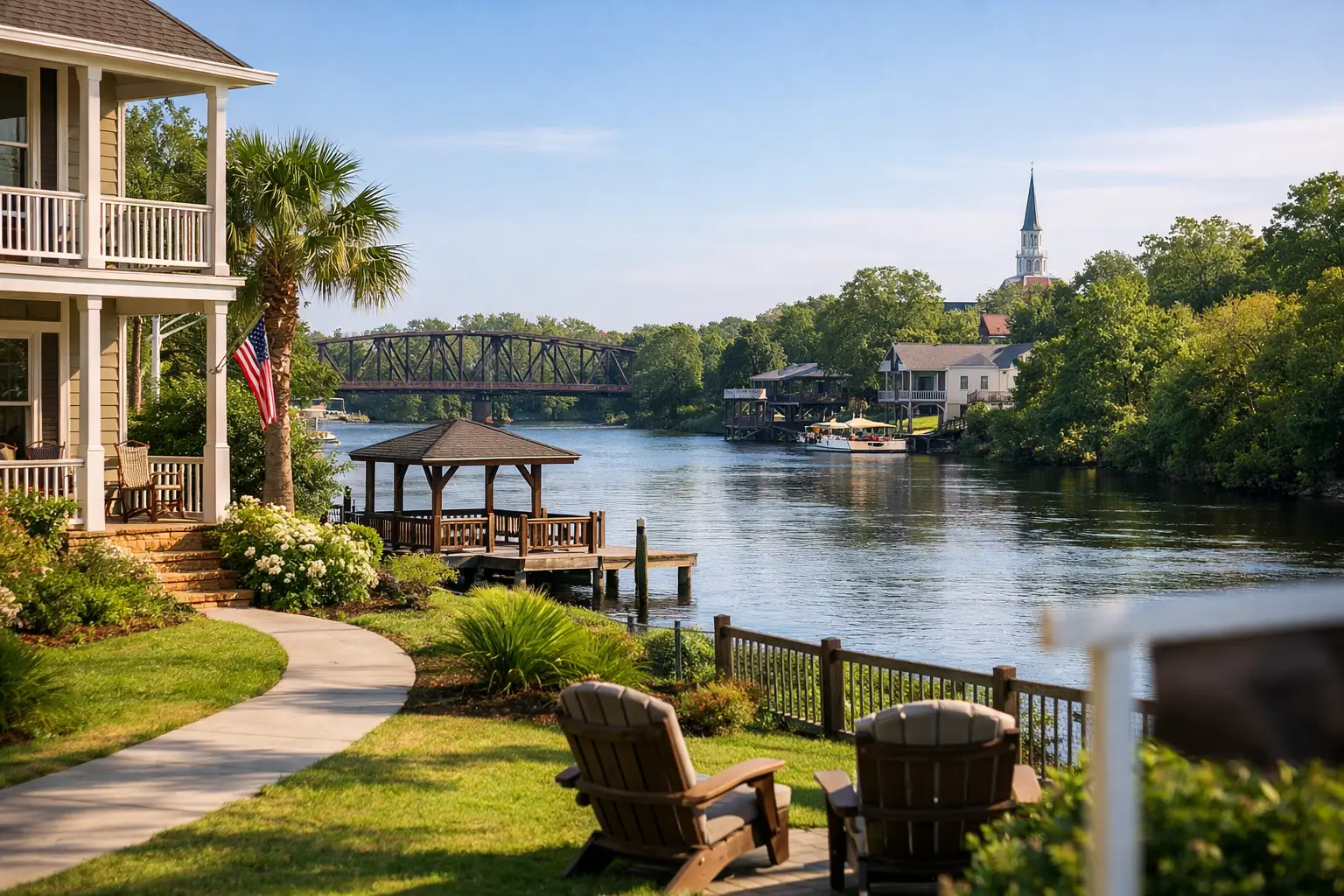
Conway offers something many coastal home shoppers want but do not always find right at the beach: room to settle in. For buyers researching the best areas near Myrtle Beach for home buyers, Conway deserves a close look for its historic character, expanding residential choices, and easy access to the Grand Strand without an oceanfront address.
This is not a one-size-fits-all answer. Conway can be a wonderful fit for a full-time resident, a retiree who prefers a quieter pace, or a buyer seeking more home for the budget. It may be less ideal for someone whose dream is to walk to the sand every morning or who wants a vacation rental centered on beach tourism. The appeal is in knowing what kind of coastal lifestyle you really want.
Why Conway Appeals to Home Buyers
Located inland along the Waccamaw River, Conway has a distinctly different feel from Myrtle Beach. Its tree-lined streets, historic downtown, local restaurants, riverwalk, and established neighborhoods create a sense of place that many buyers appreciate after a day spent touring busier coastal communities.
For many households, value is a major part of the conversation. Depending on the neighborhood, home age, lot size, condition, and current market inventory, buyers may find more square footage, larger yards, or newer construction in Conway than in comparable locations closer to the ocean. That does not automatically make Conway the better financial choice, but it makes it worth comparing carefully.
Conway also works well for people who want the benefits of the Myrtle Beach metro area without living in the middle of seasonal traffic and vacation activity. Shopping, medical services, dining, golf, attractions, and beaches remain accessible, while home can feel more residential at the end of the day.
Best Areas Near Myrtle Beach for Home Buyers: Why Conway Is Different
When buyers say they want to be “near Myrtle Beach,” they often mean different things. Some mean a 10-minute ride to the beach. Others mean access to the airport, golf, family, medical care, and the amenities that make the Grand Strand convenient. Conway is usually a lifestyle decision as much as a location decision.
Historic Conway and the Downtown Area
Buyers who love character often start near historic Conway. Older homes, mature landscaping, porches, and proximity to downtown give this area a personality that newer subdivisions cannot replicate. A stroll along the Riverwalk or an evening downtown can make a strong impression on shoppers who want a community feel.
Older homes deserve a thorough look beyond the charm. Age can bring special considerations involving electrical systems, plumbing, foundations, roofs, insulation, and maintenance. Historic or established properties may also have smaller closets, more customized floor plans, or renovation needs. For the right buyer, those details are part of the appeal. For another, a move-in-ready newer home may be the smarter choice.
Established Neighborhoods and Golf-Adjacent Living
Conway has established residential areas where buyers can find mature trees, larger lots, and homes with a range of architectural styles. Some communities are located near golf courses or offer a more tucked-away setting while keeping everyday errands within reach.
These neighborhoods can be especially appealing to retirees, relocating families, and buyers who want to avoid the uniform look of brand-new construction. The trade-off is that an older home may have higher near-term maintenance needs, and each community can have different rules, dues, amenities, and resale patterns. A home inspection and a close review of any homeowners association documents are important parts of the decision.
New Construction Communities Around Conway
New construction continues to be a meaningful part of the Conway market. These communities can offer open floor plans, modern kitchens, energy-conscious features, community amenities, and less immediate repair work than an older home. They are often attractive to buyers moving from out of state who want a simpler transition.
Still, new does not mean automatic. Builder contracts, estimated completion dates, upgrade costs, lot premiums, warranties, landscaping allowances, and HOA fees should all be reviewed carefully. The model home may show a level of finish that is not included in the base price, so it helps to compare the actual included features line by line.
Location within a new community matters, too. A quieter interior lot may feel very different from a home backing to a main road, future construction phase, retention pond, or neighborhood entrance. Before choosing, visit at different times of day and imagine the daily routine, not just the move-in day photo.
The Everyday Questions That Matter Most
A Conway home purchase should be evaluated through the lens of daily life. Commute time is one of the biggest variables. A route that feels easy midday can look very different during school traffic, summer visitor season, or after an accident on a major corridor. If work, appointments, or family activities regularly take you toward Myrtle Beach, North Myrtle Beach, or the coast, test the drive at realistic times.
School preferences may matter to some households, but attendance boundaries and program availability can change. Buyers should confirm current zoning directly with the appropriate school district rather than relying on a listing description or past information.
Flood risk and insurance are also worth examining in every coastal-region purchase, including inland locations. Conway’s river setting is part of its beauty, but properties can vary widely based on elevation, drainage, flood zone, prior water history, and proximity to waterways. Ask for available disclosures, review flood information, and speak with an insurance professional early enough that costs do not become an unwelcome surprise.
Internet service, utility providers, road access, and future development plans may sound less exciting than a kitchen backsplash, but they shape everyday satisfaction. This is particularly true for remote workers and buyers considering homes on the edge of growing areas.
Is Conway a Good Choice for a Vacation or Investment Home?
Conway can work for an investment-minded buyer, but the strategy should match the location. It is generally more associated with primary residences and long-term living than with the beachfront vacation-rental market. That can be a positive for buyers seeking a stable residential setting, long-term tenants, or a future retirement home they can enjoy gradually.
Before buying with rental income in mind, confirm local regulations, HOA restrictions, lease minimums, occupancy rules, and insurance requirements. Short-term rental potential should never be assumed simply because Myrtle Beach is nearby. A property’s individual neighborhood rules can be just as important as its distance from the beach.
A Smart Way to Compare Conway With Coastal Communities
The clearest way to decide whether Conway fits is to compare homes based on your real priorities, not just list price. A lower-priced home farther inland may offer a larger yard and more square footage, while a smaller home closer to the coast may better support your beach routine or rental goals. Neither is universally better.
Start by ranking the factors that will affect your life most: proximity to the beach, commute, home maintenance, neighborhood character, lot size, HOA structure, budget comfort, and intended use. Then tour a mix of Conway homes and coastal options. The contrast becomes much easier to understand when you have stood in the neighborhoods, driven the routes, and seen what each price range actually provides.
Conway is often the pleasant surprise in a Myrtle Beach home search. It gives buyers a chance to enjoy the coast as a destination while building a daily life around space, community, and a more relaxed inland rhythm. A thoughtful local search can help you find the home that feels right not only on closing day, but on an ordinary Tuesday months after the boxes are gone.
Leave a Reply