Author: Cyndy Otto

  • Living in North Myrtle Beach SC Year-Round

    Living in North Myrtle Beach SC Year-Round

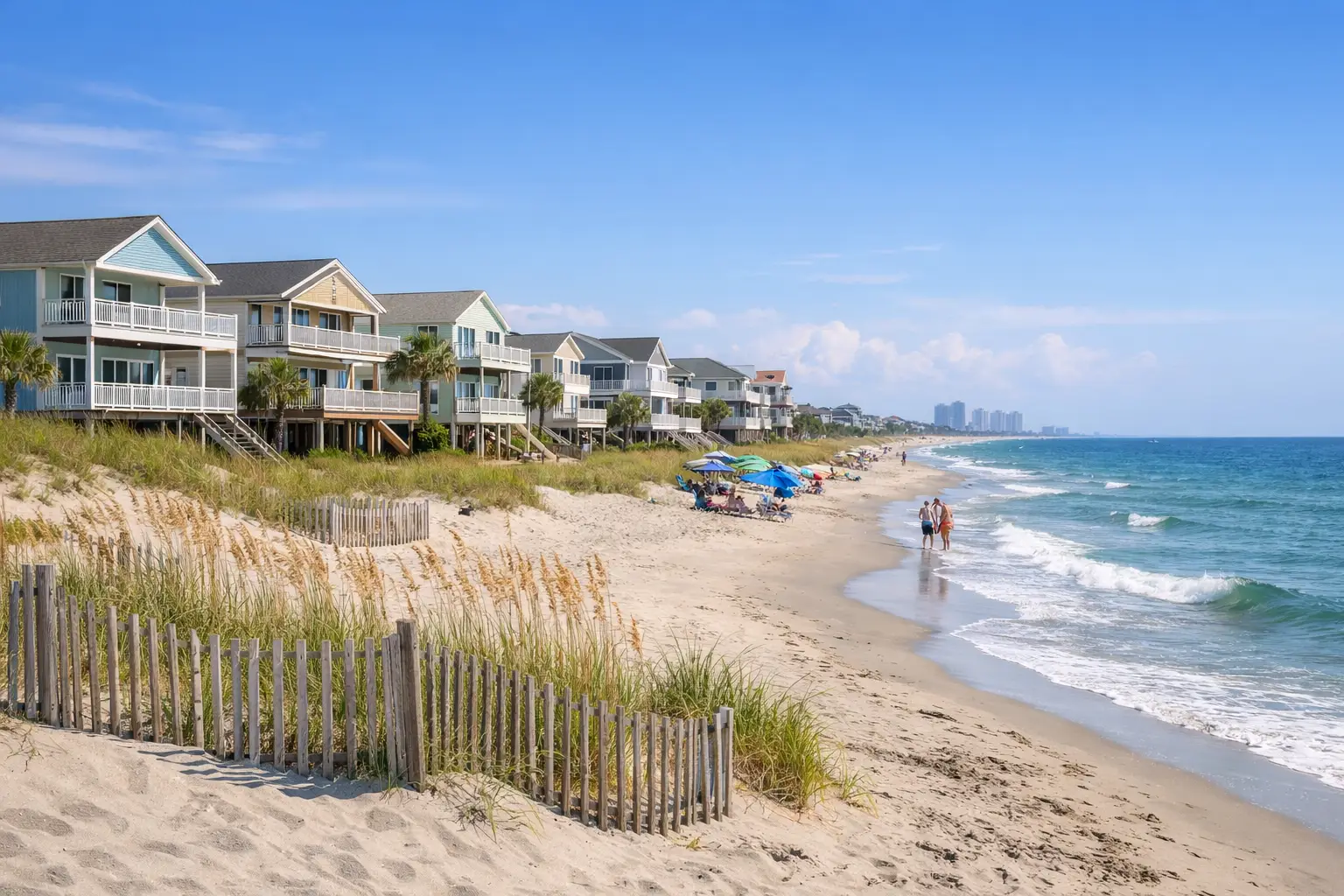
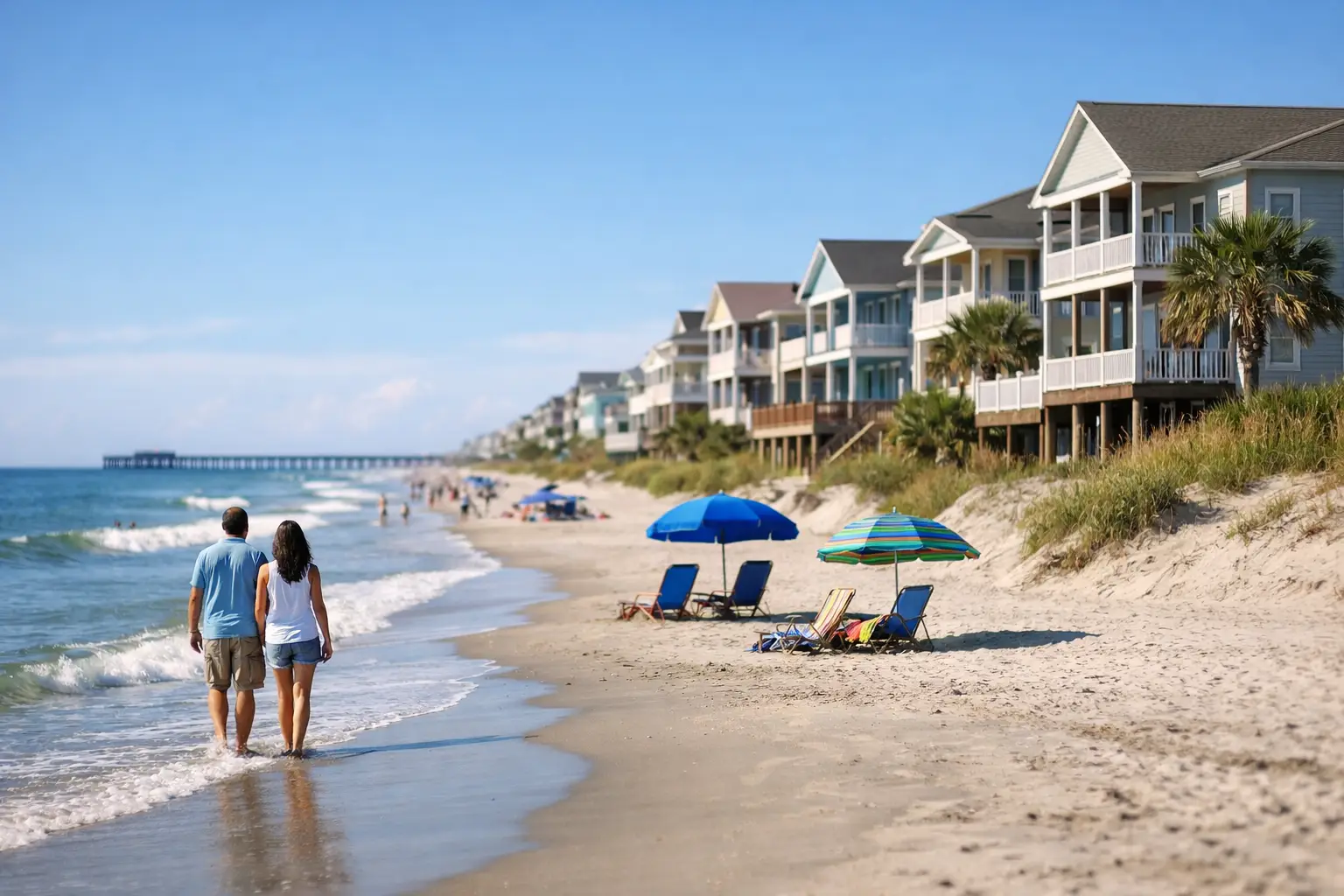
    The first quiet beach walk after Labor Day tells you a lot about living in North Myrtle Beach SC. The ocean is still warm, many visitors have headed home, and locals settle back into their favorite restaurants, golf routines, school schedules, and neighborhood gatherings. This is a beach town, certainly, but it is also a real year-round community with its own pace, practical considerations, and wide range of homes.

    For buyers considering a primary residence, retirement home, vacation property, or investment, North Myrtle Beach can offer an appealing mix of coastal access and everyday convenience. The right fit depends less on a postcard-perfect view and more on how you want to spend an ordinary Tuesday in January as well as a sunny Saturday in July.

    What Living in North Myrtle Beach SC Is Really Like

    North Myrtle Beach sits at the northern end of the Grand Strand in Horry County, close to Little River and a manageable drive from Myrtle Beach. It is known for broad beaches, family-friendly energy, golf, boating, shag dancing, and the kind of casual coastal personality that makes flip-flops feel appropriate in more places than they probably should.

    The city includes distinct areas such as Cherry Grove, Ocean Drive, Crescent Beach, Windy Hill, and Barefoot Resort. Each has a different feel. Cherry Grove appeals to buyers who want marsh views, inlet access, and a relaxed beach-community atmosphere. Ocean Drive puts you near longstanding local traditions and seasonal activity. Barefoot Resort provides a golf-centered setting with a variety of condos, townhomes, and single-family options.

    That variety is one reason the area works for so many lifestyles. A buyer seeking a quiet retirement setting may want a home west of Highway 17, while someone who pictures morning walks on the sand may prefer an oceanfront or east-of-17 location. Neither choice is automatically better. It comes down to budget, maintenance preferences, flood exposure, rental plans, and how much seasonal activity feels like fun rather than fuss.

    A Beach Lifestyle With a Year-Round Routine

    Summer is lively. Traffic increases, restaurants fill up, and beach access becomes part of daily planning. For many homeowners, that is part of the charm. Families visit, local events are plentiful, and the whole area has a vacation glow.

    The quieter seasons are often what convince people to stay. Fall brings pleasant temperatures and less crowded beaches. Winter is mild compared with much of the country, though it can still bring chilly, damp days and the occasional cold snap. Spring arrives early, with golf courses, patios, and gardens coming back to life well before northern states have packed away their coats.

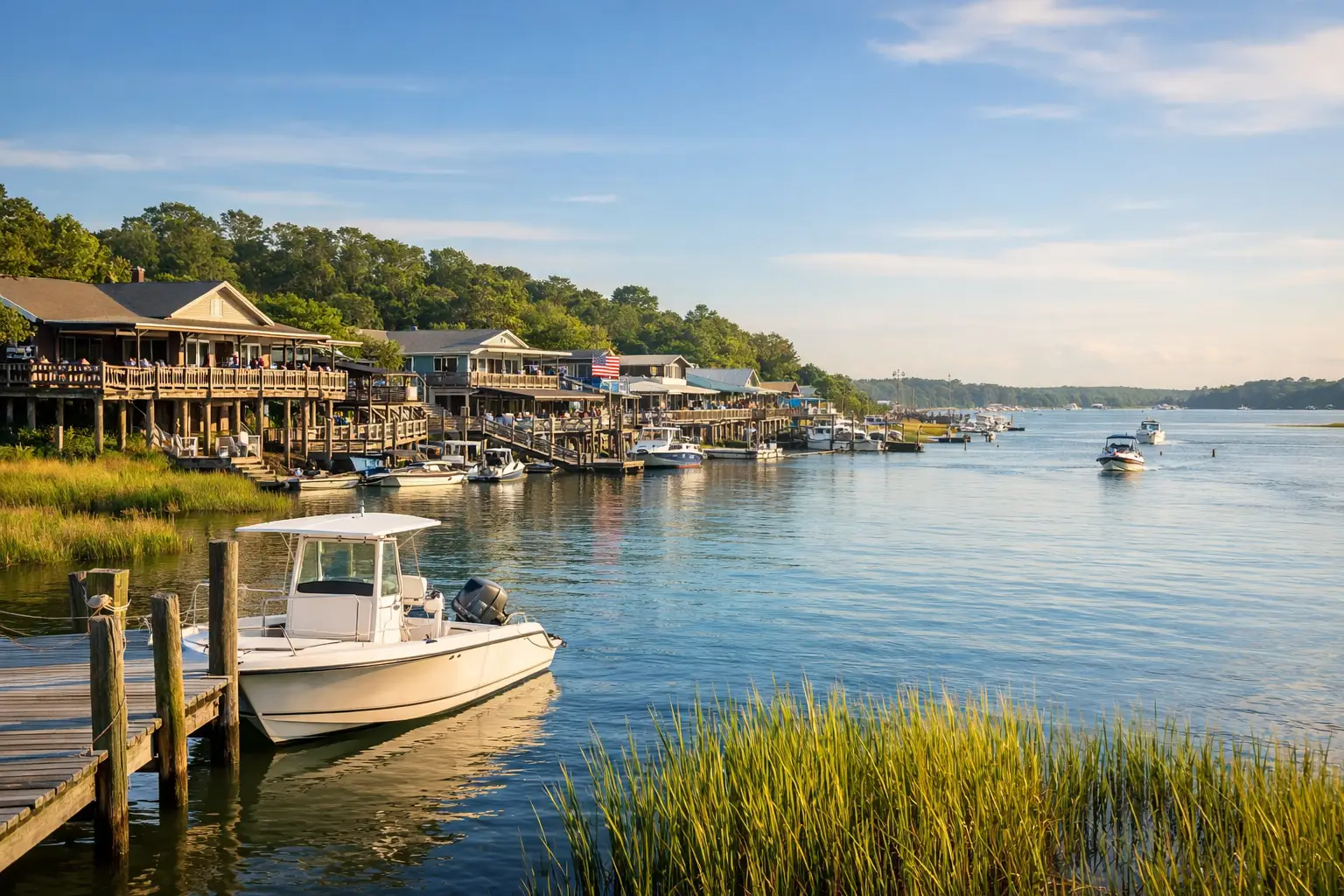
    Residents can fill a week without making the beach the only plan. Golf, boating, fishing, live music, dining, shopping, and community events are all close by. The Intracoastal Waterway adds another layer to daily life, whether that means watching boats pass, having lunch on the water, or looking for a home with a water view.

    Choosing the Right Area and Home Style

    North Myrtle Beach offers more than high-rise condos along the ocean. Buyers will find single-family homes in established neighborhoods, newer construction communities, golf villas, townhomes, low-rise condos, oceanfront buildings, and properties along channels, marshes, and the Waterway.

    A condo can be a practical choice for a second-home owner who wants less exterior maintenance and easy access to amenities. Still, condo ownership comes with association rules, monthly fees, insurance considerations, rental policies, and possible special assessments. Reviewing the association documents is not just paperwork. It helps you understand how the property is managed and what ownership may cost beyond the purchase price.

    Single-family homes offer more privacy and often more room for guests, pets, hobbies, and outdoor living. They may also bring yard care, roof maintenance, irrigation needs, and a larger insurance commitment. New construction can reduce immediate repair concerns, but buyers should still review builder warranties, lot location, community fees, and what is included versus considered an upgrade.

    For some buyers, a home just inland provides more space and value while keeping the beach a short drive away. For others, being able to walk to the ocean is worth a smaller footprint. A good home search starts by deciding which trade-off matters most.

    Cost of Ownership Goes Beyond the Listing Price

    Coastal ownership has expenses that deserve an honest look early in the process. Property taxes, homeowners insurance, flood insurance, wind and hail coverage, HOA dues, utilities, maintenance, and furnishings can all shape the real monthly or annual cost of a home.

    Insurance deserves special attention near the coast. Coverage and premiums can vary based on a home’s age, construction, elevation, roof, location, and prior claims history. A property that seems like a great value at first glance may need insurance quotes before it can be evaluated fairly. The same is true for flood zones. Being outside a high-risk flood zone does not mean a home has no flood risk, and having coverage can still be a wise decision.

    If rental income is part of the plan, approach the numbers with care. Rental demand can be strong in desirable locations, but owners should account for management fees, cleaning, repairs, furnishing costs, vacancy periods, taxes, HOA rental rules, and local regulations. A home should make sense for your own use and financial comfort, not only on the best possible rental-week projection.

    Weather, Water, and Coastal Maintenance

    Salt air is wonderful for the spirit and tough on building materials. Homes close to the ocean need regular attention to exterior paint, windows, doors, HVAC systems, decks, railings, and metal fixtures. This is normal coastal homeownership, not a reason to avoid it, but it should be part of the maintenance plan.

    Hurricane season also calls for preparation. Longtime residents know the value of a storm plan, proper insurance, shutters or impact protection where appropriate, and keeping important documents organized. A home inspection is essential, and buyers may also benefit from specialized inspections based on the property, such as moisture, roof, pool, dock, or structural reviews.

    The good news is that coastal communities are accustomed to planning for weather. The key is buying with clear expectations instead of assuming every beach property carries the same level of exposure or upkeep.

    Everyday Convenience Matters

    North Myrtle Beach has the services most full-time residents need, including grocery stores, medical options, pharmacies, restaurants, fitness choices, and nearby shopping. Myrtle Beach expands the selection for larger retail, entertainment, and health care needs, while Little River offers a quieter small-town option just minutes away.

    Families should research school assignments directly for a specific address, since boundaries and programs can change. Retirees may place greater weight on proximity to health care, single-level living, and a neighborhood that feels active without being overly busy. Remote workers may prioritize reliable internet service, a dedicated office, and access to major roads for occasional travel.

    Before writing an offer, spend time in the area at different hours. Drive the route to the grocery store, visit the beach access you would actually use, and notice traffic around the neighborhood. A home can look perfect online while the surrounding rhythm tells a different story.

    Is North Myrtle Beach the Right Fit?

    North Myrtle Beach is especially appealing for people who want a coastal lifestyle with options. You can choose lively oceanfront surroundings, a golf community, a tucked-away residential neighborhood, or a property near the Waterway. It is less suited to buyers seeking a completely isolated beach escape or a large urban environment with city-style walkability everywhere.

    The best purchase is rarely the most dramatic view or the newest finish. It is the home that supports the life you actually want to live, with costs, location, and maintenance that feel comfortable long after closing day. If North Myrtle Beach is on your list, take the time to compare neighborhoods and ask practical questions. A knowledgeable local real estate professional, such as Cyndy Otto, can help turn those questions into a focused, confident home search.

  • Moving to North Myrtle Beach SC? Start Here

    Moving to North Myrtle Beach SC? Start Here

    The first thing many people notice when moving to North Myrtle Beach SC is that the beach is only part of the appeal. Yes, there are wide stretches of sand, salty breezes, and golf carts rolling toward the shore. But daily life here can also mean a quiet morning on the Intracoastal Waterway, dinner in Little River, errands close to home, and a pace that feels easier without feeling isolated.

    For a primary home, retirement move, vacation place, or investment property, North Myrtle Beach offers choices that can look very different from one neighborhood to the next. The right fit comes down to how you want to live when you are not on the beach.

    Why North Myrtle Beach Feels Different

    North Myrtle Beach sits at the northern end of the Grand Strand in Horry County, close to the North Carolina line. It has a relaxed, residential personality while still offering convenient access to restaurants, shopping, entertainment, medical care, and Myrtle Beach International Airport.

    The city is made up of distinct beach communities, including Cherry Grove, Ocean Drive, Crescent Beach, Windy Hill, and the area around Barefoot Resort. Each has its own rhythm. A buyer who wants an oceanfront condo with rental potential may be looking for something entirely different from someone seeking a low-maintenance home near golf, or a year-round residence with room for visiting family.

    That variety is a real advantage, but it also means that “North Myrtle Beach” is not one single housing experience. The best way to narrow the search is to start with lifestyle rather than square footage alone.

    Moving to North Myrtle Beach SC: Choose Your Setting

    If being able to walk or bike to the ocean is at the top of your wish list, the beach sections may feel like home. Condos, townhomes, raised beach houses, and oceanfront properties put you close to the action. They can also come with more visitor traffic during peak season, higher insurance considerations, and, for condos, association fees that deserve a careful review.

    For buyers who prefer more space between neighbors, communities west of Highway 17 may offer single-family homes, golf course settings, gated neighborhoods, and easier access to the Intracoastal Waterway. You may give up a quick walk to the sand, but gain a garage, yard, newer construction options, or a quieter day-to-day setting.

    Cherry Grove has a classic coastal character and strong appeal for people who love boating, marsh views, and a true beach-town feel. Ocean Drive offers easy access to local restaurants, shag dancing, and longtime North Myrtle Beach traditions. Barefoot Resort appeals to many buyers who want golf, planned-community amenities, and a location near Barefoot Landing. None is automatically “better.” It depends on whether your perfect Saturday involves a beach chair, a boat ramp, a tee time, or a peaceful porch.

    Understand the Real Cost of Coastal Ownership

    A home’s list price is only the beginning of a coastal budget. Before falling in love with a property, look at the full picture: property taxes, homeowners insurance, flood insurance where applicable, HOA or condo fees, utilities, maintenance, and any rental-management costs.

    Insurance is especially worth discussing early. Elevation, flood zone, age of the home, roof condition, construction style, and proximity to water can all affect coverage and premiums. Two homes on the same street can have noticeably different insurance profiles. Asking for available insurance information during due diligence can prevent unwelcome surprises later.

    Condominiums have their own set of questions. Monthly dues may cover exterior maintenance, landscaping, pools, elevators, cable, water, master insurance, and reserves, but coverage varies by building. Review the association budget, reserves, meeting minutes, rules, pending assessments, rental policies, and any recent or planned major repairs. A lower monthly fee is not always a better value if a building has deferred maintenance.

    For a single-family home, pay attention to the practical details that can matter more near the coast: the age of the HVAC system, windows and doors, roof, drainage, exterior materials, and whether the home has storm protection. A thorough inspection is not a box to check. It is part of buying with clear eyes.

    A Vacation Town With a Year-Round Community

    Summer brings more energy to North Myrtle Beach. Restaurants are lively, the roads are busier, and the beach is at its most social. Many residents enjoy that seasonal buzz, especially if friends and family like to visit. Others prefer a home farther from the busiest corridors so they can enjoy the coast without feeling like they live in the center of vacation season.

    The quieter months show a different side of the area. Locals gather at favorite restaurants, walk the beach on mild winter days, play golf, fish, volunteer, and enjoy community events. For many retirees and remote workers, that year-round livability is the reason the move makes sense.

    It is smart to visit at more than one time of year if you can. Spend a weekday there, drive your preferred routes, get groceries, and see how long it takes to reach the places you will use regularly. A home that feels perfect on a sunny Saturday in April should also work for your everyday routine in July.

    Work, Schools, Health Care, and Getting Around

    North Myrtle Beach can work well for retirees, remote workers, business owners, and people commuting within the Grand Strand. The area has access to major routes, and nearby Myrtle Beach expands options for employment, health care, shopping, and travel. Still, traffic patterns change with the season, so a commute that seems simple in winter may take longer in summer.

    Families should research school assignments directly for any property under consideration. Attendance zones, school programs, transportation, and enrollment can change, so it is best to verify current information rather than rely on a listing description or a neighborhood assumption.

    Health care access is another practical consideration, particularly for retirees and buyers managing ongoing medical needs. Think beyond the nearest urgent care. Consider preferred specialists, pharmacy access, hospital distance, and how comfortably you can get there during busy periods or inclement weather.

    If You Plan to Rent the Property

    North Myrtle Beach is attractive to buyers interested in a second home that can generate vacation-rental income. That can be a great fit, but rental income should never be treated as automatic. Location, building rules, local regulations, seasonality, property condition, furnishings, marketing, management fees, cleaning, repairs, and owner-use dates all affect the numbers.

    Before making an offer, confirm whether short-term rentals are permitted for that specific property. Condo associations and planned communities may have rental restrictions, minimum stay requirements, registration requirements, or limits on the number of rentals. If investment performance is central to your purchase, review realistic expenses as carefully as projected revenue.

    A property that rents beautifully may not be the best personal retreat if you want quiet weekends whenever you choose. On the other hand, a place designed mainly for your own use may be worth more to you than maximizing rental nights. There is room for both strategies, as long as the decision is intentional.

    Questions Worth Answering Before You Buy

    A clear wish list is more useful than a long list of online listings. Before touring homes, decide how you would answer these questions:

    • Do you want to walk to the beach, or would a short drive be perfectly fine?
    • Will this be a full-time home, a seasonal home, or a property that needs rental income?
    • Are you comfortable with stairs, elevators, shared building amenities, or a raised beach house?
    • What monthly costs feel comfortable after insurance, association dues, and maintenance are included?
    • Would you rather be near restaurants and activity, or in a more tucked-away residential setting?

    These answers help separate a pretty property from the right property. They also make it easier to compare homes fairly, especially when one has a better view and another has a more practical floor plan.

    Give Yourself Permission to Be Specific

    The coast has a way of making every balcony and palm tree feel like the answer. Take your time anyway. A good North Myrtle Beach home should support the life you want after the novelty of the move settles in – where you park, where guests sleep, how you get through a stormy week, and whether you still love the location on an ordinary Tuesday.

    A knowledgeable local real estate professional can help you weigh those details alongside the fun ones, from neighborhood character to property-specific costs. With a clear plan and a little patience, your new coastal address can feel less like a getaway and more like exactly where you belong.

  • Myrtle Beach vs North Myrtle Beach Living

    A few miles can make a meaningful difference when you are choosing a place to call home at the coast. In the conversation around Myrtle Beach vs North Myrtle Beach living, the best fit usually comes down to more than a favorite beach access or restaurant. Your ideal daily pace, preferred home style, budget, plans for visitors, and comfort with seasonal activity all matter.

    Both areas offer sandy shores, golf, water views, and a wide range of residential choices. Yet they feel distinctly different once you start driving neighborhoods, visiting grocery stores, and imagining an ordinary Tuesday instead of a vacation week. The right decision is personal, and it helps to look beyond the postcard view.

    Myrtle Beach vs North Myrtle Beach Living: The Daily Feel

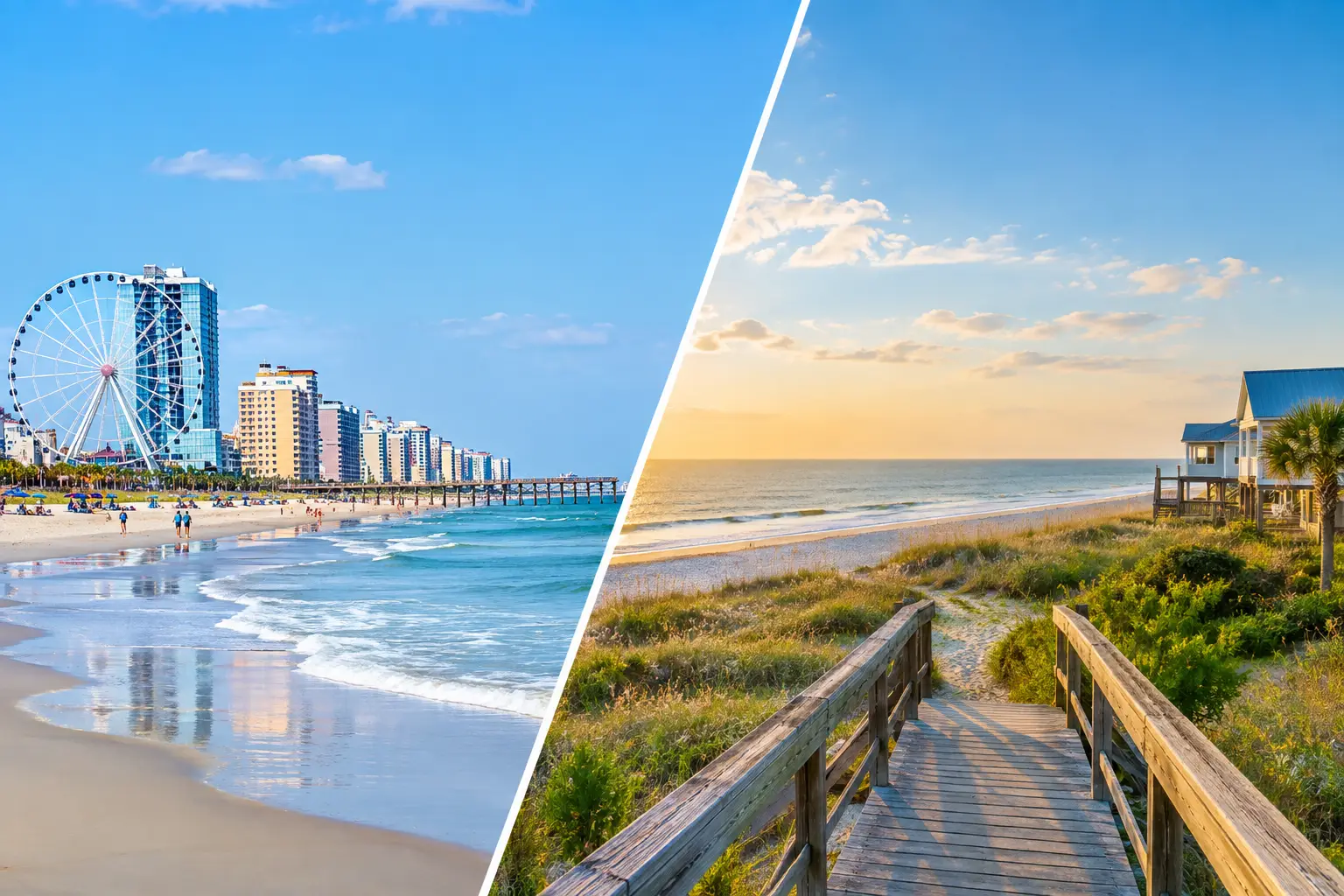
    Myrtle Beach is the larger, more energetic choice. It has a city feel in many areas, with a broader mix of entertainment, restaurants, shopping, medical services, and year-round activity. For buyers who enjoy having options nearby, this can be a real advantage. You may be close to a favorite breakfast spot, live music, a fitness center, major retail, and the beach all in the same afternoon.

    That energy can also mean heavier traffic in popular corridors, especially during spring and summer. Areas near the oceanfront attractions can be lively late into the evening. Some residents love being in the middle of the action, while others prefer to visit it and return home to a quieter neighborhood.

    North Myrtle Beach generally has a more relaxed, residential rhythm. It is still a well-known beach destination, but many buyers find it easier to picture everyday life there. Communities such as Cherry Grove, Ocean Drive, Crescent Beach, Windy Hill, and Barefoot Resort each have their own character, from classic beach cottages to golf-course homes and newer planned neighborhoods.

    North Myrtle Beach can be especially appealing for retirees, second-home owners, and families who want coastal access without feeling surrounded by the busiest parts of the Grand Strand. That does not mean it is sleepy. There are plenty of restaurants, festivals, golf courses, shops, and seasonal events. The difference is often one of scale and atmosphere.

    Beaches, Entertainment, and Weekend Plans

    If beach time is your priority, both locations deliver, but the experience varies by section. Myrtle Beach offers a long shoreline with everything from active boardwalk areas to quieter residential stretches farther from the central tourist district. It is a strong fit for someone who wants the beach to be part of an active social and entertainment lifestyle.

    North Myrtle Beach beaches often feel more neighborhood-oriented, particularly away from major public access points. Cherry Grove is loved for its inlet setting and fishing pier, while the other beach sections offer plenty of room for morning walks, bike rides, and family beach days. Residents often appreciate that they can choose between a peaceful beach routine and an evening out without leaving town.

    For entertainment, Myrtle Beach has greater variety and volume. Theaters, attractions, shopping centers, sports venues, and dining choices are widely available. This can benefit buyers who host frequent guests or who are considering a vacation rental property in an area where short-term rentals are permitted.

    North Myrtle Beach offers a more compact entertainment scene, with beach clubs, local restaurants, live music, and easy access to the attractions of the larger Grand Strand when desired. For many homeowners, that balance is just right. They can enjoy a quieter home base while knowing Myrtle Beach is a straightforward drive away.

    Housing Choices and Neighborhood Character

    The housing inventory across both markets is diverse. You will find oceanfront and ocean-view condominiums, raised beach homes, townhomes, golf-course properties, established single-family neighborhoods, and new construction. The best property type depends on how you plan to use it.

    In Myrtle Beach, buyers may have more choices near urban conveniences and major employment centers. Areas west of Highway 17, along the Intracoastal Waterway, and in newer communities can offer a different experience than an oceanfront condo or a home near the boardwalk. A primary resident might value a garage, storage, nearby healthcare, and a neighborhood with full-time neighbors more than a rental-friendly building with direct ocean views.

    North Myrtle Beach has a strong mix of coastal condominiums and single-family homes, including communities that appeal to full-time residents and second-home buyers. Barefoot Resort, for example, offers golf and resort-style amenities, while other neighborhoods provide a more traditional residential setting. Beach sections can be ideal for buyers who want to walk or bike to the ocean, though flood zones, insurance needs, parking, and rental activity should always be part of the conversation.

    Do not assume one area is automatically more affordable than the other. Prices can shift significantly based on proximity to the water, building age, views, amenities, condition, rental history, and HOA structure. A condominium with a lower purchase price may have substantial monthly fees, while a single-family home may require more maintenance, insurance, and exterior upkeep. Looking at the full monthly and annual ownership picture is more useful than comparing listing prices alone.

    Condos, Beach Homes, and Primary Residences

    Condominiums can make sense for buyers who prefer a lock-and-leave lifestyle. Exterior maintenance, landscaping, and amenities are typically handled through the association, although the rules, financial health, reserves, rental policies, and fees deserve careful review. Oceanfront buildings may also have additional maintenance considerations because salt air is hard on structures.

    A beach home offers more privacy and often more space for family and guests. It may also provide flexibility for owners who want to use the property personally and rent it at select times, subject to local and community rules. On the other hand, elevated homes, pools, docks, and coastal exposure can bring added maintenance responsibilities.

    For a full-time move, it is worth considering your off-season routine. Visit on a weekday if possible. Test the drive to the grocery store, doctor, gym, airport, and the places you expect to use regularly. A home that feels perfect during a sunny Saturday showing should also work when you need to run errands in July traffic or after a rainy January week.

    Traffic, Access, and Practical Convenience

    Traffic is one of the clearest lifestyle differences between the two areas. Myrtle Beach generally sees more congestion near its biggest attractions, commercial zones, and main thoroughfares. Road projects and alternate routes can improve access in certain locations, but travel time is still worth testing at the hours that matter to you.

    North Myrtle Beach has its own seasonal traffic patterns, particularly around beach access points and the busiest commercial areas. Still, some buyers find its layout more manageable for daily life. Proximity to Highway 31, Highway 17, and the routes toward Little River or the North Carolina line may influence which neighborhood feels most convenient.

    Healthcare access, airport travel, and family connections can also shape the choice. Myrtle Beach places you closer to many medical providers and Myrtle Beach International Airport. North Myrtle Beach may appeal to those who want easier access to Little River, Calabash, and Brunswick County communities such as Sunset Beach or Ocean Isle Beach. There is no universal winner – it depends on where your life happens most often.

    Investment and Rental Considerations

    Both Myrtle Beach and North Myrtle Beach attract buyers interested in vacation rental income, but an investment property should be evaluated with clear eyes. Demand can be strong in desirable locations, yet rental income is not guaranteed and expenses can add up quickly. Management fees, HOA dues, insurance, utilities, furnishings, cleaning, repairs, taxes, and periods without bookings all affect the numbers.

    Before purchasing, confirm the current rental rules for the specific building, neighborhood, and municipality. Restrictions can differ from one community to the next, and association rules may change. If personal use is your first priority, a property with a more residential setting may be the better choice even if its rental potential is lower.

    A well-chosen coastal property can serve several goals, but it rarely serves every goal equally. The highest-income rental option may not offer the quietest personal retreat. The lowest-maintenance condo may not have the privacy needed for an extended family. Naming your top two or three priorities early makes the search much more productive.

    How to Choose the Right Coastal Fit

    Choose Myrtle Beach if you want a larger selection of entertainment, dining, services, and central Grand Strand convenience. It can be an excellent fit for buyers who enjoy activity, want access to city amenities, or are considering properties near major visitor attractions.

    Choose North Myrtle Beach if a more relaxed coastal pace, neighborhood feel, and easy access to the northern Grand Strand sound more appealing. It is a natural match for many buyers seeking a retirement home, vacation place, or full-time residence with beach access and room to breathe.

    The most useful next step is not picking a side from a map. Spend time in both places as a potential resident, not just a visitor. Drive the neighborhoods, notice the noise level, look at parking, and picture the kind of morning you want to have. That small bit of real-life perspective can turn a coastal home search into a decision that feels comfortably like yours.

  • Myrtle Beach vs North Myrtle Beach Living

    Myrtle Beach vs North Myrtle Beach Living

    A few miles can make a meaningful difference when you are choosing a place to call home at the coast. In the conversation around Myrtle Beach vs North Myrtle Beach living, the best fit usually comes down to more than a favorite beach access or restaurant. Your ideal daily pace, preferred home style, budget, plans for visitors, and comfort with seasonal activity all matter.

    Both areas offer sandy shores, golf, water views, and a wide range of residential choices. Yet they feel distinctly different once you start driving neighborhoods, visiting grocery stores, and imagining an ordinary Tuesday instead of a vacation week. The right decision is personal, and it helps to look beyond the postcard view.

    Myrtle Beach vs North Myrtle Beach Living: The Daily Feel

    Myrtle Beach is the larger, more energetic choice. It has a city feel in many areas, with a broader mix of entertainment, restaurants, shopping, medical services, and year-round activity. For buyers who enjoy having options nearby, this can be a real advantage. You may be close to a favorite breakfast spot, live music, a fitness center, major retail, and the beach all in the same afternoon.

    That energy can also mean heavier traffic in popular corridors, especially during spring and summer. Areas near the oceanfront attractions can be lively late into the evening. Some residents love being in the middle of the action, while others prefer to visit it and return home to a quieter neighborhood.

    North Myrtle Beach generally has a more relaxed, residential rhythm. It is still a well-known beach destination, but many buyers find it easier to picture everyday life there. Communities such as Cherry Grove, Ocean Drive, Crescent Beach, Windy Hill, and Barefoot Resort each have their own character, from classic beach cottages to golf-course homes and newer planned neighborhoods.

    North Myrtle Beach can be especially appealing for retirees, second-home owners, and families who want coastal access without feeling surrounded by the busiest parts of the Grand Strand. That does not mean it is sleepy. There are plenty of restaurants, festivals, golf courses, shops, and seasonal events. The difference is often one of scale and atmosphere.

    Beaches, Entertainment, and Weekend Plans

    If beach time is your priority, both locations deliver, but the experience varies by section. Myrtle Beach offers a long shoreline with everything from active boardwalk areas to quieter residential stretches farther from the central tourist district. It is a strong fit for someone who wants the beach to be part of an active social and entertainment lifestyle.

    North Myrtle Beach beaches often feel more neighborhood-oriented, particularly away from major public access points. Cherry Grove is loved for its inlet setting and fishing pier, while the other beach sections offer plenty of room for morning walks, bike rides, and family beach days. Residents often appreciate that they can choose between a peaceful beach routine and an evening out without leaving town.

    For entertainment, Myrtle Beach has greater variety and volume. Theaters, attractions, shopping centers, sports venues, and dining choices are widely available. This can benefit buyers who host frequent guests or who are considering a vacation rental property in an area where short-term rentals are permitted.

    North Myrtle Beach offers a more compact entertainment scene, with beach clubs, local restaurants, live music, and easy access to the attractions of the larger Grand Strand when desired. For many homeowners, that balance is just right. They can enjoy a quieter home base while knowing Myrtle Beach is a straightforward drive away.

    Housing Choices and Neighborhood Character

    The housing inventory across both markets is diverse. You will find oceanfront and ocean-view condominiums, raised beach homes, townhomes, golf-course properties, established single-family neighborhoods, and new construction. The best property type depends on how you plan to use it.

    In Myrtle Beach, buyers may have more choices near urban conveniences and major employment centers. Areas west of Highway 17, along the Intracoastal Waterway, and in newer communities can offer a different experience than an oceanfront condo or a home near the boardwalk. A primary resident might value a garage, storage, nearby healthcare, and a neighborhood with full-time neighbors more than a rental-friendly building with direct ocean views.

    North Myrtle Beach has a strong mix of coastal condominiums and single-family homes, including communities that appeal to full-time residents and second-home buyers. Barefoot Resort, for example, offers golf and resort-style amenities, while other neighborhoods provide a more traditional residential setting. Beach sections can be ideal for buyers who want to walk or bike to the ocean, though flood zones, insurance needs, parking, and rental activity should always be part of the conversation.

    Do not assume one area is automatically more affordable than the other. Prices can shift significantly based on proximity to the water, building age, views, amenities, condition, rental history, and HOA structure. A condominium with a lower purchase price may have substantial monthly fees, while a single-family home may require more maintenance, insurance, and exterior upkeep. Looking at the full monthly and annual ownership picture is more useful than comparing listing prices alone.

    Condos, Beach Homes, and Primary Residences

    Condominiums can make sense for buyers who prefer a lock-and-leave lifestyle. Exterior maintenance, landscaping, and amenities are typically handled through the association, although the rules, financial health, reserves, rental policies, and fees deserve careful review. Oceanfront buildings may also have additional maintenance considerations because salt air is hard on structures.

    A beach home offers more privacy and often more space for family and guests. It may also provide flexibility for owners who want to use the property personally and rent it at select times, subject to local and community rules. On the other hand, elevated homes, pools, docks, and coastal exposure can bring added maintenance responsibilities.

    For a full-time move, it is worth considering your off-season routine. Visit on a weekday if possible. Test the drive to the grocery store, doctor, gym, airport, and the places you expect to use regularly. A home that feels perfect during a sunny Saturday showing should also work when you need to run errands in July traffic or after a rainy January week.

    Traffic, Access, and Practical Convenience

    Traffic is one of the clearest lifestyle differences between the two areas. Myrtle Beach generally sees more congestion near its biggest attractions, commercial zones, and main thoroughfares. Road projects and alternate routes can improve access in certain locations, but travel time is still worth testing at the hours that matter to you.

    North Myrtle Beach has its own seasonal traffic patterns, particularly around beach access points and the busiest commercial areas. Still, some buyers find its layout more manageable for daily life. Proximity to Highway 31, Highway 17, and the routes toward Little River or the North Carolina line may influence which neighborhood feels most convenient.

    Healthcare access, airport travel, and family connections can also shape the choice. Myrtle Beach places you closer to many medical providers and Myrtle Beach International Airport. North Myrtle Beach may appeal to those who want easier access to Little River, Calabash, and Brunswick County communities such as Sunset Beach or Ocean Isle Beach. There is no universal winner – it depends on where your life happens most often.

    Investment and Rental Considerations

    Both Myrtle Beach and North Myrtle Beach attract buyers interested in vacation rental income, but an investment property should be evaluated with clear eyes. Demand can be strong in desirable locations, yet rental income is not guaranteed and expenses can add up quickly. Management fees, HOA dues, insurance, utilities, furnishings, cleaning, repairs, taxes, and periods without bookings all affect the numbers.

    Before purchasing, confirm the current rental rules for the specific building, neighborhood, and municipality. Restrictions can differ from one community to the next, and association rules may change. If personal use is your first priority, a property with a more residential setting may be the better choice even if its rental potential is lower.

    A well-chosen coastal property can serve several goals, but it rarely serves every goal equally. The highest-income rental option may not offer the quietest personal retreat. The lowest-maintenance condo may not have the privacy needed for an extended family. Naming your top two or three priorities early makes the search much more productive.

    How to Choose the Right Coastal Fit

    Choose Myrtle Beach if you want a larger selection of entertainment, dining, services, and central Grand Strand convenience. It can be an excellent fit for buyers who enjoy activity, want access to city amenities, or are considering properties near major visitor attractions.

    Choose North Myrtle Beach if a more relaxed coastal pace, neighborhood feel, and easy access to the northern Grand Strand sound more appealing. It is a natural match for many buyers seeking a retirement home, vacation place, or full-time residence with beach access and room to breathe.

    The most useful next step is not picking a side from a map. Spend time in both places as a potential resident, not just a visitor. Drive the neighborhoods, notice the noise level, look at parking, and picture the kind of morning you want to have. That small bit of real-life perspective can turn a coastal home search into a decision that feels comfortably like yours.

  • Cost of Living in Myrtle Beach SC, Explained

    Cost of Living in Myrtle Beach SC, Explained

    A Myrtle Beach morning can look wonderfully simple: coffee on the porch, salt air in the breeze, and a short drive to the water. But the cost of living in Myrtle Beach SC is not one single number. It is a collection of choices – where you live, whether you own or rent, how close you are to the ocean, and how you plan to enjoy the coast once you are here.

    For many buyers, the Grand Strand can offer more home and a more relaxed lifestyle than larger coastal markets. Still, a smart move means looking past the listing price. Housing may be the biggest line item, but insurance, association fees, transportation, utilities, and the occasional seafood dinner with visiting family all belong in the real-life budget.

    What drives the cost of living in Myrtle Beach SC?

    Myrtle Beach is a tourism-driven coastal city with a wide range of housing and lifestyle options. A condo near the ocean, a newer home in Carolina Forest, a property in Conway, and a quieter residence in Murrells Inlet can create very different monthly budgets, even when the home prices appear similar at first glance.

    The good news is that buyers have choices. The trade-off is that each area comes with its own mix of commute time, flood considerations, amenities, neighborhood fees, and proximity to the beach. A lower purchase price farther inland may be balanced by more driving. A condo close to the sand may reduce maintenance responsibilities but add HOA dues and a more detailed insurance picture.

    Rather than focusing only on a broad statewide or national average, it helps to build a budget around the home and lifestyle you actually want.

    Housing: the biggest piece of the budget

    Housing costs vary widely across the Myrtle Beach area. Oceanfront and ocean-view homes, properties with strong vacation-rental potential, and communities with resort-style features typically command a premium. Established inland neighborhoods, homes farther north or south of the busiest tourist areas, and some parts of nearby Conway or Longs may offer different price points and more square footage.

    For buyers, the monthly housing number is more than principal and interest. It should include property taxes, homeowners insurance, possible flood insurance, HOA or condo fees, and an appropriate maintenance reserve. For a condo, ask what the association fee covers. Exterior maintenance, landscaping, water, cable, master insurance, pools, elevators, and reserves can all affect the value of that fee.

    For single-family homes, maintenance is often more direct. You may be responsible for the roof, exterior, lawn care, irrigation, pest control, and storm preparation. A newer home can reduce near-term repair concerns, but no home is entirely maintenance-free on the coast.

    Renters should also look beyond monthly rent. Ask about utilities, pet fees, parking, lease terms, deposits, and whether a rental is offered furnished. Seasonal demand can affect availability and pricing in beach communities, especially for furnished homes and condos.

    Coastal insurance deserves special attention

    Insurance is one of the most important variables in a coastal budget. The age of the roof, construction type, elevation, distance from the water, prior claims, and wind-mitigation features can all influence premiums. A beautiful home with a low asking price is worth a closer look if insurance estimates are unexpectedly high.

    Flood insurance is separate from standard homeowners insurance. Whether it is required by a lender depends on the property and flood zone, but even homes outside a required zone may carry some level of risk. The practical approach is to obtain insurance quotes early, not after you are emotionally committed to a house.

    For condo buyers, it is also wise to understand the master policy held by the association and what coverage you will need individually. This is not the glamorous part of coastal home shopping, but it is the part that helps a beach home remain a comfortable fit for years to come.

    Taxes, utilities, and everyday household costs

    South Carolina property taxes can be favorable for owner-occupied primary residences, particularly when compared with some northeastern and midwestern markets. However, taxes are assessed differently for primary homes, second homes, and investment properties. If you are buying a vacation home or rental property, do not assume the tax bill will match that of a full-time resident.

    Utilities fluctuate with the seasons. Air conditioning works hard during warm, humid summers, while winter heating needs are usually milder than in colder parts of the country. Electric bills can be higher in larger homes, homes with older windows, and properties with pools or hot tubs. Water, sewer, internet, and trash service should all be included in your monthly estimate rather than treated as afterthoughts.

    Groceries, dining, and personal services are generally manageable for many transplants, but your habits matter. Myrtle Beach has everyday supermarkets and practical local options, along with plenty of places to enjoy fresh seafood, golf, entertainment, and waterfront dining. Those coastal treats are part of the appeal, but they can quietly become a regular expense if every weekend feels like vacation.

    Transportation is often more car-dependent

    Most residents rely on a vehicle. Public transportation exists, but it is not the easiest answer for every daily commute, grocery trip, medical appointment, or beach outing. Buyers moving from a walkable city should account for vehicle payments, fuel, maintenance, insurance, and possibly a second car.

    Location can make a noticeable difference. Living near work, schools, healthcare, and the services you use most can save time as well as money. Traffic also changes with the season. Routes that feel easy in January may take longer during spring break or peak summer visitor weeks.

    If you are considering communities in North Myrtle Beach, Little River, Conway, Surfside Beach, Garden City Beach, or Murrells Inlet, take a few test drives at the times you would normally travel. A home should work for your ordinary Tuesday, not only for a sunny Saturday showing.

    Lifestyle costs are personal, and that is the point

    The Myrtle Beach lifestyle can be as economical or as active as you choose. A walk on the beach, a local park, and time on your porch cost very little. Golf memberships, marina fees, boat ownership, entertainment, dining out, and frequent visits from friends and family can change the picture quickly.

    Retirees may find that the area supports an enjoyable, lower-key routine without the costs associated with a major metro area. Remote workers may appreciate the space and coastal setting, but should confirm reliable internet service at a specific address. Families may prioritize school preferences, childcare, sports, and a neighborhood with room to grow. Investors need to factor in management, furnishing, turnover, licensing rules, maintenance, and periods when a property may not be rented.

    There is no universal “right” budget for Myrtle Beach. The right one is the budget that leaves room for the life you want to lead after closing day.

    A practical way to budget before you buy

    Before narrowing your home search, build two monthly numbers: the amount you are comfortable spending and the amount a lender says you may be able to spend. Those figures are not always the same, especially when you are relocating or purchasing a second home.

    Include these real-world categories in your estimate:

    • Mortgage payment, property taxes, and HOA or condo fees
    • Homeowners, wind, and flood insurance where applicable
    • Utilities, internet, lawn care, pool care, and routine maintenance
    • Vehicle costs, healthcare, groceries, and the hobbies that make coastal living fun

    Then leave breathing room. An emergency repair, an insurance renewal, or a last-minute flight to see family should not turn your dream location into a source of stress. For buyers coming from out of state, it can also help to spend several days in the area outside peak vacation time. Visit grocery stores, drive to medical offices, check the distance to the airport, and see how each neighborhood feels when the beach crowds have gone home.

    The value is in the fit, not just the price

    The cost of living in Myrtle Beach SC can be appealing, particularly for people seeking a coastal home without the price tag of many larger beach markets. Yet affordability is always personal. A low-maintenance condo may be worth more to one buyer than a larger home with a yard. Another buyer may happily trade a longer drive for extra space, a garage, and a quieter street.

    A thoughtful home search looks at the full monthly picture before falling in love with the view. When your home, insurance, location, and everyday routine fit together comfortably, the reward is more than a good number on a spreadsheet. It is the freedom to enjoy the coast at your own pace.

  • Affordable Beach Towns Near Myrtle Beach, SC

    Affordable Beach Towns Near Myrtle Beach, SC

    A beach address does not have to mean buying in the busiest block of Myrtle Beach or stretching a budget past its comfort zone. The best affordable beach towns near Myrtle Beach, SC often sit a few miles from the ocean, across the state line in North Carolina, or just beyond the most heavily visited vacation corridors. That little bit of distance can change the pace, the home choices, and the overall cost of ownership.

    For a primary home, second home, retirement place, or rental-minded purchase, affordability is about more than a listing price. It is also about insurance, HOA fees, flood exposure, taxes, maintenance, commute time, and how often you will actually use the beach. Around the Grand Strand, there is no one-size-fits-all bargain. There are, however, plenty of smart places to start looking.

    What “affordable” looks like on the coast

    A lower-priced home farther inland may offer more square footage, a larger yard, and newer construction. A smaller condo or older cottage closer to the sand may give you the walkable coastal lifestyle you want, but it can come with HOA dues, rental restrictions, and more exposure to salt air and storms.

    That is why comparing towns only by median home price can be misleading. A home in a community with a modest monthly HOA fee, reasonable insurance, and low maintenance needs can be more comfortable financially than a cheaper property with substantial repairs ahead. The right choice depends on whether your priority is beach access, boating, golf, quiet evenings, rental potential, or simply having friends and family nearby.

    Affordable beach towns near Myrtle Beach, SC to consider

    Little River: a quieter waterfront option

    Little River sits just north of North Myrtle Beach and has a relaxed, established feel. It is known for its waterfront dining, marinas, fishing boats, and slower traffic compared with the center of Myrtle Beach. Buyers may find condos, townhomes, manufactured homes on owned land, and traditional neighborhoods that can offer value relative to oceanfront areas.

    The trade-off is that not every property is walkable to the beach. For many buyers, that is a fair exchange for a quieter setting and easier access to everyday services. Little River can be especially appealing if boating or the Intracoastal Waterway matters as much as the ocean.

    Longs and Loris: more house for the budget

    Longs and Loris are not beach towns in the walk-to-the-sand sense, but they belong in the conversation for buyers who want to live near the coast without paying coastal premiums. Longs, in particular, has seen substantial new construction and offers a practical location between the North Myrtle Beach area and inland services.

    Loris feels more rural and small-town, with homes that may offer larger lots and a slower pace. Both areas require a drive to the beach, restaurants, and attractions. In return, buyers often gain space, newer features, and a more manageable entry point into the Myrtle Beach metro area.

    Conway: historic character with coastal access

    Conway has a downtown district, riverfront setting, local restaurants, and a community feel that is distinct from the beach resort atmosphere. It is a strong fit for buyers who want regular access to Myrtle Beach but prefer to come home to a town with its own identity.

    Housing choices range from historic homes to newer planned communities and condos. The drive to the beach can vary depending on traffic and the exact neighborhood, so it is worth testing the route at the times you expect to travel. For year-round residents, Conway’s schools, medical access, shopping, and everyday conveniences can make that drive worthwhile.

    Surfside Beach and Garden City Beach: close to the action, with careful shopping

    Surfside Beach and Garden City Beach are beloved for their family-friendly atmosphere and quick access to oceanfront fun, Murrells Inlet, and Myrtle Beach. They are rarely the lowest-cost options on the coast, especially near the water, but affordability can still appear in older condos, homes one or more blocks inland, and properties that need cosmetic updates.

    Here, the details matter. Review HOA documents, rental rules, parking, elevation, flood history, and the condition of major systems before assuming a lower list price is a deal. A well-kept property slightly farther from the ocean can sometimes be the better long-term fit than a bargain directly in a high-maintenance coastal zone.

    Murrells Inlet: lifestyle value for the right buyer

    Murrells Inlet is often chosen for its restaurant scene, marsh views, boating culture, and proximity to Huntington Beach State Park. It can be pricier than inland communities, but buyers who are flexible about age, location, and property type may find opportunities in condos, smaller homes, or neighborhoods away from the marshfront.

    This area is less about getting the biggest house for the least money and more about choosing a lifestyle you will enjoy every week. If seafood dinners, waterfront walks, golf, and a polished coastal setting are on your wish list, a smaller home here may feel like a worthwhile trade.

    Georgetown: history, harbor views, and a different pace

    About an hour south of Myrtle Beach, Georgetown offers a historic downtown, working waterfront, and a more traditional Lowcountry atmosphere. It can appeal to buyers who want coastal access without living in the center of a resort market. Inventory and pricing vary considerably between historic areas, waterfront properties, and inland neighborhoods.

    Georgetown is best for buyers who appreciate character and do not need to be minutes from Myrtle Beach’s attractions. The town feels more independent and less seasonal than some beach communities, which can be a real advantage for those planning a full-time move.

    Calabash and Shallotte: North Carolina value near the state line

    Just over the North Carolina line, Calabash and Shallotte are worth a close look. Calabash is known for its seafood heritage, proximity to Sunset Beach and Ocean Isle Beach, and easy access to the Grand Strand. Shallotte is farther inland but serves as a commercial hub for Brunswick County, with shopping, healthcare, and a range of residential communities.

    Buyers may find more options for newer homes, larger lots, and lower prices than in the immediate beach towns. The drive to the sand is usually short enough for a spontaneous beach morning, yet daily life feels less crowded. For retirees and year-round residents, this balance can be especially appealing.

    Ocean Isle Beach and Sunset Beach: selective opportunities

    Ocean Isle Beach and Sunset Beach have a strong following for good reason: beautiful beaches, a laid-back feel, and a classic Brunswick Islands lifestyle. Oceanfront and island properties can carry premium prices, but mainland neighborhoods, condos, and resale homes outside the most sought-after pockets may provide more approachable choices.

    These towns reward patience. Buyers who can be flexible on water views, home age, or exact distance to the beach often have more possibilities than those seeking a turnkey home on the island. A local search strategy is helpful because the best fit may be a home that needs a little updating rather than a picture-perfect listing on day one.

    Budget for the ownership costs that listings do not show

    Before falling for porch views or a sunny kitchen, ask for a realistic monthly and annual ownership picture. Coastal insurance can vary sharply by location, construction type, roof age, and distance from water. Flood insurance may be required or advisable depending on the property, and condo buyers should look closely at association reserves, master insurance coverage, and upcoming assessments.

    Salt air is part of the charm, but it is also hard on exterior paint, HVAC equipment, decks, windows, and metal fixtures. A thorough inspection is essential, particularly for older homes and homes that have served as rentals. If you are considering investment use, confirm local and community rental rules before building income expectations into your budget.

    Choose the town that matches your real routine

    A helpful way to narrow the search is to picture an ordinary Tuesday, not only a perfect vacation Saturday. Would you rather walk to coffee and the beach, or have a garage, yard, and room for visiting family? Is a 20-minute drive to the ocean a welcome break from crowds, or would it keep you from going as often as you imagine? Do you need nearby medical care, schools, airport access, or a lock-and-leave condo?

    Start with two or three non-negotiables, then identify the trade-offs you can comfortably make. For some buyers, that means choosing Longs or Shallotte for a newer home and saving the beach for weekends. For others, it means selecting a smaller condo in Surfside, Garden City, or Little River so the coast is part of daily life.

    The coastal home that feels like a true find is not always the one closest to the sand. It is the one that fits your budget, your routines, and the version of beach life you will be happy to live long after the first sunset.

  • Best Areas Near Myrtle Beach: Murrells Inlet

    Best Areas Near Myrtle Beach: Murrells Inlet

    A home search can change quickly when you turn off Highway 17 and catch a glimpse of Murrells Inlet’s salt marshes, boats, and wide coastal skies. When people compare the best areas near Myrtle Beach for home buyers, Murrells Inlet often rises to the top for a simple reason: it offers a more relaxed daily rhythm without putting dining, beaches, golf, healthcare, and Myrtle Beach attractions out of reach.

    This is not one-size-fits-all coastal living. Murrells Inlet has waterfront homes with commanding views, established neighborhoods with mature trees, newer communities with modern floor plans, and low-maintenance options for buyers who would rather spend Saturday on the water than tending a yard. The best fit depends on how you plan to use the home, what you value most, and how comfortable you are with the realities of coastal ownership.

    Why Murrells Inlet Stands Out Near Myrtle Beach

    Murrells Inlet sits south of Myrtle Beach, between the busier Grand Strand corridor and the quieter communities farther down the coast. It is known as the Seafood Capital of South Carolina, but the appeal goes far beyond a good dinner by the water. The MarshWalk, local restaurants, public boat access, fishing culture, and nearby state park give the area personality that feels lived in rather than manufactured.

    For many buyers, the location offers a welcome middle ground. You can enjoy the conveniences of the Myrtle Beach metro area while coming home to an area where marsh sunsets and neighborhood golf-cart rides are part of the scenery. Garden City Beach, Surfside Beach, Pawleys Island, and Myrtle Beach are all practical options for beach days, errands, visitors, and recreation.

    That balance makes Murrells Inlet attractive to several kinds of buyers. Retirees appreciate single-level living options and nearby medical services. Second-home buyers like having a coastal escape with plenty to do when family comes to visit. Full-time residents may prefer its community feel over a high-rise oceanfront setting. Investors can find opportunities as well, although rental rules, association restrictions, insurance costs, and local demand deserve close review before making an income-property decision.

    Best Areas Near Myrtle Beach for Home Buyers: Murrells Inlet Choices

    Murrells Inlet is a collection of distinct settings rather than a single look or price point. A buyer looking for a quiet primary residence may choose differently than someone who wants a vacation home close to the beach or a property with a private dock.

    Inlet and marshfront living

    Homes along the inlet, creeks, and marsh can offer the classic Lowcountry view many buyers picture when they imagine coastal South Carolina. Porches, screened outdoor spaces, boat docks, and unobstructed sunsets can be wonderful features. These properties are also more specialized purchases.

    Waterfront buyers should look beyond the view. Ask about dock permits and condition, water depth, tidal access, bulkheads, flood zones, wind coverage, and the age of major systems. A home that is ideal for kayaking may not provide the boat access a buyer expects. Likewise, a stunning marsh view can come with more exposure to salt air and additional upkeep. The right property is still out there, but it pays to evaluate it with clear eyes.

    Golf and gated communities

    Murrells Inlet and the surrounding south Strand area offer golf-oriented and gated communities that appeal to buyers who want amenities and an established neighborhood environment. Depending on the community, you may find pools, clubhouses, walking areas, social events, tennis or pickleball, and landscaping maintained through an owners association.

    The trade-off is that association fees and rules vary considerably. Some buyers love the convenience and consistency; others prefer fewer restrictions and lower carrying costs. Before falling for a kitchen or a backyard view, review the association documents, rental policies, pet rules, architectural guidelines, reserve funding, and what the fees actually cover. A well-run community can be a real asset, particularly for an out-of-state owner, but it should match your lifestyle rather than complicate it.

    Established neighborhoods off the main roads

    Buyers who want more room between homes often gravitate toward established residential pockets away from the busiest commercial stretches. These areas may offer mature landscaping, larger lots, no homeowners association, or a blend of ranch-style homes and custom construction.

    This option can be especially appealing for a primary residence. You may have more freedom with parking, sheds, boats, or exterior updates, depending on the location. On the other hand, an older home may need a more careful inspection of roofing, HVAC equipment, plumbing, windows, electrical components, and drainage. Coastal homes age differently, and salt, humidity, and heavy rain all matter.

    New construction and low-maintenance homes

    Newer neighborhoods can be a smart match for buyers seeking current floor plans, energy-efficient features, warranties, and less immediate maintenance. Single-story homes, attached villas, and smaller-lot properties are worth considering for retirees, busy professionals, or second-home owners who want an easier lock-and-leave arrangement.

    A new home is not automatically the simplest choice, however. Lot location, construction timelines, builder allowances, future phases, and nearby development can affect both the experience and the budget. Ask what is included in the base price, what upgrades are likely necessary, and whether the neighborhood will eventually have more traffic or construction behind the home. A model home can be beautiful, but your actual lot and final selections are what matter.

    The Questions That Shape a Smart Purchase

    Before deciding that Murrells Inlet is your place, start with how you want to live on an ordinary Tuesday. Do you want to walk to restaurants, launch a boat, play golf, garden, or simply enjoy a peaceful porch? How frequently will you be here? Will you need space for visiting family, a home office, pets, beach gear, or a vehicle with a trailer?

    Then build a realistic ownership budget. Purchase price is only part of the picture. Property taxes, homeowners insurance, wind and flood insurance where applicable, HOA dues, utilities, maintenance, and potential rental-management costs can change the monthly number. Flood insurance is not just a waterfront conversation. Flood zone designations and lender requirements should be verified for any specific property rather than assumed based on distance from the ocean.

    Commute and convenience deserve attention too. Spend time driving the routes you will use most. A home may feel close to the beach on a map but have a different feel during seasonal traffic. Check grocery access, healthcare, schools if relevant, airport distance, and the route to your preferred golf course, marina, or favorite coffee stop. These small details often determine whether a home feels easy after the excitement of closing day has passed.

    A Local Search Is About More Than Square Footage

    Online listings are a helpful starting point, but they cannot tell you how a neighborhood sounds at 7 a.m., how high the tide sits behind a backyard, or whether a road feels comfortable during peak vacation season. They also cannot fully explain the difference between being near the inlet, on the inlet, near the beach, or in a community that simply uses a coastal name.

    A focused search helps buyers compare homes in context. For example, a newer home farther inland may offer more space and lower maintenance than an older home near the marsh. A condo or villa may trade privacy for convenience and amenities. A home with a dock may be worth the additional insurance and upkeep for a buyer who plans to use it every weekend, while it may be unnecessary expense for someone who visits a few times each year.

    Cyndy Otto helps buyers sort through those choices with the practical perspective needed for both existing homes and new construction. The goal is not to push a particular neighborhood. It is to find the property that fits your intended coastal life, your budget, and your comfort level with the responsibilities that come with it.

    Murrells Inlet is at its best for buyers who want the coast to be part of everyday life, not just a view from a hotel balcony. Take time to visit at different hours, picture your real routine, and let the right home earn its place on your short list.

  • Moving to Myrtle Beach From Out of State

    Moving to Myrtle Beach From Out of State

    The first ocean breeze can make almost any house hunt feel like a vacation. But moving to Myrtle Beach from out of state is more than choosing a place close to the sand. It means finding a home that works for your everyday rhythm, your budget, and the version of coastal life you actually want to live.

    For some buyers, that means a low-maintenance condo with a view. For others, it is a quiet neighborhood where grandkids can visit, a golf-course home, or a property with room for a boat and beach chairs. The Grand Strand offers all of those possibilities, but the right fit often comes down to details that are hard to see during a quick weekend visit.

    Start With the Life You Want to Live

    Myrtle Beach is often used as a catch-all name for a much larger coastal region. The lifestyle can feel very different from one community to the next. Before comparing listings, think about what you want an ordinary Tuesday to look like.

    If walkability to restaurants, attractions, and the ocean matters most, Myrtle Beach, North Myrtle Beach, Surfside Beach, and Garden City Beach may be natural places to begin. Buyers looking for a more relaxed, residential feel often consider Murrells Inlet, Little River, Conway, or communities just inland. Pawleys Island and Georgetown can appeal to people who prefer a slower pace, historic character, and a little more distance from the busiest tourist areas.

    There is no single best location. A lively oceanfront setting may be perfect for a vacation home or rental property but less appealing if you want quiet year-round mornings. Likewise, an inland home can offer more space and value, though it may mean driving to the beach rather than stepping out your door onto the sand.

    Make Two Visits, Not One

    A sunny summer weekend is useful for seeing the beach at its brightest. It is not always the best way to understand daily life here. If possible, visit once during peak season and once during a quieter period. Drive the routes you would use for groceries, medical appointments, airport trips, dining, and errands.

    Pay attention to traffic patterns, especially near major attractions and along coastal corridors. Ask yourself whether you want to be in the center of the action, close enough to enjoy it occasionally, or comfortably removed from it. A neighborhood that feels peaceful at 10 a.m. in February can feel very different on a holiday week in July.

    When an in-person visit is not possible, a thorough remote search can still be productive. Video walkthroughs, neighborhood conversations, detailed property disclosures, inspection findings, and honest discussion about your priorities matter far more than polished listing photos alone.

    Understand the True Cost of Coastal Ownership

    South Carolina can offer an appealing cost of living compared with many Northeast and Midwest markets, but a lower purchase price does not automatically mean lower ownership costs. The full monthly picture should include more than principal and interest.

    Property taxes can vary based on whether the home is your primary residence, second home, or investment property. Insurance deserves especially careful attention. A coastal property may require wind and hail coverage, flood insurance, or policies with deductibles that differ from what you are used to in another state. Flood zones are not limited to homes directly on the ocean, so each property should be evaluated individually.

    For condos and townhomes, review the homeowners association fees and what they cover. The fee may include exterior maintenance, landscaping, amenities, cable, water, insurance components, or reserves for future repairs. It can also come with rental rules, pet restrictions, parking limitations, and minimum lease periods. Those details can shape whether a property supports your plans.

    New construction can be a smart option for buyers who want modern layouts and less immediate maintenance. Still, ask about lot premiums, upgrades, estimated completion dates, warranties, and any future phases nearby. An existing home may offer a more established setting and mature landscaping, but it may also need updates or closer inspection of major systems.

    Know What Water Means for a Property

    Coastal living is special, and water changes the buying process. Oceanfront, marshfront, riverfront, pond-front, and inland properties each carry different considerations. The view may be a major part of a home’s appeal, but so are drainage, elevation, insurance history, maintenance needs, and access.

    A professional home inspection is essential, and some homes benefit from specialized inspections for moisture, roofs, HVAC systems, docks, seawalls, or pest activity. In humid coastal conditions, small issues can become expensive if they are overlooked. A careful review is not meant to take the joy out of buying near the beach. It is how you protect that joy after closing.

    It is also wise to learn whether a home is located in an evacuation zone and what that could mean during hurricane season. Most of the year, coastal weather is a reason people move here. Preparedness is simply part of owning responsibly near the shore.

    Moving to Myrtle Beach From Out of State Takes Local Coordination

    An out-of-state move has moving pieces beyond the home itself. You may need to coordinate movers, temporary housing, utility transfers, vehicle registration, driver’s license updates, and new health care providers while managing a sale or lease in your current location.

    Build some breathing room into your timeline. Closing dates, loan approvals, inspections, repairs, appraisal requirements, and moving schedules do not always line up perfectly. If you are buying before selling your current home, discuss how that affects your financial plan. If you are selling first, consider whether a short-term rental gives you flexibility without forcing a rushed decision.

    Retirees and second-home buyers should also think about how often they plan to be away. A lock-and-leave condo may be a better match than a single-family home with a large yard. On the other hand, a detached home may be worth the extra upkeep if privacy, storage, outdoor living, or space for visiting family are high on your wish list.

    Be Clear About Vacation Rental Plans

    Many buyers see the coast and immediately picture rental income helping pay for the property. That can be possible in the right location, but it should never be treated as automatic.

    Short-term rental rules can differ by municipality, neighborhood, and homeowners association. Licensing, occupancy limits, parking rules, management fees, furnishing costs, cleaning, maintenance, and seasonal demand all affect the numbers. A property that makes a wonderful personal getaway may not be approved for the rental use you have in mind.

    If rental income is central to your purchase, evaluate the property as a business decision as well as a lifestyle decision. Review the restrictions before making an offer, and be realistic about expenses and vacancy periods. If the home is primarily for your own enjoyment, rental flexibility may simply be a nice bonus rather than the reason you buy.

    Let Your Priorities Lead the Search

    A productive home search starts with a short list of non-negotiables and a separate list of preferences. Maybe you need one-level living, an elevator, a garage, a fenced yard, or a community without rental traffic. Maybe you would love a water view, screened porch, pool, or golf access, but can live without it if the location is right.

    This distinction keeps the search focused when coastal homes start to blur together. It also helps you recognize a strong opportunity when it appears. The perfect home rarely checks every box, but the right home should support the life you came here to build.

    A local real estate professional can help compare communities, explain the questions specific to a property, and coordinate the process from a distance. With experience serving buyers across the Myrtle Beach area and into coastal North Carolina, Cyndy Otto understands that a new address is only part of the decision.

    The best move is not necessarily the closest home to the beach or the one with the flashiest view. It is the place where your budget feels comfortable, your daily routine feels easy, and coming home makes you feel like you chose the coast for all the right reasons.

  • Surfside Beach for Myrtle Beach Home Buyers

    Surfside Beach for Myrtle Beach Home Buyers

    Surfside Beach has a way of making a house hunt feel less like a spreadsheet exercise and more like a real look at how you want to spend your days. When people ask about the best areas near Myrtle Beach for home buyers, Surfside Beach deserves a close look for its walkable shoreline, relaxed residential feel, and location just south of the busier resort corridor.

    This is not the right fit for every buyer, and that is part of what makes a thoughtful search so valuable. A buyer seeking a high-energy vacation scene, a large inland lot, or the lowest possible entry price may prefer another nearby community. But for those who picture morning beach walks, golf-cart-friendly streets, local restaurants, and an easy drive to Myrtle Beach conveniences, Surfside Beach can be a very appealing place to call home.

    Why Surfside Beach Stands Out Near Myrtle Beach

    Surfside Beach is often described as quieter than Myrtle Beach, but it is not isolated. The town sits close enough to major shopping, dining, medical care, entertainment, and Myrtle Beach International Airport to keep everyday errands manageable. At the same time, it offers a more residential pace that many primary-home buyers, retirees, and second-home owners appreciate.

    The beach itself is the obvious draw, but the lifestyle goes beyond sand and ocean views. You will find neighborhoods where residents walk dogs, ride bikes, gather with visiting family, and head out for dinner without making a whole evening of traffic and parking. That sense of place matters when a home is meant to be used year-round rather than only for a few vacation weeks.

    Surfside Beach also gives buyers a range of property styles. There are oceanfront and second-row homes, raised beach houses, townhomes, condos, and homes slightly inland that may offer more space for the budget. The difference from one block to the next can be substantial, so it pays to look beyond listing photos and understand the surrounding streets, access points, and neighborhood rhythm.

    Best Areas Near Myrtle Beach for Home Buyers: Surfside Beach Options

    A good Surfside Beach search starts by matching the area to your intended use of the home. There is no single “best” section of town. The best choice depends on whether you want to live there full-time, create a family getaway, or purchase a property with rental potential.

    East of Business 17

    Homes closer to the ocean are especially attractive to buyers who want the beach to be part of their daily routine. Depending on the location, you may be able to walk or bike to the shoreline, restaurants, and town amenities. Properties in this area can carry a premium because proximity is a powerful feature for both personal enjoyment and vacation-rental appeal.

    The trade-off is that closer-to-the-water homes often come with higher insurance considerations, more exposure to salt air, and potentially more seasonal activity. A raised home may offer excellent parking and storage underneath, but buyers should understand flood zones, elevation, wind coverage, maintenance needs, and local rules before assuming one coastal property is comparable to another.

    West of Business 17

    For buyers who want Surfside Beach access with a little more separation from the busiest beach blocks, neighborhoods west of Business 17 can be a smart place to focus. You may find traditional residential streets, homes with more interior space, and properties that better suit full-time living. Beach access may require a short drive, golf-cart ride where permitted, or bike trip rather than a quick walk.

    This side of town can be particularly appealing to buyers balancing lifestyle and practicality. A larger kitchen, garage, yard, or extra bedroom for visiting family may matter more than being two blocks closer to the ocean. It can also be a good starting point for shoppers who want to compare Surfside Beach with nearby Garden City Beach, Murrells Inlet, or inland Horry County communities.

    Condos and Townhomes Near the Coast

    A condo or townhome can offer a lower-maintenance route to coastal ownership, especially for a second home or retirement property. Some buyers value having exterior upkeep, landscaping, and shared amenities handled through an owners association. Others prefer the lock-and-leave convenience when they will only be in town part of the year.

    That convenience comes with details to review. Association fees, rental policies, pet rules, reserve funding, insurance coverage, parking, and upcoming assessments can all affect the real cost of ownership. A lower purchase price does not automatically mean a lower monthly commitment, so looking at the full financial picture is essential.

    What Home Buyers Should Weigh Before Making an Offer

    Surfside Beach rewards buyers who pay attention to property-specific details. Coastal homes are not one-size-fits-all, even when two listings appear similar online. The age of the roof, siding condition, windows, HVAC system, drainage, decks, stairs, and pilings can influence both maintenance planning and insurance options.

    Flood insurance is another key conversation. A property’s flood-zone designation, elevation certificate availability, prior flood history, and lender requirements should be reviewed early in the process. Insurance costs can change, and coverage terms vary by property and carrier. It is better to request quotes while you are seriously considering a home than to wait until the final days before closing.

    Buyers interested in short-term rentals should also avoid making assumptions. Rental demand can be attractive near the coast, but town regulations, HOA restrictions, occupancy limits, licensing requirements, management fees, and projected seasonal income all deserve careful review. A property that works beautifully as a personal beach retreat may not be the strongest rental investment, and the reverse can be true as well.

    For year-round residents, daily convenience should be part of the tour. Consider your route to groceries, healthcare, favorite restaurants, schools, golf, and major roads. Visit at more than one time of day if possible. A street that feels peaceful on a weekday morning may feel very different on a summer Saturday afternoon.

    The Lifestyle Fit Matters as Much as the House

    The strongest home-buying decisions usually begin with a clear picture of your life after closing. Do you want to walk to the beach every day? Host grandchildren for long summer weekends? Keep a boat nearby? Enjoy quiet mornings with fewer crowds? Or do you prefer a home base close to the action in Myrtle Beach?

    Surfside Beach tends to suit buyers who want the coast without feeling as though they live in the center of a resort. It has a familiar, easygoing personality that can be especially welcoming to retirees, remote workers, families, and owners who want their second home to feel personal rather than purely transactional.

    Still, the town’s popularity means buyers should remain flexible. The perfect home may be a few blocks farther from the ocean than expected, have a different floor plan than planned, or need updates that create an opportunity to add your own coastal style. A clear list of must-haves, nice-to-haves, and deal-breakers can keep the search focused when a good property comes along.

    A knowledgeable local real estate professional can help put the details in context, from comparing neighborhoods to identifying questions that should be asked before an offer is written. Cyndy Otto works with buyers across the Myrtle Beach area and understands that a home near the shore is more than an address – it is a decision about how you want to live.

    Give yourself permission to look carefully, ask practical questions, and imagine an ordinary Tuesday in each home you tour. If that Tuesday includes salty air, a quick trip to the beach, and a community that feels comfortably your own, Surfside Beach may be the coastal fit you have been looking for.

  • When Should Sellers List Homes Near the Coast?

    When Should Sellers List Homes Near the Coast?

    A beach home can look especially inviting when the azaleas are blooming, the porch is set for sweet tea, and buyers are planning their next coastal chapter. But when should sellers list homes? The honest answer is not simply “spring.” The best timing depends on your property, your goals, local inventory, and how ready you are to make a confident move.

    In Brunswick County, North Carolina, and along the Grand Strand and Georgetown County, buyers shop for many different reasons. Some are searching for a primary residence near family. Others want a retirement retreat, a vacation place, or an investment property with rental potential. That mix means there can be opportunity well beyond the traditional selling season.

    When Should Sellers List Homes? Start With Your Goal

    A seller who needs to move for a new job has a different timeline than an owner hoping to maximize the appeal of a second home. Before choosing a month, decide what matters most: the highest possible price, a quick sale, a convenient closing date, or a little breathing room to buy your next place.

    If speed is the priority, listing when inventory is low can be helpful, even if it is not the busiest time of year. Fewer competing homes may put your property in front of serious buyers who have limited choices. If you have flexibility, you can prepare more carefully, watch local activity, and choose a launch date that supports your pricing strategy.

    Your next move matters, too. Selling first may give you a clearer budget and reduce the risk of carrying two homes. Buying first can make sense when you have strong finances and do not want to feel rushed finding your next address. There is no one-size-fits-all answer, but your listing date should support the bigger plan, not create extra stress.

    Spring Brings Attention, but Also Competition

    Spring is popular for good reason. Families often want to settle before a new school year, landscaping looks its best, and longer daylight hours make showings easier. In coastal communities, spring also coincides with travelers and second-home buyers beginning to picture summer weekends by the water.

    A well-prepared home can shine during this period. Fresh mulch, a clean entry, blooming planters, and bright interior photos make a strong first impression. For homes with outdoor living spaces, pools, screened porches, or golf course views, spring can show off the lifestyle buyers hope to find.

    The trade-off is competition. More sellers often list in spring, which means buyers have more homes to compare. A property that is overpriced, poorly photographed, or not ready for showings can get lost in the selection. Spring does not automatically create a strong result. Preparation and accurate pricing still do the heavy lifting.

    Summer Can Be Ideal for Coastal Lifestyle Homes

    Summer has a natural appeal in beach markets. Buyers can experience Ocean Isle Beach, Sunset Beach, Holden Beach, Myrtle Beach, North Myrtle Beach, or Pawleys Island at their most active. They can see the nearby beaches, restaurants, boating, golf, and neighborhood energy firsthand.

    For a vacation home, condo, or property with rental appeal, that experience can be powerful. Buyers may better understand why a home’s location, outdoor shower, storage for beach gear, or proximity to attractions adds value. The right listing photos and showing schedule can help them imagine using the property right away.

    Still, summer requires practical planning. Vacation traffic may affect showing times, and occupied rental homes can be harder to present. If a property is used as a short-term rental, sellers should think carefully about how bookings, income records, turnover days, and guest privacy will be handled. A home can sell while rented, but clear access and a thoughtful plan make the process smoother.

    Fall Often Attracts Focused Buyers

    Fall can be an overlooked sweet spot. The weather is still pleasant, summer crowds have eased, and buyers who are touring homes may be especially motivated. Retirees and buyers relocating from colder areas often begin planning before winter, while local buyers may find it easier to focus after the busy summer season.

    For sellers, fall can offer a calmer presentation window. Homes still benefit from warm light and inviting outdoor spaces, without the peak-season bustle. A tidy porch, seasonal color, and an uncluttered interior can feel welcoming rather than staged.

    The key is to avoid assuming every fall buyer is casual. Many are ready to make decisions quickly, particularly if they want to close before the holidays or establish residency before the new year. A seller who is prepared to respond to showings and offers promptly may find that fall brings meaningful activity.

    Winter Is Not a Time to Automatically Wait

    It is easy to assume winter is a poor time to sell, but that is not always true along the Carolina coast. Inventory can be lower, and the buyers who are out looking are often serious. Some are relocating, taking advantage of a work change, planning a retirement move, or hoping to be settled before spring.

    Winter listings need to work a little harder visually. Keep walkways clear, let in natural light, and make the home feel comfortable without making it overly personal. If the property is vacant, regular check-ins are important, especially after storms or cold snaps. Clean photos taken during a greener season can still be used when they accurately represent the home, but current photos and honest marketing should always reflect its condition.

    For sellers who are not ready to manage frequent showings around holiday plans, waiting may be wiser. But if the home is ready and your timeline is firm, winter can offer less competition and more focused interest.

    Watch Local Conditions, Not Just the Calendar

    National headlines can be useful background, but real estate is local. A shift in available homes in Calabash may not match what is happening in Conway. Demand for a condo near the beach may move differently than demand for a single-family home in Shallotte, Southport, Murrells Inlet, or Little River.

    The most useful questions are practical ones: How many comparable homes are currently available? How quickly are they going under contract? Are recent sales supporting your expected price? What condition and features are buyers choosing? These details help determine whether you are entering a seller-friendly market, a buyer-friendly market, or something balanced in between.

    Pricing deserves special attention. Listing high “just to see” can cost valuable early momentum. The first days on market are when a new listing gets the most attention from buyers and agents. A price that reflects the home’s condition, location, updates, and current competition is more likely to generate meaningful showings than a hopeful number that requires repeated reductions.

    Get the Home Ready Before You Pick the Date

    The best week to list is the week your home is truly ready. Rushing onto the market with unfinished repairs, crowded rooms, or weak photos can make a home seem less valuable than it is.

    Start with the items buyers notice quickly: deferred maintenance, worn caulk, dripping fixtures, scuffed paint, exterior clutter, and rooms that feel smaller because they hold too much furniture. Coastal properties deserve an extra look at exterior wear, drainage, HVAC maintenance, screens, decks, and signs of moisture. Addressing small concerns before showings can prevent buyers from imagining a much larger problem.

    You do not need to renovate every room. Often, neutral touch-ups, professional cleaning, selective decluttering, and better lighting make a bigger difference than a major project. Spend where it helps your home compete, not simply where it is easiest to spend.

    A Quick Timing Check Before You List

    Ask yourself four questions before settling on a launch date:

    • Is the home prepared to photograph and show well now?
    • Does the pricing reflect recent comparable sales and current competition?
    • Can I accommodate showings without disrupting renters, family, or travel plans?
    • Does the expected closing period fit my next move and financial goals?

    If the answer to one of these is no, a short delay may be worthwhile. If the answers are yes, waiting for a “perfect” season may only postpone a move you are ready to make.

    A home sale is not just a market decision. It is a life decision, whether you are trading a busy vacation property for a quieter retreat, moving closer to the water, or handing the keys to a home full of memories. The right time is when local strategy and personal readiness meet, giving you a clear path forward and room to enjoy what comes next.