Category: Coastal Carolina Real Estate

  • Myrtle Beach SC Condo vs House: Which Fits?

    Myrtle Beach SC Condo vs House: Which Fits?

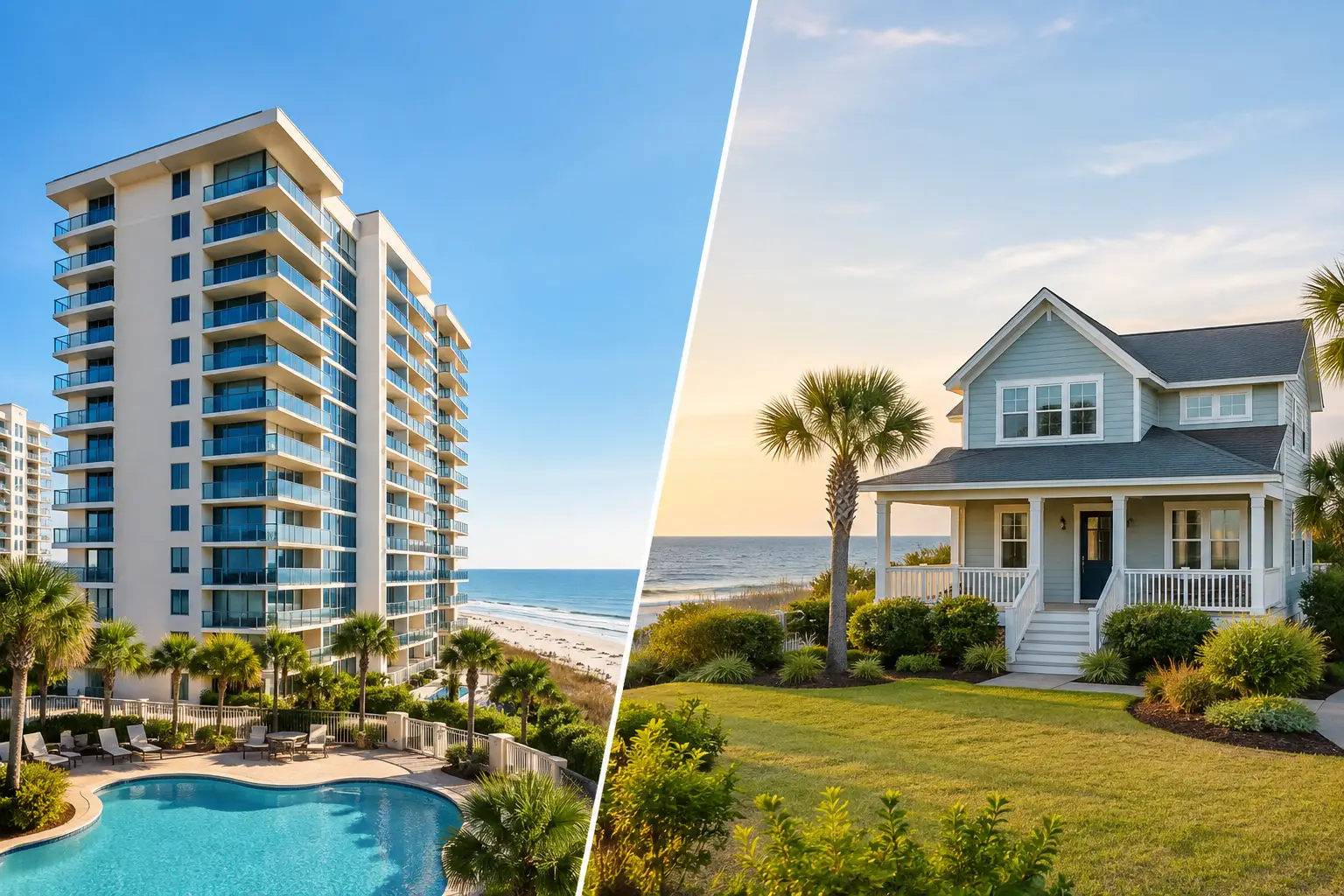
    A sunrise view over the Atlantic, an easy walk to dinner, a quiet screened porch, or a backyard for visiting family – the right coastal home looks different for every buyer. When comparing a Myrtle Beach SC condo vs house, the best choice is rarely about square footage alone. It comes down to how often you will use the property, how much maintenance you want to handle, your budget beyond the purchase price, and whether rental income is part of the picture.

    A condo can put you close to the beach with fewer individual chores. A house can offer breathing room, privacy, and more freedom to make the property your own. Both can be wonderful options along the Grand Strand, but they ask different things of an owner.

    Myrtle Beach SC Condo vs House: Start With Your Lifestyle

    For buyers who picture arriving on Friday, parking the car, and heading straight to the ocean, a condo can be especially appealing. Many condo communities offer amenities such as pools, elevators, fitness rooms, beach access, landscaping, and exterior maintenance. Instead of arranging for lawn care or worrying about a roof while you are away, you have an association responsible for much of the shared property.

    That convenience is meaningful for vacation-home buyers, retirees who travel, and owners who do not want weekends filled with repair projects. Oceanfront and near-ocean condos can also provide a front-row seat to the lifestyle that brings so many people to Myrtle Beach in the first place.

    A house often fits buyers who want the coast to feel more like home than a getaway. You may want a garage for beach gear, space for a dog, a garden, a private pool, or enough bedrooms to host children and grandchildren. A detached home can offer all of that, along with fewer shared walls and more control over daily routines.

    There is a location trade-off. In many areas, a house with a large lot may sit farther from the ocean than a condo with a beach view. That is not a drawback if you prefer a quieter residential setting, but it is worth being honest about how much a walkable beach lifestyle matters to you.

    Look Beyond the Purchase Price

    A condo’s purchase price may appear more approachable than a similarly located single-family home, especially near the water. But the monthly ownership cost deserves equal attention. Condo association dues can cover valuable services, yet they can also be substantial depending on the building’s amenities, age, insurance needs, staffing, and reserves.

    Before making an offer on a condo, review the association documents closely. Monthly dues are only one piece of the financial picture. Ask about what the fees cover, the building’s reserve funds, recent major repairs, pending projects, rental rules, pet policies, and any current or anticipated special assessments. An assessment is an added charge to owners for a major expense that the regular budget or reserves do not fully cover.

    With a house, there may be no HOA dues at all, or there may be modest community dues for amenities and common-area maintenance. That does not mean the house is automatically less expensive to own. The owner is responsible for the roof, exterior, landscaping, HVAC systems, plumbing, pest control, driveway, and every other repair that comes with a standalone property.

    A helpful way to compare properties is to estimate a full annual ownership budget, not just a mortgage payment. Include property taxes, homeowners insurance, flood insurance when applicable, HOA or condo dues, utilities, maintenance, and a reserve for repairs. If you are buying a second home, also include travel and property-management costs.

    Insurance Matters More at the Coast

    Coastal insurance deserves careful attention whether you choose a condo or a house. Wind coverage, deductibles, flood-zone status, elevation, building age, and distance from the coast can all affect costs. A lender may require flood insurance in certain areas, but even a property outside a required flood zone can face weather-related risk.

    For condos, understand the difference between the association’s master policy and the coverage you need for your individual unit. The master policy may insure the building structure and common areas, while your policy may need to cover interior finishes, personal property, liability, loss assessments, and other details. The exact responsibility depends on the association’s governing documents.

    For houses, you have more direct control over coverage choices, but you also carry responsibility for the entire structure. Older homes may have charm and a prime location, yet their roof age, electrical systems, plumbing, and construction features can influence insurability and premiums. A thorough inspection and insurance quote early in the buying process can prevent surprises later.

    Rental Plans Can Change the Answer

    If investment income is part of your plan, do not assume every beach property can be rented the same way. Some condo buildings are designed around short-term rentals and have onsite management, while others limit rental frequency or require longer lease terms. A house may offer strong rental appeal for larger groups, particularly if it has multiple bedrooms, outdoor space, or a pool, but local regulations and community rules still apply.

    The most rentable property is not always the best property for your personal use. A high-traffic building may perform well as a vacation rental but feel busy when you want a peaceful retreat. A residential neighborhood may be ideal for full-time living but have restrictions that make short-term rentals impractical.

    It also helps to be realistic about the work involved. Rental revenue can offset costs, but it comes with cleaning, repairs, linens, guest communication, management fees, occupancy swings, and wear on the home. Before relying on projected income, review comparable rental performance with a conservative eye and confirm the rules in writing.

    Maintenance: Shared Responsibility or Full Control?

    Condo ownership simplifies some maintenance, but it does not eliminate it. You still maintain the interior of your unit and contribute financially to the building’s larger needs through dues or assessments. Elevators, pools, roofs, parking structures, balconies, and exterior systems are expensive assets. Well-run associations plan ahead, communicate clearly, and maintain healthy reserves.

    A house puts the decisions in your hands. If you want to replace the landscaping, update a porch, add storage, or choose your own service providers, that freedom can be a major advantage. The other side is that there is no association stepping in when the roof leaks or the irrigation system fails.

    Buyers who enjoy home projects may see that responsibility as a benefit. Buyers who live out of state or prefer low-maintenance ownership may value the structure of condo living. Neither approach is better across the board. It is simply a question of where you want your time and money to go.

    Resale Is About Fit, Location, and Condition

    Both condos and houses can have strong resale appeal in the Myrtle Beach area. Location will always matter, but so will condition, layout, views, parking, amenities, rental flexibility, and the overall health of a community or neighborhood.

    For condo buyers, a well-maintained building with sound finances can be just as important as the unit itself. For house buyers, a functional floor plan, updated systems, outdoor living space, and manageable maintenance can widen the future buyer pool. A home close to the beach is attractive, but buyers also notice traffic patterns, flood considerations, neighborhood character, and everyday convenience.

    Avoid buying solely for a future resale story. Buy a property that works for your plans now, while keeping the next buyer in mind. That balanced approach usually leads to better decisions than chasing the trendiest address or the largest view.

    Questions to Answer Before You Choose

    Think through how you will use the property during an ordinary week, not only during a perfect summer vacation. Will you be here full time, several months a year, or a few long weekends? Do you want to walk to the beach, entertain a crowd, bring pets, rent to guests, or lock the door and travel without much worry?

    Then consider your tolerance for shared rules. Condo communities provide structure, but that structure may include limits on pets, parking, renovations, rentals, and exterior changes. A house can offer more flexibility, although an HOA may still have guidelines. Reading the rules before falling in love with a property is always easier than discovering a restriction after closing.

    The right coastal home should support the life you want to live, whether that means coffee on an oceanfront balcony or a backyard cookout after a day at the beach. Take time to compare the whole ownership experience, ask the practical questions early, and let your day-to-day priorities guide the decision.

  • Living Near the Intracoastal Waterway in Myrtle Beach, SC

    Living Near the Intracoastal Waterway in Myrtle Beach, SC

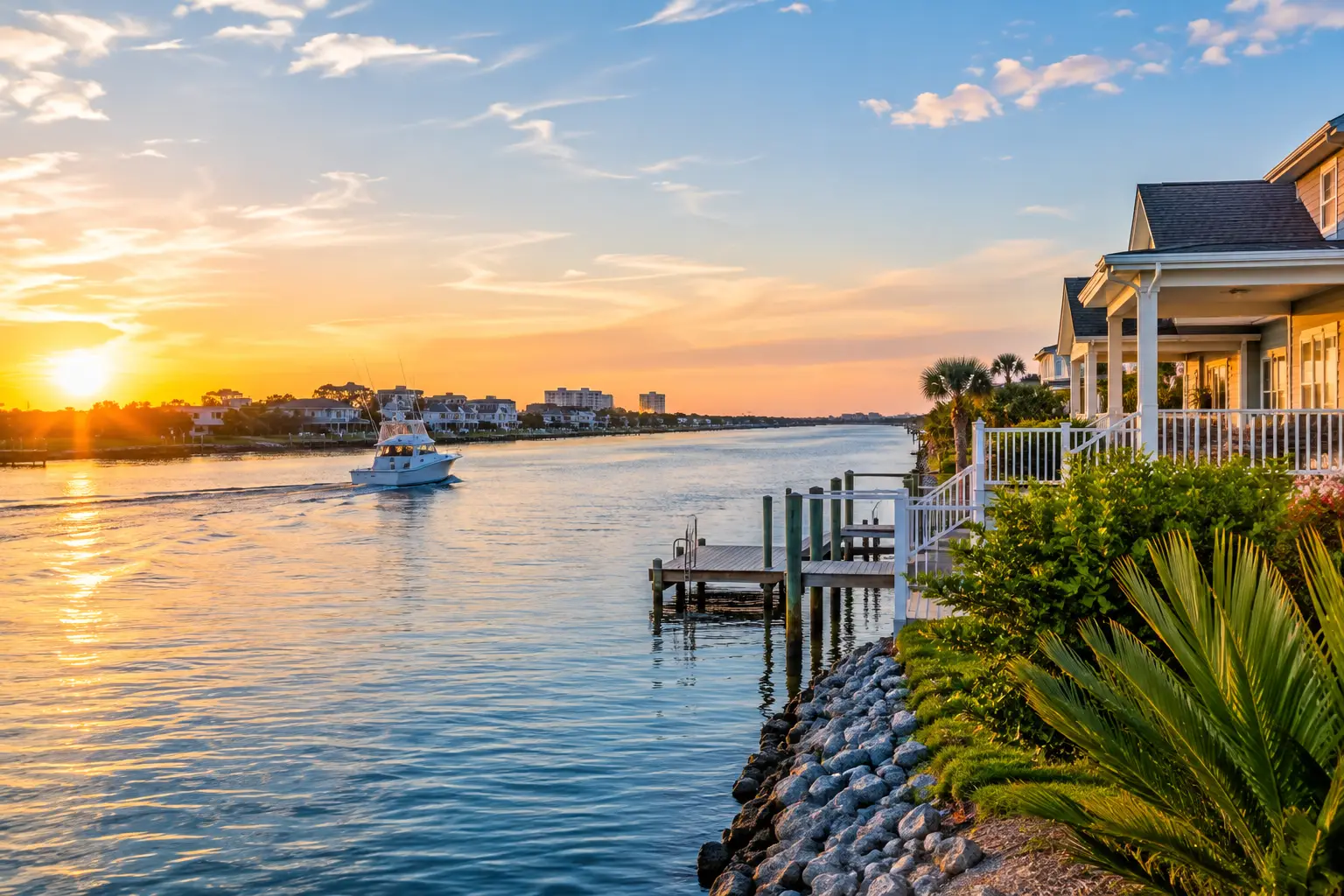
    The view can change the entire feel of a home. Along the Intracoastal Waterway, a morning coffee may come with passing boats, marsh birds, and a wide stretch of sparkling water instead of another row of rooftops. For buyers considering living near the intracoastal waterway in Myrtle Beach SC, that everyday scenery is a major draw – but it is only one part of the decision.

    Waterway living can be wonderfully relaxed, convenient, and full of coastal character. It can also bring practical questions about location, access, insurance, maintenance, and how close you truly want to be to the activity. The right home is not simply the one with a water view. It is the one whose setting works for the way you plan to live.

    What Waterway Living Feels Like

    The Intracoastal Waterway runs along the western side of the Myrtle Beach area, creating a different coastal experience from oceanfront living. Rather than the constant rhythm of beach traffic and salt air, waterway neighborhoods often feel more residential and tucked away, while still being close to restaurants, golf, shopping, medical care, and the beach.

    Many homeowners enjoy watching boats move through the water, taking an evening walk near the shoreline, or spending time on a dock when the property allows it. The waterway is especially appealing to boaters, anglers, and buyers who want a scenic backdrop without being directly on the ocean.

    That said, “near the waterway” can mean several different things. A home may sit directly on the water with a private dock, overlook the water from across a road or common area, or be located within a short drive of marinas and boat launches. Those distinctions affect the price, privacy, maintenance needs, and daily experience. A waterway view from a screened porch is very different from having boats and weekend activity just beyond your backyard.

    Where to Look Near the Intracoastal Waterway

    Waterway-adjacent options can be found throughout the greater Myrtle Beach area, including sections of Myrtle Beach, North Myrtle Beach, Little River, Carolina Forest, Socastee, and neighborhoods near the south end. Each area has its own pace and housing mix.

    In Myrtle Beach proper, buyers may find established communities, condos, townhomes, and newer construction within reach of the waterway. North Myrtle Beach and Little River often appeal to those looking for a slightly quieter setting, boating access, and a more laid-back coastal feel. Communities near Carolina Forest can offer newer homes and neighborhood amenities while remaining convenient to waterway recreation and major roads.

    A property does not have to be waterfront to deliver the lifestyle a buyer wants. Some buyers prefer a home a few streets away, where they can enjoy waterway access or nearby views without the premium attached to direct frontage. Others see the waterfront location as the whole point and are willing to make it a priority in their budget.

    The Home Choices Are More Varied Than Many Buyers Expect

    One of the pleasant surprises of the Myrtle Beach market is the variety around the waterway. A buyer may find a low-maintenance condo with a balcony view, a townhome in an amenity-rich community, a traditional single-family home on a wooded lot, or a custom waterfront home with a dock and outdoor living space.

    For a vacation home, a condo or townhome can be attractive because exterior maintenance is often handled through the homeowners association. Before assuming that makes ownership simple, review the association’s fees, rental rules, reserves, insurance coverage, and any restrictions on pets, parking, boats, or trailers.

    For a primary residence or retirement home, a single-family property may provide more privacy, storage, and room for guests. Buyers who own a boat should pay close attention to whether a dock is already in place, whether it conveys with the home, and what type of vessel the water depth and lift can accommodate. A beautiful waterfront lot does not automatically mean easy boating access.

    The Trade-Offs Worth Thinking Through

    Waterfront and water-adjacent homes deserve a little extra due diligence. This is not meant to take the fun out of the search. It is simply how a smart buyer protects both the lifestyle and the investment.

    Insurance is a key conversation. Flood zone designations, wind coverage, deductibles, elevation, and prior claims can all influence annual ownership costs. Two homes that look similar online can have very different insurance profiles, so it is wise to request insurance estimates early rather than waiting until the final days of a contract.

    Maintenance also matters. Moisture, humidity, wind, and salt in the coastal environment can be hard on exterior paint, decks, railings, windows, HVAC systems, and dock structures. A thorough home inspection is essential, and waterfront buyers may also need specialized inspections for seawalls, bulkheads, docks, lifts, or other marine features.

    Privacy and activity levels are personal. Some people love a lively waterway scene with boats, paddleboards, and neighbors enjoying the outdoors. Others want a quieter backyard and may prefer a home set back from the shoreline. Visit at more than one time of day if possible. A calm weekday morning and a busy holiday weekend can paint very different pictures.

    Buying Near the Intracoastal Waterway in Myrtle Beach

    Before falling in love with the view, spend time evaluating how the property functions. Start with the basics: access to the beach, grocery stores, medical services, restaurants, golf, and the roads you will use most often. Bridges and seasonal traffic can affect a routine more than buyers expect, particularly when a property is being considered for full-time living.

    Then look closely at the waterfront details. Ask whether the property has a private dock, a shared dock, deeded access, or simply a view. Confirm who is responsible for repairs and whether permits may be required for future improvements. If boating is a priority, consider water depth, tidal conditions, bridge clearance, navigation to open water, and where guests can park when they come along for the ride.

    For investment buyers, rental potential should be evaluated carefully rather than assumed. Some communities permit short-term rentals, some limit them, and others do not allow them at all. Rental income can also vary based on the home’s location, amenities, seasonality, furnishing, and management costs. A lovely waterway property can be a strong addition to a portfolio, but it should fit a realistic financial plan.

    A Few Smart Questions for Sellers, Too

    Owners preparing to sell a waterway-area home should make the setting easy for buyers to understand. Clear information about dock rights, water access, homeowners association requirements, recent improvements, and insurance history can help a buyer feel more confident.

    The view is often the feature that first catches attention, so outdoor spaces deserve care. A clean dock, well-kept deck, trimmed landscaping, and a porch staged for relaxing can help buyers picture themselves there. If the home has a waterway view but no direct access, say so plainly. The right buyer may still value that view enormously, and clear expectations build trust from the start.

    Let the Lifestyle Lead the Search

    Living near the waterway is not one-size-fits-all. Some buyers want a dock and a boat lift. Others want a quiet community where they can glimpse the water on an evening stroll. Some want a second home close to Myrtle Beach attractions, while others are looking for a peaceful full-time retreat with room for visiting family.

    The best next step is to define what waterway living means to you before comparing properties. Think about your favorite kind of morning, how often you expect to use the water, the maintenance you are comfortable taking on, and the expenses that fit comfortably into your plan. With thoughtful guidance from a local real estate professional such as Cyndy Otto, that waterside wish list can become a practical, personal path to the right home.

  • Myrtle Beach Home Appraisal vs. Market Value

    Myrtle Beach Home Appraisal vs. Market Value

    A beautiful ocean-view condo can feel priceless after a sunrise coffee on the balcony. But when it comes time to buy, sell, refinance, or make an offer, the number that matters can change depending on who is looking at the home and why. Understanding myrtle beach home appraisal vs market value helps take the surprise out of a transaction – especially in a coastal market where views, rental potential, insurance, and proximity to the water can all shape a property’s appeal.

    An appraisal and market value both relate to what a home is worth, but they are not interchangeable. One is an independent opinion developed for a lender. The other is the price a ready, willing buyer may realistically pay in the current market. Sometimes they match closely. Other times, there is a gap that buyers and sellers need to address thoughtfully.

    What Is a Home Appraisal?

    A home appraisal is a licensed appraiser’s professional opinion of a property’s value on a specific date. In most financed purchases, the buyer’s lender orders the appraisal after the home is under contract. The lender uses it to help determine whether the home supports the amount being borrowed.

    The appraiser evaluates the home’s condition, size, layout, features, location, and recent comparable sales. They do not simply confirm the contract price. Their assignment is to provide an impartial valuation based on market evidence, generally using sales that are similar in property type, location, and characteristics.

    For a Myrtle Beach-area property, the details behind those comparisons matter. A condo with a direct oceanfront view is not the same as one across the street from the beach. A home in Murrells Inlet with a private dock may require a different set of comparable properties than a newer inland home in Conway. In North Myrtle Beach, rental history, building amenities, monthly HOA dues, and the condition of the unit can all influence how an appraiser supports value.

    The lender receives the completed appraisal, although buyers are generally entitled to receive a copy. Sellers may not automatically receive it, but their agent can often help communicate relevant findings if the appraisal creates a contract issue.

    What Does Market Value Mean?

    Market value is the most likely price a property would bring when it is properly marketed and exposed to qualified buyers under normal conditions. It is not necessarily the highest price someone might offer in a particularly emotional moment, nor is it a number pulled from an automated online estimate.

    In real estate, market value is shaped by current buyer demand, competing inventory, recent sales, seasonality, condition, location, and the terms attached to an offer. A cash buyer who can close quickly may offer one price. A buyer who needs seller concessions, has a home to sell first, or requires specific financing may create a different value proposition for the seller.

    A real estate professional estimates market value through a comparative market analysis, often called a CMA. This analysis considers recently sold homes, active competition, homes that went under contract, expired listings, and the features buyers are responding to right now. It is a pricing tool, not an appraisal.

    That distinction matters because a market can move faster than closed-sale data. During a period of rising demand for beach homes or retirement properties, active listings and pending sales may suggest buyers are willing to pay more than the most recent closed comparables show. An appraiser may recognize that trend, but must still support the final opinion with credible data.

    Myrtle Beach Home Appraisal vs. Market Value: The Key Differences

    The simplest way to look at the difference is purpose. An appraisal protects the lender by measuring collateral for a loan. Market value helps a buyer or seller make a practical decision in the present marketplace.

    An appraisal is typically ordered by the lender, completed by a licensed appraiser, and tied to a particular loan transaction or refinance. Market value is assessed through active market knowledge and may evolve quickly as new listings appear, interest rates change, or buyers shift their attention between communities.

    Timing can also create a gap. Appraisals rely heavily on closed sales, which can lag several weeks or months behind the current market. A seller may receive multiple offers over list price because inventory is limited in a sought-after neighborhood. Yet if comparable closings do not support the agreed price, the appraisal may come in lower.

    On the other hand, a home can appraise at or above the contract price even when it has been listed too long or needs price adjustments to attract buyers. The appraisal does not guarantee that another buyer will pay the same amount if the current contract falls apart.

    Why Coastal Properties Can Be Harder to Compare

    Coastal real estate is wonderfully varied, which is part of its charm and part of the valuation challenge. Two homes with the same square footage can have very different buyer appeal based on their setting and ownership costs.

    For example, oceanfront, ocean view, second row, channel-front, golf course, and inland properties are distinct categories in many buyers’ eyes. Flood zone, elevation, beach access, parking, outdoor living space, rental restrictions, and storm protection can all affect value. A recently updated kitchen may help, but it may not carry the same weight as an unobstructed water view or a location within walking distance of the shore.

    Condominiums add another layer. Building age, elevator access, reserve funding, HOA financial health, rental rules, amenities, special assessments, and insurance costs can influence both buyer demand and lender approval. A unit’s gross rental income may be meaningful to an investment buyer, but an appraiser must use the appropriate valuation approach and comparable evidence for the assignment.

    This is why broad countywide averages rarely tell the whole story. A median sale price for Myrtle Beach may be interesting, but it cannot price a specific home in Garden City Beach, Pawleys Island, Little River, or Surfside Beach. The most useful comparisons are local, recent, and genuinely similar.

    What Happens If the Appraisal Is Lower Than the Contract Price?

    A low appraisal does not automatically end a sale. It starts a conversation. The options depend on the contract language, financing, each party’s goals, and how much flexibility exists.

    The buyer may bring additional cash to cover some or all of the difference. The seller may agree to reduce the price. The parties may meet somewhere in the middle, particularly when both want to keep the transaction moving. In some cases, the buyer and seller may adjust terms, such as credits or personal property, though any change should be handled carefully and within lender guidelines.

    If there are factual errors in the appraisal or better comparable sales were overlooked, the buyer’s lender may have a process for requesting reconsideration of value. This is not an opportunity to argue that the home simply feels worth more. It is a chance to provide relevant, verifiable market data the appraiser may consider.

    For sellers, the best preparation begins before the sign goes in the yard. Price the home based on strong local evidence, make needed repairs, present the property well, and document upgrades. A list of improvements with dates and approximate costs can be helpful during the appraisal visit. It will not force a higher value, but it gives the appraiser a clearer picture of what has been done.

    Smart Steps for Buyers and Sellers

    Buyers should avoid treating the appraisal as a guarantee that they are getting a bargain. It is one professional opinion for lending purposes, not a full inspection of condition or a promise of future appreciation. Keep the inspection process separate, review the property’s carrying costs carefully, and make sure the purchase still fits your plans for a primary residence, vacation home, retirement move, or investment.

    Sellers should not assume the highest nearby sale automatically sets their home’s value. A top sale may have had a renovated interior, a larger lot, a premium view, or unusually favorable terms. The right list price is one that reflects the home’s individual strengths while giving buyers confidence that the value is supportable.

    For both sides, a well-prepared comparative market analysis before an offer or listing can make a meaningful difference. It helps set realistic expectations, identify the strongest comparable sales, and anticipate questions an appraiser or lender may raise later.

    A coastal home is more than its bedroom count or a number on a report. Still, clear-eyed pricing and a good understanding of the appraisal process create room for the lifestyle decision to shine. When you know which value is being discussed and why, you can move forward with fewer surprises and more confidence in the home that feels like the right fit.

  • Moving to Myrtle Beach SC From New York Guide

    Moving to Myrtle Beach SC From New York Guide

    A January morning can make the idea of trading a New York snow shovel for a Myrtle Beach golf cart feel pretty appealing. But moving to Myrtle Beach SC from New York is more than a weather change. It is a shift in pace, housing style, daily routines, and the way you choose a neighborhood. The best move is one that fits the life you want on an ordinary Tuesday, not just a sunny week at the beach.

    For some buyers, that means a low-maintenance condo close to restaurants and the ocean. For others, it means a newer home inland with more space, a screened porch, and room for visiting family. Myrtle Beach and the surrounding Grand Strand offer both, but each area comes with its own costs, character, and practical considerations.

    What Feels Different After Leaving New York

    The first adjustment is often the pace. The Myrtle Beach area is active, especially during spring and summer, but daily life can feel less compressed than the New York metropolitan area. Errands generally require a car, traffic has a seasonal rhythm, and a quick trip across town can take longer than a map suggests during peak visitor months.

    The climate is the obvious draw. Winters are mild compared with New York, and many residents enjoy being outdoors through much of the year. The trade-off is heat, humidity, pollen, and hurricane season. A home with good air conditioning, shade, storm-ready features, and a comfortable outdoor living area can matter just as much as the view.

    New York transplants also notice the difference in community layout. Walkable pockets exist, particularly near the beach and in established downtown areas, but the region was built around driving. Before buying, take the routes you expect to use: grocery stores, medical appointments, airports, restaurants, golf, the beach, and the places you expect visitors to enjoy.

    The Cost of Living Is Not One Simple Number

    Many people begin their search expecting South Carolina to be dramatically less expensive than New York. In many cases, it can be, especially compared with New York City, Long Island, Westchester, or parts of the Hudson Valley. Yet housing savings do not automatically make every monthly expense lower.

    Property taxes may be favorable for a primary residence, but insurance deserves close attention near the coast. Homeowners insurance, wind coverage, flood insurance, and deductibles can vary substantially by location, elevation, construction type, and proximity to water. A beautiful coastal home with a lower purchase price may carry a different insurance picture than an inland home built to newer standards.

    South Carolina has a state income tax, which is a consideration for people leaving states with different tax structures. Retirement income, employment income, investment property income, and residency rules all deserve a conversation with a qualified tax professional. The right choice is personal, particularly for buyers who are retiring, keeping a New York business, or splitting time between two homes.

    It also helps to budget for the less glamorous parts of a move: vehicle registration, furnishings for a larger home, utility deposits, HOA fees, lawn care, pest service, and occasional storm preparation. A realistic budget creates room to enjoy the coastal lifestyle once you arrive.

    Choosing a Myrtle Beach Area That Matches Your Life

    “Myrtle Beach” is often used as a catchall, but the metropolitan area offers very different living experiences. The right fit depends on whether you want resort energy, a quiet neighborhood, boating access, a downtown feel, or a home that works well for frequent guests.

    Closer to the Beach

    Myrtle Beach, North Myrtle Beach, Surfside Beach, Garden City Beach, and the communities around Murrells Inlet put you close to sand, dining, entertainment, and water activities. Condos and townhomes can provide easier maintenance and strong vacation-home appeal, while single-family homes offer more privacy and space.

    The closer you are to the ocean, the more carefully you should review flood zones, insurance, HOA regulations, rental rules, parking, and building maintenance. Oceanfront living has a special kind of magic, but it is not a set-it-and-forget-it purchase.

    Inland and More Residential

    Conway, Longs, Loris, and other inland communities can offer newer construction, larger lots, and more value for buyers who do not need to see the ocean from their porch. Conway, in particular, has a historic downtown atmosphere, local shops, and access to the Waccamaw River. These areas can be a good match for full-time residents seeking a neighborhood feel while remaining within driving distance of the beach.

    South of Myrtle Beach

    Pawleys Island and Georgetown appeal to buyers looking for a slower, more Lowcountry-centered lifestyle. The scenery, waterways, and historic character are a major part of the draw. These areas may be especially attractive to those who want coastal access without being in the center of the Grand Strand’s busiest visitor activity.

    A few visits in different seasons are worth more than hours of online browsing. See a neighborhood on a summer weekend, then imagine it during a quiet winter week. Listen for road noise, check grocery access, and ask yourself whether you will enjoy the location when relatives are not in town and the beach is not on the day’s agenda.

    New Construction or an Existing Coastal Home?

    New construction is popular throughout Horry and Georgetown Counties. Buyers often appreciate modern floor plans, energy efficiency, warranties, and the ability to choose finishes. Communities may include pools, fitness centers, walking paths, or lawn maintenance, which can be especially appealing for retirees and second-home owners.

    Still, a model home can make it easy to overlook details. Ask what is included in the base price, how long the build may take, whether lots have premium fees, and what future construction is planned nearby. Review the HOA documents and understand any restrictions related to fencing, exterior changes, pets, parking, or rentals.

    Existing homes can offer established landscaping, mature neighborhoods, and locations closer to the water or older commercial areas. They may also come with a roof, HVAC system, crawl space, dock, or drainage history that needs a careful inspection. In coastal real estate, an inspection is not merely a box to check. It is an opportunity to understand how the home has been maintained in a humid, storm-prone environment.

    Practical Steps for Moving From New York

    If you are still in New York, begin with a clear timeline. A permanent move, a retirement transition, and the purchase of a vacation home all require different decisions. Consider whether you will sell your current home first, buy before selling, or rent locally for a few months while you learn the area.

    For buyers who plan to use a mortgage, speak with a lender early. Pre-approval helps define a comfortable price range, but it also prepares you for questions involving second homes, investment use, retirement income, self-employment, or an out-of-state sale. If a property has an HOA, lender requirements may depend on the community’s financial health and rental mix.

    Plan the move around the calendar when possible. Summer can be exciting but busy, while late fall and winter often make it easier to experience a community’s year-round personality. If you are buying remotely or making short house-hunting trips, prioritize a small group of areas rather than trying to cover the entire coast in one weekend.

    A local real estate professional can help turn broad preferences into useful comparisons: condo versus single-family home, beachside versus inland, gated community versus no HOA, or South Carolina versus nearby Brunswick County, North Carolina. Cyndy Otto works with buyers across the Myrtle Beach area and coastal North Carolina, where a slightly different location can sometimes make a meaningful difference in lifestyle and value.

    Make Room for the Life You Actually Want

    The most satisfying coastal moves are not always the ones with the closest beach access or the biggest house. They are the ones that support your routines, budget, guests, hobbies, and comfort through every season. Give yourself permission to compare a few different versions of coastal life before making an offer. The right home should make the move from New York feel less like a leap and more like arriving where your next chapter belongs.

  • Best Communities Near Myrtle Beach SC to Call Home

    Best Communities Near Myrtle Beach SC to Call Home

    A sunrise walk on the beach, fresh seafood close to home, and a neighborhood that feels right after the vacation crowds head out – that is the real appeal of living along the Grand Strand. The best communities near Myrtle Beach SC are not all the same, and that is good news for buyers. Whether you want a golf-cart-friendly beach town, a quiet coastal cottage, a new-construction community, or more space inland, there is a corner of the coast that can fit your everyday life.

    The best choice comes down to how you plan to use the home. A primary residence has different needs than a rental-minded condo or a lock-and-leave second home. Start with the lifestyle you want on an ordinary Tuesday, not only the one you picture during a perfect beach weekend.

    Best Communities Near Myrtle Beach SC for Beach Living

    North Myrtle Beach

    North Myrtle Beach is a natural choice for buyers who want the coast to be part of their daily routine. It has a relaxed beach-town feel while still offering restaurants, shopping, golf, live entertainment, and plenty of ways to get outdoors. Neighborhoods range from oceanfront condos and townhomes to established single-family homes and gated communities.

    This area can work especially well for second-home buyers and investors because visitors recognize the name and enjoy the easy access to beaches, attractions, and dining. For full-time residents, the key is narrowing the search to a location that matches your tolerance for seasonal traffic and activity. Living a few blocks or a few miles from the ocean can change both the price point and the day-to-day pace.

    Surfside Beach and Garden City Beach

    Surfside Beach has earned its reputation as a friendly, family-oriented place to live. It is close enough to Myrtle Beach for convenience but offers a more residential feel, with homes, beach cottages, condos, and neighborhoods tucked just west of the shoreline. Buyers often appreciate having the beach nearby without feeling surrounded by the larger resort scene.

    Just south, Garden City Beach is known for its marsh views, inlet access, and mix of vacation properties and full-time residences. Waterfront living here can be beautiful, but it deserves a careful look at flood zones, insurance costs, elevation, and property maintenance. A home with a dock or a view can be a wonderful fit, as long as the practical side of coastal ownership is part of the plan.

    Murrells Inlet

    For many buyers, Murrells Inlet feels like the sweet spot between coastal charm and everyday livability. The community is known for the MarshWalk, waterfront restaurants, boating, fishing, and a well-established residential character. It is also near Huntington Beach State Park and Brookgreen Gardens, which adds a quieter, nature-focused side to the area.

    Housing choices include condos, traditional neighborhoods, newer communities, and homes near the inlet or golf courses. Murrells Inlet can be a strong option for retirees and primary residents who want dining and recreation close by but prefer a less tourist-centered setting than central Myrtle Beach. Waterfront and marsh-front homes often come with a premium, while homes farther inland may offer more square footage for the budget.

    Pawleys Island and Litchfield

    Pawleys Island and nearby Litchfield appeal to buyers who want a slower, more refined coastal rhythm. This is a place for long beach walks, historic character, golf, and neighborhoods shaded by live oaks. It sits farther south of Myrtle Beach, which can make it feel more removed from the busiest resort corridors.

    The trade-off is that buyers may pay more for proximity to the water, mature landscaping, and the area’s sought-after atmosphere. It is also wise to think about commuting, grocery access, and how often you expect to travel north for work, entertainment, or the airport. For the buyer who values calm, natural beauty, and a coastal home that feels distinctly Lowcountry, Pawleys Island remains a favorite.

    Communities With More Space and Everyday Convenience

    Conway

    Conway is a smart choice for buyers who love the coast but do not need to live directly beside it. This historic river town offers a walkable downtown, local restaurants, schools, and a broader mix of established homes and newer construction. Many buyers find they can get more home, yard, or neighborhood amenities here than closer to the ocean.

    Conway can be especially appealing for year-round residents, families, and anyone who wants a little separation from beach traffic. The ride to Myrtle Beach is manageable for many people, but it is still worth driving the route at the times you would actually use it. A community that feels convenient at 11 a.m. may feel very different during a summer evening or holiday weekend.

    Longs and Little River

    Longs offers growing residential options north of Myrtle Beach, including newer homes and communities where buyers may find more space at a comfortable price point. It is a practical location for those who want access to North Myrtle Beach, Little River, and the North Carolina line without paying for an oceanfront address.

    Little River has a personality all its own. Known for its waterfront dining, marinas, fishing charters, and annual Blue Crab Festival, it offers a laid-back coastal setting with a local feel. Buyers can find everything from condos near the Intracoastal Waterway to established homes and newer developments. It is a particularly good area to consider if boating, fishing, or quick trips into southeastern North Carolina are high on your wish list.

    Loris

    For buyers seeking a quieter, more rural pace, Loris deserves a look. Located inland from the beach, it offers open spaces, small-town character, and homes that may provide more land than coastal locations. This is not the choice for someone who wants to walk to the sand, but it can be a meaningful fit for those who value privacy, a larger yard, and a lower-key daily routine.

    The decision here is mostly about lifestyle. If beach access is an occasional pleasure rather than a daily requirement, the value and space available inland may be very appealing.

    What Makes a Community the Right One?

    A beautiful house is only part of the decision. Before falling in love with a neighborhood, consider the details that shape ownership over time: homeowners association rules and fees, rental restrictions, insurance estimates, flood-zone information, parking, road access, and maintenance expectations. A condo with a lower purchase price may carry monthly fees that change the long-term budget. A home near the water may require more attention to exterior care, wind coverage, and drainage.

    For second-home and investment buyers, rental rules deserve special attention. Short-term rental policies can differ not only by town but also by individual community and building. A property that looks ideal for rental income may have restrictions on minimum stays, owner use, pets, or management. Those rules should be reviewed before an offer, not after closing.

    For primary residents, think beyond the home itself. Test the commute, visit nearby stores, and spend time in the area at different hours. Notice whether you want sidewalks, golf-cart access, a pool, a marina, a social clubhouse, or simply a peaceful street. There is no universal winner among the best communities near Myrtle Beach SC because the right neighborhood is personal.

    Looking Just North of the South Carolina Line

    Buyers searching the Myrtle Beach area should not overlook nearby Brunswick County, North Carolina. Calabash, Sunset Beach, Ocean Isle Beach, Shallotte, Holden Beach, Oak Island, and Southport each bring a different version of coastal living. Some buyers find that crossing the state line opens up a better fit for their preferred home style, budget, tax considerations, or distance from the busiest beach corridors.

    Calabash is convenient to North Myrtle Beach and has a well-known seafood-town charm. Ocean Isle Beach and Sunset Beach offer a more relaxed island atmosphere, while Shallotte provides shopping and practical conveniences nearby. Farther north, Southport has a historic waterfront character that attracts buyers looking for a walkable coastal town with a strong sense of place.

    The right search often includes both sides of the border, especially when the goal is a home that feels good year-round rather than simply one that checks a map box.

    When you are ready to compare neighborhoods, bring a simple list of non-negotiables and a second list of nice-to-haves. A trusted local real estate professional can help you weigh the charming details against the important ones, so the home you choose is ready for your beach days and your real life.

  • Best Places to Retire Near Myrtle Beach, SC

    Best Places to Retire Near Myrtle Beach, SC

    Retirement on the Grand Strand can look very different depending on where you land. The best places to retire near Myrtle Beach SC are not always the addresses closest to the sand. For some buyers, the right fit is a low-maintenance condo with restaurants nearby. For others, it is a quiet neighborhood with room for visiting family, a golf cart in the garage, and an easy drive to the beach.

    The good news is that the Myrtle Beach area and nearby Brunswick County offer plenty of choices. The trick is looking beyond a postcard view and choosing a community that supports the way you want to live year-round.

    Still comparing coastal communities? Explore our guide to 12 Best Coastal Towns Near Myrtle Beach for a closer look at communities across South Carolina and southeastern North Carolina before deciding where to retire.

    Myrtle Beach: Convenience, Energy, and Everyday Options

    Myrtle Beach appeals to retirees who want activity close at hand. Medical offices, shopping, dining, entertainment, golf, and the ocean are all part of daily life here. It can be a smart choice for buyers who do not want to feel tucked away from services or who expect to have frequent guests.

    The city has a wide range of housing, from oceanfront condos to established single-family neighborhoods and newer communities farther inland. This variety can make Myrtle Beach approachable for different budgets, but it also means buyers need to compare locations carefully. A peaceful residential street and a busy vacation corridor can be only a few miles apart.

    For full-time retirement, consider how a property feels in July as well as January. Traffic, short-term rental activity, parking, and seasonal crowds may matter more once the vacation glow wears off. Condos can offer attractive convenience, but monthly HOA fees, building rules, insurance costs, and rental policies deserve a close review.

    North Myrtle Beach: A Relaxed Coastal Rhythm

    North Myrtle Beach is often a favorite for retirees who want beach access with a slightly more laid-back feel. Cherry Grove, Ocean Drive, and the surrounding neighborhoods provide a mix of classic beach character, newer homes, condos, and golf-course communities.

    This area works especially well for people who picture morning walks near the water, casual seafood dinners, and easy access to the North Carolina state line. It also has a strong second-home market, so some communities may feel livelier during peak travel periods and quieter in the off-season.

    Homes farther west of Highway 17 can offer more space and a more residential atmosphere while keeping the beach within a reasonable drive. The trade-off is that you may use your car more often. For many retirees, that is a fair swap for a driveway, garage, and fewer visitors passing by the front door.

    Little River: Waterfront Character Without the Resort Pace

    Just north of North Myrtle Beach, Little River has a longtime coastal community feel. It is known for its waterfront dining, boating culture, fishing, and proximity to area golf courses. Buyers who enjoy being near the Intracoastal Waterway or want a calmer setting often put Little River on their shortlist.

    There are condos, townhomes, and single-family homes in a range of settings, including waterfront and golf communities. Little River is also convenient to North Myrtle Beach amenities without placing you directly in the center of a resort area.

    Waterfront living comes with practical questions. Flood zones, wind coverage, elevation, dock access, and insurance costs can change the true cost of ownership. A home with a beautiful water view can be a wonderful retirement choice, but it should be evaluated as carefully as any financial decision.

    Conway: More Space, History, and a Hometown Feel

    Conway offers a different version of coastal retirement. Located inland along the Waccamaw River, it has a historic downtown, mature trees, local restaurants, and a sense of community that many buyers appreciate. The beach is still accessible, but everyday life feels less centered on tourism.

    Retirees often consider Conway when they want a larger home, a quieter neighborhood, or a more traditional small-town setting. New construction is also available in and around the area, which can be appealing if low-maintenance features and modern layouts are priorities.

    The main trade-off is distance from the ocean. A beach morning is still easy enough, but it is more of an outing than a quick walk. For buyers who value space, neighborhood feel, and access to the Conway medical and shopping corridor, that trade-off may be well worth it.

    Murrells Inlet and Garden City Beach: Coastal Living With Local Flavor

    South of Myrtle Beach, Murrells Inlet and Garden City Beach offer a strong blend of water, dining, and established coastal neighborhoods. Murrells Inlet is especially popular with people who love boating, marsh views, fresh seafood, and a community that feels active without being overly commercial.

    Garden City Beach places you closer to the ocean and inlet lifestyle, with homes ranging from beach cottages to condos and residences in nearby communities. These areas can be a lovely fit for retirees who want their surroundings to feel distinctly coastal every day.

    As with any property near the water, the details matter. Some homes have stairs, limited parking, or higher insurance requirements. If you plan to age in place, think about entryways, first-floor living, bathroom layout, and how easy it will be to manage the home five or ten years from now.

    Surfside Beach: Small-Town Beach Appeal

    Surfside Beach has a friendly, residential reputation that draws retirees who want to be close to Myrtle Beach without living in its busiest areas. The town has beach access, neighborhood restaurants, and a compact footprint that can make daily errands feel manageable.

    Housing inventory can be competitive, particularly for homes close to the ocean. Buyers may need to decide whether proximity to the beach is worth a smaller lot, an older home, or a higher price point. Looking just beyond the immediate beachfront area may reveal more practical options while preserving the coastal lifestyle.

    Pawleys Island and Georgetown: Lowcountry Calm

    For retirees seeking scenery and a slower pace, Pawleys Island and Georgetown deserve a close look. Pawleys Island is known for its relaxed Lowcountry style, beautiful beaches, golf, and natural surroundings. It tends to appeal to buyers who prefer understated coastal living over a high-energy resort scene.

    Georgetown adds historic charm, a working waterfront, and a walkable downtown area. It can be a rewarding choice for people who enjoy local history, art, boating, and a smaller-town atmosphere. These communities are farther from Myrtle Beach’s major retail and entertainment centers, so the right choice depends on how often you want those conveniences nearby.

    Just Across the Line: Brunswick County, North Carolina

    Retirement searches near Myrtle Beach often extend into Brunswick County. Calabash, Sunset Beach, Ocean Isle Beach, Shallotte, Southport, Holden Beach, and Oak Island each offer their own version of coastal living. For buyers coming from out of state, crossing the state line can open up a different selection of homes, taxes, communities, and lifestyle options.

    Calabash is convenient to the North Myrtle Beach area and has long been associated with seafood, golf, and easy coastal access. Ocean Isle Beach and Sunset Beach appeal to buyers who want a quieter beach-town setting, while Shallotte offers everyday services and a practical inland location. Southport has a charming historic feel, and Holden Beach and Oak Island are well suited to those who want a more traditional barrier-island atmosphere.

    A North Carolina address may be the better fit if you want a quieter pace, but it is wise to consider your preferred doctors, airport route, shopping habits, and how often you expect to travel into South Carolina. State taxes, vehicle registration, insurance, and property taxes should also be part of the conversation.

    How to Choose the Right Retirement Community

    Start with your ordinary Tuesday, not your ideal vacation week. Picture where you will buy groceries, see a doctor, walk the dog, meet friends, and spend a rainy afternoon. That picture usually tells you more than a view from a balcony.

    It helps to separate your non-negotiables from your nice-to-haves. Beach proximity, a first-floor primary suite, a gated community, a pool, low HOA dues, room for grandchildren, or a marina nearby can all be important. Few homes offer every feature, so knowing which ones matter most makes decisions clearer.

    Before writing an offer, review the property’s flood zone, insurance history, HOA documents, rental restrictions, and maintenance responsibilities. For condos, ask about reserves, planned assessments, rental rules, and what the monthly fee actually covers. For new construction, understand the builder warranty, included features, lot location, and expected completion timeline.

    The coast offers plenty of beautiful retirement possibilities, from lively Myrtle Beach neighborhoods to quieter Lowcountry and Brunswick County communities. The right home is the one that makes your everyday life feel easier, more connected, and a little more like the coastal chapter you have been looking forward to.

    Planning Your Retirement on the Carolina Coast?

    Choosing where to retire involves more than finding the right house. Explore Cyndy’s Carolina Coast Relocation Guide to help you compare communities and plan your next chapter in coastal South Carolina or North Carolina.

  • Affordable Towns Near Myrtle Beach to Consider

    Affordable Towns Near Myrtle Beach to Consider

    A home near the Grand Strand does not have to mean paying oceanfront prices or settling for a location that does not feel like home. Some of the most appealing affordable towns near Myrtle Beach sit a short drive from the sand, with room for everyday life: grocery stores, local restaurants, medical care, golf, boating, and neighborhoods where neighbors still wave from the driveway.

    The right town depends on what “affordable” means to you. For one buyer, it may mean a lower purchase price. For another, it is a manageable monthly payment after insurance, taxes, HOA dues, and maintenance. Retirees may value convenience and a quieter pace, while a vacation-home buyer may prefer rental potential and easy beach access. A little distance from the ocean can stretch a budget, but it also changes the lifestyle, commute, and flood-risk picture.

    What makes a coastal town affordable?

    Looking at the list price alone can be misleading. A condominium close to the beach may look attainable at first glance, but its HOA fees, insurance needs, rental restrictions, and special assessments can change the true cost of ownership. On the other hand, a single-family home farther inland may offer more square footage, a garage, or a yard while keeping recurring costs easier to plan for.

    Location matters in smaller ways, too. Consider how often you will drive to the beach, medical appointments, airports, dining, or family activities. A home that is 20 minutes inland may be an excellent value if you plan to live there full time. If your dream is morning walks on the shore every day, paying more to be closer may be worth it.

    New construction can also be part of the affordability conversation. A newer home may require less immediate maintenance and offer modern layouts, but lot premiums and community fees vary widely. Existing homes can provide mature neighborhoods and character, though an inspection may reveal upgrades to budget for. Neither path is automatically better – it comes down to the home, the community, and your plans for it.

    Affordable towns near Myrtle Beach worth a closer look

    Conway, South Carolina

    Conway is often one of the first places buyers explore when they want access to Myrtle Beach without living in the center of the tourist corridor. Located inland along the Waccamaw River, it has a historic downtown, tree-lined streets, local shops, and a more year-round residential feel.

    Many buyers find that Conway offers more choices in traditional single-family homes, newer subdivisions, and established neighborhoods than oceanfront communities. It can be especially appealing for primary residents who want daily conveniences, schools, and a sense of place beyond the beach season. The trade-off is that beach access takes a drive, and traffic on major routes can be heavier during peak visitor periods.

    Longs, South Carolina

    Longs is a practical choice for buyers who prioritize space, newer construction, and value. It sits north of Myrtle Beach and inland from North Myrtle Beach, with growing residential development and a quieter setting than the coast.

    For a buyer seeking a primary residence, Longs can offer a useful middle ground: close enough for beach days and dining in North Myrtle Beach, but removed from the activity of the shoreline. It is also worth considering for retirees who prefer a newer home and a less crowded daily routine. Before choosing a community, review HOA rules carefully, particularly if you may eventually use the property as a second home or rental.

    Loris, South Carolina

    Loris is farther inland and has a small-town character that can be a strong fit for buyers focused on a lower-cost entry into the coastal region. Homes may offer more land or square footage than comparable properties nearer the water, and the pace is generally quieter.

    This is not the right fit for every beach buyer. A trip to the ocean is more of an outing than a quick errand, and amenities are more limited than in larger nearby towns. Still, for people who want room to spread out, a country-leaning setting, or a lower price point while remaining within reach of the Grand Strand, Loris deserves a look.

    Little River, South Carolina

    Little River brings a different kind of coastal living. Known for its waterfront atmosphere, fishing culture, marinas, and seafood restaurants, it offers access to the coast without the constant bustle found in central Myrtle Beach.

    Affordability here depends heavily on the property type and proximity to the water. Waterfront and marina-adjacent homes can carry a premium, while inland neighborhoods or condos may offer more approachable options. Little River can work well for a second-home buyer who wants a coastal setting, as well as retirees who appreciate nearby restaurants, golf, and North Myrtle Beach conveniences.

    Surfside Beach and Garden City Beach, South Carolina

    Surfside Beach and Garden City Beach are beloved for their relaxed, family-friendly coastal feel. They are often less hectic than central Myrtle Beach, yet they remain close to beaches, shopping, Murrells Inlet dining, and local attractions.

    These towns may be less affordable than inland choices, particularly for homes within walking distance of the ocean. But buyers should not write them off based on a first search. A smaller condo, an older home needing cosmetic updates, or a property slightly west of the beach can create opportunities. The key is to calculate the full ownership cost, especially flood insurance, wind coverage, HOA fees, and any restrictions related to short-term rentals.

    Murrells Inlet, South Carolina

    Murrells Inlet has a well-earned reputation for waterfront dining, marsh views, boating, and a relaxed Lowcountry lifestyle. It is popular with full-time residents, second-home owners, and retirees who want to be close to the water without choosing a high-rise beach market.

    Prices can vary sharply from one neighborhood to another. Homes near the inlet, marsh, or golf courses may cost more, while communities farther from the water can provide better value. Buyers who love the area should compare more than one property style. A patio home, townhome, or condo may deliver the location and lifestyle they want at a different price point than a detached home.

    Calabash and Shallotte, North Carolina

    Just across the state line, Calabash and Shallotte are smart additions to a coastal home search. Calabash is known for its seafood restaurants and easy access to Sunset Beach, Ocean Isle Beach, and North Myrtle Beach. Shallotte offers more commercial conveniences, health care options, and a broader mix of residential communities.

    For buyers considering North Carolina, these towns can offer strong value compared with some beachfront markets. They are especially worth comparing if your wish list includes a newer home, a golf community, or a low-maintenance second home. However, crossing the state line can affect taxes, insurance choices, lending details, and the services you use, so it helps to view the decision as more than a map search.

    A smarter way to compare towns

    Start by choosing your non-negotiables. Perhaps you need a first-floor primary suite, room for visiting family, a garage, a gated neighborhood, or a community that permits rentals. Then decide which conveniences must be nearby and which ones you are willing to drive for.

    Next, compare homes using monthly ownership costs rather than sale price alone. Ask for estimates that include principal and interest, property taxes, homeowners insurance, flood coverage when applicable, HOA dues, and likely utility costs. If you are buying a condo or townhome, review the association’s financial health, rules, master insurance coverage, and any pending assessments.

    Finally, visit at the pace you expect to live. Drive the route to the beach. Stop at the grocery store. Have lunch in town. Check the trip to the airport or medical providers. A neighborhood can look perfect in a listing and feel entirely different on a busy Saturday afternoon or a rainy weekday.

    Finding value near the coast is less about chasing the lowest price and more about choosing a home that fits comfortably into the life you want to lead. With a clear budget, honest trade-offs, and time to compare communities, the right coastal address can feel like a very good find.

  • Retiring in North Myrtle Beach SC Made Simple

    Retiring in North Myrtle Beach SC Made Simple

    A morning walk near the water, a tee time after breakfast, and dinner with friends before the summer sunset – that is the picture many people have when they begin considering retiring in North Myrtle Beach SC. It is an appealing picture, and for many retirees it can become everyday life. The key is matching that coastal lifestyle with the right neighborhood, home type, budget, and expectations.

    North Myrtle Beach offers a more relaxed pace than the busiest stretches of Myrtle Beach while still providing access to restaurants, medical care, entertainment, shopping, and an active calendar of local events. It can be a wonderful place to settle in, but a smart retirement move starts with looking beyond the view from the balcony.

    Why Retiring in North Myrtle Beach SC Appeals to So Many

    North Myrtle Beach is made up of distinct communities, each with its own feel. Ocean Drive has its beach-town energy and shag-dancing heritage. Cherry Grove is known for wide beaches, channels, and a residential coastal character. Barefoot Resort and nearby planned communities offer golf, amenities, and a convenient location close to dining and shopping. Little River, just north of town, often appeals to buyers who want a quieter setting near marinas and waterfront restaurants.

    For retirees, variety is part of the appeal. You can spend a quiet weekday morning fishing, visiting a local market, or walking the beach, then choose from golf, live music, festivals, boating, and restaurants when you feel social. The area is also convenient for day trips to Wilmington, Charleston, Southport, and the Brunswick County beaches just across the state line.

    The weather is another big factor. Winters are generally mild compared with much of the country, which makes it easier to enjoy outdoor living for much of the year. The trade-off is a long, humid summer and the need to take hurricane season seriously. Many residents find the climate well worth it, especially if they are ready to exchange snow shovels for sunscreen and an occasional rainy-day plan.

    Start With the Retirement Lifestyle You Actually Want

    Before touring homes, think about how you want an ordinary Tuesday to look. A beachfront condo can be ideal for someone who wants to walk to the sand and prefers low-maintenance living. A golf community may suit a buyer who values recreation, neighborhood activities, and access to amenities. A single-family home farther inland may offer more privacy, storage, a yard for a dog, or room for visiting family.

    There is no single best choice. A condo may reduce exterior maintenance, but it can come with homeowners association fees, rental activity, parking rules, and restrictions on pets or renovations. A detached home may provide more flexibility, though landscaping, repairs, and storm preparation become more hands-on.

    It also helps to decide whether you want to be in the center of the action or close enough to enjoy it when you choose. Areas nearest the ocean can be lively in peak season. Communities a short drive inland may offer a more residential rhythm, often with more square footage for the money. The right answer depends on whether you light up around visitors and activity or value a quieter place to come home to.

    Visit Like a Resident, Not Just a Vacationer

    A weekend trip in perfect weather can make any coastal town look flawless. If possible, visit at different times of year and spend time in the areas you are considering. Drive to the grocery store, pharmacy, medical offices, and favorite restaurants. Check the route at the time of day you would normally travel.

    Pay attention to beach-season traffic, road noise, nearby construction, and how a neighborhood feels after dark. Ask how the community changes when vacation rentals are full. Some buyers enjoy the seasonal buzz, while others prefer a neighborhood with mostly full-time residents.

    Build a Coastal Budget With the Full Picture

    Home price is only one part of the cost of living near the coast. South Carolina property taxes can be favorable for qualifying owner-occupied primary residences, but your individual tax situation deserves a conversation with a qualified tax professional. If you are buying a second home before making the move permanent, the tax treatment may be different.

    Insurance deserves close attention early in the search. Premiums can vary based on a home’s age, construction, roof condition, distance from the water, flood zone, elevation, and prior claims history. A property does not need to be directly on the ocean to have meaningful flood or wind insurance considerations. Requesting insurance estimates before you are deep into a contract can prevent unpleasant surprises.

    For condos and townhomes, review the association’s monthly or quarterly fees and what they cover. Fees may include exterior maintenance, building insurance, landscaping, pools, elevators, water, cable, or reserves for future repairs. They can also change over time. Review the association budget, rules, reserve information, meeting minutes when available, and any planned assessments. A beautiful building with a low monthly fee is not automatically a bargain if major maintenance is approaching.

    Plan for travel as well. Many retirees maintain ties to children, grandchildren, doctors, or longtime friends elsewhere. Myrtle Beach International Airport is nearby, and major airports in Wilmington and Charleston can expand options, but the cost and convenience of regular travel should be part of your decision.

    Choose a Home That Can Work for Years

    Retirement buying is often less about finding the largest home and more about finding a home that remains comfortable as needs change. One-level living is a frequent priority. Buyers may also look for a step-free entry, wider hallways, a walk-in shower, good lighting, and a bedroom that can serve as a guest room or office now and a primary bedroom later.

    New construction can be attractive because of modern layouts, energy efficiency, and fewer immediate repair concerns. Existing homes may offer established landscaping, larger lots, mature neighborhoods, or a location closer to the water. Neither is automatically better. With a new build, look closely at builder timelines, included features, lot location, and the community’s future development plans. With an existing home, inspections, roof age, HVAC history, drainage, windows, and maintenance records matter greatly.

    If a home is near the beach, ask practical questions about salt air exposure, exterior materials, storm shutters, storage, and maintenance. Coastal living is special, but it is not maintenance-free. A well-cared-for property and a realistic maintenance budget make a big difference.

    Healthcare, Community, and Everyday Convenience

    Retirement is easier when daily essentials are close enough to fit your routine. The North Myrtle Beach area has medical providers, urgent care options, pharmacies, and nearby hospital access throughout the greater Myrtle Beach area. Buyers with ongoing specialist needs should confirm provider availability, insurance networks, and drive times before choosing a neighborhood.

    Community also matters as much as square footage. Look for the things that make you feel connected: fitness classes, golf groups, volunteer opportunities, faith communities, library programs, arts events, pickleball, gardening, or simply neighbors who enjoy an evening porch conversation. Some communities are designed around amenities and social events, while others offer a quieter, more independent lifestyle.

    Do not overlook practical shopping and services. Being five minutes from the beach is wonderful, but being 10 minutes from the grocery store, your preferred doctor, and the everyday places you use may matter more over time.

    Make the Decision With Clear Eyes and Coastal Hope

    A retirement move should feel exciting, not rushed. Give yourself room to compare neighborhoods, study the true costs of ownership, and imagine each property in both January and July. The best home is rarely the one with every feature on a wish list. It is the one that makes your preferred day-to-day life feel easy, comfortable, and genuinely yours.

    When you are ready to begin, bring your questions, your budget, and a clear sense of what matters most. The right coastal home can be a lovely place to gather family, make new friends, and enjoy the kind of ordinary days that make retirement feel well chosen.

  • Pros and Cons of Living in North Myrtle Beach SC

    Pros and Cons of Living in North Myrtle Beach SC

    The appeal is easy to picture: an early walk on the sand, a golf cart ride for coffee, and salt air that makes an ordinary Tuesday feel a little lighter. But a successful coastal move takes more than falling in love with a vacation view. When weighing the pros and cons of living in North Myrtle Beach SC, it helps to look at the everyday realities – housing, weather, traffic, insurance, work, and the kind of pace that feels right for your household.

    North Myrtle Beach has a distinct personality within the Grand Strand. It is made up of several beach communities, including Cherry Grove, Ocean Drive, Crescent Beach, Windy Hill, and Barefoot Resort, each with its own feel. For some buyers, that variety is exactly the point. For others, it means taking time to find the right pocket before making an offer.

    Why North Myrtle Beach Feels Like Home to So Many

    The beach is part of ordinary life

    The most obvious benefit is also the one that keeps its shine. Living close to the ocean changes how many people use their free time. Morning walks, fishing, boating, beach days, and dinners with a water view can become regular habits rather than special-occasion plans.

    North Myrtle Beach offers public beach access throughout the area, and residents can enjoy the coast without needing to pack for a weeklong vacation. The Intracoastal Waterway adds another layer of recreation, especially for boating enthusiasts and buyers drawn to waterfront or water-access properties.

    A relaxed lifestyle with plenty to do

    This is not a sleepy beach town with nothing beyond the shoreline. Golf, live music, local restaurants, shopping, community events, marinas, and seasonal festivals provide plenty of ways to stay active. The area also has a strong social side, which can be especially attractive to retirees, second-home owners, and newcomers looking to meet people.

    At the same time, North Myrtle Beach generally feels more residential and laid-back than the busiest central sections of Myrtle Beach. Families may appreciate the beach-community atmosphere, while buyers seeking a second home often like having entertainment nearby without being in the middle of it every day.

    Housing choices suit different goals

    A major advantage is the range of residential options. Buyers can find oceanfront and ocean-view condos, townhomes, golf course communities, single-family homes, gated neighborhoods, new construction, and homes near the Waterway. That makes the area workable for different budgets and lifestyles, although prices vary significantly by location, condition, and proximity to the water.

    A condo can offer a lower-maintenance way to enjoy the coast, particularly for a vacation home. A home farther inland may provide more space, a yard, and a different price point. Barefoot Resort, for example, appeals to many buyers looking for golf and resort-style amenities, while Cherry Grove is often a favorite for those who want to be especially close to the beach and marsh.

    The location makes regional exploring easy

    North Myrtle Beach sits near the North Carolina line, giving residents convenient access to Little River, Calabash, Ocean Isle Beach, Sunset Beach, Shallotte, and other Brunswick County destinations. Day trips to Wilmington, Charleston, or historic Georgetown are possible, too.

    That location matters to buyers who want coastal living without feeling limited to one small town. You can enjoy a familiar neighborhood while still having restaurants, healthcare options, airports, and recreation across a wider coastal region.

    The Cons of Living in North Myrtle Beach SC

    Tourism brings energy – and crowds

    The same amenities that make North Myrtle Beach fun also draw visitors, especially from late spring through summer and around popular holiday weekends. Traffic can build on major routes, restaurant waits can stretch longer, and parking near the beach can take patience.

    For many full-time residents, this is a manageable trade-off. They learn alternate routes, run errands during off-peak hours, and save beach outings for quieter times of day. Still, buyers who want complete quiet year-round may prefer a home farther from the busiest oceanfront corridors or a more inland community.

    Coastal ownership comes with extra costs

    A beach address can carry expenses that are easy to overlook when comparing list prices. Homeowners insurance, wind and hail coverage, flood insurance where required or advisable, HOA dues, and maintenance can all affect the true monthly cost of a property.

    Flood zone designations and insurance requirements can vary even between homes that appear close together on a map. Condominiums deserve an especially careful review. Monthly fees may cover valuable services such as exterior maintenance, master insurance, pools, elevators, and landscaping, but the amount and financial health of the association matter greatly. A lower purchase price is not always the lower-cost choice over time.

    Salt air is another reality. It is beautiful, but it can be tough on exterior paint, metal fixtures, HVAC systems, decks, windows, and vehicles. Owners who budget for routine maintenance are usually much happier than those expecting a coastal property to perform like a home farther inland.

    Weather preparation is part of the lifestyle

    Warm weather is a major draw, with mild winters compared with much of the country. Summer heat and humidity, however, can feel intense, particularly in July and August. Pollen, mosquitoes, and afternoon thunderstorms are part of the seasonal package as well.

    Hurricane season requires practical planning. That does not mean a storm affects the area every year, but residents need to understand evacuation plans, keep supplies on hand, and be comfortable monitoring weather conditions. Buyers should also consider a home’s construction, elevation, roof age, shutters or impact protection, and drainage when evaluating a property.

    Employment and healthcare needs vary by household

    North Myrtle Beach can work beautifully for retirees, remote workers, business owners, and people whose employment is tied to tourism, healthcare, construction, real estate, or the service economy. It may require more thought for someone seeking a highly specialized local career path or a major corporate job market.

    Healthcare services are available throughout the Grand Strand, but buyers with specific medical needs should take the time to evaluate provider access, hospital preferences, and travel distance. This is one of those details that matters much more for a primary residence than for a short-term vacation home.

    Living in North Myrtle Beach: Which Area Fits You?

    The pros and cons of living in North Myrtle Beach can look different depending on where you buy. Oceanfront living offers unmatched views and quick beach access, but it may come with greater exposure to salt, wind, visitors, and building-related costs. A home west of Highway 17 can provide more residential calm and often more space, though you may drive a few extra minutes to reach the sand.

    Cherry Grove is known for its beachy, established character and proximity to marshes and channels. Ocean Drive has a lively identity, including the famous shag-dancing culture. Crescent Beach offers a central location with a mix of condos and homes. Windy Hill puts you near shopping and entertainment, while Barefoot Resort draws buyers who enjoy golf, amenities, and a planned-community setting.

    There is no universally best neighborhood. A couple planning to retire may want low-maintenance living near dining and healthcare. A family may prioritize bedroom count, school considerations, storage, and a quieter street. An investor will need to study rental rules, demand patterns, HOA restrictions, and operating costs rather than assuming every beach property performs the same way.

    Questions to Ask Before You Buy

    Before falling for the view, take a practical look at the property and the block. Visit at different times of day if possible. A peaceful winter weekday can feel very different from a summer Saturday. Listen for road noise, check parking, notice how long it takes to get to groceries and medical care, and ask what the area feels like during peak season.

    For any home or condo, review insurance estimates early, not after you are emotionally committed. Understand flood zones, HOA documents, rental restrictions, special assessments, and what maintenance responsibilities belong to the owner. For older homes, pay close attention to roof condition, HVAC age, windows, drainage, and signs of moisture.

    The right North Myrtle Beach home should fit your real life, not just your favorite vacation memory. A thoughtful search can help you find the coastal charm you want while keeping the practical details comfortably within reach.

  • Cost of Living in North Myrtle Beach, SC for Buyers

    Cost of Living in North Myrtle Beach, SC for Buyers

    A morning walk along the beach can feel priceless, but living near it comes with costs that deserve a clear look before you make an offer. The cost of living in North Myrtle Beach SC can work well for retirees, second-home buyers, families, and investors, but the right budget depends heavily on where you buy, how often you will use the home, and whether you are close enough to the water for flood and wind insurance to become a major line item.

    North Myrtle Beach offers a lifestyle many buyers want: golf, boating, restaurants, live music, wide beaches, and an easy drive to the conveniences of the Grand Strand. It is also more than a vacation destination. Neighborhoods west of Highway 17, communities near Little River, and inland areas toward Longs can offer a different price point and a more year-round residential feel than an oceanfront or ocean-block address.

    Housing drives the cost of living in North Myrtle Beach SC

    For most households, housing is the largest part of the monthly budget. In North Myrtle Beach, price differences can be dramatic over a few miles. A condo with ocean views, amenities, short-term rental potential, and a walkable beach location may cost considerably more than a single-family home farther inland. On the other hand, inland communities may offer more square footage, garages, newer construction, and lower ownership costs for the same purchase budget.

    Buyers should look beyond the list price. A condominium’s monthly homeowners association fee may cover exterior maintenance, landscaping, pools, elevators, master insurance, water, cable, or trash service. That convenience is valuable, especially for a vacation home, but fees can be substantial and deserve careful review. Older oceanfront buildings may also have higher maintenance needs, special assessments, or insurance pressures.

    With a single-family home, the monthly HOA fee may be lower or nonexistent, but the owner is responsible for the roof, siding, yard, pest control, and every repair that comes with coastal weather. Neither choice is automatically better. The best fit depends on whether you want low-maintenance lock-and-leave ownership or more privacy and control over the property.

    Location affects more than the sale price

    A home east of Highway 17, in a flood-prone area, or very near the ocean may carry a premium for the location itself and for insurance. Homes farther west can be less exposed to coastal hazards, though every property should be evaluated individually. Flood zone, elevation, age, roof condition, construction type, and prior claims can all affect insurability.

    Before falling in love with a view, ask for insurance estimates early in the process. This is especially wise for second-home and investment buyers, because premiums can change the numbers quickly when projected rental income or a fixed retirement budget is part of the decision.

    Taxes and insurance are the coastal budget check

    South Carolina is often appealing to retirees because of its property-tax structure and retirement-related tax considerations. Still, the tax bill is not one-size-fits-all. A property used as a primary residence may qualify for a different assessment ratio than a second home or rental property. That distinction can have a meaningful effect on annual carrying costs.

    Property taxes are based on assessed value and local millage rates, so buyers should review the current tax bill while remembering that a sale can lead to reassessment. Do not assume the seller’s tax amount will be your amount after closing. A local lender, tax professional, and real estate professional can help you estimate the ownership picture for your intended use.

    Insurance requires the same care. Homeowners insurance is only one piece of the puzzle. Depending on the home and its location, you may need flood insurance, wind and hail coverage, or a policy with deductibles that are higher than what you are used to. Condo buyers should also understand what the association’s master policy covers and what remains their personal responsibility inside the unit.

    For a buyer relocating from inland North Carolina, the Midwest, or the Northeast, this is sometimes the biggest adjustment. The ocean breeze is wonderful. The insurance conversation should be just as breezy, meaning open, early, and grounded in actual quotes.

    Everyday expenses can be manageable, with a few seasonal surprises

    Daily living costs in North Myrtle Beach are shaped by lifestyle more than by a single citywide number. Groceries, healthcare, dining out, gasoline, and home services are generally accessible because the broader Myrtle Beach area has year-round residents and a large service economy. You will find national retailers, local markets, medical providers, restaurants at many price points, and plenty of options for recreation.

    Utility costs can vary with the home. A newer, well-insulated home with efficient windows and a modern HVAC system may be easier to cool than an older beach property with aging equipment. Summer electricity use can rise when air conditioning runs constantly, while seasonal residents may need to budget for minimum utility charges, security monitoring, periodic inspections, and humidity control while they are away.

    Car ownership is another practical consideration. North Myrtle Beach is easy to enjoy by golf cart in certain areas, on foot near the beach, or by bike on a pleasant day, but most full-time residents rely on a vehicle for errands, appointments, and trips beyond the immediate area. Traffic is also seasonal. A five-mile drive that feels simple in January may take longer during peak vacation weeks.

    Budget differently for a primary home, vacation home, or rental

    The same condo can have three very different financial stories depending on how it will be used. A primary residence may benefit from owner-occupied tax treatment and eliminate the costs of maintaining a home elsewhere. A vacation property brings the pleasure of having your own coastal place, but it may also require travel costs, furnishing expenses, cleaning, and off-season oversight.

    An investment property needs the most conservative math. Rental income can be attractive in a beach market, yet it is not guaranteed. Owners should account for management fees, platform fees, turnovers, linens, repairs, vacancy, local regulations, higher insurance costs, and reserves for major replacements. A strong summer rental calendar does not erase year-round operating expenses.

    If rental income is part of your plan, review the community rules before you buy. Some condo buildings limit short-term rentals, require specific management arrangements, or have rental policies that affect how often and how easily you can rent the property. A property that looks perfect on a spreadsheet may not match the way you hope to use it.

    How to build a realistic North Myrtle Beach budget

    A good purchase budget starts with the all-in monthly number, not just the mortgage payment. Add estimated principal and interest, property taxes, homeowners insurance, flood insurance if applicable, HOA fees, utilities, maintenance savings, and any rental-management or second-home expenses. For older homes, reserve extra room for repairs. Salt air, humidity, and storms are part of coastal living, and regular maintenance protects both comfort and value.

    It also helps to separate must-haves from nice-to-haves. Beach access, an elevator, a pool, a garage, a golf course view, rental flexibility, and a gated community all have value, but not every feature needs to be in the same home. Buyers who prioritize two or three nonnegotiables often find better value than those trying to check every box.

    For some clients, a condo near the beach is the right match. For others, the better fit may be a home in Little River, Longs, Conway, or another nearby community where the budget stretches further. The goal is not to buy the closest home to the sand. It is to buy a property whose purchase price and ongoing costs leave room to enjoy the coastal life you came here for.

    A thoughtful home search should include conversations with an insurance agent, lender, and trusted local professionals before you are under pressure to make a quick decision. Cyndy Otto can help buyers compare communities and ownership factors so the home that catches your eye also makes sense for the way you plan to live. The best coastal purchase is one that still feels comfortable after the closing papers are signed and the first beach chair is set out.