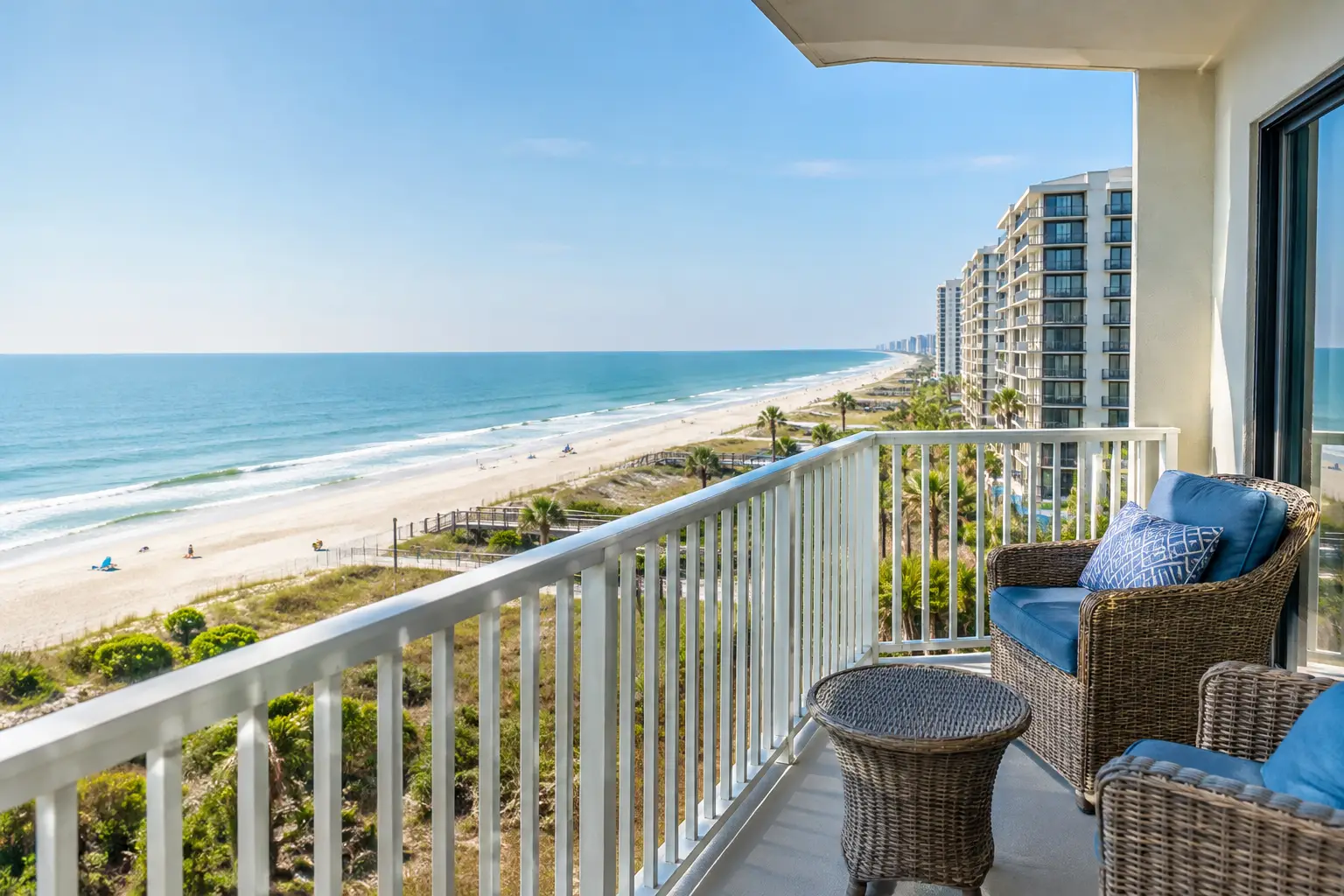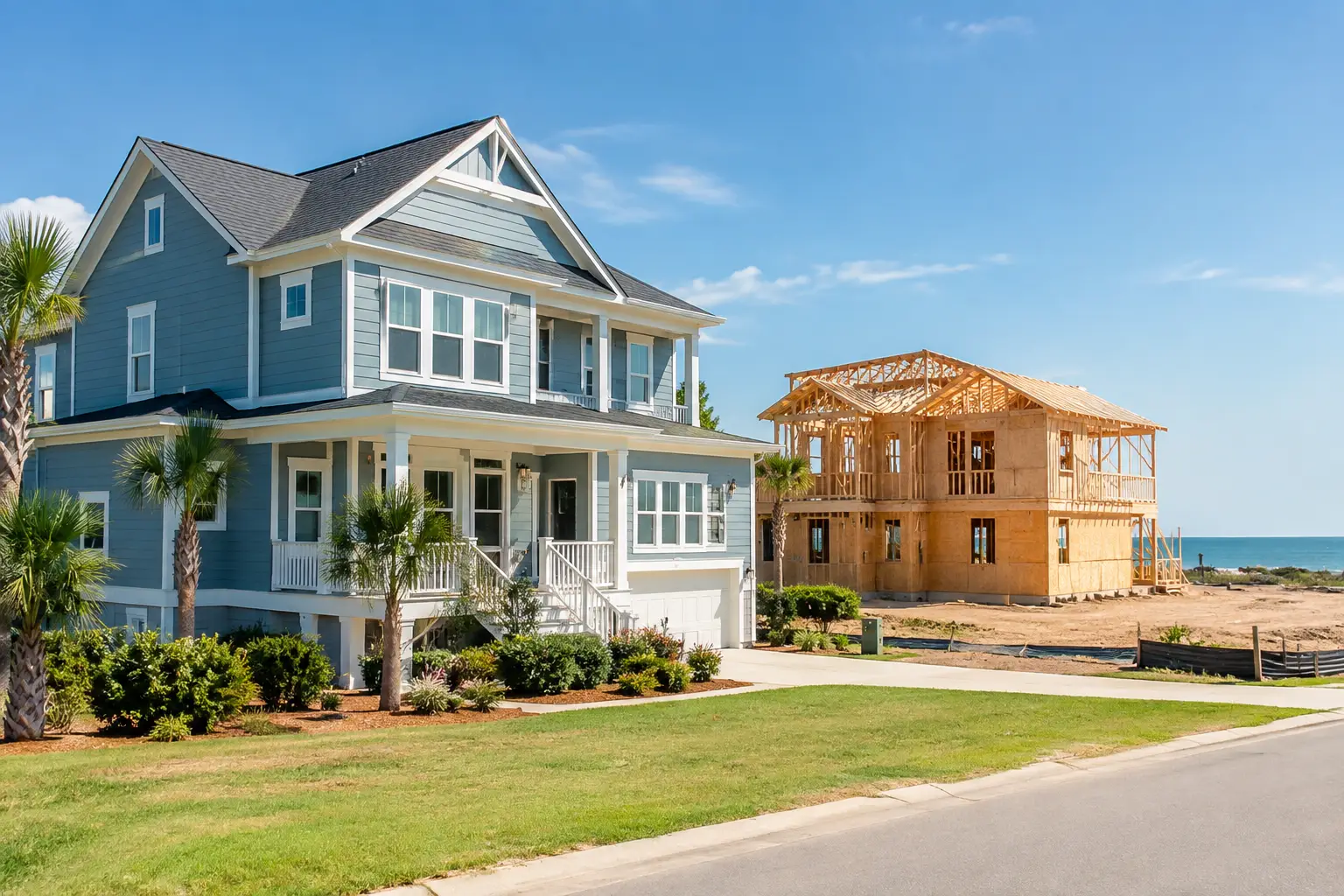
Category: Coastal Carolina Real Estate

  • New Construction Homes in Myrtle Beach SC

    New Construction Homes in Myrtle Beach SC

    A new home near the coast can feel like a fresh start: morning walks, salty air, a screened porch, and a floor plan that finally fits the way you live. But new construction homes in Myrtle Beach SC are not all the same, even when the model homes look equally polished. The community, builder, lot, contract, timeline, and long-term carrying costs can shape whether a home feels like a great fit after move-in day.

    For a primary residence, vacation place, retirement move, or investment property, the right choice starts with looking past the staged furniture. A thoughtful search considers how you want to spend your time at the beach and what ownership will realistically require.

    Start With the Community, Not Just the Model Home

    The Myrtle Beach area offers a wide range of new-home settings. You may find master-planned communities with pools, walking trails, and social calendars; quiet neighborhoods farther inland with more space; golf course communities; and smaller coastal developments with a more relaxed feel. Each has a different pace and a different cost structure.

    Before falling for a kitchen island or a dreamy primary bath, think about your daily routine. Do you want to be minutes from restaurants, entertainment, and the oceanfront? Would you rather have a larger yard in Conway, Longs, or Loris? Is a lock-and-leave community more appealing for a second home? Buyers who picture themselves actually living in the neighborhood tend to make more satisfying decisions than those who shop only by square footage.

    Location Changes More Than Your Commute

    A home closer to the water may offer the coastal lifestyle you imagined, but it can also bring different insurance considerations, flood-zone questions, rental rules, and traffic patterns during peak visitor seasons. A community farther west may provide more home for the budget and easier access to everyday errands, though it may not deliver the same walk-to-the-beach convenience.

    There is no universal best location. It depends on whether your priority is beach access, quiet surroundings, amenities, rental potential, healthcare access, or a lower-maintenance lifestyle. A clear list of must-haves and nice-to-haves keeps the search grounded.

    How to Compare New Construction Homes in Myrtle Beach SC

    Builders often present a base price that gets attention, then offer a menu of upgrades that can make the finished home feel very different from the advertised version. That is normal, but it is also where buyers need a careful side-by-side comparison.

    Ask what is included in the base price for the specific homesite you are considering. Flooring, cabinets, countertops, appliances, lighting, shower tile, screened porches, irrigation, landscaping, and garage finishes can vary widely. One builder may include a feature another treats as an upgrade, so comparing only the headline price can be misleading.

    The lot matters just as much. A premium homesite may have a water view, pond frontage, woods behind it, extra privacy, or a cul-de-sac setting. It may also cost substantially more. In some communities, the most attractive lots are released early or sell quickly, while in others a future phase may offer new options worth waiting for.

    Look at the Whole Monthly Picture

    The purchase price is only part of the budget. Review estimated property taxes, homeowners association dues, insurance, utility costs, and any community fees. If the home is in or near a flood zone, talk with an insurance professional early enough to understand potential flood insurance costs and coverage options.

    For buyers planning to rent a property, confirm the community’s rules before writing an offer. Some neighborhoods allow short-term rentals, others limit them, and some do not allow them at all. Rules about parking, pets, exterior changes, and leasing can matter even for a home you intend to use mostly for yourself.

    Builder Contracts Need a Closer Read

    A builder’s sales representative can be helpful and knowledgeable about that builder’s homes, available lots, and design selections. Their role, however, is to represent the builder. Having your own buyer representation means someone is focused on your interests during pricing discussions, contract review, inspections, walkthroughs, and closing.

    New-construction contracts are typically different from a resale contract. They may allow the builder more flexibility with completion dates, material substitutions, and design details than a buyer expects. The contract should make clear what is being built, which selections are included, how deposits are handled, and what happens if the timeline changes.

    Do not assume that a verbal promise will appear in the finished home. If a feature, credit, repair, or upgrade matters to your decision, it should be documented properly. This is especially true when buying from out of state, when it is easy to rely on photographs and conversations rather than seeing every detail firsthand.

    Plan for the Build Timeline – and Some Flexibility

    A quick-move-in home can be a good option for buyers who need a home sooner or prefer to avoid a long selection process. It may already have design choices completed, which reduces decisions but also limits personalization. A home built from the ground up offers more opportunity to choose finishes and features, but the timeline can be longer and subject to construction conditions.

    Weather, permit timing, labor availability, inspections, and supply changes can affect completion dates. In a coastal market, storms and heavy rain can add another layer of uncertainty. If you are coordinating a sale, lease ending, retirement date, or interstate move, build a little breathing room into the plan.

    Periodic visits can be valuable, especially during key construction stages. For buyers who live elsewhere, a local real estate professional can help keep communication organized and flag questions as the home progresses. Photos are useful, but they do not replace a clear understanding of what has been completed and what remains.

    Yes, New Homes Still Need Inspections

    A brand-new home should be inspected. New construction involves many trades, many materials, and many details completed on a tight schedule. A professional home inspection can identify items that deserve attention before closing, from drainage concerns and roofing details to electrical, plumbing, HVAC, and cosmetic issues.

    Many buyers choose an inspection before drywall goes up, if the builder permits it, and another inspection before closing. A final walkthrough is also your opportunity to test appliances, operate windows and doors, check fixtures, and create a punch list of unfinished or damaged items.

    Ask about the builder warranty as well. Understand the coverage periods, the process for submitting warranty requests, and who to contact after closing. Keep copies of your contract, selections, manuals, warranty information, and closing documents in one easy-to-find place.

    Choose Features That Work for Coastal Living

    The prettiest upgrade is not always the wisest one. In a beach-area home, practical details deserve real attention. Durable flooring, sensible storage for beach gear, a covered or screened outdoor area, easy-care landscaping, and quality window coverings can make everyday life more comfortable.

    If you plan to spend extended time away from the property, ask about lawn care, exterior maintenance, security options, and how the community handles common areas. For retirees, features such as a first-floor primary suite, minimal steps, wider doorways, and proximity to medical care may be more valuable than a dramatic two-story foyer.

    For an investment purchase, focus on what future renters or resale buyers will value, not simply the features that look best in a design center. A good layout, convenient location, dependable finishes, and reasonable ongoing costs usually have staying power.

    A new home should feel exciting, but it should also fit the life you are building around it. Take time to compare the details, ask direct questions, and picture an ordinary Tuesday there – not just a sunny vacation weekend. That is often where the right coastal home reveals itself.


  • Buying Myrtle Beach Homes With No HOA Today

    Buying Myrtle Beach Homes With No HOA Today

    A boat in the driveway, a fence that suits your dog, fewer rules about paint colors, or simply one less monthly bill can make myrtle beach homes with no hoa very appealing. For many buyers, especially those relocating, retiring, or purchasing a second home, that freedom feels like a breath of salt air. Still, a home without a homeowners association deserves the same careful review as any property near the coast – perhaps even more.

    The best choice is not automatically the house with an HOA or the house without one. It is the home whose rules, costs, location, and maintenance needs fit the way you plan to live.

    What “No HOA” Really Means

    In a real estate search, “no HOA” usually means there is no mandatory homeowners association collecting dues and enforcing community rules. That can be a genuine advantage, but buyers should not treat the phrase as a promise of zero restrictions or zero shared expenses.

    A property can have no HOA while still being subject to county or city ordinances, zoning requirements, building codes, setback rules, parking rules, and short-term rental regulations. Some neighborhoods also have recorded covenants or deed restrictions that remain in place even without an active association. A road maintenance agreement, drainage easement, shared driveway agreement, or voluntary neighborhood group can affect ownership as well.

    This is especially relevant around Myrtle Beach and nearby coastal communities, where a home’s location may bring flood-zone requirements, stormwater considerations, rental licensing rules, and insurance questions into the picture. “No HOA” is a valuable search filter. It is not the final step in due diligence.

    Why Buyers Look for Myrtle Beach Homes With No HOA

    The appeal is easy to understand. Without an HOA, owners often have more flexibility in how they use and personalize their property. You may have greater freedom around parking a work vehicle, storing a boat or trailer, choosing landscaping, putting up a fence, or making exterior changes. The specific freedoms depend on local rules and any recorded restrictions, but the feeling of having more control over your home is real.

    Avoiding monthly or annual association dues is another draw. HOA dues can cover meaningful services such as amenities, landscaping, roof maintenance in certain communities, insurance for common areas, and neighborhood management. If those services are not important to you, however, paying for them may not make sense.

    Buyers who value privacy also tend to prefer non-HOA neighborhoods. Older established areas, homes on larger lots, and properties outside master-planned communities may offer a less uniform look and a more individual feel. One street may have a classic brick ranch, a newer coastal cottage, a workshop, and a gardener’s impressive collection of palms. For the right buyer, that variety is part of the charm.

    The Trade-Off: More Freedom Means More Responsibility

    An HOA can be frustrating when its rules do not match your lifestyle. At the same time, associations often handle details that non-HOA owners must manage themselves. In a community without an association, there may be no one coordinating common-area care, maintaining private roads, setting appearance standards, or addressing a neighbor’s overgrown yard.

    That does not mean a non-HOA neighborhood is poorly maintained. Many are wonderfully cared for and full of long-term residents who take pride in their homes. It does mean buyers should look beyond the listing photos. Drive through the area at different times of day. Notice property upkeep, drainage, traffic, nearby commercial activity, and the general feel of the street.

    Consider what matters most to you. If a pool, gated entrance, community landscaping, and predictable neighborhood standards are high priorities, an HOA may be worth the dues. If you would rather choose your own contractor, keep your recreational equipment at home, and make decisions without an architectural review committee, a no-HOA property may be the better fit.

    Questions to Ask Before Making an Offer

    A well-priced home with no HOA can move quickly, so it helps to know what to investigate before emotions take over. Your agent can help gather property information, but buyers should also be prepared to ask direct questions and review documents carefully.

    Here are four areas that deserve attention:

    • Recorded restrictions and easements: Ask whether there are covenants, deed restrictions, utility easements, access easements, or shared-driveway agreements. These can affect fences, additions, parking, and use of the land.
    • Flood risk and insurance: Coastal South Carolina homes can have very different insurance profiles from one neighborhood to the next. Confirm the flood zone, obtain insurance quotes early, and ask about prior flood claims when available.
    • Utilities and maintenance: Find out whether the home is served by public water and sewer or has a well and septic system. Check the age and condition of the roof, HVAC, drainage features, and any private road or retaining structure.
    • Rental and business plans: If you hope to use the property as a vacation rental, confirm local rules before assuming it is permitted. No HOA does not automatically mean unrestricted short-term rentals, home businesses, or commercial vehicle parking.

    These answers can change the true cost of owning a home. A lower purchase price or the absence of HOA dues may be offset by higher insurance, a needed roof replacement, septic maintenance, or improvements to drainage and landscaping.

    Where No-HOA Options May Be Found

    No-HOA properties are often found in established neighborhoods, areas that developed before large planned communities became common, and locations farther from resort-style amenities. In the Myrtle Beach metropolitan area, buyers may find opportunities in parts of Conway, Longs, Loris, Little River, and select pockets of Myrtle Beach, North Myrtle Beach, Surfside Beach, Garden City Beach, Murrells Inlet, Georgetown, and Pawleys Island.

    Inventory shifts constantly, and each town has its own character. A no-HOA home near the beach may be harder to find and priced accordingly, while inland areas can offer more lot size, newer construction, or room for boats and RVs. Distance from the ocean also affects daily life: commute times, storm exposure, insurance costs, and how often you will actually enjoy the beach all matter.

    For buyers considering both sides of the state line, Brunswick County, North Carolina, can offer another set of options. Communities near Calabash, Shallotte, Ocean Isle Beach, Sunset Beach, and Southport have their own mix of established neighborhoods and planned developments. Comparing locations can reveal meaningful differences in taxes, insurance, property styles, and local regulations.

    A Smart Search Strategy

    Start with the lifestyle requirement behind your no-HOA search. Are you hoping to keep a boat at home? Do you need a fenced yard for pets? Are you seeking rental flexibility, a workshop, privacy, or lower recurring expenses? Knowing the reason helps narrow the search and keeps you from passing over a great property simply because it has a modest association fee.

    Then separate your non-negotiables from your preferences. A single-level home, a certain commute, a garage, a flood zone you are comfortable with, and a particular price range may matter more than the HOA status alone. It is possible to find a community with a low-cost, lightly managed HOA that gives you nearly all the freedom you want. It is also possible to find a no-HOA property with restrictions that do not work for your plans.

    Before writing an offer, review the seller disclosures, survey, tax information, and any available restrictive covenants. If the home has features such as a detached garage, dock, shed, pool, solar panels, or recent additions, make sure permits and property lines are understood. Coastal real estate rewards careful questions.

    What Sellers Should Keep in Mind

    For sellers, no HOA can be a strong feature, but it should be described accurately. Buyers respond well to clear information about freedom and flexibility, especially when a property has space for a boat, RV, garden, workshop, or pets. At the same time, disclose known easements, shared maintenance arrangements, and restrictions upfront.

    A home without an HOA often benefits from tidy curb appeal because buyers will be assessing the neighborhood’s overall maintenance on their own. Fresh landscaping, a clean driveway, repaired exterior items, and organized storage areas can help buyers picture the possibilities instead of focusing on work they may need to do.

    The right coastal home should make room for your plans, whether that means quiet mornings on the porch, a garage full of fishing gear, or a simple place to settle in for retirement. When a no-HOA property checks the practical boxes as well as the lifestyle ones, it can be a very comfortable place to call home.

  • Closing Costs for Buyers in Myrtle Beach, SC

    Closing Costs for Buyers in Myrtle Beach, SC

    That ocean-view condo or quiet home near the Intracoastal Waterway may fit your purchase price beautifully, but the number on the contract is not the whole picture. Understanding closing costs for buyers in Myrtle Beach, SC helps you set a realistic cash-to-close budget before you fall in love with a place, write an offer, and start picturing beach days from your new porch.

    Closing costs are the collection of lender, legal, insurance, government, and prepaid expenses due around the time ownership changes hands. They are separate from your down payment. The exact total varies from one purchase to the next, especially between a financed purchase, a cash purchase, a condo, and a newly built home.

    What Buyers Typically Pay at Closing

    For a financed home purchase, buyers generally see charges from the mortgage lender, the closing attorney or settlement provider, title work, insurance, and local recording offices. Some costs are true fees. Others are prepaid items or deposits that establish your escrow account for future bills.

    Your lender should provide a Loan Estimate shortly after you apply for a mortgage. This is one of the best early tools for reviewing expected closing costs. Before settlement, you will receive a Closing Disclosure that shows the final figures. Compare those documents carefully and ask about any charge you do not recognize. A good question now can save a stressful surprise at the closing table.

    Mortgage and lender fees

    If you finance your purchase, expect lender-related charges such as an application, processing, underwriting, or origination fee. You may also see a credit report fee, appraisal fee, flood determination fee, and fees for required certifications or verifications.

    Points are another item worth understanding. A discount point is an optional upfront cost used to lower your interest rate. Paying points can make sense when you plan to keep the loan long enough for monthly savings to outweigh the cost. It may be less appealing for a buyer who expects to sell, refinance, or use the property as a short-term investment within a few years.

    The appraisal is usually required by the lender to support the home’s value. It is not the same as a home inspection. An appraisal protects the lender’s collateral position, while an inspection helps you understand the home’s condition, maintenance needs, and potential repairs.

    Attorney, title, and recording costs

    South Carolina real estate closings are typically handled by an attorney. The closing attorney coordinates the settlement, reviews the title, prepares or oversees legal documents, manages funds, and records the appropriate paperwork after closing.

    Buyers may see fees for the title search, title examination, settlement services, document preparation, recording the mortgage, and recording other documents connected with the purchase. If you are using a loan, the lender will require title insurance that protects its interest in the property. An owner’s title insurance policy is also commonly available to protect the buyer’s ownership interest against certain title issues. Who pays for particular title-related items can vary by local custom and contract negotiation.

    Recording fees are set by the applicable government office and can change. The deed must be recorded, and a financed buyer will also have mortgage-related documents recorded. Your closing estimate will show the anticipated amount.

    Insurance, taxes, and escrow deposits

    Lenders generally require homeowners insurance to be in place before closing. You may need to pay the first year’s premium, or a portion of it, before settlement. Coastal property insurance deserves early attention. Depending on the home and its location, you may need to consider wind, hail, flood, or other specialized coverage in addition to a standard homeowners policy.

    Flood insurance is especially worth checking early instead of treating it as a last-week detail. A property does not have to be directly on the beach to have flood considerations, and lender requirements depend on the flood zone and loan type. Premiums, deductibles, coverage limits, and availability can affect your ongoing ownership costs as much as the closing number.

    If your mortgage includes an escrow account, the lender may collect initial deposits for property taxes and insurance. Those deposits are not simply extra fees. They give the lender a cushion to pay future tax and insurance bills when they come due. The amount can look sizable because it depends on closing date, billing cycles, insurance premiums, and lender requirements.

    Property taxes are also prorated between buyer and seller based on the contract and timing of the closing. In Horry and Georgetown Counties, a primary residence may be taxed differently from a second home, vacation home, or investment property. Buyers should make sure the intended use of the property is clear when estimating taxes and applying for any owner-occupant classification or exemption that may apply.

    Costs That Are Easy to Forget

    Not every purchase expense appears as a line item on the final settlement statement. Some are paid before closing, while others arrive shortly after you receive the keys. A well-planned budget leaves room for both.

    Home inspections, specialty inspections, survey work, repair consultations, and appraisal costs may be paid in advance. For a coastal home, it can be wise to consider inspections or evaluations related to moisture, roof condition, HVAC performance, wood-destroying organisms, seawall or dock components when applicable, and condo building details. The right choices depend on the property, not a one-size-fits-all checklist.

    For condos and homes in planned communities, ask about homeowners association transfer fees, capital contributions, document fees, application fees, and upcoming special assessments. A lower purchase price does not always mean lower total cost if a community has significant dues or deferred maintenance. Review the association documents, budget, rules, insurance information, and reserves with care.

    Utilities may require deposits or connection fees. You may also need funds for immediate projects, furnishings, window treatments, moving, or a few practical items such as a dehumidifier for a home that sits vacant part of the year. These are not closing costs in the legal sense, but they are part of becoming comfortable in your new place.

    Who Pays What Is Often Negotiable

    A common question is whether the seller can pay a buyer’s closing costs. The answer is often yes, subject to the purchase agreement and lender rules. Seller concessions can be especially useful when a buyer has saved for a down payment but prefers to preserve cash for repairs, reserves, or furnishing a second home.

    There are limits on seller-paid costs with many loan programs, and the details depend on the loan type, occupancy, down payment, and other factors. A concession cannot be used as a simple cash rebate to the buyer. It must be structured correctly and applied to allowable costs. Your lender and real estate professional can help make sure the offer language matches the financing.

    Some costs are commonly associated with the seller, including real estate commissions and, in many transactions, deed-related transfer charges. Still, local practice is not a guarantee. The contract controls the agreement. In a competitive Myrtle Beach-area market, an offer with a request for closing-cost assistance may need a thoughtful approach to remain attractive to the seller.

    How Much Should You Budget?

    There is no single percentage that accurately fits every buyer. A cash buyer can avoid loan origination, appraisal, and mortgage recording costs, but will still have attorney, title, recording, insurance, tax, and community-related expenses. A buyer using a low-down-payment loan may have a different mix of charges and escrow requirements than someone making a larger down payment.

    Rather than relying only on a broad online estimate, ask for a personalized pre-approval and a sample closing-cost worksheet tied to your likely price range and loan program. Then add a separate cushion for inspections, moving, and first-month home needs. If you are buying a vacation property or investment home, request estimates based on that use instead of assuming primary-residence tax and insurance figures apply.

    Remember that earnest money is usually not an added fee. When you close, it is generally credited toward the funds you owe, provided the transaction proceeds under the contract terms. Your final cash-to-close amount is calculated after credits, deposits, loan proceeds, seller concessions, and any prorations are applied.

    A Better Way to Prepare Before You Offer

    Start the conversation about costs before house hunting gets serious. Obtain a pre-approval, not just a quick online estimate, and ask your lender to explain the difference between your down payment, closing costs, prepaid expenses, and cash to close. That distinction makes it much easier to decide what monthly payment and upfront investment feel comfortable.

    Next, look at each property through its ownership profile. Is it a primary residence, a lock-and-leave beach retreat, a rental possibility, or a new construction purchase with builder incentives? Does it have an HOA, flood-zone considerations, or a tax classification that could change after closing? The answers shape the estimate.

    A thoughtful local agent can help you compare those details before an offer is written, rather than after your due diligence clock has started. Cyndy Otto helps buyers consider the full picture, from the home itself to the practical costs of settling into coastal life.

    The goal is not to remove every unknown from a home purchase. It is to replace guesswork with clear estimates, smart questions, and enough breathing room in your budget to enjoy the moment you get the keys.

  • Myrtle Beach Condo Rental Restrictions to Check

    Myrtle Beach Condo Rental Restrictions to Check

    A condo can look like the perfect beach investment: ocean views, easy access to the sand, and rental income that helps cover ownership costs. But Myrtle Beach condo rental restrictions can change the numbers quickly. Before falling for the balcony view, buyers should understand exactly who makes the rules, what kind of rentals are allowed, and whether those rules fit the way they plan to use the property.

    For some buyers, a building with strict rental policies is a deal-breaker. For others, it is exactly what they want – fewer rotating guests, quieter hallways, and a more residential feel. The right answer depends on whether you are buying a vacation retreat, a second home with occasional rentals, or a true income-producing property.

    Who Sets Myrtle Beach Condo Rental Restrictions?

    There is no single rulebook for every condo along the Grand Strand. Restrictions usually come from several places, and the most limiting rule is generally the one that matters.

    The condominium association’s master deed, bylaws, rules and regulations, and rental policies are often the starting point. These documents may say whether short-term rentals are permitted, establish a minimum lease length, require owner or guest registration, limit the number of occupants, or set rules for pets, parking, and amenities.

    A property may also have local zoning and business-license requirements. In Myrtle Beach and nearby coastal communities, short-term rental rules can vary by municipality and can change over time. A property that allows weekly rentals under its association documents may still require licensing, tax collection, safety compliance, or other local steps before it can be rented legally.

    Finally, financing can create its own practical restriction. A condo may technically allow rentals, but lender requirements can make a purchase harder if the project has a high percentage of investor-owned or short-term-rental units, weak insurance coverage, pending litigation, or insufficient reserves. That does not automatically make the condo a poor choice. It does mean buyers should match the building to their financing plan early.

    The Rental Rules That Matter Most Before You Buy

    The phrase “rentals allowed” is not enough. Ask for the details in writing and read the documents carefully. A few lines in a policy can make a major difference in how you use the condo and what income it may reasonably produce.

    Minimum rental periods

    Some communities permit nightly and weekly stays. Others require rentals of 30 days, 90 days, six months, or longer. A 30-day minimum usually removes the vacation-rental market from the equation, while a weekly minimum may still work well for seasonal beach demand.

    Do not assume that a condo near the ocean is automatically set up for short stays. Buildings marketed as residential, especially those away from the busiest tourism areas, may deliberately limit transient rentals to preserve a quieter owner-occupied atmosphere.

    Rental caps and waiting lists

    An association may limit the percentage of units that can be rented at one time. If the cap has been reached, a new owner may be placed on a waiting list or may be unable to rent immediately. In some communities, the restriction applies to all rentals; in others, it applies only to short-term rentals.

    This is one of the most important details for an investment buyer. A unit can have an excellent rental history under its current owner, yet a buyer may not inherit the right to continue renting without interruption. Never rely on a verbal assurance that “everybody rents.” Confirm whether the rental privilege transfers with the sale and whether a cap is currently met.

    On-site versus off-site management

    Many oceanfront resorts operate with an on-site rental program. Joining the program may give owners marketing exposure, reservation support, housekeeping, and access to a well-established guest base. The trade-off is that management fees, service charges, furnishing standards, and booking rules can reduce the owner’s flexibility.

    Other condos permit owners to choose their own property manager or handle bookings independently. That may offer more control, but it also places more responsibility on the owner for cleaning, guest communication, taxes, maintenance, and compliance. A rental estimate should account for the management arrangement required by the building, not just the nightly rate seen online.

    Owner use, guest rules, and pets

    Rental policies often affect personal enjoyment as much as income. Some buildings limit how long an owner can stay during peak rental periods if the unit is enrolled in a rental program. Others require guest passes, prohibit certain pets, restrict golf cart parking, or limit access to pools, fitness rooms, and other amenities for renters.

    These details can feel small when you are touring a sunny condo, but they shape daily ownership. If your plan includes bringing a dog, hosting family, or spending several summer weeks at the beach, put those plans next to the rules before making an offer.

    How Restrictions Affect Value and Resale

    Rental rules influence the pool of future buyers. A condo with liberal short-term rental policies may appeal to investors and buyers seeking vacation income. It may also experience more guest traffic, greater wear on common areas, and income that rises or falls with tourism, weather, and travel trends.

    A building with tighter restrictions may attract retirees, second-home owners, and buyers looking for stability and a peaceful setting. Those features can support demand from a different audience, even if they limit investor interest. Neither model is automatically better. The value is in buying the property that aligns with your goals and understanding who is likely to want it when you sell.

    Association finances matter, too. Review the current budget, reserve funding, insurance deductibles, special assessments, planned repairs, and rental-related income. Coastal buildings face ongoing maintenance needs from salt air, wind, humidity, roofs, elevators, pools, and exterior systems. A well-managed association can be a real asset, while deferred work can become expensive for owners.

    A Smart Review Process for Buyers

    Before the inspection period ends, request the full association package rather than relying on a listing description. Read the declaration, bylaws, current rules, budget, meeting minutes, insurance information, reserve information, and any rental policy or management agreement. Minutes can be especially revealing because they may show recurring concerns such as parking, noise, water intrusion, security, rental complaints, or upcoming projects.

    Then ask direct questions. Is short-term rental use currently allowed? Is there a rental cap or waiting list? Does an owner need a business license or permit? Are there transfer fees or rental registration fees? Can owners use an outside management company? Are there pending rule changes? Is the seller currently renting, and can documented rental records be provided?

    If rental income is central to the purchase, use conservative numbers. Gross bookings are not the same as net income. Include management fees, association dues, insurance, utilities, furnishing replacement, cleaning, taxes, repairs, vacancies, and any required resort or program fees. A beautiful condo can still be a poor investment if the carrying costs outrun realistic revenue.

    It is also wise to speak with your lender before narrowing the search. A lender experienced with coastal condos can identify project approval questions early, helping you avoid spending time and money on a property that will not work with your intended loan type.

    When a Restriction May Be a Good Thing

    Not every restriction is bad news. A limit on short-term rentals can protect the calm, residential character that made you love a building in the first place. Guest registration may improve security. Pet rules may keep common areas cleaner. Rental standards may help preserve the condition of the property and its furnishings.

    The key is transparency. Restrictions are frustrating when they are discovered after closing, not when they are clearly understood and factored into the offer price and ownership plan.

    A beach condo should feel like a good fit long after the first walk to the water. Whether you want rental income, a quiet coastal escape, or a little of both, take the time to make sure the rules support the life you picture there. The best ocean view is even better when there are no surprises waiting behind the association documents.

  • Myrtle Beach Property Taxes for New Residents

    Myrtle Beach Property Taxes for New Residents

    A sunny showing can make any coastal home feel like the one, but the monthly budget has to work after the beach day ends. For buyers researching Myrtle Beach property taxes for new residents, the biggest surprise is usually not that taxes exist – it is how much the bill can change based on how the home will be used. A primary residence, second home, vacation rental, and investment property can all be taxed differently, even when the homes have similar sale prices.

    South Carolina property taxes are manageable once you know what drives the number. The key is to look beyond an online estimate, ask how the property is currently classified, and confirm what will apply after your purchase. That little bit of homework can save a very unwelcome surprise when the first bill arrives.

    How Myrtle Beach Property Taxes Are Calculated

    A South Carolina property tax bill starts with the property’s assessed value, not simply its purchase price. The county assessor determines a market value for the home, then applies an assessment ratio based on the property’s use. Local millage rates are then applied to the assessed value.

    In simple terms, the calculation looks like this:

    Market value x assessment ratio x local millage rate = estimated property tax

    Millage is the collection of local tax rates set by taxing authorities. It can include Horry County, a municipality such as Myrtle Beach or North Myrtle Beach, school-related levies, fire districts, and special-purpose districts. Two homes a few streets apart may have different tax bills because they sit in different municipal or service districts.

    That is why a tax estimate should be tied to the specific address. A listing’s current tax figure is useful, but it is a snapshot of the current owner’s situation, not a promise of your future bill.

    The Assessment Ratio Makes a Big Difference

    For many buyers, the most meaningful distinction is between a home used as a legal primary residence and one that is not.

    A qualifying owner-occupied primary residence is generally assessed at 4% in South Carolina. Other residential properties, including many second homes and investment properties, are generally assessed at 6%. That difference alone can noticeably affect annual taxes.

    The 4% classification is not automatic just because a buyer intends to spend a great deal of time here. It is intended for a legal residence – the place you establish as your permanent home. If you are relocating to Myrtle Beach full-time, you will want to apply for the legal residence status through the county after closing and provide the required documentation.

    A condo used for winter escapes, a beach cottage reserved for family weekends, or a home purchased for short-term rental income may still be a wonderful fit. It simply should be budgeted as a non-primary property unless it qualifies as your legal residence.

    What New Residents Should Expect After Closing

    When ownership changes, the county may reassess the property for tax purposes. In practical terms, a home that has been owned for years may have a taxable value that does not reflect the price you just paid. A sale can trigger a review and a new value based on the transfer.

    This is one reason buyers should not rely solely on the seller’s tax bill. The previous owner may have had the 4% legal residence rate, a lower assessed value from an earlier period, or exemptions that will not transfer to a new owner.

    For example, a seller’s bill may look especially appealing because they lived in the home full-time and received benefits available to a legal resident. If you are buying that same home as a vacation property, your assessment ratio will likely be different. Conversely, a buyer moving permanently from another state may see a current second-home tax amount that comes down after qualifying for legal residence.

    The timing matters, too. Property taxes in South Carolina are typically billed later in the year and due the following January. At closing, taxes are normally prorated between buyer and seller according to the contract and closing statement. That proration handles the current tax period, but it does not guarantee that your next full bill will match the amount used at closing.

    Legal Residence Benefits Worth Understanding

    Establishing legal residence can affect more than the 4% assessment ratio. Owner-occupied legal residences also receive protections and tax treatment that do not apply in the same way to second homes and rental properties.

    South Carolina’s property tax structure includes an exemption from certain school operating taxes for qualifying owner-occupied homes. The actual savings vary by location and millage rates, so it is better to view this as a meaningful benefit rather than assume one standard dollar amount for every home.

    Some residents may also qualify for the Homestead Exemption. This is generally available to homeowners who are 65 or older, totally and permanently disabled, or legally blind, provided the home is their legal residence and other eligibility rules are met. It can reduce the taxable value of a qualifying home, but it is not something that transfers automatically with a purchase.

    If you are retiring to the Grand Strand, ask about this early. A quick conversation with the county assessor’s office can help you understand the application process, documentation, and deadlines. It is much easier to set up correctly than to untangle later.

    Location Still Matters, Even Within the Myrtle Beach Area

    Myrtle Beach is often used as shorthand for the whole coastal area, but the tax picture changes as you move from one community to another. A home inside the City of Myrtle Beach can have a different bill than a comparable property in unincorporated Horry County. The same is true for North Myrtle Beach, Conway, Little River, Surfside Beach, Garden City Beach, Murrells Inlet, and neighboring Georgetown County communities such as Pawleys Island and Georgetown.

    Municipal boundaries are only part of the story. Fire districts, special assessments, and local service areas can also matter. A newer neighborhood may have tax features that differ from an established neighborhood, while a waterfront property can have other ownership costs that deserve equal attention, such as flood insurance, wind coverage, HOA dues, or maintenance needs.

    Those costs are separate from property taxes, but they belong in the same buying conversation. A low tax bill does not automatically make one home less expensive to own than another.

    Questions to Ask Before You Make an Offer

    Before you fall in love with the porch, the view, or the short golf-cart ride to the sand, ask for the details that shape your future budget. Find out the property’s current assessed value and classification, whether the owner has legal residence status, and whether the tax figure reflects exemptions that will end at transfer.

    It is also wise to ask whether the home is within city limits, which taxing districts apply, and whether there are any special assessments. For condos and planned communities, review HOA fees separately from taxes. A community may offer amenities that make the dues worthwhile, but they should be considered alongside your projected insurance, mortgage, and tax payments.

    A local real estate professional can help you identify the right questions while you compare homes, but the assessor or tax office is the final source for current classifications, rates, and eligibility. Tax rules and millage rates can change, and the right answer is always tied to the individual property and your intended use.

    A Better Way to Budget for Your Coastal Home

    The best approach is to estimate taxes in more than one scenario. If you plan to move full-time, review the likely cost after legal residence approval. If you are still deciding whether the home will be a primary residence, second home, or rental, budget using the higher possibility until your plans are settled.

    That approach is not pessimistic – it is practical. It lets you choose a home that still feels comfortable after the numbers are real, not just attractive on a listing sheet. The right coastal home should leave room for the things that brought you here in the first place: dinner near the water, a walk on the beach, and the pleasure of calling this stretch of the Carolina coast your own.

  • Hidden Costs of Buying a Home in Myrtle Beach, SC

    Hidden Costs of Buying a Home in Myrtle Beach, SC

    A home can look like a perfect coastal fit at first glance: the right porch, a short drive to the beach, and a price that lands comfortably within your search range. Then the real numbers begin to arrive. Understanding the hidden costs of buying a home in Myrtle Beach SC helps you compare properties honestly and protect the budget you have worked hard to create.

    The purchase price matters, of course, but it is only one part of the cost of ownership. Some expenses are due before closing, some arrive in the first year, and others depend on whether you choose a condo, a neighborhood with an HOA, a new construction home, or an older property near the water. A good buying plan leaves room for all of them.

    Closing costs are more than one line item

    Buyers often plan for a down payment but underestimate the funds needed to close. Closing costs can include lender fees, appraisal charges, title work, attorney fees, recording fees, prepaid interest, and escrow deposits for taxes and insurance. The total varies with the loan type, purchase price, timing of the closing, and the terms negotiated in the contract.

    In South Carolina, real estate transfers also involve a deed recording fee, sometimes called transfer tax. It is commonly handled as a seller expense, but contracts are negotiable, and local practice should never replace a careful review of your specific agreement.

    Your lender will provide a Loan Estimate early in the process and a Closing Disclosure before settlement. Read both closely. They are helpful tools for seeing where your cash to close is going, especially when a home’s advertised price has made the overall purchase feel simple.

    Prepaid costs can make a closing total look higher

    Prepaids are not quite the same as fees. Depending on the closing date and loan requirements, you may pay upfront for a portion of homeowners insurance, property taxes, and mortgage interest. If your loan includes an escrow account, the lender may also collect several months of tax and insurance reserves.

    That money is not disappearing into a mystery charge. It is being set aside for bills that will come due later. Still, it affects how much cash you need on closing day, which is why buyers should ask for a detailed estimate before they fall in love with a property at the top of their range.

    Insurance near the coast deserves its own budget

    Insurance is one of the biggest variables for buyers in Myrtle Beach, North Myrtle Beach, Surfside Beach, Garden City Beach, and other coastal communities. A home that looks similarly priced to one farther inland may carry very different insurance costs because of its location, age, roof condition, construction type, elevation, and claims history.

    Standard homeowners insurance generally does not cover flood damage. If the home is in a designated flood zone and you are financing the purchase, flood insurance may be required. Even when it is not required, buyers should understand the property’s flood exposure before deciding to go without coverage. A lender’s flood determination, a flood-zone map, and an insurance quote all answer slightly different questions, so it is wise to review each one.

    Wind and hail coverage, hurricane deductibles, and named-storm deductibles also deserve attention. These deductibles are often based on a percentage of the home’s insured value rather than a small flat dollar amount. The annual premium may fit your budget, but the out-of-pocket amount after a major storm could be significant.

    For condos, the association’s master policy is another piece of the puzzle. It may insure the building exterior and common areas, while the unit owner remains responsible for interior coverage, personal property, liability, and certain assessments. Ask what the master policy covers and what deductible could be passed along to owners after a covered loss.

    HOA dues can be a value or a strain

    Many communities along the Grand Strand have homeowner associations or condominium associations. Dues can pay for appealing features such as pools, landscaping, gates, building maintenance, trash service, cable packages, pest control, or beach access. For some buyers, those services simplify life and make a second home easier to manage.

    The trade-off is that monthly, quarterly, or annual dues become part of the true housing payment. A lower-priced condo with substantial dues may cost more each month than a slightly higher-priced home without them. Mortgage lenders also factor mandatory association dues into your debt-to-income ratio.

    Before making an offer, review the association documents, budget, rules, insurance information, meeting minutes, and reserve funding when available. Look for pending special assessments, deferred maintenance, rental restrictions, pet limits, parking rules, and upcoming fee increases. A special assessment for roofs, siding, elevators, or storm repairs can be a major expense, particularly in older condo communities.

    Rental plans may come with added costs and rules

    If you are buying a vacation property with rental income in mind, do not assume every beach-area home is ready to become a short-term rental. Local regulations, HOA rules, condo policies, management requirements, and lender guidelines may affect what is allowed.

    Owners also need to budget for furnishing, turnover cleaning, linens, utilities, booking fees, management fees, maintenance, and wear from frequent guests. Rental income can help offset costs, but it should be evaluated conservatively. A property’s best summer weeks do not represent every month of the year.

    Inspections reveal costs that photos cannot

    A home inspection is a relatively small cost compared with the information it can provide. Coastal homes face humidity, salt air, wind, drainage concerns, and occasional storm impacts. Even a beautifully maintained property can have issues behind the walls, under the house, on the roof, or within aging mechanical systems.

    Depending on the property, buyers may also choose or need specialized inspections for wood-destroying insects, mold, radon, septic systems, wells, pools, docks, fireplaces, or structural concerns. A four-point inspection may be useful for insurance purposes, especially with older homes. New construction benefits from inspection, too. A new home can still have incomplete work, drainage concerns, or details that need correction before closing.

    Not every inspection finding should derail a purchase. The practical question is whether the issue is manageable, who will address it, and how it changes your near-term budget. A roof nearing the end of its expected life is different from a small cosmetic repair, even if both appear on the same report.

    Property taxes can change after you buy

    Property tax estimates shown on real estate listings can be misleading if they reflect the seller’s exemptions, assessment history, or prior ownership. South Carolina offers favorable tax treatment for qualifying owner-occupied primary residences, while second homes and investment properties are generally taxed differently.

    If you are relocating, retiring, or purchasing a beach getaway, ask for an estimate based on how you expect to use the home. Also plan for the possibility that the assessed value changes after a sale. The tax bill you see today is useful background, not a guaranteed future bill.

    The first year usually brings a few surprises

    Even homes in excellent condition need a settling-in fund. You may need window treatments, a washer and dryer, ceiling fans, storage, paint, landscaping supplies, locks, or new furniture sized for the space. For a coastal home, add practical items such as dehumidifiers, exterior cleaning, corrosion-resistant hardware, and storm preparation supplies.

    Utilities may be different from what you are used to, particularly in a larger home, a property with a pool, or a home used only part of the year. If the house will be vacant for stretches of time, consider the cost of periodic checks, HVAC maintenance, pest service, and monitoring systems. Small recurring expenses have a way of becoming permanent ones.

    Build breathing room into your offer

    The best budget is not the one that gets you to closing by the narrowest margin. It is the one that lets you enjoy your new home after the keys are in your hand. Set aside a reserve for immediate repairs and unexpected ownership costs, then compare homes based on their full monthly and yearly picture rather than their list price alone.

    A thoughtful review of insurance quotes, association documents, inspections, taxes, and closing estimates can turn surprises into informed choices. That little bit of preparation leaves more room for the part that matters most: settling into a home that feels right for your life by the sea.

  • Choosing Myrtle Beach Retirement Communities

    Choosing Myrtle Beach Retirement Communities

    The right retirement home can change the shape of an ordinary Tuesday. Maybe that means a morning walk near the water, lunch with new neighbors, a round of golf, or simply a low-maintenance home that leaves more room for the life you want. Myrtle Beach retirement communities offer all of those possibilities, but the best fit is rarely found by choosing the newest clubhouse or the closest beach access alone.

    This area gives buyers a wide range of choices, from active adult neighborhoods and golf communities to quiet established enclaves, condos, townhomes, and single-family homes with room for visiting family. The key is to look beyond the sales brochure and consider how a community will support your daily routine now and several years from now.

    What Counts as a Retirement Community?

    Not every neighborhood popular with retirees is formally designated as a retirement community. Some are age-restricted, often 55-plus, while others welcome residents of every age but naturally appeal to retirees because of their amenities, location, and home styles.

    An age-restricted community may offer a built-in social calendar, a clubhouse, fitness facilities, organized activities, and homes designed for easy living. These neighborhoods can be a wonderful match for buyers who want to meet people quickly and enjoy a more connected lifestyle. They may also have rules governing occupancy, exterior changes, parking, pets, and rental use.

    An all-ages community can offer more flexibility. It may be better for buyers who expect frequent visits from children and grandchildren, want fewer age-related restrictions, or prefer a mix of residents at different life stages. The trade-off is that amenities and social programming may be less extensive or less tailored to retirees.

    Neither choice is automatically better. It depends on whether you picture retirement as an active social chapter, a peaceful coastal retreat, or a little of both.

    How to Compare Myrtle Beach Retirement Communities

    A beautiful model home is easy to remember. The details that affect comfort and costs every month deserve just as much attention. When comparing communities, start with the factors that will matter after move-in day.

    Location is more than distance to the beach

    Living close to the ocean has obvious appeal, but location should also be measured by convenience. Consider how far you will be from medical offices, grocery stores, pharmacies, restaurants, airports, places of worship, and the activities you enjoy. A home that is 10 minutes from your favorite beach access but 35 minutes from everyday errands may feel very different after a few months.

    Myrtle Beach offers a lively pace, entertainment, dining, and easy access to services. North Myrtle Beach and Little River can appeal to buyers looking for a more relaxed coastal feel while still staying connected to the Grand Strand. Conway offers a historic downtown atmosphere and can provide a bit more separation from the busiest tourist areas. South toward Murrells Inlet, Garden City Beach, Pawleys Island, and Georgetown, buyers often find a slower rhythm, waterfront scenery, and distinct local character.

    There is no single “best” area. The right location depends on how much energy, traffic, tourism, and driving you want in your everyday life.

    Think carefully about home design

    Retirement-friendly living is not limited to one-story homes, although single-level layouts remain popular for good reason. A primary suite on the main floor, minimal steps, wide doorways, accessible showers, good lighting, and practical storage can make a home easier to enjoy long term.

    Some buyers love a low-maintenance condo or townhome, especially if they plan to travel. Others want a detached home with a screened porch, garage, and space for guests. A larger home can be ideal for family gatherings, but it also brings more upkeep, furnishing costs, and potentially higher utility bills.

    Do not assume new construction automatically means fewer responsibilities or that an older resale home means more repairs. New homes may have ongoing community fees and developing surroundings, while established homes may offer mature landscaping, completed amenities, and a clearer picture of the neighborhood’s daily rhythm. A thorough inspection and a close look at maintenance history are valuable in either case.

    Review HOA fees with clear eyes

    Homeowners association fees can be worthwhile when they cover services you value, such as lawn care, exterior maintenance, cable, internet, insurance for shared buildings, gated entry, pools, or club facilities. The question is not simply whether there is an HOA fee. It is what that fee covers, how stable it has been, and whether the community’s financial planning is sound.

    Ask to review the governing documents, current budget, reserve information, rules, meeting notes when available, and any pending or recent special assessments. In a condo community, insurance coverage and responsibility for major exterior items deserve particular attention. A lower monthly fee is not always a bargain if the association has inadequate reserves for future repairs.

    Also look at the full ownership picture: property taxes, homeowners insurance, flood insurance when applicable, utilities, golf memberships, and maintenance expenses. Coastal living can be wonderfully easygoing, but the numbers should feel comfortable in every season.

    Look beyond the amenity list

    A community pool, pickleball courts, walking trails, and social events can add real value, especially for newcomers building a local circle. Still, amenities are only useful if they match your actual habits. If you are not a golfer, a golf course view may not justify higher costs. If you travel frequently, you may care more about exterior maintenance and security than an activity calendar.

    Visit at different times if possible. A weekend visit may show you how busy streets and common areas become. A weekday can reveal traffic patterns, construction activity, and how residents use the neighborhood. Notice whether the community feels lively in a way you enjoy or busy in a way you would rather avoid.

    Coastal Considerations That Deserve a Closer Look

    Buying near the coast comes with practical questions that deserve straightforward answers. Flood zones, elevation, drainage, wind coverage, roof age, and insurance requirements can affect both your peace of mind and your budget. These are not reasons to avoid a coastal home. They are reasons to understand the property before you fall in love with its porch view.

    For homes near water, ask about the history of flooding, how stormwater moves through the neighborhood, and whether the property has had insurance claims. Review the home’s construction features, including hurricane protection, windows, roof condition, and any improvements made by the seller. Insurance availability and cost can vary from one property to another, even within the same general area.

    It also helps to consider seasonal change. The Grand Strand can be pleasantly quiet at certain times of year and much more active during visitor season. Some buyers enjoy having restaurants, shows, and family activities close by. Others prefer a community farther from the busiest corridors. Your ideal retirement setting should work in July as well as January.

    Questions to Ask Before You Decide

    Before making an offer, give yourself permission to ask the practical questions that do not fit on a listing sheet. How long do residents typically stay? Are there rental restrictions? What work is planned nearby? Is the community still under development? What are the rules for guests, pets, fences, and outdoor spaces? If you are considering a condo, who handles exterior repairs and what portion of the building insurance is included?

    It is also wise to think about resale. Even when you expect a home to be your long-term place, life can change. Communities with a convenient location, appealing layout, reasonable carrying costs, and well-managed common areas often have broader appeal when it is time to sell.

    Finding the Right Pace for Your Next Chapter

    Myrtle Beach retirement communities are not one-size-fits-all, and that is part of their appeal. You may find your best match in an active 55-plus neighborhood with a busy calendar, a quiet resale home near the Intracoastal Waterway, or a new single-level home just far enough from the crowds. The right choice is the one that makes daily life feel lighter, not more complicated.

    Take time to visit, compare costs honestly, and imagine the routines that matter most to you. A thoughtful home search can turn a coastal move from a vacation-daydream into a place that feels comfortably, unmistakably yours.

  • A Georgetown Home Purchase That Fits Your Life

    A Georgetown Home Purchase That Fits Your Life

    A Georgetown home purchase can begin with a beautiful view of the harbor, a quiet street beneath live oaks, or a home close enough to the beach for an early morning walk. The better question is what that home will feel like after the novelty wears off. Whether you are relocating, retiring, buying a second home, or adding an investment property, the right fit comes from looking beyond the listing photos and into the daily details.

    Georgetown County offers a broad mix of lifestyles, from historic downtown character to golf communities, marshfront settings, and easy access to the Grand Strand. That variety is a real advantage, but it also means buyers benefit from a clear plan before falling in love with a particular kitchen or view.

    Start Your Georgetown Home Purchase With Your Real Life

    Before setting a price range, picture an ordinary Tuesday in your new home. Do you want to walk to restaurants and waterfront events? Would you rather have a peaceful neighborhood with more space between homes? Is quick access to medical care, grocery stores, golf, boating, or family in Myrtle Beach part of the decision?

    A home in the City of Georgetown may appeal to buyers who appreciate historic architecture, the waterfront, and a more established small-town rhythm. Areas farther north, including Pawleys Island and Murrells Inlet, can offer a different coastal experience with their own mix of beach access, dining, and residential communities. There is no universally better choice. The best location depends on how often you plan to be there, how you spend your time, and how much maintenance you want to handle.

    For a vacation home, convenience may matter most. For a primary residence, year-round traffic patterns, service providers, health care access, and neighborhood activity may deserve more weight. Investors should also consider rental rules, seasonal demand, furnishing costs, and whether the property will still work if rental income is lower than expected in a given year.

    Look Beyond the Home’s Asking Price

    Coastal ownership has expenses that can vary dramatically from one property to another. A charming older home near the water may have a lower purchase price than a newer home in a planned community, but the total cost of ownership could tell a different story.

    Ask early about property taxes, homeowners association fees, insurance estimates, utilities, and any expected assessments. If a home has a pool, dock, seawall, elevator, extensive landscaping, or a large lot, include realistic upkeep in your monthly and annual budget. These features can make a home feel special, but they are not maintenance-free.

    Insurance deserves particular attention in coastal South Carolina. Wind, flood, and homeowners insurance are separate considerations, and the premium for one property may not resemble the premium for another property just a few miles away. Do not rely on a broad online estimate. Request insurance information for the specific home as early as possible, especially if you are making decisions around a fixed monthly payment.

    Financing can also shape your choices. Second homes and investment properties often have different lending requirements than primary residences. If you are considering a condominium, your lender may need to review the association’s financial condition, insurance coverage, occupancy levels, and governing documents. A preapproval is a helpful starting point, but it is not a substitute for confirming that the individual property meets loan guidelines.

    Coastal Location Calls for Careful Due Diligence

    Water views and salt air are part of what makes this area so appealing. They also make property research more important. Flood zones, elevation, drainage, stormwater patterns, and proximity to marshes or waterways should be part of the conversation before you make an offer.

    A flood zone designation does not automatically make a home a poor choice, and a property outside a high-risk zone is not automatically free from water concerns. The practical question is how the home has performed over time and what protection, insurance, and maintenance are appropriate for its location. Ask about prior flooding, drainage improvements, flood insurance history, and any repairs completed after storms.

    For homes near the coast, inspections should be thorough. A standard home inspection is valuable, but it may be wise to consider additional evaluations based on the property. Older homes may need closer attention to electrical systems, plumbing, foundations, roofs, and crawl spaces. Homes exposed to salt air can show wear on exterior materials, HVAC equipment, windows, decking, and fasteners sooner than homes farther inland.

    Termite and moisture inspections are also especially relevant in a warm, humid climate. A well-maintained crawl space, proper grading, functioning gutters, and good ventilation can make a meaningful difference over time. Inspection findings are not always deal breakers. They are information that helps you understand the property, negotiate thoughtfully, and plan for ownership.

    New Construction and Existing Homes Offer Different Benefits

    New construction can be attractive for buyers who want modern layouts, energy-efficient features, and fewer immediate repairs. In a growing coastal market, it may also offer choices in floor plans, finishes, and community amenities. Still, it is worth reading the builder contract carefully and understanding what is included versus what is an upgrade.

    Pay attention to estimated completion dates, lot premiums, landscaping, appliances, window treatments, and warranty terms. Model homes are designed to impress, and they often include upgrades that are not part of the base price. An independent inspection before closing can still be a smart move, even on a brand-new home.

    Existing homes may offer mature landscaping, established neighborhoods, and proximity to downtown areas or the water that cannot always be duplicated in new developments. They can also carry more character, from historic details to screened porches that have hosted years of coastal evenings. The trade-off may be a shorter remaining life for major systems or a need for updates. Knowing which projects you are willing to take on will narrow the search quickly.

    Read Community Rules Before You Commit

    If you are considering a neighborhood with a homeowners association, request and review the documents before the due diligence period ends. The monthly or annual fee is only one piece of the picture. Rules may affect exterior changes, parking, pets, rental use, boats, golf carts, fences, and even the colors or materials you can use for repairs.

    For buyers purchasing a second home or rental property, rental restrictions are particularly important. Some communities limit short-term rentals, require minimum lease periods, cap the number of rentals, or have registration requirements. If rental income is part of your plan, verify the rules directly and do not assume that a property’s past use guarantees future permission.

    Also look at the association’s reserves, current projects, insurance coverage, and meeting notes when available. A well-run community can protect shared amenities and property values. A low fee is not always a bargain if major repairs are approaching without adequate reserves.

    Give Yourself Time to Experience the Area

    A weekend visit can create a strong first impression, but it rarely reveals the full rhythm of a location. If possible, visit at different times of day. Drive the route to the grocery store, the beach, restaurants, and medical offices. Notice road noise, lighting, traffic, and how the neighborhood feels after dark.

    For buyers moving from outside the area, spending a little more time on the ground can prevent an expensive mismatch. A home that feels ideal for a summer getaway may be less convenient for full-time living in January. On the other hand, a quieter community that seems sleepy during a short visit may be exactly what makes retirement or remote work feel restful.

    A local agent can help turn those impressions into useful comparisons. With experience in both new construction and existing homes across the coastal Carolina market, Cyndy Otto can help buyers evaluate the practical questions behind a property’s curb appeal.

    Make an Offer With Room for Smart Decisions

    A strong offer is not simply the highest number. It should reflect the home’s condition, comparable sales, financing details, timing, and the protections you need. Inspection, financing, appraisal, and title considerations are all part of creating an offer that is competitive without being careless.

    In a faster-moving segment of the market, buyers may feel pressure to waive protections. That choice deserves careful thought. Every situation is different, but due diligence is especially valuable when a property has coastal exposure, an older structure, unique features, or a complex homeowners association. A clear strategy can help you move decisively while still understanding the risks.

    The home that serves you best may not be the flashiest one you tour. It may be the place where the insurance works, the neighborhood suits your pace, the maintenance feels manageable, and the porch still makes you smile after a long day. Give yourself permission to look for that kind of fit. It is often where a good purchase becomes a home you are genuinely happy to keep.

  • Buying a Home in Myrtle Beach From Out of State

    Buying a Home in Myrtle Beach From Out of State

    The first time you step onto a Myrtle Beach balcony and hear the ocean in the distance, it is easy to picture your life there. The harder part is making a smart decision when your current home is several states away. Buying a home in Myrtle Beach from out of state can be a wonderful move for retirement, a vacation escape, a new job, or an investment, but it calls for a process built around careful local research rather than a quick weekend visit.

    The Grand Strand offers a remarkable variety of homes and lifestyles within a relatively short drive. A quiet condo near the marsh, a golf community in Conway, a cottage in Surfside Beach, or a newer home farther inland can all feel very different in daily life. The goal is not simply to find a home that looks great online. It is to find one that fits how you want to live, visit, or rent.

    Start With the Life You Want to Live

    Before comparing listings, get clear about what Myrtle Beach means to you. A buyer looking for a lock-and-leave second home may prefer a condo with exterior maintenance included. A family relocating full-time may put schools, medical care, commute times, and storage space at the top of the list. An investor needs to look closely at rental rules, projected expenses, and seasonal demand.

    Location is more than a dot on a map. Oceanfront and ocean-view homes can offer the beach experience many buyers want, but they may also come with higher insurance costs, busy summer traffic, and stricter rental or building rules. Homes a few miles inland can offer more square footage, newer construction, and a quieter pace, while still keeping the coast within easy reach.

    It helps to rank your priorities before touring. Decide what is essential, what is preferred, and what is simply a nice extra. For example, being walkable to the beach, having an elevator, or allowing short-term rentals may be a non-negotiable feature. A large pool or a particular paint color is not. This keeps the search focused when every property is being viewed through a screen.

    Get a Real Feel for the Area From Afar

    Virtual tours are useful, but they cannot show the full picture. They may not reveal the sound of traffic, the amount of shade on a patio, the feel of a neighborhood at night, or whether the drive to groceries is as convenient as it appears. A local real estate professional can help fill in those gaps with live video tours, honest observations, and answers to the questions that matter after closing day.

    Ask for a walkthrough that goes beyond the staged rooms. Look at the street, parking areas, the building exterior, amenities, storage, balconies, and nearby surroundings. For a condo or townhome, request a close look at common areas and maintenance conditions. For a house, pay attention to drainage, the age and condition of the roof, outdoor HVAC equipment, and the general upkeep of neighboring properties.

    If possible, plan at least one scouting trip before making an offer. Spend time in the areas you are considering at different times of day. Have lunch, visit the grocery store, drive the route to the beach, and notice whether the setting matches the lifestyle you had in mind. A short trip does not replace due diligence, but it can confirm whether a community feels like home.

    Look Beyond the Myrtle Beach Address

    The Myrtle Beach metropolitan area stretches well beyond the busy oceanfront. North Myrtle Beach, Little River, Longs, Conway, Garden City Beach, Surfside Beach, Murrells Inlet, Pawleys Island, and Georgetown each offer their own character, housing styles, and pace.

    For some buyers, a coastal address with restaurants and entertainment nearby is the right fit. Others would rather have a little distance from the summer bustle, more yard space, or access to boating and golf. Expanding the search area can sometimes create better value, but it may also change insurance needs, rental potential, commute time, and day-to-day convenience. There is no one best location, only the right location for your plans.

    Put Your Financing and Budget in Place Early

    Out-of-state buyers benefit from speaking with a lender early, particularly if financing a second home, vacation home, or investment property. Loan requirements can differ depending on how the home will be used. A property intended for short-term rental may not qualify under the same terms as a primary residence, and condos can have additional lending considerations.

    Your purchase budget should include more than the list price and mortgage payment. Coastal ownership can involve homeowners association dues, condo regime fees, insurance, property taxes, utilities, flood coverage, and maintenance. A home with a lower price may not be the lower-cost choice once those expenses are considered.

    Insurance deserves special attention along the coast. Wind and hail coverage, flood insurance, deductibles, and availability can vary by location, elevation, construction type, and proximity to the water. Do not wait until the final days of the contract to request quotes. Getting insurance information early gives you a clearer picture of affordability and avoids unpleasant surprises.

    Make the Contract Work for a Remote Purchase

    Buying from another state does not mean giving up control of the process. Electronic signatures, remote communication, and coordinated timelines make long-distance transactions common, but the contract still needs to protect your interests.

    Inspection time is especially valuable when you cannot easily return for every appointment. A thorough home inspection can identify concerns with structural components, electrical systems, plumbing, HVAC, appliances, and visible water intrusion. Depending on the property, additional inspections may be appropriate for pests, mold, roof condition, septic systems, or other specific concerns.

    A coastal inspection should also consider signs of moisture and salt-air wear. Corrosion around exterior fixtures, aging windows, balcony conditions, and drainage issues may be more relevant than they would be in a non-coastal market. No home is perfect, especially one that has weathered years near the ocean. The question is whether the condition, repair needs, and price make sense together.

    For condos and communities with homeowners associations, review the documents carefully. Ask about monthly fees, special assessments, insurance responsibilities, rental restrictions, pet policies, parking, reserves, and pending repairs. A beautiful community pool is a plus, but the financial health and rules of the association matter just as much.

    New Construction Can Be a Good Fit, With Care

    New construction appeals to many out-of-state buyers because it can offer modern layouts, energy-efficient features, and less immediate maintenance. Communities around Myrtle Beach and inland areas often have a range of new homes at different price points.

    Still, a model home is designed to impress. Make sure you understand what is included in the base price and what costs extra. Flooring, lighting, appliances, screened porches, lot premiums, landscaping, and upgrades can change the final number quickly. Review the builder contract, warranty, completion timeline, and community rules before moving forward.

    An independent inspection is still a smart choice for a newly built home. New does not automatically mean flawless, and having a trained set of eyes before closing can help identify items that need attention.

    Plan the Closing and First Weeks of Ownership

    Remote closings are often possible, but confirm the details early with your lender, closing attorney, and real estate agent. Depending on your circumstances and state requirements, you may be able to sign remotely, use a mobile notary, or arrange documents before traveling. The important thing is to know the plan well before closing week.

    Think ahead to practical details: transferring utilities, arranging insurance, setting up internet, changing locks, scheduling cleaners, and deciding who will check on the property if it will sit vacant. For a second home, a local contact or property management plan can bring real peace of mind, particularly during storm season.

    Cyndy Otto helps buyers sort through both the appealing details and the less glamorous questions that protect a purchase. That local perspective is valuable when the home you love is viewed from hundreds of miles away.

    The right coastal home should give you more than a pretty listing photo. It should support the way you plan to spend your mornings, host the people you love, and enjoy this next chapter by the shore.

  • Myrtle Beach SC HOA Fees Explained for Buyers

    Myrtle Beach SC HOA Fees Explained for Buyers

    HOA fees in Myrtle Beach, SC can significantly affect the monthly cost of owning a home or condo. These fees may cover landscaping, community amenities, exterior maintenance, insurance, and other shared expenses, depending on the property. Before buying in a Myrtle Beach community, it’s important to understand what your HOA dues include, what they don’t cover, and whether additional assessments could affect your budget.

    For some buyers, HOA dues are a worthwhile trade for a maintained neighborhood and resort-style amenities. For others, a smaller fee – or no fee at all – matters more than a pool, clubhouse, or lawn service. The right fit depends on how you plan to use the property, whether it is a primary home, vacation getaway, retirement home, or rental investment.

    Why Myrtle Beach HOA Fees Vary So Much

    There is no single “normal” HOA fee for Myrtle Beach, North Myrtle Beach, Surfside Beach, Garden City Beach, Murrells Inlet, or nearby communities. A modest single-family neighborhood may have lower dues because it only maintains an entry sign, common landscaping, and perhaps a small pond. A gated community with a pool, fitness center, walking trails, security features, and full-time management will naturally cost more.

    Condominiums often have higher monthly fees than detached homes, and that does not automatically make them a poor value. Condo associations may be responsible for exterior building maintenance, roofs, elevators, hallways, master insurance policies, trash service, water, sewer, cable, internet, pest control, landscaping, pools, and beach access facilities. Each building and association handles expenses differently, so comparing the fee alone can be misleading.

    An oceanfront or resort-style condo can also carry substantial operating costs. Salt air, wind, humidity, and heavy seasonal use are hard on buildings and equipment. Elevators, parking structures, roofing, exterior finishes, pools, and common areas require ongoing attention. Those realities often show up in the budget.

    What HOA Dues May Cover

    The most useful question is not simply, “How much are the dues?” Ask, “What am I getting for them?” The answer should be found in the association documents and current budget, not just in a listing description.

    For a single-family home, dues may cover common-area landscaping, ponds, entrance features, private roads, a community pool, clubhouse, or recreational areas. In some neighborhoods, they also include basic lawn care for each property. That can be appealing to a second-home owner who would rather spend a beach weekend relaxing than arranging yard work.

    For a condo, the fee may cover much more. It may include building insurance for common elements, exterior maintenance, landscaping, water, sewer, trash removal, reserve contributions, and management. Some communities bundle cable and internet into their dues, while others do not. Electricity inside the unit and individual homeowners insurance are usually separate, but buyers should confirm rather than assume.

    A higher fee can make sense when it replaces bills you would otherwise pay on your own. Still, it is worth separating true value from extras you may not use. If you will never use the tennis courts, lazy river, or fitness center, those amenities may not carry the same value for you as they do for another buyer.

    Myrtle Beach SC HOA Fees Explained: Read the Fine Print

    The documents matter just as much as the monthly amount. Before committing to a property, buyers should review the association’s governing documents, current budget, financial statements, rules and regulations, meeting minutes, insurance information, and any notices involving planned projects or assessments.

    Meeting minutes can be particularly revealing. They may show recurring concerns about roof leaks, drainage, elevator repairs, parking, rental behavior, insurance costs, or delayed maintenance. A well-run association does not mean every meeting is perfect. It means concerns are addressed, finances are monitored, and owners receive clear communication.

    Also ask whether the association has adequate reserves. Reserve funds are money set aside for predictable, large-scale repairs and replacements. A community with healthy reserves is generally better positioned when the roof, paving, elevators, siding, or pool equipment needs major work. A low fee may feel attractive today, but it can become less attractive if the association has not saved enough for necessary projects.

    HOA expenses can also matter when it’s time to sell. Outstanding association balances and certain closing-related charges may affect how much money you receive from a sale. Learn more in our Seller Net Proceeds Explained: How Much Will You Keep? article.

    Special Assessments Are the Cost Buyers Should Not Ignore

    A special assessment is an extra charge levied on owners when regular dues and reserve funds are not enough to cover an expense. It may be used for storm damage, insurance deductibles, structural repairs, roofing, paving, or other major work. Assessments can be paid in a lump sum or, in some cases, over time.

    Coastal ownership comes with specific maintenance and insurance considerations. Storms, wind, flooding, rising insurance premiums, and the normal wear of a humid salt-air environment can affect community costs. This does not mean every coastal condo or neighborhood is headed for an assessment. It does mean buyers should ask direct questions and review the available records before making a decision.

    If there is a current special assessment, find out the total amount, payment schedule, purpose, and whether the seller will pay any unpaid balance at closing. If major work is being discussed but has not yet been approved, that deserves careful attention too. A knowledgeable real estate professional can help you identify the right questions, but the association documents provide the details that matter.

    Rental Rules Can Change the Math

    For buyers considering a vacation rental, HOA rules are often as important as the dues. Some communities allow short-term rentals with few restrictions. Others require minimum lease periods, limit the number of rentals, require registration, restrict signage, or prohibit short-term rentals entirely. Certain condo buildings have on-site rental programs, while others allow owners to choose their own management company.

    Do not rely on what a neighbor says or what has happened in the past. Rental policies can change, and local regulations may also apply. Review the current rules before basing an offer or income plan on rental expectations.

    Even if you do not plan to rent, rental rules can affect the feel of a community. A building with frequent vacation turnover may offer a lively resort atmosphere. A neighborhood with longer-term residents may feel quieter and more residential. Neither is inherently better. It depends on the lifestyle you want.

    Questions to Ask Before You Make an Offer

    A buyer should have clear answers to a few practical questions: What is the current monthly, quarterly, or annual fee? What exactly does it cover? How often have dues increased? Are there pending or recent special assessments? What is the reserve balance? Are there any active lawsuits, major repairs, or insurance claims? What restrictions apply to pets, parking, exterior changes, and rentals?

    For condos, ask about the master insurance policy and deductible. You will need to understand what the association insures and what must be covered under your individual policy. In coastal South Carolina, insurance details deserve extra care. The lowest condo fee is not necessarily the best deal if the association has limited coverage or weak reserves.

    It is also smart to look at the association’s management style. Is the property professionally managed? Are maintenance requests handled promptly? Are the common areas clean and well kept? A quick walk through the neighborhood or building can tell you a great deal about how owners and management care for the property.

    Compare the Total Monthly Picture

    When comparing two homes, put every recurring cost on the same page: mortgage payment, property taxes, homeowners insurance, flood insurance if required or desired, HOA dues, utilities, and any rental-management expenses. This is especially helpful when one home has a lower price but substantially higher dues, or when another has no HOA but requires more personal maintenance.

    For example, a condo with a higher monthly fee may still be easier to budget for if water, trash, exterior maintenance, landscaping, and building insurance are included. A detached home with lower dues may offer more privacy and control, but you may be responsible for every repair, lawn expense, and insurance decision. The better value is the one that fits your budget and the way you want to live at the coast.

    A home should feel like a place to enjoy, not a monthly surprise waiting in the mailbox. With a careful review of the HOA’s finances, rules, coverage, and upkeep, you can choose a Myrtle Beach area property with clear expectations and more confidence in the coastal life ahead.

    Buying a Home or Condo in Myrtle Beach?

    HOA fees are just one part of the true cost of owning coastal property. Cyndy Otto can help you compare communities, understand available HOA information, and identify important questions to ask before purchasing.

    Planning a Move to the Carolina Coast?

    HOA fees are just one of the expenses to consider when relocating. Our Carolina Coast Relocation Guide can help you explore coastal communities, compare lifestyles, and prepare for your move.

    Connect with Cyndy Sells the Seashore to explore homes and condos along the Carolina coast.