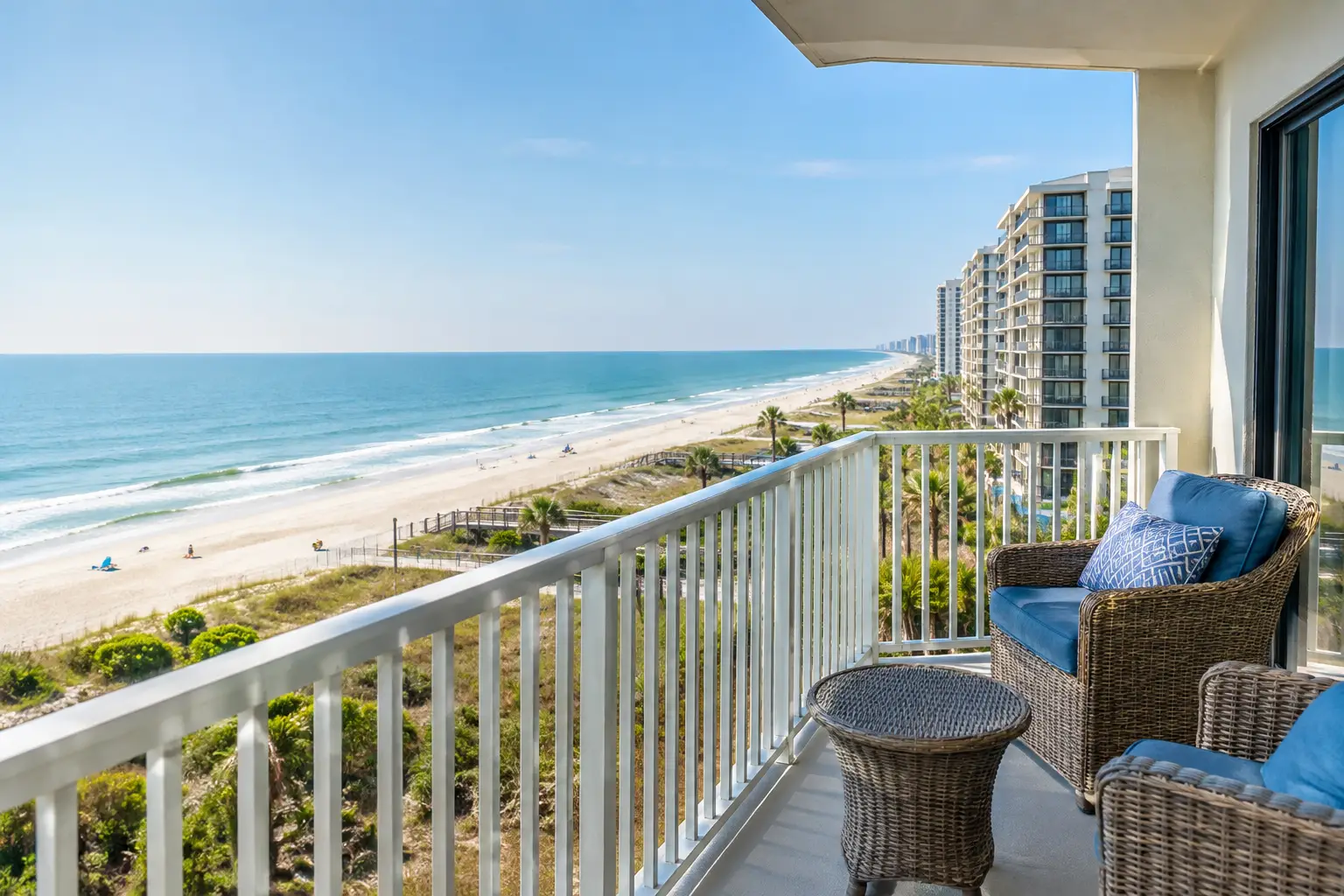
A condo can look like the perfect beach investment: ocean views, easy access to the sand, and rental income that helps cover ownership costs. But Myrtle Beach condo rental restrictions can change the numbers quickly. Before falling for the balcony view, buyers should understand exactly who makes the rules, what kind of rentals are allowed, and whether those rules fit the way they plan to use the property.
For some buyers, a building with strict rental policies is a deal-breaker. For others, it is exactly what they want – fewer rotating guests, quieter hallways, and a more residential feel. The right answer depends on whether you are buying a vacation retreat, a second home with occasional rentals, or a true income-producing property.
Who Sets Myrtle Beach Condo Rental Restrictions?
There is no single rulebook for every condo along the Grand Strand. Restrictions usually come from several places, and the most limiting rule is generally the one that matters.
The condominium association’s master deed, bylaws, rules and regulations, and rental policies are often the starting point. These documents may say whether short-term rentals are permitted, establish a minimum lease length, require owner or guest registration, limit the number of occupants, or set rules for pets, parking, and amenities.
A property may also have local zoning and business-license requirements. In Myrtle Beach and nearby coastal communities, short-term rental rules can vary by municipality and can change over time. A property that allows weekly rentals under its association documents may still require licensing, tax collection, safety compliance, or other local steps before it can be rented legally.
Finally, financing can create its own practical restriction. A condo may technically allow rentals, but lender requirements can make a purchase harder if the project has a high percentage of investor-owned or short-term-rental units, weak insurance coverage, pending litigation, or insufficient reserves. That does not automatically make the condo a poor choice. It does mean buyers should match the building to their financing plan early.
The Rental Rules That Matter Most Before You Buy
The phrase “rentals allowed” is not enough. Ask for the details in writing and read the documents carefully. A few lines in a policy can make a major difference in how you use the condo and what income it may reasonably produce.
Minimum rental periods
Some communities permit nightly and weekly stays. Others require rentals of 30 days, 90 days, six months, or longer. A 30-day minimum usually removes the vacation-rental market from the equation, while a weekly minimum may still work well for seasonal beach demand.
Do not assume that a condo near the ocean is automatically set up for short stays. Buildings marketed as residential, especially those away from the busiest tourism areas, may deliberately limit transient rentals to preserve a quieter owner-occupied atmosphere.
Rental caps and waiting lists
An association may limit the percentage of units that can be rented at one time. If the cap has been reached, a new owner may be placed on a waiting list or may be unable to rent immediately. In some communities, the restriction applies to all rentals; in others, it applies only to short-term rentals.
This is one of the most important details for an investment buyer. A unit can have an excellent rental history under its current owner, yet a buyer may not inherit the right to continue renting without interruption. Never rely on a verbal assurance that “everybody rents.” Confirm whether the rental privilege transfers with the sale and whether a cap is currently met.
On-site versus off-site management
Many oceanfront resorts operate with an on-site rental program. Joining the program may give owners marketing exposure, reservation support, housekeeping, and access to a well-established guest base. The trade-off is that management fees, service charges, furnishing standards, and booking rules can reduce the owner’s flexibility.
Other condos permit owners to choose their own property manager or handle bookings independently. That may offer more control, but it also places more responsibility on the owner for cleaning, guest communication, taxes, maintenance, and compliance. A rental estimate should account for the management arrangement required by the building, not just the nightly rate seen online.
Owner use, guest rules, and pets
Rental policies often affect personal enjoyment as much as income. Some buildings limit how long an owner can stay during peak rental periods if the unit is enrolled in a rental program. Others require guest passes, prohibit certain pets, restrict golf cart parking, or limit access to pools, fitness rooms, and other amenities for renters.
These details can feel small when you are touring a sunny condo, but they shape daily ownership. If your plan includes bringing a dog, hosting family, or spending several summer weeks at the beach, put those plans next to the rules before making an offer.
How Restrictions Affect Value and Resale
Rental rules influence the pool of future buyers. A condo with liberal short-term rental policies may appeal to investors and buyers seeking vacation income. It may also experience more guest traffic, greater wear on common areas, and income that rises or falls with tourism, weather, and travel trends.
A building with tighter restrictions may attract retirees, second-home owners, and buyers looking for stability and a peaceful setting. Those features can support demand from a different audience, even if they limit investor interest. Neither model is automatically better. The value is in buying the property that aligns with your goals and understanding who is likely to want it when you sell.
Association finances matter, too. Review the current budget, reserve funding, insurance deductibles, special assessments, planned repairs, and rental-related income. Coastal buildings face ongoing maintenance needs from salt air, wind, humidity, roofs, elevators, pools, and exterior systems. A well-managed association can be a real asset, while deferred work can become expensive for owners.
A Smart Review Process for Buyers
Before the inspection period ends, request the full association package rather than relying on a listing description. Read the declaration, bylaws, current rules, budget, meeting minutes, insurance information, reserve information, and any rental policy or management agreement. Minutes can be especially revealing because they may show recurring concerns such as parking, noise, water intrusion, security, rental complaints, or upcoming projects.
Then ask direct questions. Is short-term rental use currently allowed? Is there a rental cap or waiting list? Does an owner need a business license or permit? Are there transfer fees or rental registration fees? Can owners use an outside management company? Are there pending rule changes? Is the seller currently renting, and can documented rental records be provided?
If rental income is central to the purchase, use conservative numbers. Gross bookings are not the same as net income. Include management fees, association dues, insurance, utilities, furnishing replacement, cleaning, taxes, repairs, vacancies, and any required resort or program fees. A beautiful condo can still be a poor investment if the carrying costs outrun realistic revenue.
It is also wise to speak with your lender before narrowing the search. A lender experienced with coastal condos can identify project approval questions early, helping you avoid spending time and money on a property that will not work with your intended loan type.
When a Restriction May Be a Good Thing
Not every restriction is bad news. A limit on short-term rentals can protect the calm, residential character that made you love a building in the first place. Guest registration may improve security. Pet rules may keep common areas cleaner. Rental standards may help preserve the condition of the property and its furnishings.
The key is transparency. Restrictions are frustrating when they are discovered after closing, not when they are clearly understood and factored into the offer price and ownership plan.
A beach condo should feel like a good fit long after the first walk to the water. Whether you want rental income, a quiet coastal escape, or a little of both, take the time to make sure the rules support the life you picture there. The best ocean view is even better when there are no surprises waiting behind the association documents.
Leave a Reply