Category: Coastal Carolina Real Estate

  • Georgetown, South Carolina Riverfront Downtown

    Georgetown, South Carolina Riverfront Downtown

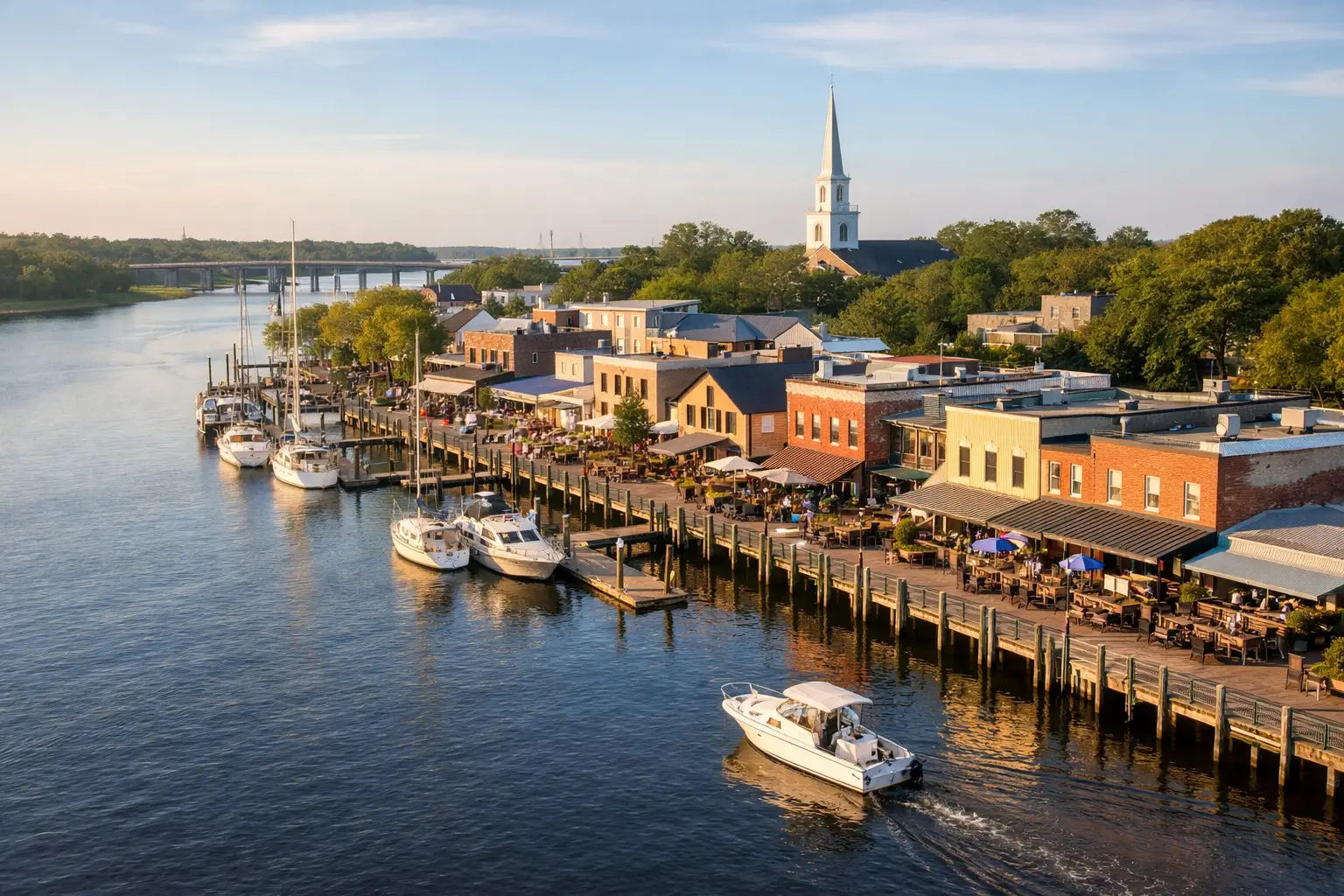
    Some places make their case in five minutes. Georgetown, South Carolina riverfront downtown does it in about one block. You see the waterfront, the boats, the old brick facades, the oak-lined streets just beyond Front Street, and suddenly the question shifts from “Should we visit?” to “Could we live here?” For buyers looking along the South Carolina coast, that is a very real question – especially if you want character, walkability, and a town that feels settled rather than overbuilt.

    Georgetown has a different rhythm than some of the busier coastal communities nearby. It is historic without feeling staged, scenic without trying too hard, and active without the constant push of heavy tourist energy. That balance is a big part of its appeal, particularly for people considering a primary home, a second home, or a retirement move.

    Why Georgetown, South Carolina riverfront downtown stands out

    The riverfront is the center of attention, and rightly so. Front Street runs alongside the water with restaurants, shops, marinas, and public spaces that make the town easy to enjoy on foot. It is the kind of downtown where an ordinary afternoon can turn into dinner by the water, a quick stop in a local boutique, and a slow walk past the harbor as the light changes.

    For homebuyers, that setting matters because it creates a lifestyle, not just a pretty backdrop. Many people searching in Georgetown County are not only comparing square footage and price. They are comparing how daily life feels. In Georgetown, the appeal often comes from being able to park the car, spend time outdoors, and enjoy a smaller-town atmosphere that still has dining, culture, and community events.

    There is also a practical side to that charm. A historic downtown and active waterfront tend to support long-term interest in the area. That does not mean every property will appreciate the same way or that every buyer should prioritize downtown access. But it does mean Georgetown offers something distinct in a coastal market where many towns can start to blend together.

    The lifestyle around the riverfront downtown

    If you are picturing a boardwalk beach town, Georgetown is not that. Its personality is more tied to the river, the harbor, and its long history as one of South Carolina’s oldest communities. That gives it a deeper, more rooted feel than places built mainly around seasonal visitors.

    A typical day here can be pleasantly simple. Coffee near the waterfront, errands in a compact downtown area, lunch with a water view, maybe a museum stop or a marina stroll, then home to a quieter neighborhood. That routine especially appeals to retirees, remote workers, and second-home owners who want access to coastal scenery without the nonstop pace of larger tourist markets.

    There is enough going on to keep things interesting, but not so much that the town feels crowded all the time. Seasonal shifts still matter, of course. Warmer months and event weekends bring more activity. If you love energy and people, that is part of the fun. If you prefer peace and easy parking, you may want to look just outside the most active downtown blocks while still staying close enough to enjoy them.

    Walkability and everyday convenience

    Walkability is one of downtown Georgetown’s strongest lifestyle features, though it depends on exactly where you buy. A home in or near the historic district may give you easy access to restaurants, shops, and waterfront views. A property farther out may still be just a short drive away, but it will not deliver the same day-to-day experience.

    That distinction matters because buyers often say they want to be “near downtown,” but what they actually mean varies. Some want to stroll to dinner several nights a week. Others just want a charming destination nearby for weekends and visiting family. Both are valid, but they can point to different neighborhoods and price points.

    History is part of the value

    Georgetown’s historic character is not a side note. It shapes the streetscape, the architecture, and the feel of the community. Older homes can offer details you simply do not find in newer construction – porches, craftsmanship, mature landscaping, and a sense of place that is hard to duplicate.

    The trade-off is that historic or older properties may come with more maintenance, renovation needs, or insurance considerations. Buyers who love charm should go in with open eyes. The right older home can be a wonderful fit, but it helps to understand the difference between cosmetic updates and larger structural or systems issues.

    What homebuyers should know before focusing on downtown Georgetown

    Riverfront living and historic downtown appeal can make Georgetown very attractive, but every coastal purchase deserves careful homework. Waterfront proximity, flood zones, insurance costs, and property condition all deserve attention before you fall in love with the view.

    This is where the “it depends” part really matters. A condo near downtown may offer low-maintenance convenience and easy access to restaurants and events. A single-family home in a nearby neighborhood may give you more space, privacy, and yard area. A historic property may check every charm box but require a different maintenance mindset than newer construction.

    Price ranges can also vary more than buyers expect. Two homes in Georgetown may be only a few minutes apart yet feel very different in age, updates, lot size, and flood exposure. That is one reason broad online searches rarely tell the whole story.

    The downtown buyer is not always the same as the Georgetown buyer

    Some people are specifically drawn to riverfront downtown life. Others like Georgetown as a whole but end up choosing neighborhoods outside the core because they want a garage, a larger lot, a newer floor plan, or a little more distance from visitor traffic. Neither choice is better. It comes down to what kind of daily life you want.

    If entertaining guests, dining out, and being close to local events are high on your list, downtown proximity may be worth the premium. If your priority is a quiet retreat with occasional trips into town, then looking a bit farther out may give you more flexibility and value.

    How Georgetown compares with nearby coastal options

    Buyers often cross-shop Georgetown with places like Pawleys Island, Murrells Inlet, and parts of the greater Myrtle Beach area. Georgetown usually appeals to those who want a more historic, small-town feel and less of a resort atmosphere.

    Pawleys Island may win for buyers focused on beach access and a laid-back coastal residential setting. Murrells Inlet often attracts people who want marsh views, seafood restaurants, and a livelier dining scene. Georgetown offers something a little different – more riverfront downtown identity, more visible history, and a town center that feels like the heart of the community rather than an added feature.

    For some buyers, that is exactly the draw. For others, the quieter pace may feel too quiet. The best fit depends on whether you want your home base to feel more like a beach hub, a residential retreat, or a historic waterfront town.

    Is Georgetown riverfront downtown a good fit for investment buyers?

    It can be, but not automatically. Investors should look past charm and focus on local regulations, property type, carrying costs, and realistic rental demand. Some properties perform better as long-term rentals than short-term vacation rentals, and some buyers ultimately find that a lifestyle purchase is the real motivation rather than maximum income.

    That is not a bad thing. In coastal markets, many buyers are balancing enjoyment and investment rather than chasing one goal alone. A well-chosen property in Georgetown can have strong personal value, especially if you plan to use it regularly and hold it for the long term.

    The feel you cannot measure on a listing sheet

    There are features you can compare easily – price per square foot, number of bedrooms, lot size, HOA dues. Then there are the things you notice only when you spend time in a place. Georgetown’s riverfront downtown has that second kind of appeal. It feels textured, lived-in, and local in a way that many buyers find refreshing.

    That does not mean it is for everyone. Some people want new construction, resort amenities, or quick beach access and will be happier elsewhere. But if you are looking for a coastal town with history, walkable waterfront charm, and a slower pace that still feels connected, Georgetown deserves a serious look.

    A good home search is never just about finding a house. It is about finding the setting that fits the life you want to live, and Georgetown may surprise you in all the right ways.

  • Relocating to South Carolina Coast: What to Know

    Relocating to South Carolina Coast: What to Know

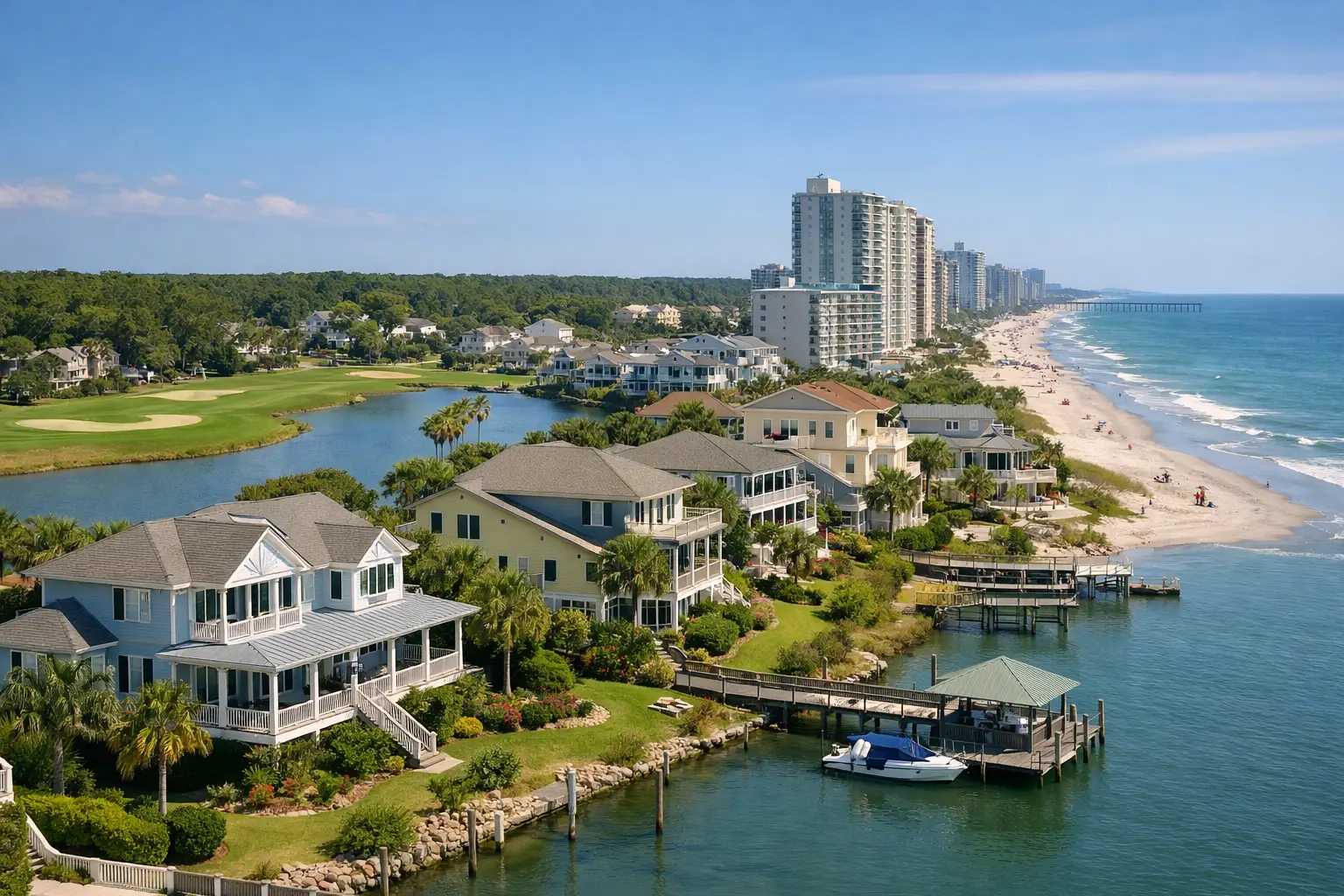
    Some people fall in love with the South Carolina coast on a long weekend. Others get serious after one July traffic backup, one January beach walk, or one look at property taxes compared with where they live now. Either way, relocating to South Carolina coast is not just a change of address. It is a lifestyle choice, and the right fit depends on how you want your everyday life to feel.

    If you are thinking about moving here, it helps to look beyond the postcard version. Yes, there is beach access, golf, seafood, and sunshine. There is also storm season, visitor traffic, insurance costs, and real differences between one coastal town and the next. A smart move starts with matching the area to your routine, your budget, and your long-term plans.

    Relocating to South Carolina Coast means choosing a lifestyle first

    Many buyers start with the home and then work backward. On the coast, it usually works better the other way around. Start with your daily rhythm. Do you want to walk to restaurants and events, or do you prefer a quieter neighborhood with more space? Are you planning to live here full time, split time between states, or use the property as an investment? Those answers will narrow your search faster than square footage alone.

    Myrtle Beach tends to attract buyers who want activity close at hand. You will find shopping, dining, entertainment, healthcare, and a wide range of neighborhoods at different price points. North Myrtle Beach has its own personality, with a beach-town feel that many second-home buyers and retirees appreciate. Murrells Inlet appeals to people who want waterfront character and a slightly more tucked-away atmosphere, while still staying connected to daily conveniences.

    If you keep heading south, Pawleys Island and Georgetown often appeal to buyers looking for a calmer, more established coastal setting. These areas can feel more relaxed and less commercial, but that can also mean a different inventory mix and fewer quick-hit entertainment options. Conway, Longs, Loris, and Little River offer alternatives for buyers who want easier access to the coast without always paying oceanfront or near-ocean prices.

    The home itself is only part of the cost

    A coastal move can look affordable at first glance, then shift once the full monthly picture comes into focus. Purchase price matters, of course, but so do homeowners insurance, flood insurance in some areas, HOA fees, maintenance, utilities, and any improvements needed to handle coastal weather.

    This is especially true if you are comparing inland homes with homes closer to the water. Two properties can have similar list prices and very different carrying costs. A condo may offer lower exterior maintenance but higher HOA dues. A single-family home may give you more privacy and flexibility, but roof age, siding condition, and elevation become more important near the coast.

    That does not mean one option is better. It means the best choice depends on how much upkeep you want, how often you will be in the home, and how tightly you want to manage monthly expenses. Buyers relocating from higher-cost states are sometimes pleasantly surprised by the market here, but it is still wise to look at the complete financial picture before falling for the view.

    Weather is part of the bargain

    People move for the mild winters and the outdoor lifestyle, and that appeal is real. You can play golf in months when northern states are digging out from snow. You can sit on the porch in February and actually enjoy it. But coastal living comes with weather responsibilities.

    Hurricane season is a real factor. So are heavy rains, humidity, salt air, and the wear those conditions place on homes over time. Buyers should pay attention to roof age, windows, drainage, and whether a property sits in a flood zone. Newer construction can offer peace of mind in some cases, especially when building standards, energy efficiency, and storm features are part of the package.

    Older homes can be wonderful too, especially in established neighborhoods with mature landscaping and larger lots. They may simply need a more careful review. On the coast, charm is great, but charm plus deferred maintenance can become expensive quickly.

    Town-by-town differences matter more than many buyers expect

    One of the biggest surprises for out-of-area buyers is how different neighboring communities can feel. A map does not show pace, traffic patterns, noise levels, or the feel of a Saturday afternoon in peak season.

    Myrtle Beach and North Myrtle Beach

    These areas offer broad appeal because they provide so many options. You can find condos, golf course communities, gated neighborhoods, new construction, and homes with easy beach access. For some buyers, that variety is exactly the draw. For others, the visitor traffic in peak season can be a reason to look slightly farther out.

    Murrells Inlet, Garden City Beach, and Surfside Beach

    These spots often attract buyers who want a coastal lifestyle that feels a bit more settled. Murrells Inlet has a strong local identity and a waterfront flavor that many people love right away. Garden City Beach and Surfside Beach can be appealing if you want beach proximity with a more neighborhood-oriented feel.

    Pawleys Island and Georgetown

    These communities can be a strong fit for buyers who prefer a quieter pace and more traditional coastal character. They often appeal to retirees, second-home buyers, and anyone who values a less crowded atmosphere. The trade-off is that inventory and pricing can reflect that desirability.

    Conway, Little River, Longs, and Loris

    These areas deserve a look if your priorities include more space, different price points, or some separation from the busiest beach zones. You may give up immediate ocean access, but many buyers find the value equation compelling. For year-round living, that balance can make a great deal of sense.

    Relocating to South Carolina coast for retirement, work, or investment

    Your reason for moving shapes almost everything else. Retirement buyers often focus on healthcare access, low-maintenance living, one-level floor plans, and social amenities. Families may prioritize school options, commute routes, yard space, and neighborhood stability. Remote workers often want reliable internet, a dedicated office, and a location that feels relaxed without feeling isolated.

    Investment-minded buyers need a different lens. Rental rules vary by area and by community, and a property that works beautifully as a primary residence may not be the strongest fit as a vacation rental. HOA restrictions, parking, owner-use goals, and seasonality all matter. This is one area where emotion can lead buyers off track if the numbers and rules are not checked carefully.

    Timing your move can make the process easier

    The coast has its own rhythm. Spring and summer can be exciting because everything is active and the area is showing off. They can also be crowded, and home shopping may feel more competitive in certain segments. Fall often gives buyers a clearer sense of what everyday life feels like once the peak visitor season eases. Winter can be especially useful if you are trying to decide whether you want a lively tourist corridor or a quieter full-time residential setting.

    If possible, visit at least twice before buying. Come once when the weather is ideal and once when it is not. Drive the route to the grocery store, not just the beach. Sit in traffic at the hour you would actually be out. Check how long it takes to reach medical care, restaurants, and the places you will use every week. Vacation impressions are helpful, but daily-life impressions are better.

    Work with local guidance, not just online listings

    Online listings can show price, photos, and basic features. They do not always tell you how a neighborhood feels in October, which areas tend to hold value well, or what buyers tend to overlook until after closing. That local insight matters, especially if you are moving from out of state and trying to make a decision on an unfamiliar area.

    This is where an experienced local agent earns their keep. Someone who understands both new construction and resale can help you weigh the trade-offs clearly. A shiny new home may reduce maintenance concerns, while an existing home may offer location advantages or established surroundings that are hard to duplicate. Neither is automatically the better buy.

    For buyers considering both sides of the state line, it can also help to work with someone who understands the differences between coastal South Carolina and nearby Brunswick County, North Carolina. In some cases, the right move is not the town you first expected. Cyndy Otto works with buyers across both areas, which can be especially helpful when your search starts broad and then narrows to the place that feels right.

    The best coastal move is rarely the one that looks perfect for a weekend. It is the one that fits your mornings, your budget, your pace, and the way you want life to feel a year from now. Take your time, ask the practical questions, and let the charm of the coast be part of the decision, not the whole decision.

  • Best Neighborhoods in Myrtle Beach, SC:  Where to Live

    Best Neighborhoods in Myrtle Beach, SC: Where to Live

    Finding the best neighborhoods in Myrtle Beach, SC starts with understanding what each area offers. From oceanfront communities and golf course neighborhoods to quieter residential areas, Myrtle Beach has options for different lifestyles and budgets. Whether you’re relocating, retiring, purchasing a vacation home, or investing in coastal real estate, choosing the right neighborhood means looking beyond the home itself.

    For homebuyers, retirees, second-home shoppers, and investors, the smart move is to narrow the search by how you want to live day to day. Commute, traffic, HOA style, rental rules, flood considerations, and how close you want to be to the sand all shape which neighborhood will feel right long after move-in day.

    Choosing between a condo and a single-family home? Our Condo vs. House in Myrtle Beach guide compares important considerations to help you decide which property type fits your coastal lifestyle.

    How to think about neighborhoods in Myrtle Beach, SC

    It helps to shop these areas the way you would shop homes – by category first, then by specific fit. Some neighborhoods are built around golf and amenities. Some are more residential and tucked away from the visitor-heavy parts of town. Others are popular because they put you near shopping, restaurants, medical care, and major roads without dropping you right into the busiest resort zones.

    Price point also shifts fast from one area to the next. A home a little farther inland may offer more square footage, newer construction, and lower insurance costs than something closer to the ocean. On the other hand, buyers who value beach access or vacation-rental potential may see real value in paying more for location.

    Popular residential areas around Carolina Forest

    Carolina Forest offers several distinct communities worth exploring. The Farm at Carolina Forest is known for its residential setting and neighborhood amenities, while Berkshire Forest offers a planned-community atmosphere with a variety of home styles. Waterbridge is another option for buyers interested in a community with extensive recreational amenities.

    Each neighborhood has its own character, HOA requirements, home styles, and amenities. Buyers should compare these details carefully rather than assuming every Carolina Forest community offers the same lifestyle.

    For many buyers, Carolina Forest is the first area that gets attention, and for good reason. It has a broad mix of single-family neighborhoods, townhomes, newer construction communities, schools, shopping, and convenient access to major roads. It tends to appeal to primary residents because it feels established, practical, and livable year-round.

    Within the larger Carolina Forest area, neighborhoods can feel quite different from one another. Some have larger homesites and a more traditional suburban feel. Others are designed around amenities, sidewalks, and newer floor plans. If you want convenience over oceanfront proximity, this part of Myrtle Beach often rises to the top of the list.

    The trade-off is that you are not right on the beach, and traffic can still be a factor during peak seasons. Still, many buyers decide the balance works well, especially if they want a full-time home instead of a vacation-oriented property.

    Market Common and the appeal of walkable living

    One of Market Common’s biggest attractions is its combination of residential neighborhoods and nearby destinations. Residents can enjoy restaurants, boutique shopping, and entertainment around the Market Common district. Grand Park offers walking paths and recreational spaces, while Savannah’s Playground provides an accessible outdoor play area for families.

    For homebuyers, the important distinction is that walkability varies by property. Some homes are within a comfortable walk of the shops and restaurants, while others are better suited to a short drive or bike ride. Buyers should consider the specific location rather than assuming every Market Common address offers the same convenience.

    Market Common has its own personality. Buyers drawn here usually want a more connected lifestyle – think restaurants, shops, parks, fitness options, and community events close by. It offers one of the more walkable experiences in the greater Myrtle Beach area, which can be a major plus for people who want to leave the car parked more often.

    Homes here often attract buyers looking for style, convenience, and a polished neighborhood setting. It can be especially appealing for second-home owners and retirees who want access to everyday amenities without feeling isolated. The beach is still close, but the real draw is the lifestyle structure built around the area.

    The trade-off is that demand tends to stay strong, and that can affect both price and inventory. If a buyer wants larger lots or a more tucked-away feel, this may not be the best fit.

    Grande Dunes for upscale coastal living

    Grande Dunes and The Dunes offer different residential experiences. Grande Dunes is a large master-planned development featuring multiple communities, including gated neighborhoods, golf-oriented properties, and homes near the Intracoastal Waterway. The Dunes Club area is an established residential neighborhood known for its mature landscaping, proximity to the beach, and connection to the historic Dunes Golf and Beach Club.

    Buyers comparing these areas should look beyond the homes themselves. HOA fees, club memberships, golf access, community amenities, and property-specific restrictions can vary significantly. Living in either area does not automatically include access to every nearby private club or amenity. Confirm these details before purchasing.

    When buyers ask about luxury neighborhoods, Grande Dunes usually enters the conversation quickly. This area is known for higher-end homes, gated sections, golf, waterway access in some parts, and a more upscale amenity package. It appeals to buyers who want a polished coastal property with a strong neighborhood identity.

    What stands out here is the range within the luxury category. Some sections feel private and estate-like, while others offer a resort-style atmosphere. Buyers who prioritize club living, architectural detail, and premium location often find this area worth a close look.

    Of course, upscale buying comes with added considerations. HOA fees, club memberships in some cases, and maintenance expectations can all play a role. For the right buyer, those are part of the appeal. For others, they may feel like more structure than necessary.

    The Dunes and established Myrtle Beach neighborhoods

    If you prefer mature landscaping and a neighborhood with a long-standing reputation, the Dunes area is worth attention. Established neighborhoods often bring character that newer communities cannot fully replicate. Larger trees, custom homes, and proximity to both beach access and core Myrtle Beach conveniences give this part of town staying power.

    Many buyers like the sense that these neighborhoods have settled into themselves. You may find a wider variety of home styles and lot sizes, which can be refreshing if newer construction communities feel too uniform. Established areas can also be attractive to buyers who want less of a planned-development atmosphere.

    That said, older homes can come with maintenance realities. Updates, insurance questions, and renovation costs may become part of the buying decision. That does not make them less desirable – it just means value should be judged with clear eyes.

    South Myrtle Beach and Surfside-adjacent options

    Some buyers want to stay close to Myrtle Beach but lean toward the southern side for a slightly different feel. Areas near the city line heading toward Surfside Beach can offer a nice balance of access and atmosphere. You may still be close to attractions and shopping, but with pockets that feel a bit more residential and less visitor-focused.

    This can be a smart lane for buyers who want beach access without necessarily being in the center of the highest-traffic zones. Depending on the neighborhood, you may also find a mix of full-time residents, second-home owners, and investment properties.

    That mix matters. A street with mostly primary residences may feel very different from one with a high share of short-term rental activity. Neither is automatically better. It depends on what kind of day-to-day environment you want.

    Golf course communities and gated neighborhoods

    Myrtle Beach has no shortage of golf-centered communities, and they remain a major draw. For some buyers, golf is the attraction. For others, it is really about the landscaping, open views, amenity packages, and neighborhood design that often come with these communities.

    Gated neighborhoods also appeal to buyers who want a certain level of privacy and consistency. These communities can offer attractive common areas, clubhouses, pools, and organized social calendars. That can be a strong fit for retirees or second-home owners who want built-in lifestyle value.

    Still, it is wise to look beyond the entrance signage and pool deck. HOA rules, guest policies, rental restrictions, and fee structures can vary quite a bit. A beautiful neighborhood is only the right neighborhood if the terms fit how you plan to use the home.

    What buyers should compare before choosing

    A neighborhood can look perfect online and still miss the mark in person. The details that matter most are often the ones buyers do not fully feel until they tour the area at different times of day.

    Pay attention to traffic patterns, especially if you will be here full-time. Look at how close the neighborhood is to grocery stores, medical care, golf, marinas, or the beach depending on your priorities. Ask about flood zones, insurance costs, and whether the community allows short-term rentals if investment potential matters to you.

    It also helps to think ahead. If this is your retirement home, will the layout still work in ten years? If this is a second home, how much upkeep are you comfortable managing from a distance? If this is an investment property, does the neighborhood support the kind of rental strategy you have in mind?

    For buyers comparing several areas, local guidance can save a lot of time. A neighborhood that looks similar on paper may feel completely different once you understand who tends to buy there, how homes hold value, and what everyday life is actually like. That is where experience in both existing homes and new construction really becomes useful.

    The right Myrtle Beach neighborhood is not just the one with the prettiest entrance or the shortest drive to the ocean. It is the one that fits your routine, your budget, and the version of coastal living you will still enjoy after the novelty wears off.

    Find the Myrtle Beach Neighborhood That Fits You

    From beachside condos to established residential communities, finding the right neighborhood starts with understanding your priorities. Cyndy Otto can help you explore local communities, compare properties, and narrow your search to homes that fit your lifestyle and budget.

    Planning a Move to the Carolina Coast?

    Choosing the right neighborhood is just one part of relocating. Our Carolina Coast Relocation Guide can help you explore coastal communities, compare lifestyles, and prepare for your move.

    Connect with Cyndy Sells the Seashore⁠ to get started.


  • North Carolina Real Estate Forecast 2026

    North Carolina Real Estate Forecast 2026

    A coastal market can change tone fast. One month, buyers are waiting for rates to settle. The next, a well-priced home in the right neighborhood has three serious showings in a weekend. That is why any north carolina real estate forecast needs to look past headlines and focus on what is happening on the ground, especially in places like Brunswick County where lifestyle, retirement demand, and second-home interest all shape the market.

    For 2026, the most likely story is not a dramatic boom or crash. It is a market that keeps normalizing, with more balance than the frenzied years buyers and sellers still remember. Prices may continue to rise in many North Carolina communities, but probably at a slower and healthier pace. Inventory should improve in some areas, though desirable coastal towns may still feel tight because demand for well-located homes remains strong.

    What the north carolina real estate forecast suggests for 2026

    If you are buying or selling in North Carolina, especially near the coast, the biggest forces to watch are mortgage rates, inventory, insurance costs, and migration patterns. These factors matter more than broad national predictions because they affect monthly affordability and buyer confidence right away.

    Mortgage rates are still the market’s mood setter. If rates ease even modestly in 2026, more buyers who have been sitting on the sidelines may jump back in. That usually creates stronger demand quickly, especially for move-in-ready homes. If rates stay elevated, activity may remain steady but more selective. Buyers will still shop, but they will negotiate harder and think longer before making an offer.

    Inventory is the second piece of the puzzle. North Carolina has seen persistent demand from retirees, relocators, and remote or semi-remote workers looking for a different pace of life. In coastal areas, that demand often meets limited resale inventory and continued new construction. More supply helps the market function better, but not all inventory has the same impact. A large number of high-end or newly built homes does not always help entry-level or mid-range buyers.

    The result is a market that may feel very different depending on price point. Homes with broad appeal and realistic pricing should continue to attract attention. Overpriced homes, or homes that need work without a pricing adjustment, may sit longer than sellers expect.

    Prices will likely keep rising, just not at the same speed

    One of the most common questions buyers ask is whether they should wait for prices to fall. In most North Carolina markets, and particularly in sought-after coastal communities, a major price drop seems less likely than a period of slower appreciation. That is an important difference.

    There is still long-term appeal in towns like Calabash, Ocean Isle Beach, Sunset Beach, Shallotte, Holden Beach, Oak Island, and Southport. Some buyers want a primary home near the water. Others are looking for retirement, a vacation property, or an investment that can also serve family use. That layered demand tends to support values, even when the market cools from a hotter cycle.

    Still, appreciation is rarely even across the board. A newer home in a popular neighborhood with good access to beaches, golf, dining, and medical care may hold value differently than an older property that needs updates or has a less convenient location. Waterfront and near-water homes can also behave differently from inland neighborhoods because insurance and carrying costs play a bigger role.

    So the 2026 expectation is not simply that “prices go up.” It is that pricing becomes more property-specific. Condition, flood zone considerations, HOA structure, and true lifestyle value will matter more.

    Brunswick County may stay more resilient than many buyers expect

    Brunswick County continues to benefit from a mix of lifestyle demand and relative value compared with some neighboring coastal markets. For many buyers, it offers a sweet spot: beach access, a slower pace, and more housing variety than they might find in tighter, higher-priced areas.

    That does not mean every segment will perform the same way. Smaller homes, single-level living, low-maintenance communities, and properties close to daily conveniences may stay especially competitive. Buyers looking for retirement or a second home often prioritize ease and location over square footage alone. Sellers with homes that match that checklist may have an advantage, even in a more balanced market.

    Buyers in 2026 may have more room to think, but not forever

    For buyers, this forecast comes with a bit of good news. The intense urgency of past peak years has eased in many places. That can mean more time to compare homes, stronger negotiating opportunities, and a better chance of getting inspections and reasonable contract terms without feeling rushed.

    But more breathing room does not mean endless leverage. If rates dip and inventory is still limited in the most desirable pockets, buyer competition can heat up again quickly. That is especially true for homes that are clean, updated, and priced correctly from day one.

    Affordability will still be the main pressure point. Even if home prices rise more slowly, taxes, insurance, HOA dues, and maintenance costs all affect the real monthly budget. Along the North Carolina coast, insurance is not a side note. It is part of the decision. Buyers should go into 2026 expecting to compare not just sale price, but total ownership cost.

    That matters for second-home and investment buyers too. A property that looks attractive on list price alone may feel very different after insurance quotes, furnishing costs, and rental restrictions are factored in.

    Sellers should expect a smarter, pickier buyer

    If you are planning to sell in 2026, this may still be a good market, but it is not the kind that forgives every pricing mistake. Buyers have become more aware of value, and many are watching interest rates closely. They are less likely to stretch for a home that feels overpriced or underprepared.

    That puts more weight on presentation, timing, and realistic expectations. Homes that show well and are priced in line with current competition can still perform beautifully. Homes priced based on last year’s wishful thinking may end up helping neighboring listings look better.

    The north carolina real estate forecast for sellers is really a forecast about discipline. The right list price matters. So does understanding what buyers in your area actually want. In some neighborhoods, updated kitchens and baths still move the needle. In others, buyers care more about first-floor living, screened porches, garage space, or low exterior maintenance.

    This is also where hyper-local guidance matters. Two homes with similar square footage can attract very different interest based on flood risk, road access, age of roof and systems, and how well they fit current buyer priorities.

    New construction will continue to shape the conversation

    New construction remains a meaningful part of many coastal Carolina markets, and that includes Brunswick County. For some buyers, a new home is appealing because of energy efficiency, modern floor plans, lower immediate maintenance, and builder incentives.

    For resale sellers, that creates competition, but not always a disadvantage. Resale homes can offer mature landscaping, established neighborhoods, lower HOA structures in some cases, and locations that are harder to replicate. Buyers often compare the two closely, so sellers need to understand where their home stands out.

    For buyers, the trade-off is simple but important. A new build may offer fewer repair worries upfront, but lot premiums, upgrade costs, and construction timelines can change the equation. A resale home may need a few updates, yet offer stronger location or better value overall. It depends on the buyer’s timeline, budget, and tolerance for compromise.

    What could shift this forecast

    Every market forecast comes with a few moving pieces. If mortgage rates fall faster than expected, demand could rebound more strongly and push prices up faster in some areas. If rates stay high longer, the market may remain steady but slower. If insurance costs rise sharply in certain coastal zones, buyer behavior could change at the neighborhood level.

    Employment trends, consumer confidence, and migration from higher-cost states will also matter. North Carolina continues to attract people for lifestyle reasons, and coastal communities often benefit from that interest. But buyers in 2026 are likely to be practical. They want the beach lifestyle, yes, but they also want monthly costs they can live with comfortably.

    That is why the best forecast is not just about where the market is going. It is about what kind of property will stay attractive as conditions shift. Homes with strong locations, manageable carrying costs, and broad lifestyle appeal should remain the safest ground.

    If you are planning a move in 2026, the smart approach is not to chase the perfect headline. It is to look closely at your timing, your budget, and the kind of home that will still feel right a few years from now. In coastal North Carolina, that kind of clarity usually beats trying to time the market by a month or two.

  • Brunswick County vs Myrtle Beach

    Brunswick County vs Myrtle Beach

    If you are weighing brunswick county vs myrtle beach, you are probably not just choosing a zip code. You are choosing your pace, your daily view, your weekend routine, and the kind of home life you want to build near the coast. On a map, these areas can look close enough to feel interchangeable. In real life, they offer very different experiences.

    For some buyers, Myrtle Beach feels exciting, active, and full of options. For others, Brunswick County feels like the exhale after a long week – quieter roads, smaller beach towns, and a more relaxed rhythm. Neither is automatically better. The right choice depends on how you want to live, how often you plan to use the home, and what matters most once the novelty of a beach address wears off.

    Brunswick County vs Myrtle Beach: the feel of daily life

    The biggest difference is not just North Carolina versus South Carolina. It is how each area feels on an ordinary Tuesday.

    Myrtle Beach and the surrounding Horry County communities tend to offer more action. There are more restaurants, entertainment spots, shopping centers, golf courses, and year-round attractions. If you like having plenty to do without much planning, this can be a real advantage. Areas like Myrtle Beach, North Myrtle Beach, Surfside Beach, Garden City Beach, and Murrells Inlet each have their own personality, but they generally share a busier coastal energy.

    Brunswick County usually appeals to buyers looking for a calmer lifestyle. Towns like Calabash, Ocean Isle Beach, Sunset Beach, Shallotte, Holden Beach, Oak Island, and Southport often feel more residential and less commercial. That does not mean there is nothing to do. It means the experience is less crowded and often more local. Many people are drawn to Brunswick County because it still feels like a place where beach living can be simple.

    If you are retiring, buying a second home, or moving from a high-traffic area, that difference matters. Some people want live music, attractions, and quick access to everything. Others want porch time, beach walks, and less noise. Both lifestyles can be wonderful. They are just not the same.

    Home prices and what your money may buy

    Real estate decisions often start with lifestyle, but they get serious when budget enters the room.

    In broad terms, Brunswick County can offer more breathing room for buyers who want coastal access without paying for a heavily built-up tourist market. Depending on the town, community, age of the home, and whether you are on the water, near the water, or inland, buyers may find more house or a larger lot for the money than in some Myrtle Beach area locations.

    That said, Myrtle Beach is not one market. A condo near the ocean, a golf community home in Carolina Forest, a property in North Myrtle Beach, and a home farther inland in Conway or Longs can vary widely in price and value. The same is true in Brunswick County. Oceanfront and close-to-beach properties in Ocean Isle Beach, Sunset Beach, Oak Island, or Southport can command strong prices.

    This is where broad comparisons can be misleading. Buyers sometimes assume Brunswick County is always cheaper or that Myrtle Beach is always more expensive. Sometimes yes, sometimes no. It depends on property type, flood considerations, HOA structure, rental potential, and how close you want to be to the beach or major amenities.

    For sellers, the same idea applies. The market story is rarely just about county lines. It is about buyer demand for a specific lifestyle and property style.

    Traffic, tourism, and the reality of getting around

    Beach living sounds dreamy until you are sitting in seasonal traffic wondering if a two-mile drive should really take that long.

    Myrtle Beach generally sees more tourism volume, and that affects day-to-day movement. During peak season, roads near the beach, major attractions, and shopping corridors can feel crowded. For some homeowners, that is a small trade-off for the convenience of nearby dining, medical offices, airport access, and entertainment. For others, it becomes a deciding factor.

    Brunswick County usually offers a less congested experience, especially in communities that are less centered on large-scale tourism. Traffic still picks up in summer and near popular beach towns, but the overall pattern often feels easier to manage. Buyers who value a lower-key environment often notice this right away.

    If you plan to use your home as a vacation property and only visit during shoulder seasons, traffic may not be a major concern. If this will be your primary residence and you expect to run errands, attend appointments, and host family throughout the summer, it deserves real attention.

    Beaches, charm, and the kind of coast you want

    Not all beach experiences are interchangeable. That is one reason the brunswick county vs myrtle beach decision can feel more personal than practical.

    Myrtle Beach offers a classic resort-coast experience. There is energy, activity, and plenty of ways to entertain guests of all ages. If you have children or grandchildren who want miniature golf, boardwalk fun, restaurants, and easy variety, Myrtle Beach and nearby towns can check a lot of boxes.

    Brunswick County beaches often attract buyers who want a more natural, laid-back setting. Sunset Beach and Holden Beach, for example, are loved for their quieter feel. Southport brings waterfront charm with a historic touch. Calabash has its own identity and dining reputation. Ocean Isle Beach sits in a nice middle ground for many buyers who want beach access with a relaxed but welcoming atmosphere.

    This comes down to what “fun” means to you. For one buyer, fun is being near activity. For another, fun is not hearing much at all.

    Primary home, second home, or investment

    Your intended use should shape your search from the start.

    For a primary residence, many buyers focus on healthcare access, grocery stores, commute needs, community feel, and whether the area still suits them when friends and family are not visiting. A quiet beach town can be a dream for full-time living, but some buyers later realize they miss having more nearby dining, shopping, or entertainment. On the other side, some buyers choose a busier area and later wish for less traffic and fewer visitors.

    For a second home, ease and enjoyment tend to lead the conversation. You may want low maintenance, proximity to the beach, and a location that feels like a getaway the moment you arrive. Condos are often part of that discussion, especially in the Myrtle Beach area, though Brunswick County also offers appealing options.

    For investment property, the details matter even more. Rental rules, seasonality, HOA restrictions, carrying costs, and guest demand can vary significantly. A property that looks attractive online may not perform the way you expect once management fees, insurance, and vacancy patterns are factored in. Areas with strong tourist traffic can offer rental appeal, but they can also come with more competition and different owner expectations.

    Who tends to prefer Brunswick County

    Brunswick County often makes sense for buyers who want coastal living with a softer edge. Many are drawn to the smaller-town feel, the less hurried pace, and neighborhoods that feel more lived in than visited. Retirees often appreciate that rhythm, but they are not the only ones. Remote workers, second-home buyers, and families looking for a quieter base are often just as interested.

    A buyer who says, “I want to be near the beach, but I do not need the crowds,” is often describing Brunswick County without realizing it.

    Who tends to prefer Myrtle Beach

    Myrtle Beach and surrounding communities often fit buyers who want convenience, variety, and activity close at hand. If dining out regularly, hosting visitors, golfing often, or having lots of nearby entertainment matters to you, this side of the coastal line may feel like home faster.

    It can also be a strong fit for buyers who want a wider range of condo and resort-style options, or who like being close to a larger tourism and service hub. Some people simply enjoy the energy. They do not want sleepy. They want options.

    The best choice is usually more specific than the headline

    The question is not always Brunswick County versus Myrtle Beach. Sometimes it is Sunset Beach versus North Myrtle Beach. Or Southport versus Murrells Inlet. Or Oak Island versus Surfside Beach. Once buyers narrow down what daily life should look like, the search usually becomes much clearer.

    That is why working with someone who understands both sides of the state line can save time and frustration. Cyndy Otto helps buyers and sellers compare these markets in a practical way, looking beyond the brochure version of coastal living to what actually fits your goals.

    A beach home should feel right after the photos, after the closing, and after your first busy summer weekend. The best place is the one that still fits when real life moves in.

  • Brunswick County Neighborhood Review Guide

    Brunswick County Neighborhood Review Guide

    Some neighborhoods look perfect online until you realize the grocery store is farther than expected, the summer traffic is heavier than you hoped, or the “quiet street” backs up to a busy cut-through. A good Brunswick County neighborhood review has to go past listing photos and community signs. It should help you picture everyday life.

    That matters here because Brunswick County offers a little bit of everything. You can live near the beach, in a golf community, in a growing inland neighborhood, or in a tucked-away area that feels slower and more residential. For buyers relocating, retiring, investing, or shopping for a second home, the best fit is rarely about one feature alone. It is usually about how price, pace, location, and maintenance all work together.

    What a Brunswick County neighborhood review should really cover

    If you are comparing communities, start with lifestyle before you start with finishes and floor plans. A beautiful home in the wrong location can feel like a compromise pretty quickly. The questions worth asking are simple. How close do you want to be to the beach? Do you want a golf course setting, a downtown feel, or a quieter residential street? Are you planning for full-time living, rental potential, or seasonal use?

    From there, practical details matter just as much. Some neighborhoods offer low-maintenance living with HOA-managed amenities, while others give you more independence and fewer monthly costs. Neither is automatically better. It depends on whether you want a pool, gates, landscaping support, or fewer rules and fees.

    Commute and convenience also deserve more attention than buyers sometimes give them. A place that feels ideal during a weekend visit may feel different when you are driving to appointments, shopping, restaurants, medical care, or the airport. In Brunswick County, even a short distance on the map can create a very different day-to-day routine depending on the season.

    Beach-close neighborhoods versus inland communities

    One of the biggest choices in any Brunswick County neighborhood review is whether you want to live close to the water or a bit farther inland. The answer affects price, traffic patterns, insurance considerations, and the overall rhythm of daily life.

    Near the beach

    Communities near Ocean Isle Beach, Sunset Beach, Oak Island, and Southport tend to attract buyers who want coastal access, vacation-home appeal, or strong lifestyle value. These areas often bring more charm, more visitor activity, and easier access to waterfront dining, marinas, and beach days that do not require planning ahead.

    The trade-off is usually cost and seasonality. Homes closer to the coast may carry higher price points, and depending on the exact property, flood risk and insurance costs can become part of the conversation. Traffic can also feel very different in peak tourist months than it does in the off-season.

    For some buyers, that extra energy is part of the appeal. For others, especially full-time residents who prefer a quieter routine, it may feel like more movement than they want.

    Inland neighborhoods

    Shallotte and other inland areas often appeal to buyers who want more house for the money, easier everyday errands, and neighborhoods that feel more centered on year-round living. These communities can be especially attractive for retirees, working professionals, and families who care less about being minutes from the sand and more about practical convenience.

    That does not mean inland living feels disconnected from the coast. In many parts of Brunswick County, you can still reach beaches, golf, and waterfront attractions without paying premium coastal pricing. The trade-off is simple – you may drive a bit more for those postcard views, but your home budget may stretch further.

    How town character changes the neighborhood experience

    Not every neighborhood should be judged by the same standard because the towns themselves have different personalities.

    Southport tends to attract buyers who love historic charm, walkable areas, and a strong sense of place. It has a polished, coastal small-town feel that many people find hard to resist. Buyers who want newer construction may need to look more carefully or consider nearby communities that offer a little more modern inventory.

    Oak Island often appeals to people who want a laid-back beach lifestyle without the feel of a large resort market. Some neighborhoods are highly seasonal, while others are firmly residential. It can be a great fit for buyers who want casual coastal living and do not mind a mix of older homes and newer builds.

    Sunset Beach and Ocean Isle Beach draw plenty of interest from second-home buyers and retirees for good reason. They offer scenic surroundings and a relaxed pace, but inventory and pricing can vary a lot depending on whether you are on an island, near the water, or in a mainland neighborhood just outside the beach zone.

    Calabash has its own appeal, especially for buyers who want a coastal address with easy access to both North Carolina and South Carolina attractions. It often works well for people who want restaurants, golf, and convenience without being right in the center of heavy beach activity.

    Shallotte is one of those places that can surprise people in a good way. It may not get the same romantic attention as the beach towns, but for full-time living, it checks many practical boxes. Shopping, services, and a growing residential base make it worth serious consideration.

    Amenities sound great, but think about how you will actually use them

    Pools, clubhouses, fitness centers, walking trails, and golf access can absolutely add value to a neighborhood. They can also add monthly costs and create a polished, community-centered atmosphere that some buyers love.

    But amenities are only worth paying for if they match your lifestyle. If you plan to spend most of your time at the beach, boating, or traveling, a long list of neighborhood extras may not matter much. If you want built-in social opportunities and easy recreation, they may become one of the main reasons you choose one community over another.

    This is where honesty helps. Buyers sometimes fall for the idea of amenities more than the reality of using them. A neighborhood should support your real life, not your imaginary one.

    New construction or established neighborhood?

    This is another key piece of a smart Brunswick County neighborhood review. New construction neighborhoods often attract buyers who want open floor plans, energy efficiency, modern finishes, and fewer immediate repair concerns. They can be especially appealing if you are relocating and want a more predictable move-in experience.

    Established neighborhoods, on the other hand, may offer mature landscaping, larger lots, less of a construction-zone feel, and more architectural variety. Some also provide better proximity to town centers or waterfront areas that are already built out.

    The trade-off comes down to priorities. Newer communities can feel fresh and easy, but they may have ongoing development nearby. Older neighborhoods may feel more settled, but individual homes can vary more in condition and updating.

    Price is important, but monthly cost tells the fuller story

    A neighborhood that looks affordable at first glance may carry higher ongoing costs once you factor in HOA fees, insurance, utilities, property taxes, and maintenance. That is especially true in coastal markets, where location can affect more than just the purchase price.

    For example, a lower-maintenance townhome in a managed community may cost more monthly than a detached home with no HOA. At the same time, that townhome might save you time, exterior upkeep, and surprise expenses. Neither setup is wrong. It simply depends on whether you value convenience, control, or a balance of both.

    For investment buyers, rental rules matter too. Some neighborhoods are friendlier to short-term rental goals than others, while some are better suited to long-term residential use. That distinction can shape your options more than curb appeal ever will.

    The best neighborhood is the one that fits your routine

    When buyers start comparing communities, it is easy to chase the most eye-catching option. The better move is to picture an ordinary Tuesday. Where will you get coffee? How far is your doctor, your golf game, your favorite dinner spot, or your afternoon walk? Will the neighborhood still feel right when friends leave, vacation season ends, and you are simply living there?

    That is often where clarity shows up. A great neighborhood does not need to impress everyone. It just needs to support the way you want to live, whether that means beach mornings, golf afternoons, lock-and-leave simplicity, or a comfortable full-time home base with room to breathe.

    If you are weighing several areas, take notes beyond the home itself. Notice noise, traffic flow, nearby conveniences, the mix of full-time residents and seasonal owners, and whether the community feels settled or still growing. Those small observations can tell you as much as square footage and countertops.

    Brunswick County has enough variety that most buyers can find a strong match, but the right fit usually comes from looking past the postcard version of coastal living and into the details of everyday life. When a neighborhood feels good both on paper and in practice, that is usually the one worth coming back to.

  • How to Buy New Construction the Smart Way

    How to Buy New Construction the Smart Way

    That model home can make anyone fall in love fast. Fresh paint, bright kitchens, neat landscaping, and that never-lived-in feeling are hard to resist. But if you are wondering how to buy new construction, the real work starts after the first visit. A beautiful staged home is only one piece of the decision. The lot, the builder, the contract, the upgrade sheet, and the timeline matter just as much.

    Buying a newly built home can be a great fit if you want modern layouts, lower maintenance, and the chance to personalize finishes. It can also come with a few surprises that buyers do not always expect. Builder contracts are different from standard resale contracts. Upgrade costs can add up quickly. Construction timelines can shift. The process is exciting, but it pays to go in with clear eyes.

    How to buy new construction without costly surprises

    The first step is getting honest about what kind of new construction you want. Some buyers want a fully custom home, where they choose nearly everything. Others prefer a production home in a planned community, where the floor plan is set and the choices are limited to finishes and options. There are also spec homes, which are already under construction or completed and often allow the fastest move-in.

    That choice affects almost every part of the purchase. A custom build gives you more control, but it usually takes longer and comes with more decision-making. A production home can be more predictable on timing and pricing, but the base price may not reflect the final number after lot premiums and upgrades. A spec home may be the simplest path if you need to move on a shorter timeline.

    Before you visit communities, it helps to know your real budget, not just your target monthly payment. With new construction, buyers often focus on the advertised starting price and forget about design center selections, appliance packages, window treatments, landscaping, and closing costs. What looks comfortably in range at first can stretch quickly.

    Getting pre-approved early gives you a practical framework. Even if the builder has a preferred lender, start by understanding what you can afford and what loan programs fit your plans. If you are buying a primary home, second home, or investment property, the financing details can look very different. That matters in coastal markets, where buyers may be choosing between a full-time residence and a getaway place near the water.

    Start with the builder, not just the floor plan

    A pretty floor plan gets attention, but the builder deserves just as much research. Two homes may look similar on paper and perform very differently over time depending on construction quality, communication, warranty service, and consistency.

    Ask questions that go beyond the brochure. How long has the builder been active in the area? What is included in the base price? What tends to be upgraded most often? How are delays handled? What does the warranty cover, and for how long? If a community has several phases, it is also worth asking what future construction is planned nearby. Your peaceful pond view today may back up to another section tomorrow.

    If you are buying in places like Calabash, Ocean Isle Beach, Sunset Beach, Myrtle Beach, or Murrells Inlet, local knowledge matters. Coastal conditions, flood considerations, HOA rules, and insurance costs can all shape what feels like a good deal. A home that looks perfect online may come with trade-offs tied to location, not just price.

    Understand that the builder contract is written for the builder

    This is one of the biggest differences between buying resale and buying new. Builder contracts are not usually the same forms used in a typical residential transaction. They are often drafted by the builder’s side and designed to protect the builder’s schedule, materials, and process.

    That does not mean the contract is bad. It does mean you should read it carefully and understand what is flexible and what is not. Pay close attention to estimated completion dates, change order policies, deposit terms, allowances, and what happens if materials become unavailable. Some builders reserve broad rights to substitute products or adjust timelines.

    This is also where representation can help. The sales agent at the community works for the builder. They can be helpful and professional, but their job is to represent the builder’s interests. Buyers sometimes assume the on-site agent is acting as a neutral guide. That is not really how it works.

    How to buy new construction and handle upgrades wisely

    The design center is where budgets often get tested. It is easy to walk in thinking you will make a few simple selections and walk out having added tens of thousands of dollars in finishes. Some upgrades are worth serious consideration. Others may be better handled after closing.

    Think first about items that are harder or more expensive to change later. Cabinets, structural options, plumbing rough-ins, ceiling height changes, and extra windows often make more sense during construction. Cosmetic details like some light fixtures, mirrors, or even certain backsplash styles may be less costly to update later on your own.

    It also helps to think about resale, even if this is your forever home for now. Very personalized choices can be fun, but neutral and broadly appealing finishes tend to age better. A home should feel like yours, but it should also make sense for the market around it.

    When comparing builders, ask for a clear list of standard features. One builder’s higher base price may include items another builder charges extra for. That can change the value equation more than buyers expect.

    Inspections still matter on a brand-new home

    A new home is not the same thing as a flawless home. Even reputable builders can have mistakes, subcontractor issues, or items that need correction before closing. That is why inspections are still important.

    Depending on the stage of construction, buyers may choose a pre-drywall inspection, a final inspection, and in some cases an additional warranty inspection before the first-year warranty period ends. These inspections can catch issues behind the walls, incomplete work, drainage concerns, or finishing details that deserve attention.

    Some buyers hesitate because they do not want to seem difficult with the builder. But inspections are a normal part of protecting your investment. A good builder should expect buyers to take that step.

    Be realistic about timing

    One of the biggest frustrations with new construction is the moving target of completion dates. Weather, labor schedules, permitting, inspections, and materials can all affect the timeline. Some delays are minor. Others can push closing back more than buyers planned for.

    If you are selling another home, coordinating a lease ending, or planning a long-distance move, build in breathing room if you can. It is better to be pleasantly surprised by an early completion than stressed by a delay you could not absorb.

    Spec homes can reduce some of that uncertainty, but even then, final punch-list work and lender timing still matter. New construction is rarely the place for a razor-thin moving schedule.

    Watch the full cost, not just the purchase price

    When buyers compare new construction to existing homes, they often focus on the list price. That matters, of course, but so do property taxes, HOA dues, insurance, utility costs, and maintenance expectations.

    A brand-new home may save money on repairs in the short term, but communities with strong amenities often come with higher monthly fees. In some areas, insurance can be a significant factor, especially closer to the coast. And if the lot needs fencing, blinds, or additional outdoor living features after closing, those costs should be part of the real budget.

    Builder incentives can help, but they should be viewed carefully. A builder may offer closing cost assistance, a rate buydown, or free upgrades if you use a preferred lender or title company. Sometimes that works out well. Sometimes the incentive looks better than the underlying terms. The only way to know is to compare the total numbers.

    Final walk-throughs are more than a formality

    Before closing, take the walk-through seriously. This is your chance to confirm agreed-upon items are completed, systems are functioning as expected, and visible issues are documented. Bring your contract materials, upgrade sheet, and any notes from prior visits.

    This is also a good time to ask practical questions. Where is the main water shutoff? How does the irrigation system work? What maintenance is recommended for the HVAC system? Which paint colors were used? A new home comes with fewer repair worries at the start, but it still helps to understand how everything operates from day one.

    Buying brand-new can be a wonderful way to get a home that fits your life now, especially if you want fresh finishes and less upkeep. The best approach is to stay excited, but not rushed. Ask the extra question, read the fine print, and keep your eye on the whole picture, not just the decorated model at the front of the neighborhood. That is usually how a new house starts feeling like the right home.

  • Buyers Agent vs Listing Agent Explained

    Buyers Agent vs Listing Agent Explained

    A lot of real estate confusion starts with one simple question: buyers agent vs listing agent – what’s the difference, and who is actually looking out for you? If you’re buying or selling a home along the Carolina coast, knowing that answer can shape everything from your negotiation strategy to how confident you feel at the closing table.

    The short version is this: a buyer’s agent represents the buyer, and a listing agent represents the seller. That sounds straightforward, but in real life, the roles can feel blurry, especially when you fall in love with a home online and call the name on the sign. Many people assume the first agent they speak with is automatically “their” agent. That is not always the case.

    Buyers agent vs listing agent: who do they represent?

    A buyer’s agent works on behalf of the person purchasing a property. Their job is to help you find suitable homes, arrange showings, explain market conditions, prepare offers, negotiate terms, and guide you through inspections, financing milestones, and closing details. They are focused on your goals, whether that means finding a retirement home in Sunset Beach, a vacation condo in North Myrtle Beach, or an investment property near Murrells Inlet.

    A listing agent, on the other hand, works for the seller. That agent helps price the property, market it, coordinate showings, evaluate offers, negotiate with buyers, and manage the transaction from the seller’s side. Their responsibility is to protect the seller’s interests and help the seller get the strongest terms the market will support.

    That does not mean a listing agent is unfriendly to buyers. A good listing agent is professional, responsive, and fair. But fair is not the same as representative. If you are the buyer, the listing agent cannot put your interests ahead of the seller’s.

    What a buyer’s agent actually does

    The value of a buyer’s agent goes far beyond opening doors. In a market with resale homes, new construction communities, condos, second homes, and waterfront properties, buyers need context as much as access.

    A strong buyer’s agent helps you narrow choices based on how you plan to use the property. A primary residence has different priorities than a short-term rental. A retiree may care more about layout and maintenance than someone looking for appreciation potential. An oceanfront property can be appealing, but it may also come with insurance, flood zone, HOA, and upkeep questions that deserve careful review.

    Your agent should also help you read the market honestly. If a home is overpriced, you should hear that. If a property is likely to attract multiple offers, you should know that too. If a neighborhood fits your lifestyle better than the one you started with, that kind of guidance can save time and stress.

    Negotiation is another major part of the role. Price matters, of course, but so do repair requests, closing costs, possession dates, furnishings, due diligence timing, and contract terms. A buyer’s agent helps structure an offer that is competitive without losing sight of your comfort level.

    What a listing agent actually does

    Sellers sometimes hear “the house will sell itself” in a busy market, but pricing and presentation still matter. A listing agent helps determine a realistic list price using recent comparable sales, active competition, property condition, and local demand.

    They also advise on how to position the home. That may include staging suggestions, photography, timing, repairs, and a marketing plan designed to attract qualified buyers. For coastal-area homes, details like water access, golf course proximity, community amenities, or rental potential may play a bigger role than they would in other markets.

    Once offers start coming in, the listing agent helps the seller compare more than just price. Cash versus financed offers, inspection contingencies, requested concessions, closing timeline, and buyer strength all matter. The highest offer is not always the best offer.

    A good listing agent is also the seller’s steady hand when emotions run high. Selling a longtime home, a second home, or an inherited property can be personal. Clear advice helps keep decisions grounded in facts instead of stress.

    Can one agent work with both sides?

    This is where the buyers agent vs listing agent conversation gets more nuanced. In some situations, the same agent may be involved with both buyer and seller in the same transaction. The rules vary by state, and the relationship must be handled carefully.

    This arrangement is often called dual agency or a similar term, depending on the state and brokerage structure. When that happens, the agent’s ability to advocate fully for either side becomes limited. They may facilitate the transaction, but they cannot freely advise one party in a way that disadvantages the other.

    For some consumers, that feels efficient. For others, it feels like too much compromise. It depends on your comfort level, the property, and how much independent guidance you want during negotiations.

    If you are unsure, ask direct questions early. Who does the agent represent? What duties do they owe you? Will they negotiate on your behalf, or are they working in a more neutral capacity? Those are smart questions, not awkward ones.

    Why buyers should be careful when calling the listing agent

    Many buyers first connect with an agent by clicking a button on a listing site or calling the number attached to a home they love. It feels natural. You want information fast.

    But the agent advertising that property is often the listing agent or someone connected to the seller’s side. They can answer questions about the home and arrange a showing, but that does not automatically make them your advocate.

    If you want advice on pricing strategy, negotiation, comparable sales, inspection concerns, or whether another home might suit you better, having your own buyer’s agent usually gives you more room for candid guidance. You are not just shopping for a house. You are making a major financial decision.

    Commission and payment questions

    One reason people hesitate to work with a buyer’s agent is confusion about cost. Real estate compensation has changed in recent years, and practices can vary by market, brokerage, and contract.

    The best approach is to ask for a clear explanation up front. How is the agent compensated? Is there a written buyer agreement? If seller-offered compensation is available, how does that work? If it is not, what would the buyer be responsible for?

    This is not a one-size-fits-all issue. The key is transparency. A professional agent should be comfortable explaining compensation in plain language before you are deep into the process.

    Which agent do you need?

    If you are selling a home, you need a listing agent.

    If you are buying a home, you generally want a buyer’s agent.

    If you are doing both at once, especially across different towns or even across state lines between North Carolina and South Carolina, having experienced guidance matters even more. Timelines can overlap, financing can get tricky, and local market differences can affect strategy.

    Buyers relocating to coastal communities often benefit from an agent who understands lifestyle differences between areas. A home near the beach has a different rhythm than one farther inland. Some buyers want walkability and vacation energy. Others want quiet neighborhoods, lower maintenance, or easier access to golf, boating, or healthcare. The right agent helps match the property to the life you want to live there.

    A few smart questions to ask any agent

    Before committing, ask who they represent, how they communicate, what experience they have with your property type, and what challenges they expect in your situation. If you are buying new construction, ask how they assist beyond the builder’s sales team. If you are selling a second home, ask how they handle pricing and marketing for out-of-town owners.

    Chemistry matters too. You want someone knowledgeable, yes, but also someone who listens well and explains things without making you feel rushed. Real estate is full of paperwork and deadlines, but it is also personal. You should feel comfortable asking the small questions along with the big ones.

    The best agent relationship feels less like a sales pitch and more like steady guidance. Whether you are buying your first beach-area condo, listing a family home, or looking for the right retirement fit, clarity about representation makes the whole process easier to navigate. When you know who is working for whom, you can move forward with a lot more confidence and a lot less guesswork.

  • A Practical Guide to Myrtle Beach Living

    A Practical Guide to Myrtle Beach Living

    The first thing most buyers notice about Myrtle Beach is not the ocean. It is the range. One street gives you golf course homes and gated communities, another puts you close to live music, marsh views, or a quiet neighborhood ten minutes from the sand. That is why a real guide to Myrtle Beach living has to go beyond postcard views. The question is not whether coastal life sounds appealing. The real question is which version of it fits your budget, pace, and long-term plans.

    For some buyers, Myrtle Beach means a full-time home near everyday conveniences. For others, it means a second home, a retirement move, or an investment property with seasonal income potential. Each path can work well here, but the right choice depends on how you want to live when the vacation feeling wears off and real life settles in.

    What Myrtle Beach living really feels like

    Living here is different from visiting for a long weekend. You still get morning walks near the water, mild winters, and plenty of golf, dining, and entertainment. But daily life also includes grocery runs in July traffic, storm preparation during hurricane season, and figuring out whether being close to the beach is worth the higher price and busier surroundings.

    That trade-off is where many smart decisions begin. If you want easy beach access and lively energy, a home east of Highway 17 may be worth a premium. If you prefer more space, newer construction, and a calmer pace, areas farther inland often give buyers more house for the money. Neither option is better across the board. It depends on whether you value walkability, privacy, rental appeal, or year-round convenience most.

    The Myrtle Beach area also gives buyers several distinct lifestyles within a short drive. North Myrtle Beach tends to feel a bit more relaxed while still offering strong beach access and dining. Surfside Beach has long appealed to buyers who want a family-friendly coastal setting. Garden City Beach and Murrells Inlet attract those who like water views, fishing culture, and a slightly quieter atmosphere. Conway offers a historic downtown feel and inland pricing that often stretches a budget further.

    A guide to Myrtle Beach living by buyer type

    Not every buyer is looking for the same kind of home, so it helps to start with your real use case instead of the listing photos.

    If you are buying a primary residence

    Primary-home buyers usually care most about routine. That means commute times, grocery stores, medical care, schools, flood risk, and whether a neighborhood feels comfortable in every season, not just spring break. Many full-time residents end up preferring communities a little removed from the busiest tourist areas. They still enjoy coastal access, but they also want practical day-to-day living.

    This is where newer neighborhoods west of the beach often come into the conversation. You may find larger floor plans, garages, community amenities, and lower prices than homes closer to the ocean. The trade-off is that your beach day takes planning instead of a quick walk.

    If you are buying a retirement home

    Retirees often look for simplicity first. Single-level living, low-maintenance exteriors, HOA-managed landscaping, and access to healthcare matter just as much as scenery. Some want an active golf or social community. Others want a tucked-away cottage where the pace feels slower.

    One common mistake is buying only for the current season of life. A beautiful raised beach home with lots of stairs may feel charming now, but not every buyer wants that layout long term. The same goes for properties in very busy vacation corridors. If peace and predictability matter, it pays to think several years ahead.

    If you are buying a vacation or investment property

    This is where emotion and math need to work together. Buyers often fall in love with ocean views, then realize insurance, HOA dues, maintenance, and rental rules can change the financial picture quickly. Condo ownership can be attractive because exterior maintenance is shared, but monthly fees and rental restrictions vary widely.

    If your goal is occasional personal use with rental income, location matters in a different way. Proximity to the beach, parking, amenities, and rental demand may matter more than square footage. If your goal is mostly personal enjoyment, you may be happier in a quieter property that does not chase peak rental performance.

    Cost of living and home costs

    Myrtle Beach living can be more affordable than many other coastal markets, but that does not mean every property is budget-friendly. Waterfront, ocean-view, and walk-to-the-beach homes usually carry a premium. Inland communities can offer better value, especially for buyers who want newer homes or more yard space.

    The monthly cost of ownership deserves close attention. Property taxes may be reasonable compared with some states, but insurance can be a major factor. Wind, flood, and homeowners insurance all need to be reviewed carefully, especially for homes in higher-risk zones or close to the water. HOA fees can also range from modest to substantial depending on amenities and services.

    This is one area where buyers benefit from slowing down. A home that looks affordable at first glance may carry higher ongoing costs than expected. On the other hand, a slightly more expensive home in a lower-maintenance community may feel easier to own over time.

    Weather, traffic, and seasonality

    A useful guide to Myrtle Beach living should be honest about the less glamorous parts too. Summer brings energy, visitors, and packed roads in certain corridors. If you are used to a smaller town or quieter pace, that can take adjustment. The upside is that many neighborhoods outside the busiest spots still feel very livable year-round.

    Weather is another reality check. The mild winter season is a major draw, especially for buyers coming from colder climates. But warm coastal weather also means humidity, storm prep, and occasional hurricane concerns. That does not make the area hard to live in. It simply means your home search should include practical questions about elevation, drainage, shutters, roof age, and insurance history.

    Neighborhood feel matters more than city name

    Many buyers begin by saying they want to live in Myrtle Beach, but what they really mean is that they want coastal South Carolina living with the right balance of access and comfort. That opens more possibilities.

    North Myrtle Beach may suit buyers who want beach life with its own identity and rhythm. Surfside Beach often feels approachable and residential. Murrells Inlet has strong appeal for boaters, seafood lovers, and buyers who like a more tucked-in coastal vibe. Conway offers character, a riverfront downtown, and distance from the beach crowds while still staying connected to the broader market.

    Even nearby areas in Brunswick County, North Carolina, such as Calabash, Sunset Beach, and Ocean Isle Beach, can make sense for buyers who want a coastal lifestyle with a different pace. The best fit often comes down to how often you want to be in the center of activity versus just close enough to enjoy it.

    How to shop smart in this market

    The most successful buyers usually narrow their search by lifestyle first, then by price. Start with your non-negotiables. Do you need single-level living, short-term rental flexibility, low HOA fees, extra parking, or a first-floor primary suite? Once those are clear, it gets much easier to sort through the many communities and home styles in the area.

    It also helps to visit at different times of year if you can. A neighborhood in March may feel very different in July. The route to the beach that seems easy on a weekday morning may look less charming on a holiday weekend. Small details like this shape everyday satisfaction more than many buyers expect.

    Working with a local broker who understands both existing homes and new construction can save time and prevent surprises. In a market with condos, beach homes, golf communities, inland subdivisions, and mixed-use areas, local context matters. Cyndy Otto helps buyers sort through those differences so the home they choose fits more than just the dream – it fits real life.

    The best coastal move is rarely the one that checks the most boxes on paper. It is the one that still feels right after you account for budget, routine, weather, traffic, and the kind of mornings you want to wake up to. Myrtle Beach living can be easygoing, lively, practical, or quietly scenic. The key is choosing the version that feels like home, not just a getaway.

  • Myrtle Beach Homes: What Buyers Should Know

    Myrtle Beach Homes: What Buyers Should Know

    A home two miles from the beach can feel completely different from one two blocks away. In the Myrtle Beach area, that difference shows up in price, insurance, traffic patterns, rental rules, and even how often you use the property. That is why buyers looking at myrtle beach homes do best when they start with lifestyle first and square footage second.

    Some buyers picture a primary residence with room for guests and a short golf cart ride to dinner. Others want a low-maintenance condo near the ocean, a retirement home with easy access to healthcare, or a property that can help produce rental income part of the year. All of those goals are reasonable, but they do not point to the same kind of home. In this market, the right fit is usually less about finding the prettiest listing and more about matching the property to how you actually plan to live.

    How Myrtle Beach homes vary by location

    People often use Myrtle Beach as a catch-all term, but buyers quickly learn that the broader coastal market has distinct pockets. Myrtle Beach proper offers convenience, entertainment, dining, and many established neighborhoods. North Myrtle Beach tends to appeal to buyers who want a beach-centered lifestyle with a slightly different pace and a mix of second homes, primary residences, and investment options. Surfside Beach, Garden City Beach, and Murrells Inlet each bring their own character, from family-focused streets to marsh views and waterfront dining.

    Move inland a bit and the choices expand again. Carolina Forest, Conway, Longs, and Little River often attract buyers who want more house for the money, newer developments, or a quieter residential setting while staying within reach of the coast. That trade-off can make good sense. You may get a larger lot, lower price per square foot, or newer construction, but you may give up the easy beach access that felt so exciting at the beginning of the search.

    This is where a lot of buyers benefit from slowing down. If you are here three weekends a year, being directly near the ocean may matter more than having an extra bedroom. If this is your year-round home, commute times, grocery access, flood zones, school options, and medical care can matter more than being able to hear the surf from the porch.

    Buying for lifestyle, not just the listing photos

    Beautiful photos can make almost any home feel like the one. Coastal light helps. So do fresh paint, white kitchens, and a porch with a palm tree in frame. But the better question is whether the home works on an ordinary Tuesday.

    Think about where you will park during peak season, how many stairs you want to manage, whether guests will visit often, and if you want to handle yardwork. Buyers coming from out of state sometimes fall in love with elevated beach homes and only later realize the stair setup is not ideal for full-time living. Others focus on a condo for the low maintenance, then decide they want more privacy, storage, or room for hobbies.

    Retirement buyers often have one set of priorities at first and a different set after they spend time in the area. Proximity to the water can still be important, but so can a first-floor primary suite, a quiet neighborhood feel, and space for family visits. Vacation-home shoppers may care more about lock-and-leave convenience, neighborhood amenities, and easy access to restaurants and entertainment.

    There is no single correct answer here. The best purchase usually comes from being honest about what daily life will look like in the home, not just what the property looks like online.

    The real cost of Myrtle Beach homes

    Price is only the starting point. Coastal ownership comes with extra costs that should be part of the conversation early, not after you are emotionally attached to a house.

    Insurance matters more near the coast than many first-time buyers expect. Depending on the property and location, you may be looking at homeowners insurance, wind coverage, and possibly flood insurance. Newer construction may help in some cases, but every property is different. A home that looks like a bargain at first glance can feel less attractive once the annual carrying costs are clear.

    HOA fees are another major factor. In some communities, those fees support valuable amenities like pools, landscaping, security, and exterior maintenance. In others, the monthly number can significantly change affordability. The fee itself is not automatically good or bad. What matters is what you receive in return and whether it fits how you plan to use the property.

    Maintenance deserves equal attention. Salt air, humidity, and storms are part of coastal living. They are also hard on roofs, paint, HVAC systems, decks, and exterior fixtures. Buyers who are used to inland ownership sometimes underestimate how much regular upkeep matters here.

    New construction or existing home?

    This is one of the most common forks in the road. New construction can be very appealing in the Myrtle Beach area because many communities offer modern floor plans, energy-efficient features, and neighborhood amenities. There is also comfort in knowing major systems and appliances are new. For buyers relocating from another state, a new home can feel simpler and more predictable.

    But existing homes have their strengths too. An established home may offer a better location, mature landscaping, larger lots, or architectural details that newer neighborhoods do not always have. In some cases, you can also get a clearer picture of what the street feels like because the community is already built out.

    The trade-off usually comes down to priorities. If you want customization and lower near-term maintenance, new construction may be the better fit. If you care most about being in a particular part of town or closer to the water at a certain price point, an existing home may open more doors.

    Buyers should also remember that builder incentives can be attractive, but they do not replace careful review of lot placement, upgrade costs, timelines, and resale appeal. A home is more than the base price on the brochure.

    Rental potential and restrictions

    For some buyers, the dream is part personal getaway and part investment. That can work well, but only if you understand the rules before you buy.

    Not every property is a good short-term rental candidate, and not every community allows the same use. Some neighborhoods limit rental frequency or length. Some condo buildings have rules that affect owners and guests. Financing can also vary depending on the property type and intended use.

    Even when rentals are allowed, income should be approached with a clear head. A home near the beach may have strong seasonal appeal, but occupancy, management costs, cleaning fees, furnishing costs, insurance, and wear and tear all affect the numbers. A property can still be a smart purchase without being a high-performing rental. Those are two different goals, and it helps to decide which one matters more.

    What helps resale later

    Even if you plan to stay for years, resale matters. Buyer preferences shift, but some qualities tend to hold up well over time.

    Location remains the big one. Easy access to the beach, golf, dining, healthcare, and main roads continues to matter. So does a practical floor plan. Homes with strong natural light, functional storage, usable outdoor space, and a layout that works for both everyday living and guests often appeal to a wider range of future buyers.

    Condition matters too. Coastal buyers notice deferred maintenance quickly. A home that has been well cared for usually stands apart, especially when buyers are already thinking about insurance and upkeep.

    If you are deciding between two similar homes, it can help to ask a simple question: if your plans changed in five years, which property would attract the broadest pool of buyers? That question often sharpens the decision.

    The best search usually starts narrower

    A lot of buyers begin by saying they want to be somewhere near the water between North Myrtle Beach and Pawleys Island. That is understandable, but it is also a wide net. The search usually gets easier when you narrow the field by lifestyle, budget, and use.

    Instead of asking only how close a home is to the beach, ask what kind of ownership experience you want. Do you want a low-maintenance place you can lock up and leave? A full-time neighborhood with room for visiting family? A home that could support rental income? A quieter inland option with more space and lower carrying costs? Those answers do more to guide the search than broad wish lists.

    For buyers who want both local knowledge and practical guidance, working with an experienced coastal agent can make the process more grounded. Someone who understands both the charm and the trade-offs of this market can help you sort through what looks good on paper and what truly fits.

    The right home here is not always the flashiest one or the closest one to the sand. It is the one that still feels right after you have looked past the palm trees and thought through how you want to live.