Author: Cyndy Otto

  • Affordable Beach Towns Near Myrtle Beach, SC

    Affordable Beach Towns Near Myrtle Beach, SC

    A beach address does not have to mean buying in the busiest block of Myrtle Beach or stretching a budget past its comfort zone. The best affordable beach towns near Myrtle Beach, SC often sit a few miles from the ocean, across the state line in North Carolina, or just beyond the most heavily visited vacation corridors. That little bit of distance can change the pace, the home choices, and the overall cost of ownership.

    For a primary home, second home, retirement place, or rental-minded purchase, affordability is about more than a listing price. It is also about insurance, HOA fees, flood exposure, taxes, maintenance, commute time, and how often you will actually use the beach. Around the Grand Strand, there is no one-size-fits-all bargain. There are, however, plenty of smart places to start looking.

    What “affordable” looks like on the coast

    A lower-priced home farther inland may offer more square footage, a larger yard, and newer construction. A smaller condo or older cottage closer to the sand may give you the walkable coastal lifestyle you want, but it can come with HOA dues, rental restrictions, and more exposure to salt air and storms.

    That is why comparing towns only by median home price can be misleading. A home in a community with a modest monthly HOA fee, reasonable insurance, and low maintenance needs can be more comfortable financially than a cheaper property with substantial repairs ahead. The right choice depends on whether your priority is beach access, boating, golf, quiet evenings, rental potential, or simply having friends and family nearby.

    Affordable beach towns near Myrtle Beach, SC to consider

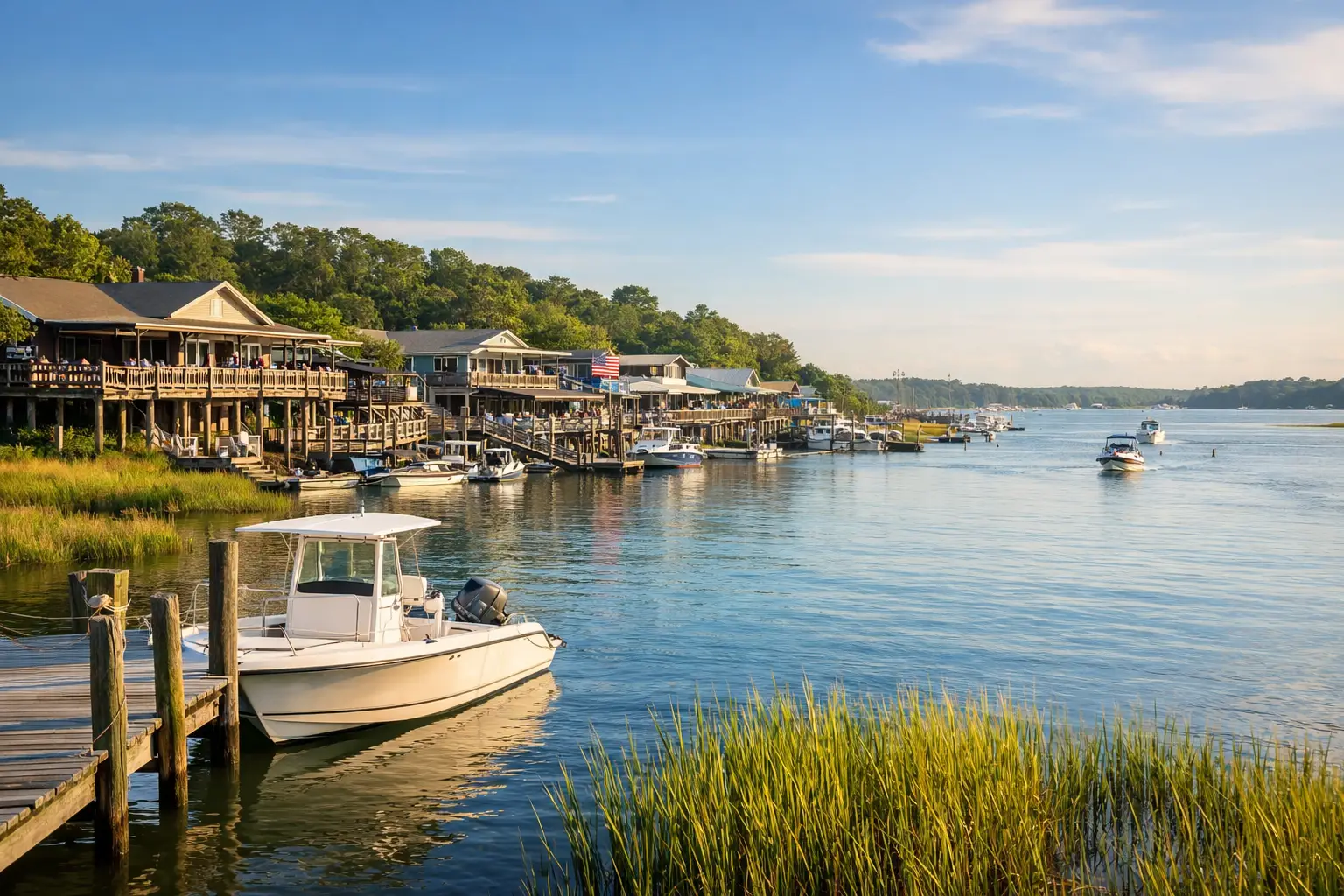
    Little River: a quieter waterfront option

    Little River sits just north of North Myrtle Beach and has a relaxed, established feel. It is known for its waterfront dining, marinas, fishing boats, and slower traffic compared with the center of Myrtle Beach. Buyers may find condos, townhomes, manufactured homes on owned land, and traditional neighborhoods that can offer value relative to oceanfront areas.

    The trade-off is that not every property is walkable to the beach. For many buyers, that is a fair exchange for a quieter setting and easier access to everyday services. Little River can be especially appealing if boating or the Intracoastal Waterway matters as much as the ocean.

    Longs and Loris: more house for the budget

    Longs and Loris are not beach towns in the walk-to-the-sand sense, but they belong in the conversation for buyers who want to live near the coast without paying coastal premiums. Longs, in particular, has seen substantial new construction and offers a practical location between the North Myrtle Beach area and inland services.

    Loris feels more rural and small-town, with homes that may offer larger lots and a slower pace. Both areas require a drive to the beach, restaurants, and attractions. In return, buyers often gain space, newer features, and a more manageable entry point into the Myrtle Beach metro area.

    Conway: historic character with coastal access

    Conway has a downtown district, riverfront setting, local restaurants, and a community feel that is distinct from the beach resort atmosphere. It is a strong fit for buyers who want regular access to Myrtle Beach but prefer to come home to a town with its own identity.

    Housing choices range from historic homes to newer planned communities and condos. The drive to the beach can vary depending on traffic and the exact neighborhood, so it is worth testing the route at the times you expect to travel. For year-round residents, Conway’s schools, medical access, shopping, and everyday conveniences can make that drive worthwhile.

    Surfside Beach and Garden City Beach: close to the action, with careful shopping

    Surfside Beach and Garden City Beach are beloved for their family-friendly atmosphere and quick access to oceanfront fun, Murrells Inlet, and Myrtle Beach. They are rarely the lowest-cost options on the coast, especially near the water, but affordability can still appear in older condos, homes one or more blocks inland, and properties that need cosmetic updates.

    Here, the details matter. Review HOA documents, rental rules, parking, elevation, flood history, and the condition of major systems before assuming a lower list price is a deal. A well-kept property slightly farther from the ocean can sometimes be the better long-term fit than a bargain directly in a high-maintenance coastal zone.

    Murrells Inlet: lifestyle value for the right buyer

    Murrells Inlet is often chosen for its restaurant scene, marsh views, boating culture, and proximity to Huntington Beach State Park. It can be pricier than inland communities, but buyers who are flexible about age, location, and property type may find opportunities in condos, smaller homes, or neighborhoods away from the marshfront.

    This area is less about getting the biggest house for the least money and more about choosing a lifestyle you will enjoy every week. If seafood dinners, waterfront walks, golf, and a polished coastal setting are on your wish list, a smaller home here may feel like a worthwhile trade.

    Georgetown: history, harbor views, and a different pace

    About an hour south of Myrtle Beach, Georgetown offers a historic downtown, working waterfront, and a more traditional Lowcountry atmosphere. It can appeal to buyers who want coastal access without living in the center of a resort market. Inventory and pricing vary considerably between historic areas, waterfront properties, and inland neighborhoods.

    Georgetown is best for buyers who appreciate character and do not need to be minutes from Myrtle Beach’s attractions. The town feels more independent and less seasonal than some beach communities, which can be a real advantage for those planning a full-time move.

    Calabash and Shallotte: North Carolina value near the state line

    Just over the North Carolina line, Calabash and Shallotte are worth a close look. Calabash is known for its seafood heritage, proximity to Sunset Beach and Ocean Isle Beach, and easy access to the Grand Strand. Shallotte is farther inland but serves as a commercial hub for Brunswick County, with shopping, healthcare, and a range of residential communities.

    Buyers may find more options for newer homes, larger lots, and lower prices than in the immediate beach towns. The drive to the sand is usually short enough for a spontaneous beach morning, yet daily life feels less crowded. For retirees and year-round residents, this balance can be especially appealing.

    Ocean Isle Beach and Sunset Beach: selective opportunities

    Ocean Isle Beach and Sunset Beach have a strong following for good reason: beautiful beaches, a laid-back feel, and a classic Brunswick Islands lifestyle. Oceanfront and island properties can carry premium prices, but mainland neighborhoods, condos, and resale homes outside the most sought-after pockets may provide more approachable choices.

    These towns reward patience. Buyers who can be flexible on water views, home age, or exact distance to the beach often have more possibilities than those seeking a turnkey home on the island. A local search strategy is helpful because the best fit may be a home that needs a little updating rather than a picture-perfect listing on day one.

    Budget for the ownership costs that listings do not show

    Before falling for porch views or a sunny kitchen, ask for a realistic monthly and annual ownership picture. Coastal insurance can vary sharply by location, construction type, roof age, and distance from water. Flood insurance may be required or advisable depending on the property, and condo buyers should look closely at association reserves, master insurance coverage, and upcoming assessments.

    Salt air is part of the charm, but it is also hard on exterior paint, HVAC equipment, decks, windows, and metal fixtures. A thorough inspection is essential, particularly for older homes and homes that have served as rentals. If you are considering investment use, confirm local and community rental rules before building income expectations into your budget.

    Choose the town that matches your real routine

    A helpful way to narrow the search is to picture an ordinary Tuesday, not only a perfect vacation Saturday. Would you rather walk to coffee and the beach, or have a garage, yard, and room for visiting family? Is a 20-minute drive to the ocean a welcome break from crowds, or would it keep you from going as often as you imagine? Do you need nearby medical care, schools, airport access, or a lock-and-leave condo?

    Start with two or three non-negotiables, then identify the trade-offs you can comfortably make. For some buyers, that means choosing Longs or Shallotte for a newer home and saving the beach for weekends. For others, it means selecting a smaller condo in Surfside, Garden City, or Little River so the coast is part of daily life.

    The coastal home that feels like a true find is not always the one closest to the sand. It is the one that fits your budget, your routines, and the version of beach life you will be happy to live long after the first sunset.

  • Best Areas Near Myrtle Beach: Murrells Inlet

    Best Areas Near Myrtle Beach: Murrells Inlet

    A home search can change quickly when you turn off Highway 17 and catch a glimpse of Murrells Inlet’s salt marshes, boats, and wide coastal skies. When people compare the best areas near Myrtle Beach for home buyers, Murrells Inlet often rises to the top for a simple reason: it offers a more relaxed daily rhythm without putting dining, beaches, golf, healthcare, and Myrtle Beach attractions out of reach.

    This is not one-size-fits-all coastal living. Murrells Inlet has waterfront homes with commanding views, established neighborhoods with mature trees, newer communities with modern floor plans, and low-maintenance options for buyers who would rather spend Saturday on the water than tending a yard. The best fit depends on how you plan to use the home, what you value most, and how comfortable you are with the realities of coastal ownership.

    Why Murrells Inlet Stands Out Near Myrtle Beach

    Murrells Inlet sits south of Myrtle Beach, between the busier Grand Strand corridor and the quieter communities farther down the coast. It is known as the Seafood Capital of South Carolina, but the appeal goes far beyond a good dinner by the water. The MarshWalk, local restaurants, public boat access, fishing culture, and nearby state park give the area personality that feels lived in rather than manufactured.

    For many buyers, the location offers a welcome middle ground. You can enjoy the conveniences of the Myrtle Beach metro area while coming home to an area where marsh sunsets and neighborhood golf-cart rides are part of the scenery. Garden City Beach, Surfside Beach, Pawleys Island, and Myrtle Beach are all practical options for beach days, errands, visitors, and recreation.

    That balance makes Murrells Inlet attractive to several kinds of buyers. Retirees appreciate single-level living options and nearby medical services. Second-home buyers like having a coastal escape with plenty to do when family comes to visit. Full-time residents may prefer its community feel over a high-rise oceanfront setting. Investors can find opportunities as well, although rental rules, association restrictions, insurance costs, and local demand deserve close review before making an income-property decision.

    Best Areas Near Myrtle Beach for Home Buyers: Murrells Inlet Choices

    Murrells Inlet is a collection of distinct settings rather than a single look or price point. A buyer looking for a quiet primary residence may choose differently than someone who wants a vacation home close to the beach or a property with a private dock.

    Inlet and marshfront living

    Homes along the inlet, creeks, and marsh can offer the classic Lowcountry view many buyers picture when they imagine coastal South Carolina. Porches, screened outdoor spaces, boat docks, and unobstructed sunsets can be wonderful features. These properties are also more specialized purchases.

    Waterfront buyers should look beyond the view. Ask about dock permits and condition, water depth, tidal access, bulkheads, flood zones, wind coverage, and the age of major systems. A home that is ideal for kayaking may not provide the boat access a buyer expects. Likewise, a stunning marsh view can come with more exposure to salt air and additional upkeep. The right property is still out there, but it pays to evaluate it with clear eyes.

    Golf and gated communities

    Murrells Inlet and the surrounding south Strand area offer golf-oriented and gated communities that appeal to buyers who want amenities and an established neighborhood environment. Depending on the community, you may find pools, clubhouses, walking areas, social events, tennis or pickleball, and landscaping maintained through an owners association.

    The trade-off is that association fees and rules vary considerably. Some buyers love the convenience and consistency; others prefer fewer restrictions and lower carrying costs. Before falling for a kitchen or a backyard view, review the association documents, rental policies, pet rules, architectural guidelines, reserve funding, and what the fees actually cover. A well-run community can be a real asset, particularly for an out-of-state owner, but it should match your lifestyle rather than complicate it.

    Established neighborhoods off the main roads

    Buyers who want more room between homes often gravitate toward established residential pockets away from the busiest commercial stretches. These areas may offer mature landscaping, larger lots, no homeowners association, or a blend of ranch-style homes and custom construction.

    This option can be especially appealing for a primary residence. You may have more freedom with parking, sheds, boats, or exterior updates, depending on the location. On the other hand, an older home may need a more careful inspection of roofing, HVAC equipment, plumbing, windows, electrical components, and drainage. Coastal homes age differently, and salt, humidity, and heavy rain all matter.

    New construction and low-maintenance homes

    Newer neighborhoods can be a smart match for buyers seeking current floor plans, energy-efficient features, warranties, and less immediate maintenance. Single-story homes, attached villas, and smaller-lot properties are worth considering for retirees, busy professionals, or second-home owners who want an easier lock-and-leave arrangement.

    A new home is not automatically the simplest choice, however. Lot location, construction timelines, builder allowances, future phases, and nearby development can affect both the experience and the budget. Ask what is included in the base price, what upgrades are likely necessary, and whether the neighborhood will eventually have more traffic or construction behind the home. A model home can be beautiful, but your actual lot and final selections are what matter.

    The Questions That Shape a Smart Purchase

    Before deciding that Murrells Inlet is your place, start with how you want to live on an ordinary Tuesday. Do you want to walk to restaurants, launch a boat, play golf, garden, or simply enjoy a peaceful porch? How frequently will you be here? Will you need space for visiting family, a home office, pets, beach gear, or a vehicle with a trailer?

    Then build a realistic ownership budget. Purchase price is only part of the picture. Property taxes, homeowners insurance, wind and flood insurance where applicable, HOA dues, utilities, maintenance, and potential rental-management costs can change the monthly number. Flood insurance is not just a waterfront conversation. Flood zone designations and lender requirements should be verified for any specific property rather than assumed based on distance from the ocean.

    Commute and convenience deserve attention too. Spend time driving the routes you will use most. A home may feel close to the beach on a map but have a different feel during seasonal traffic. Check grocery access, healthcare, schools if relevant, airport distance, and the route to your preferred golf course, marina, or favorite coffee stop. These small details often determine whether a home feels easy after the excitement of closing day has passed.

    A Local Search Is About More Than Square Footage

    Online listings are a helpful starting point, but they cannot tell you how a neighborhood sounds at 7 a.m., how high the tide sits behind a backyard, or whether a road feels comfortable during peak vacation season. They also cannot fully explain the difference between being near the inlet, on the inlet, near the beach, or in a community that simply uses a coastal name.

    A focused search helps buyers compare homes in context. For example, a newer home farther inland may offer more space and lower maintenance than an older home near the marsh. A condo or villa may trade privacy for convenience and amenities. A home with a dock may be worth the additional insurance and upkeep for a buyer who plans to use it every weekend, while it may be unnecessary expense for someone who visits a few times each year.

    Cyndy Otto helps buyers sort through those choices with the practical perspective needed for both existing homes and new construction. The goal is not to push a particular neighborhood. It is to find the property that fits your intended coastal life, your budget, and your comfort level with the responsibilities that come with it.

    Murrells Inlet is at its best for buyers who want the coast to be part of everyday life, not just a view from a hotel balcony. Take time to visit at different hours, picture your real routine, and let the right home earn its place on your short list.

  • Moving to Myrtle Beach From Out of State

    Moving to Myrtle Beach From Out of State

    The first ocean breeze can make almost any house hunt feel like a vacation. But moving to Myrtle Beach from out of state is more than choosing a place close to the sand. It means finding a home that works for your everyday rhythm, your budget, and the version of coastal life you actually want to live.

    For some buyers, that means a low-maintenance condo with a view. For others, it is a quiet neighborhood where grandkids can visit, a golf-course home, or a property with room for a boat and beach chairs. The Grand Strand offers all of those possibilities, but the right fit often comes down to details that are hard to see during a quick weekend visit.

    Start With the Life You Want to Live

    Myrtle Beach is often used as a catch-all name for a much larger coastal region. The lifestyle can feel very different from one community to the next. Before comparing listings, think about what you want an ordinary Tuesday to look like.

    If walkability to restaurants, attractions, and the ocean matters most, Myrtle Beach, North Myrtle Beach, Surfside Beach, and Garden City Beach may be natural places to begin. Buyers looking for a more relaxed, residential feel often consider Murrells Inlet, Little River, Conway, or communities just inland. Pawleys Island and Georgetown can appeal to people who prefer a slower pace, historic character, and a little more distance from the busiest tourist areas.

    There is no single best location. A lively oceanfront setting may be perfect for a vacation home or rental property but less appealing if you want quiet year-round mornings. Likewise, an inland home can offer more space and value, though it may mean driving to the beach rather than stepping out your door onto the sand.

    Make Two Visits, Not One

    A sunny summer weekend is useful for seeing the beach at its brightest. It is not always the best way to understand daily life here. If possible, visit once during peak season and once during a quieter period. Drive the routes you would use for groceries, medical appointments, airport trips, dining, and errands.

    Pay attention to traffic patterns, especially near major attractions and along coastal corridors. Ask yourself whether you want to be in the center of the action, close enough to enjoy it occasionally, or comfortably removed from it. A neighborhood that feels peaceful at 10 a.m. in February can feel very different on a holiday week in July.

    When an in-person visit is not possible, a thorough remote search can still be productive. Video walkthroughs, neighborhood conversations, detailed property disclosures, inspection findings, and honest discussion about your priorities matter far more than polished listing photos alone.

    Understand the True Cost of Coastal Ownership

    South Carolina can offer an appealing cost of living compared with many Northeast and Midwest markets, but a lower purchase price does not automatically mean lower ownership costs. The full monthly picture should include more than principal and interest.

    Property taxes can vary based on whether the home is your primary residence, second home, or investment property. Insurance deserves especially careful attention. A coastal property may require wind and hail coverage, flood insurance, or policies with deductibles that differ from what you are used to in another state. Flood zones are not limited to homes directly on the ocean, so each property should be evaluated individually.

    For condos and townhomes, review the homeowners association fees and what they cover. The fee may include exterior maintenance, landscaping, amenities, cable, water, insurance components, or reserves for future repairs. It can also come with rental rules, pet restrictions, parking limitations, and minimum lease periods. Those details can shape whether a property supports your plans.

    New construction can be a smart option for buyers who want modern layouts and less immediate maintenance. Still, ask about lot premiums, upgrades, estimated completion dates, warranties, and any future phases nearby. An existing home may offer a more established setting and mature landscaping, but it may also need updates or closer inspection of major systems.

    Know What Water Means for a Property

    Coastal living is special, and water changes the buying process. Oceanfront, marshfront, riverfront, pond-front, and inland properties each carry different considerations. The view may be a major part of a home’s appeal, but so are drainage, elevation, insurance history, maintenance needs, and access.

    A professional home inspection is essential, and some homes benefit from specialized inspections for moisture, roofs, HVAC systems, docks, seawalls, or pest activity. In humid coastal conditions, small issues can become expensive if they are overlooked. A careful review is not meant to take the joy out of buying near the beach. It is how you protect that joy after closing.

    It is also wise to learn whether a home is located in an evacuation zone and what that could mean during hurricane season. Most of the year, coastal weather is a reason people move here. Preparedness is simply part of owning responsibly near the shore.

    Moving to Myrtle Beach From Out of State Takes Local Coordination

    An out-of-state move has moving pieces beyond the home itself. You may need to coordinate movers, temporary housing, utility transfers, vehicle registration, driver’s license updates, and new health care providers while managing a sale or lease in your current location.

    Build some breathing room into your timeline. Closing dates, loan approvals, inspections, repairs, appraisal requirements, and moving schedules do not always line up perfectly. If you are buying before selling your current home, discuss how that affects your financial plan. If you are selling first, consider whether a short-term rental gives you flexibility without forcing a rushed decision.

    Retirees and second-home buyers should also think about how often they plan to be away. A lock-and-leave condo may be a better match than a single-family home with a large yard. On the other hand, a detached home may be worth the extra upkeep if privacy, storage, outdoor living, or space for visiting family are high on your wish list.

    Be Clear About Vacation Rental Plans

    Many buyers see the coast and immediately picture rental income helping pay for the property. That can be possible in the right location, but it should never be treated as automatic.

    Short-term rental rules can differ by municipality, neighborhood, and homeowners association. Licensing, occupancy limits, parking rules, management fees, furnishing costs, cleaning, maintenance, and seasonal demand all affect the numbers. A property that makes a wonderful personal getaway may not be approved for the rental use you have in mind.

    If rental income is central to your purchase, evaluate the property as a business decision as well as a lifestyle decision. Review the restrictions before making an offer, and be realistic about expenses and vacancy periods. If the home is primarily for your own enjoyment, rental flexibility may simply be a nice bonus rather than the reason you buy.

    Let Your Priorities Lead the Search

    A productive home search starts with a short list of non-negotiables and a separate list of preferences. Maybe you need one-level living, an elevator, a garage, a fenced yard, or a community without rental traffic. Maybe you would love a water view, screened porch, pool, or golf access, but can live without it if the location is right.

    This distinction keeps the search focused when coastal homes start to blur together. It also helps you recognize a strong opportunity when it appears. The perfect home rarely checks every box, but the right home should support the life you came here to build.

    A local real estate professional can help compare communities, explain the questions specific to a property, and coordinate the process from a distance. With experience serving buyers across the Myrtle Beach area and into coastal North Carolina, Cyndy Otto understands that a new address is only part of the decision.

    The best move is not necessarily the closest home to the beach or the one with the flashiest view. It is the place where your budget feels comfortable, your daily routine feels easy, and coming home makes you feel like you chose the coast for all the right reasons.

  • Surfside Beach for Myrtle Beach Home Buyers

    Surfside Beach for Myrtle Beach Home Buyers

    Surfside Beach has a way of making a house hunt feel less like a spreadsheet exercise and more like a real look at how you want to spend your days. When people ask about the best areas near Myrtle Beach for home buyers, Surfside Beach deserves a close look for its walkable shoreline, relaxed residential feel, and location just south of the busier resort corridor.

    This is not the right fit for every buyer, and that is part of what makes a thoughtful search so valuable. A buyer seeking a high-energy vacation scene, a large inland lot, or the lowest possible entry price may prefer another nearby community. But for those who picture morning beach walks, golf-cart-friendly streets, local restaurants, and an easy drive to Myrtle Beach conveniences, Surfside Beach can be a very appealing place to call home.

    Why Surfside Beach Stands Out Near Myrtle Beach

    Surfside Beach is often described as quieter than Myrtle Beach, but it is not isolated. The town sits close enough to major shopping, dining, medical care, entertainment, and Myrtle Beach International Airport to keep everyday errands manageable. At the same time, it offers a more residential pace that many primary-home buyers, retirees, and second-home owners appreciate.

    The beach itself is the obvious draw, but the lifestyle goes beyond sand and ocean views. You will find neighborhoods where residents walk dogs, ride bikes, gather with visiting family, and head out for dinner without making a whole evening of traffic and parking. That sense of place matters when a home is meant to be used year-round rather than only for a few vacation weeks.

    Surfside Beach also gives buyers a range of property styles. There are oceanfront and second-row homes, raised beach houses, townhomes, condos, and homes slightly inland that may offer more space for the budget. The difference from one block to the next can be substantial, so it pays to look beyond listing photos and understand the surrounding streets, access points, and neighborhood rhythm.

    Best Areas Near Myrtle Beach for Home Buyers: Surfside Beach Options

    A good Surfside Beach search starts by matching the area to your intended use of the home. There is no single “best” section of town. The best choice depends on whether you want to live there full-time, create a family getaway, or purchase a property with rental potential.

    East of Business 17

    Homes closer to the ocean are especially attractive to buyers who want the beach to be part of their daily routine. Depending on the location, you may be able to walk or bike to the shoreline, restaurants, and town amenities. Properties in this area can carry a premium because proximity is a powerful feature for both personal enjoyment and vacation-rental appeal.

    The trade-off is that closer-to-the-water homes often come with higher insurance considerations, more exposure to salt air, and potentially more seasonal activity. A raised home may offer excellent parking and storage underneath, but buyers should understand flood zones, elevation, wind coverage, maintenance needs, and local rules before assuming one coastal property is comparable to another.

    West of Business 17

    For buyers who want Surfside Beach access with a little more separation from the busiest beach blocks, neighborhoods west of Business 17 can be a smart place to focus. You may find traditional residential streets, homes with more interior space, and properties that better suit full-time living. Beach access may require a short drive, golf-cart ride where permitted, or bike trip rather than a quick walk.

    This side of town can be particularly appealing to buyers balancing lifestyle and practicality. A larger kitchen, garage, yard, or extra bedroom for visiting family may matter more than being two blocks closer to the ocean. It can also be a good starting point for shoppers who want to compare Surfside Beach with nearby Garden City Beach, Murrells Inlet, or inland Horry County communities.

    Condos and Townhomes Near the Coast

    A condo or townhome can offer a lower-maintenance route to coastal ownership, especially for a second home or retirement property. Some buyers value having exterior upkeep, landscaping, and shared amenities handled through an owners association. Others prefer the lock-and-leave convenience when they will only be in town part of the year.

    That convenience comes with details to review. Association fees, rental policies, pet rules, reserve funding, insurance coverage, parking, and upcoming assessments can all affect the real cost of ownership. A lower purchase price does not automatically mean a lower monthly commitment, so looking at the full financial picture is essential.

    What Home Buyers Should Weigh Before Making an Offer

    Surfside Beach rewards buyers who pay attention to property-specific details. Coastal homes are not one-size-fits-all, even when two listings appear similar online. The age of the roof, siding condition, windows, HVAC system, drainage, decks, stairs, and pilings can influence both maintenance planning and insurance options.

    Flood insurance is another key conversation. A property’s flood-zone designation, elevation certificate availability, prior flood history, and lender requirements should be reviewed early in the process. Insurance costs can change, and coverage terms vary by property and carrier. It is better to request quotes while you are seriously considering a home than to wait until the final days before closing.

    Buyers interested in short-term rentals should also avoid making assumptions. Rental demand can be attractive near the coast, but town regulations, HOA restrictions, occupancy limits, licensing requirements, management fees, and projected seasonal income all deserve careful review. A property that works beautifully as a personal beach retreat may not be the strongest rental investment, and the reverse can be true as well.

    For year-round residents, daily convenience should be part of the tour. Consider your route to groceries, healthcare, favorite restaurants, schools, golf, and major roads. Visit at more than one time of day if possible. A street that feels peaceful on a weekday morning may feel very different on a summer Saturday afternoon.

    The Lifestyle Fit Matters as Much as the House

    The strongest home-buying decisions usually begin with a clear picture of your life after closing. Do you want to walk to the beach every day? Host grandchildren for long summer weekends? Keep a boat nearby? Enjoy quiet mornings with fewer crowds? Or do you prefer a home base close to the action in Myrtle Beach?

    Surfside Beach tends to suit buyers who want the coast without feeling as though they live in the center of a resort. It has a familiar, easygoing personality that can be especially welcoming to retirees, remote workers, families, and owners who want their second home to feel personal rather than purely transactional.

    Still, the town’s popularity means buyers should remain flexible. The perfect home may be a few blocks farther from the ocean than expected, have a different floor plan than planned, or need updates that create an opportunity to add your own coastal style. A clear list of must-haves, nice-to-haves, and deal-breakers can keep the search focused when a good property comes along.

    A knowledgeable local real estate professional can help put the details in context, from comparing neighborhoods to identifying questions that should be asked before an offer is written. Cyndy Otto works with buyers across the Myrtle Beach area and understands that a home near the shore is more than an address – it is a decision about how you want to live.

    Give yourself permission to look carefully, ask practical questions, and imagine an ordinary Tuesday in each home you tour. If that Tuesday includes salty air, a quick trip to the beach, and a community that feels comfortably your own, Surfside Beach may be the coastal fit you have been looking for.

  • When Should Sellers List Homes Near the Coast?

    When Should Sellers List Homes Near the Coast?

    A beach home can look especially inviting when the azaleas are blooming, the porch is set for sweet tea, and buyers are planning their next coastal chapter. But when should sellers list homes? The honest answer is not simply “spring.” The best timing depends on your property, your goals, local inventory, and how ready you are to make a confident move.

    In Brunswick County, North Carolina, and along the Grand Strand and Georgetown County, buyers shop for many different reasons. Some are searching for a primary residence near family. Others want a retirement retreat, a vacation place, or an investment property with rental potential. That mix means there can be opportunity well beyond the traditional selling season.

    When Should Sellers List Homes? Start With Your Goal

    A seller who needs to move for a new job has a different timeline than an owner hoping to maximize the appeal of a second home. Before choosing a month, decide what matters most: the highest possible price, a quick sale, a convenient closing date, or a little breathing room to buy your next place.

    If speed is the priority, listing when inventory is low can be helpful, even if it is not the busiest time of year. Fewer competing homes may put your property in front of serious buyers who have limited choices. If you have flexibility, you can prepare more carefully, watch local activity, and choose a launch date that supports your pricing strategy.

    Your next move matters, too. Selling first may give you a clearer budget and reduce the risk of carrying two homes. Buying first can make sense when you have strong finances and do not want to feel rushed finding your next address. There is no one-size-fits-all answer, but your listing date should support the bigger plan, not create extra stress.

    Spring Brings Attention, but Also Competition

    Spring is popular for good reason. Families often want to settle before a new school year, landscaping looks its best, and longer daylight hours make showings easier. In coastal communities, spring also coincides with travelers and second-home buyers beginning to picture summer weekends by the water.

    A well-prepared home can shine during this period. Fresh mulch, a clean entry, blooming planters, and bright interior photos make a strong first impression. For homes with outdoor living spaces, pools, screened porches, or golf course views, spring can show off the lifestyle buyers hope to find.

    The trade-off is competition. More sellers often list in spring, which means buyers have more homes to compare. A property that is overpriced, poorly photographed, or not ready for showings can get lost in the selection. Spring does not automatically create a strong result. Preparation and accurate pricing still do the heavy lifting.

    Summer Can Be Ideal for Coastal Lifestyle Homes

    Summer has a natural appeal in beach markets. Buyers can experience Ocean Isle Beach, Sunset Beach, Holden Beach, Myrtle Beach, North Myrtle Beach, or Pawleys Island at their most active. They can see the nearby beaches, restaurants, boating, golf, and neighborhood energy firsthand.

    For a vacation home, condo, or property with rental appeal, that experience can be powerful. Buyers may better understand why a home’s location, outdoor shower, storage for beach gear, or proximity to attractions adds value. The right listing photos and showing schedule can help them imagine using the property right away.

    Still, summer requires practical planning. Vacation traffic may affect showing times, and occupied rental homes can be harder to present. If a property is used as a short-term rental, sellers should think carefully about how bookings, income records, turnover days, and guest privacy will be handled. A home can sell while rented, but clear access and a thoughtful plan make the process smoother.

    Fall Often Attracts Focused Buyers

    Fall can be an overlooked sweet spot. The weather is still pleasant, summer crowds have eased, and buyers who are touring homes may be especially motivated. Retirees and buyers relocating from colder areas often begin planning before winter, while local buyers may find it easier to focus after the busy summer season.

    For sellers, fall can offer a calmer presentation window. Homes still benefit from warm light and inviting outdoor spaces, without the peak-season bustle. A tidy porch, seasonal color, and an uncluttered interior can feel welcoming rather than staged.

    The key is to avoid assuming every fall buyer is casual. Many are ready to make decisions quickly, particularly if they want to close before the holidays or establish residency before the new year. A seller who is prepared to respond to showings and offers promptly may find that fall brings meaningful activity.

    Winter Is Not a Time to Automatically Wait

    It is easy to assume winter is a poor time to sell, but that is not always true along the Carolina coast. Inventory can be lower, and the buyers who are out looking are often serious. Some are relocating, taking advantage of a work change, planning a retirement move, or hoping to be settled before spring.

    Winter listings need to work a little harder visually. Keep walkways clear, let in natural light, and make the home feel comfortable without making it overly personal. If the property is vacant, regular check-ins are important, especially after storms or cold snaps. Clean photos taken during a greener season can still be used when they accurately represent the home, but current photos and honest marketing should always reflect its condition.

    For sellers who are not ready to manage frequent showings around holiday plans, waiting may be wiser. But if the home is ready and your timeline is firm, winter can offer less competition and more focused interest.

    Watch Local Conditions, Not Just the Calendar

    National headlines can be useful background, but real estate is local. A shift in available homes in Calabash may not match what is happening in Conway. Demand for a condo near the beach may move differently than demand for a single-family home in Shallotte, Southport, Murrells Inlet, or Little River.

    The most useful questions are practical ones: How many comparable homes are currently available? How quickly are they going under contract? Are recent sales supporting your expected price? What condition and features are buyers choosing? These details help determine whether you are entering a seller-friendly market, a buyer-friendly market, or something balanced in between.

    Pricing deserves special attention. Listing high “just to see” can cost valuable early momentum. The first days on market are when a new listing gets the most attention from buyers and agents. A price that reflects the home’s condition, location, updates, and current competition is more likely to generate meaningful showings than a hopeful number that requires repeated reductions.

    Get the Home Ready Before You Pick the Date

    The best week to list is the week your home is truly ready. Rushing onto the market with unfinished repairs, crowded rooms, or weak photos can make a home seem less valuable than it is.

    Start with the items buyers notice quickly: deferred maintenance, worn caulk, dripping fixtures, scuffed paint, exterior clutter, and rooms that feel smaller because they hold too much furniture. Coastal properties deserve an extra look at exterior wear, drainage, HVAC maintenance, screens, decks, and signs of moisture. Addressing small concerns before showings can prevent buyers from imagining a much larger problem.

    You do not need to renovate every room. Often, neutral touch-ups, professional cleaning, selective decluttering, and better lighting make a bigger difference than a major project. Spend where it helps your home compete, not simply where it is easiest to spend.

    A Quick Timing Check Before You List

    Ask yourself four questions before settling on a launch date:

    • Is the home prepared to photograph and show well now?
    • Does the pricing reflect recent comparable sales and current competition?
    • Can I accommodate showings without disrupting renters, family, or travel plans?
    • Does the expected closing period fit my next move and financial goals?

    If the answer to one of these is no, a short delay may be worthwhile. If the answers are yes, waiting for a “perfect” season may only postpone a move you are ready to make.

    A home sale is not just a market decision. It is a life decision, whether you are trading a busy vacation property for a quieter retreat, moving closer to the water, or handing the keys to a home full of memories. The right time is when local strategy and personal readiness meet, giving you a clear path forward and room to enjoy what comes next.

  • Best Areas Near Myrtle Beach for Home Buyers: Conway

    Best Areas Near Myrtle Beach for Home Buyers: Conway

    Conway offers something many coastal home shoppers want but do not always find right at the beach: room to settle in. For buyers researching the best areas near Myrtle Beach for home buyers, Conway deserves a close look for its historic character, expanding residential choices, and easy access to the Grand Strand without an oceanfront address.

    This is not a one-size-fits-all answer. Conway can be a wonderful fit for a full-time resident, a retiree who prefers a quieter pace, or a buyer seeking more home for the budget. It may be less ideal for someone whose dream is to walk to the sand every morning or who wants a vacation rental centered on beach tourism. The appeal is in knowing what kind of coastal lifestyle you really want.

    Why Conway Appeals to Home Buyers

    Located inland along the Waccamaw River, Conway has a distinctly different feel from Myrtle Beach. Its tree-lined streets, historic downtown, local restaurants, riverwalk, and established neighborhoods create a sense of place that many buyers appreciate after a day spent touring busier coastal communities.

    For many households, value is a major part of the conversation. Depending on the neighborhood, home age, lot size, condition, and current market inventory, buyers may find more square footage, larger yards, or newer construction in Conway than in comparable locations closer to the ocean. That does not automatically make Conway the better financial choice, but it makes it worth comparing carefully.

    Conway also works well for people who want the benefits of the Myrtle Beach metro area without living in the middle of seasonal traffic and vacation activity. Shopping, medical services, dining, golf, attractions, and beaches remain accessible, while home can feel more residential at the end of the day.

    Best Areas Near Myrtle Beach for Home Buyers: Why Conway Is Different

    When buyers say they want to be “near Myrtle Beach,” they often mean different things. Some mean a 10-minute ride to the beach. Others mean access to the airport, golf, family, medical care, and the amenities that make the Grand Strand convenient. Conway is usually a lifestyle decision as much as a location decision.

    Historic Conway and the Downtown Area

    Buyers who love character often start near historic Conway. Older homes, mature landscaping, porches, and proximity to downtown give this area a personality that newer subdivisions cannot replicate. A stroll along the Riverwalk or an evening downtown can make a strong impression on shoppers who want a community feel.

    Older homes deserve a thorough look beyond the charm. Age can bring special considerations involving electrical systems, plumbing, foundations, roofs, insulation, and maintenance. Historic or established properties may also have smaller closets, more customized floor plans, or renovation needs. For the right buyer, those details are part of the appeal. For another, a move-in-ready newer home may be the smarter choice.

    Established Neighborhoods and Golf-Adjacent Living

    Conway has established residential areas where buyers can find mature trees, larger lots, and homes with a range of architectural styles. Some communities are located near golf courses or offer a more tucked-away setting while keeping everyday errands within reach.

    These neighborhoods can be especially appealing to retirees, relocating families, and buyers who want to avoid the uniform look of brand-new construction. The trade-off is that an older home may have higher near-term maintenance needs, and each community can have different rules, dues, amenities, and resale patterns. A home inspection and a close review of any homeowners association documents are important parts of the decision.

    New Construction Communities Around Conway

    New construction continues to be a meaningful part of the Conway market. These communities can offer open floor plans, modern kitchens, energy-conscious features, community amenities, and less immediate repair work than an older home. They are often attractive to buyers moving from out of state who want a simpler transition.

    Still, new does not mean automatic. Builder contracts, estimated completion dates, upgrade costs, lot premiums, warranties, landscaping allowances, and HOA fees should all be reviewed carefully. The model home may show a level of finish that is not included in the base price, so it helps to compare the actual included features line by line.

    Location within a new community matters, too. A quieter interior lot may feel very different from a home backing to a main road, future construction phase, retention pond, or neighborhood entrance. Before choosing, visit at different times of day and imagine the daily routine, not just the move-in day photo.

    The Everyday Questions That Matter Most

    A Conway home purchase should be evaluated through the lens of daily life. Commute time is one of the biggest variables. A route that feels easy midday can look very different during school traffic, summer visitor season, or after an accident on a major corridor. If work, appointments, or family activities regularly take you toward Myrtle Beach, North Myrtle Beach, or the coast, test the drive at realistic times.

    School preferences may matter to some households, but attendance boundaries and program availability can change. Buyers should confirm current zoning directly with the appropriate school district rather than relying on a listing description or past information.

    Flood risk and insurance are also worth examining in every coastal-region purchase, including inland locations. Conway’s river setting is part of its beauty, but properties can vary widely based on elevation, drainage, flood zone, prior water history, and proximity to waterways. Ask for available disclosures, review flood information, and speak with an insurance professional early enough that costs do not become an unwelcome surprise.

    Internet service, utility providers, road access, and future development plans may sound less exciting than a kitchen backsplash, but they shape everyday satisfaction. This is particularly true for remote workers and buyers considering homes on the edge of growing areas.

    Is Conway a Good Choice for a Vacation or Investment Home?

    Conway can work for an investment-minded buyer, but the strategy should match the location. It is generally more associated with primary residences and long-term living than with the beachfront vacation-rental market. That can be a positive for buyers seeking a stable residential setting, long-term tenants, or a future retirement home they can enjoy gradually.

    Before buying with rental income in mind, confirm local regulations, HOA restrictions, lease minimums, occupancy rules, and insurance requirements. Short-term rental potential should never be assumed simply because Myrtle Beach is nearby. A property’s individual neighborhood rules can be just as important as its distance from the beach.

    A Smart Way to Compare Conway With Coastal Communities

    The clearest way to decide whether Conway fits is to compare homes based on your real priorities, not just list price. A lower-priced home farther inland may offer a larger yard and more square footage, while a smaller home closer to the coast may better support your beach routine or rental goals. Neither is universally better.

    Start by ranking the factors that will affect your life most: proximity to the beach, commute, home maintenance, neighborhood character, lot size, HOA structure, budget comfort, and intended use. Then tour a mix of Conway homes and coastal options. The contrast becomes much easier to understand when you have stood in the neighborhoods, driven the routes, and seen what each price range actually provides.

    Conway is often the pleasant surprise in a Myrtle Beach home search. It gives buyers a chance to enjoy the coast as a destination while building a daily life around space, community, and a more relaxed inland rhythm. A thoughtful local search can help you find the home that feels right not only on closing day, but on an ordinary Tuesday months after the boxes are gone.

  • How to Prepare for Appraisal Before You Sell

    How to Prepare for Appraisal Before You Sell

    The appraisal appointment is not a second showing, and it is not a moment to stage a home like a magazine cover. Still, knowing how to prepare for appraisal can protect a sale from avoidable questions, last-minute documentation scrambles, and a value opinion that misses meaningful improvements. The goal is simple: make it easy for the appraiser to see the home’s condition, features, and market context clearly.

    For sellers in Brunswick County and along the Grand Strand, this can matter even more than usual. A home near the water may have upgrades, views, flood-zone considerations, rental history, or community amenities that do not fit neatly into a standard comparison. Preparation will not manufacture value, but it can ensure the right details are visible and supported.

    What an Appraiser Is Actually Looking At

    An appraiser provides an independent opinion of a property’s market value, usually for a lender. They consider the home’s size, layout, condition, location, permanent features, and recent sales of comparable properties. They also look for factors that may affect marketability, such as deferred maintenance or obvious repair needs.

    This is different from a home inspection. An inspector takes a deeper look at systems and potential defects. An appraiser is not testing every outlet or evaluating cosmetic taste, but visible issues can still affect the report. Peeling paint, a damaged roof, standing water, broken handrails, or an unfinished repair may raise concerns because they suggest condition problems or lender-required repairs.

    A higher appraisal is never guaranteed just because a seller has spent money on a home. Some upgrades contribute more than others, and value depends heavily on what buyers are paying for similar homes nearby. A beautifully renovated kitchen in a neighborhood of original-condition homes may help, but it will not erase the limits of the local comparable sales.

    How to Prepare for Appraisal Without Overspending

    The best preparation is focused, not frantic. Do not launch a major renovation days before the appointment in hopes of changing the number. Instead, address obvious maintenance, organize useful information, and make the property easy to access and evaluate.

    Finish the small repairs that create big questions

    Walk through the property as if you are seeing it for the first time. Look for incomplete projects, loose railings, damaged steps, exposed wiring, leaking faucets, missing trim, or doors that do not close properly. These details may not always change value dollar for dollar, but they can make a home appear less cared for overall.

    Pay attention to safety-related items. Handrails on stairs, functioning smoke and carbon monoxide detectors where required, secure decks, and safe access to crawl spaces or attics are particularly worth checking. In coastal communities, also look for signs of moisture intrusion, worn exterior paint, damaged siding, and drainage issues after rain.

    Keep the work proportionate. Replacing a burned-out bulb and repairing a sticking gate are sensible. Replacing all flooring because one room has worn carpet may not be the right move, especially if the sale price and neighborhood data already reflect the home’s condition.

    Let the home be clean, bright, and accessible

    Cleanliness does not directly create appraised value, but a clean home helps its condition show accurately. Open blinds, replace dead light bulbs, clear counters enough to reveal their surface area, and make sure the appraiser can reach every room, garage, attic, crawl space, utility closet, and exterior feature.

    You do not need to remove all personality from the home. A lived-in house is normal. The priority is visibility. If a storage-packed garage hides an epoxy floor, workshop area, or built-in shelving, create a clear path so those features can be seen. If a bedroom doubles as a home office, make its closet and door accessible so its use is clear.

    Pets should be secured or taken out during the visit whenever possible. This is safer, calmer, and allows the appraiser to move through the property without interruption.

    Create a simple improvement packet

    An appraiser may not know when the roof was replaced, whether the HVAC system was recently upgraded, or which improvements were permitted. A concise packet gives your agent a reliable way to communicate facts without turning the appointment into a sales presentation.

    Include four types of information:

    • A dated list of improvements, including major repairs and upgrades
    • Receipts, permits, warranties, or contractor invoices for significant work
    • A list of features that may not be obvious, such as irrigation, whole-house generators, impact-rated windows, or smart-home systems
    • Relevant community details, such as a gated entrance, marina access, beach access, pool, or clubhouse

    Keep the list factual. State that a roof was installed in 2023 rather than assigning it a value. If you completed renovations yourself, describe the work accurately and avoid presenting it as professionally permitted work if it was not.

    For a vacation or investment property, rental income can be relevant in certain appraisal situations, but it depends on the loan type and property classification. Provide clean records if requested, yet do not assume strong rental bookings will automatically raise a conventional appraisal. The appraiser must follow the lender’s assignment and approved valuation methods.

    Make Sure the Right Comparable Sales Are Considered

    Comparable sales, often called comps, are a major part of the appraisal. Your real estate agent can provide a carefully selected list of recent nearby sales that support the contract price and explain meaningful differences among properties.

    This is especially helpful in areas where location shifts value quickly. A home one block from the ocean may not compare neatly with one several miles inland. The same is true for homes across different school zones, golf communities, marsh-front settings, or sections of town with different short-term rental rules. In places such as Ocean Isle Beach, North Myrtle Beach, Murrells Inlet, or Southport, the details of view, access, flood exposure, lot type, and community amenities can matter considerably.

    The appraiser is not required to use every sale an agent provides. Their independence matters. But good information can prevent a relevant sale, upgrade, or location distinction from being overlooked. A knowledgeable local agent will present the data professionally and let the appraiser make the final judgment.

    Be Ready for Coastal Property Questions

    Coastal homes have practical features that deserve clear documentation. Elevation certificates, flood insurance information, wind mitigation reports, survey documents, and records of storm-related repairs may be useful depending on the property and loan. If a home has undergone repairs after a hurricane or water event, provide invoices and permits that show the work was completed properly.

    Do not hide prior issues. A repair with documentation is usually easier to understand than a surprise discovered later. The same principle applies to additions, enclosed porches, converted spaces, docks, bulkheads, and sheds. If square footage or permits are unclear, the appraiser may need to exclude an area or make a more cautious adjustment.

    Also remember that views are not static. A direct ocean view, marsh view, pond view, or golf course view can affect buyer appeal, but the appraiser will judge it in relation to current market evidence. Clear access to balconies, decks, and outdoor spaces helps those features be evaluated properly.

    What to Do During the Appointment

    If you are selling, it is usually best to give the appraiser room to work. Your agent may meet them, provide the improvement packet and comparable sales, and answer questions about the property. Sellers can be present if needed, but following the appraiser from room to room or making a case for the price can feel uncomfortable and is rarely productive.

    If the appraiser asks a question, answer honestly and briefly. Point out features they may miss, such as a newer water heater tucked in a closet or a storage room accessed from outside. Then let them continue their process.

    After the visit, the report may take several days, depending on lender timelines and market conditions. If the value comes in at or above the contract price, the transaction can move toward the next milestones. If it comes in low, the buyer, seller, and agents may review the report, look for factual errors, consider a reconsideration of value, renegotiate, or explore other options allowed by the contract.

    A well-prepared appraisal visit is not about pushing for a number. It is about presenting your home honestly, completely, and in its best working light – much like opening the windows on a coastal morning and letting the property speak for itself.

  • Best Myrtle Beach Area for Home Buyers: Carolina Forest

    Best Myrtle Beach Area for Home Buyers: Carolina Forest

    Carolina Forest is often the name that rises to the top when buyers want more room, newer homes, and everyday convenience without living directly on the busy oceanfront. For shoppers comparing the best areas near Myrtle Beach for home buyers, Carolina Forest offers a practical coastal lifestyle with enough variety to fit a first home, retirement move, vacation property, or long-term investment.

    The appeal is not one single neighborhood or one style of home. Carolina Forest is a large, established master-planned community west of Myrtle Beach, with distinct subdivisions, schools, shopping, restaurants, medical services, and recreation woven into the area. That variety is a real advantage, but it also means buyers benefit from looking beyond the Carolina Forest name and getting specific about what they want their daily life to feel like.

    Why Carolina Forest Appeals to Myrtle Beach Home Buyers

    Carolina Forest gives buyers a different version of the Grand Strand. You can still reach the beach, golf courses, entertainment, and dining that make the Myrtle Beach area so popular, then head home to a neighborhood setting with sidewalks, ponds, trees, and community amenities. For many people, that balance is exactly the point.

    Homes here range from townhomes and smaller detached homes to larger residences in gated or amenity-rich communities. New construction remains part of the landscape, while established neighborhoods may offer mature landscaping, resale options, and a greater sense of how the community lives day to day. A buyer who wants a blank canvas may lean toward a new build. Someone who values a fenced yard, finished window treatments, or a location near a community entrance may find a resale home more appealing.

    Carolina Forest is also convenient for people who do not want every errand to require a beach-bound drive. Grocery stores, fitness options, pharmacies, schools, restaurants, and professional services are close by. That may sound ordinary, but it matters when you are deciding whether a home works for a full-time move rather than a week at the shore.

    Best Areas Near Myrtle Beach for Home Buyers: Carolina Forest Choices

    The right Carolina Forest neighborhood depends less on a label and more on your priorities. Some communities have gated entrances, clubhouses, pools, playgrounds, tennis or pickleball courts, walking paths, and planned social activities. Others offer a quieter residential feel with fewer shared amenities and, in some cases, lower association responsibilities.

    For buyers who want amenities and community life

    Amenity-focused neighborhoods can be a lovely match for retirees, families, and anyone who wants an easy way to meet neighbors. A pool, clubhouse, activity calendar, and paths for an evening walk can make a new location feel familiar more quickly. These features also tend to be attractive to vacation-home buyers and renters, where permitted.

    The trade-off is that amenities come with homeowners association rules and fees. Before making an offer, buyers should understand what the fee covers, whether there are transfer or capital contribution charges, how the association is funded, and what rules affect parking, exterior changes, pets, rentals, and landscaping. A beautiful pool is wonderful, but it should fit the way you actually plan to use the home.

    For buyers focused on space and value

    Many Carolina Forest buyers are drawn to the opportunity for more square footage or yard space than they might find closer to the ocean. That can be especially appealing for a primary residence, a growing family, or buyers bringing pets and hobbies along with them.

    A larger home is not automatically the better value, though. Consider how much space you will heat, cool, furnish, and maintain. Look at lot placement too. A pond view can be peaceful, while a home near a busy entrance, amenity center, or major road may bring a different level of activity. Visiting at more than one time of day gives a much clearer picture than a quick afternoon showing.

    For buyers considering new construction

    New construction in and around Carolina Forest can be exciting. Buyers may be able to select finishes, enjoy modern floor plans, and move into a home with newer systems and warranties. Builders often create attractive communities with fresh landscaping and contemporary amenities.

    Still, model homes are designed to impress, and the displayed price may not tell the whole story. Ask which features are standard, which upgrades are included in the quoted price, what lot premiums apply, and when the home is realistically expected to be complete. It is also wise to understand the builder contract, warranty process, and whether construction activity will continue around your home after closing.

    An independent buyer’s agent can help you compare builder incentives with the overall terms of the deal. A financing incentive may look attractive, for example, but the best choice depends on the price, rate, closing costs, upgrades, and flexibility built into the entire contract.

    What Daily Living Looks Like

    Carolina Forest works well for buyers who enjoy having the beach nearby without needing it outside the front door. The drive to the coast varies based on the neighborhood, season, traffic, and destination. A quick route on a quiet weekday may feel very different during a summer weekend or major event. If regular beach time is central to your lifestyle, test the drive yourself from the streets you are considering.

    The area is also positioned for access to parts of Myrtle Beach, Conway, North Myrtle Beach, and the broader Horry County area. That can give residents choices for work, healthcare, shopping, golf, dining, and entertainment. For remote workers, reliable internet availability, a suitable office space, and the normal rhythm of neighborhood activity may matter as much as the commute.

    Families often consider nearby schools and the daily logistics of drop-off, after-school activities, and transportation. Retirees may place more weight on single-level living, proximity to medical care, low-maintenance exteriors, and social opportunities. Vacation-home buyers may prioritize lock-and-leave convenience, association rental rules, and the distance to the attractions their guests expect. There is no one-size-fits-all answer, which is why the best neighborhood is usually the one that supports your ordinary Tuesday, not just your favorite vacation day.

    Details to Check Before You Write an Offer

    A home can look perfect in photos and still deserve careful review. In coastal South Carolina, buyers should pay attention to insurance options and costs early in the process. Even though Carolina Forest is inland from the oceanfront, insurance requirements and premiums can vary based on the property, construction, coverage choices, and lender requirements.

    For a resale home, review the age and condition of the roof, HVAC system, water heater, windows, appliances, drainage, and any exterior features. A professional inspection is an opportunity to understand the home’s current condition and upcoming maintenance needs. It is not about expecting a used home to be flawless. It is about making an informed decision.

    If the property has a homeowners association, request and read the applicable documents rather than relying on a quick description. Confirm the current fees, restrictions, assessment history, management structure, and rental policies. Buyers planning to rent should be particularly careful. Rules can differ significantly from one subdivision to another, and local regulations may also apply.

    Finally, look at the practical details that are easy to miss when a home has a great kitchen or a sunny screened porch. Where will guests park? Is the yard easy to care for? How much road noise is there? Is the home close to future development? Does the floor plan still work if stairs become less appealing later? These small questions often shape long-term satisfaction.

    A Smart Way to Compare Carolina Forest Homes

    Start with a clear list of must-haves, but leave room for discovery. Buyers frequently arrive thinking they need a certain number of bedrooms or a particular architectural style, then realize that a better location, a one-level layout, or a lower-maintenance yard matters more. Separate your non-negotiables from your wish list before touring homes.

    It also helps to compare homes by total monthly and annual cost, not asking price alone. Include estimated mortgage payments, property taxes, insurance, association dues, utility expectations, and likely maintenance. A home with a slightly higher purchase price but fewer immediate repairs may be a better fit than a lower-priced home needing major work.

    Carolina Forest has the range to reward thoughtful comparison. Take time to tour different subdivisions, notice the road patterns and nearby conveniences, and picture how each location fits the life you want to build near the coast. The right home should feel good when you walk through the front door, but it should also make sense long after the beach day is over.

  • What Buyer Agency Means for Coastal Home Buyers

    What Buyer Agency Means for Coastal Home Buyers

    The first pretty porch, marsh view, or five-minute walk to the beach can make a buyer want to move fast. Buyer agency is what helps make sure that excitement is paired with clear advice, careful due diligence, and representation focused on your interests. Whether you are looking for a retirement retreat in Brunswick County, a Myrtle Beach vacation condo, or a primary home closer to family, it gives your search a trusted point of view.

    What Is Buyer Agency?

    Buyer agency is a professional relationship in which a real estate agent represents the buyer in a transaction. The agent’s role is not simply to open doors or send listings. A buyer’s agent helps you understand the market, evaluate properties, prepare offers, negotiate terms, coordinate key deadlines, and work through the many details between contract and closing.

    That relationship is typically established through a written buyer agreement. The exact form and requirements can differ between North Carolina and South Carolina, so buyers should read the agreement carefully and ask questions before signing. It should make clear who represents you, how long the agreement lasts, what area or types of properties it covers, and how the agent may be compensated.

    A buyer’s agent owes duties that may include loyalty, confidentiality, reasonable care, accounting, and disclosure, subject to state law and the terms of the agency agreement. In everyday terms, that means your agent should help you make informed decisions without sharing confidential details that could weaken your negotiating position.

    Why Representation Matters When You Are Buying

    A listing agent represents the seller’s interests. They may be knowledgeable about the home and generous with information, but their responsibility is tied to the seller. That is not a problem when everyone understands the relationship. It becomes a problem only when a buyer assumes that the person showing the property is automatically working for them.

    With buyer agency, you have someone looking at the home through your lens. Is the asking price supported by recent sales? Does a condo’s rental policy fit an investment plan? Is the flood zone something your lender and insurance carrier need to address early? Are the inspection concerns routine maintenance, or do they change the value of the property for you?

    Along the Carolina coast, those questions can be especially meaningful. A home close to the water may offer the lifestyle you have been picturing, but it can also call for a closer look at insurance, elevation, drainage, storm protection, HOA rules, maintenance history, and rental restrictions. The best property is rarely just the one with the best view. It is the one that fits your plans, budget, comfort level, and long-term expectations.

    Buyer Agency Is More Than Finding Homes Online

    Most buyers can see new listings within minutes. The real value of an agent begins after a home catches your eye.

    A thoughtful buyer’s agent starts by learning how you intend to use the property. A couple looking for a lock-and-leave second home may prioritize a well-managed condo community and low exterior maintenance. A buyer relocating permanently may care more about commute times, medical access, school preferences, storage, and a neighborhood that feels comfortable in every season. An investor may need to compare rental history, local rules, carrying costs, and projected demand rather than falling in love with a decor style.

    From there, your agent can help narrow the field. That may mean comparing similar homes, discussing trade-offs between locations, arranging showings efficiently, and pointing out questions worth asking before an offer is written. An agent cannot make the decision for you, and should not pressure you into one. Good representation gives you better information and room to decide with confidence.

    Pricing and offer strategy

    An offer is more than a price. It can include earnest money, due diligence or inspection provisions, financing terms, appraisal considerations, requested personal property, repair requests, and a proposed closing date. Each item can affect how attractive the offer feels to a seller and how protected you are as a buyer.

    There is no single winning strategy. In a competitive situation, a clean offer with flexible timing may matter as much as the highest number. In another situation, the listing may have been sitting long enough that a buyer has room to ask for concessions or repairs. Your agent’s job is to explain the options, recent market activity, and likely trade-offs so you can choose an approach that feels right.

    Inspection, appraisal, and the details that follow

    Once a contract is accepted, the work does not stop. Inspections may reveal issues with roofing, HVAC systems, plumbing, electrical components, moisture, or structural features. For coastal homes, buyers may also want to understand wind mitigation features, exterior condition, wood-destroying insect reports, and whether prior storm-related repairs were properly addressed.

    An appraisal can create another decision point. If the appraised value is lower than the purchase price, the buyer, seller, lender, and agents may need to revisit the terms. A buyer’s agent helps keep the conversation organized, explains the available paths, and keeps deadlines from slipping by while you consider your next move.

    Understanding Buyer Agreements and Compensation

    It is wise to discuss compensation early, before you start touring homes. A buyer agreement should explain how your agent is paid and whether a seller or listing firm is offering compensation toward the buyer agent’s fee. Those arrangements can vary by property and are negotiable.

    In some transactions, the seller may offer compensation that covers all or part of the buyer agent’s fee. In others, the buyer may be responsible for an agreed amount, potentially with a credit or contribution negotiated as part of the offer. Buyers should not assume that compensation will be the same from one listing to the next.

    The practical takeaway is simple: ask for clarity. Before committing to an agent, understand the fee, the duration and scope of the agreement, how to end the relationship if needed, and how compensation will be handled if you purchase a home. A professional agent should welcome these questions. Clear expectations make for a more comfortable search.

    Choosing a Buyer’s Agent Who Fits Your Plans

    Experience matters, but fit matters too. You want an agent who listens closely enough to hear the difference between “I want to be near the beach” and “I need to walk to the beach,” because those preferences lead to very different searches and price points.

    Ask how the agent works with buyers who are out of town, how they communicate during an active transaction, and what local factors they routinely discuss. If you are buying a condo, ask about their familiarity with HOA documents and rental policies. If you are considering new construction, ask how they help buyers compare builder contracts, upgrades, timelines, and inspection opportunities. If you are purchasing from another state, ask how they help make limited visit time count.

    A good agent will also be direct when a home is not the easy fit it appears to be. That might mean pointing out a steep insurance estimate, a restrictive rental rule, a location that feels very different outside peak vacation season, or a floor plan that will not work for your everyday life. Honest guidance can save far more than it costs.

    A Better Way to Begin Your Home Search

    Before scheduling a full day of showings, take a moment to define your nonnegotiables and your nice-to-haves. Think beyond bedrooms and square footage. Consider how often you will use the home, whether you plan to rent it, how much maintenance you want to take on, and what monthly ownership costs feel comfortable.

    Then have an open conversation with your buyer’s agent about representation, budget, financing readiness, timing, and concerns. The right home search should feel organized, not rushed. A beautiful coastal address is a wonderful thing, but the lasting comfort comes from knowing the home was chosen with both your heart and your practical needs in mind.

  • Best Myrtle Beach-Area Communities for Retirees

    A retirement move to the Grand Strand is rarely just about finding a pretty house near the water. The best Myrtle Beach-area communities for retirees pair the right daily rhythm with the practical details that make a home comfortable for years to come: healthcare access, manageable maintenance, grocery stores, social opportunities, taxes, insurance, and the kind of neighborhood that feels right on an ordinary Tuesday.

    Some buyers want sunrise walks and a golf cart ride to lunch. Others want a quieter setting, a larger yard, and a short drive to the beach when family visits. There is no single best answer, but several communities across Horry and Georgetown counties deserve a close look.

    What Makes a Community Retirement-Friendly?

    For many retirees, low-maintenance living rises quickly to the top of the list. That may mean a condominium, a townhome, or a single-level home in a neighborhood where landscaping and exterior upkeep are handled through an HOA. The trade-off is that HOA fees, rules, and insurance costs need a careful review before making an offer.

    Location matters in a more practical way than many buyers expect. Being five minutes from the ocean sounds wonderful, but it can also mean heavier summer traffic, greater exposure to wind and flood concerns, and higher insurance premiums. A home a few miles inland may offer more space, easier errands, and a calmer year-round pace while still keeping the beach within reach.

    It also helps to think beyond the community entrance. Look at the drive to medical care, pharmacies, restaurants, grocery stores, places of worship, and the airport. If hobbies are part of the plan, consider whether golf, boating, fishing, pickleball, walking trails, arts programs, or volunteer opportunities are nearby.

    Myrtle Beach and Market Common

    Myrtle Beach is the right fit for retirees who like having plenty to do. The area offers major healthcare options, entertainment, dining, shopping, golf, and easy access to Myrtle Beach International Airport. It can be busy during peak visitor seasons, but many residents appreciate the energy and convenience.

    Market Common is especially appealing for buyers who value a walkable lifestyle. This master-planned area includes shops, restaurants, parks, walking paths, and community events, creating a neighborhood feel without giving up access to the larger city. Nearby residential options range from condos and townhomes to single-family homes, including 55-plus choices such as Cresswind at Market Common.

    Market Common works well for someone who wants to park the car more often and meet friends for coffee, dinner, or a movie close to home. Buyers should compare HOA fees, amenity access, home sizes, and the distance from the beach itself. Walkability comes at a premium in many coastal markets.

    Grande Dunes for Resort-Style Living

    Grande Dunes, on the north side of Myrtle Beach, offers a more polished, resort-oriented setting with golf, waterway access, club options, and newer homes in a variety of price ranges. Del Webb Grande Dunes is a well-known 55-plus option for active adults who want organized activities and amenities close at hand.

    This area can be an excellent match for retirees who want newer construction and a strong community calendar. It may be less appealing to buyers looking for a casual, small-town atmosphere or minimal monthly expenses. Club memberships, HOA costs, and the exact amenities included with a particular home should all be clarified early.

    North Myrtle Beach and Little River

    North Myrtle Beach has a beach-town personality with a slightly more relaxed feel than central Myrtle Beach. It is popular with retirees who want access to the ocean, golf, live music, and restaurants without being in the center of the Grand Strand’s busiest corridor. Neighborhood options include oceanfront and golf-course condos, detached homes, and communities near the Intracoastal Waterway.

    The big advantage is variety. A buyer can choose a condo near the beach for easy coastal access or look farther inland for a larger home and less tourist traffic. The key is deciding whether being able to walk to the beach is worth the added costs and seasonal activity.

    Just north of North Myrtle Beach, Little River is a favorite for boating, fishing, and a slower coastal pace. Its waterfront restaurants, marinas, and proximity to the North Carolina line give it a distinct character. Little River is often a smart place to compare if you enjoy water views and local charm but do not need to be directly on the ocean.

    Carolina Forest and Conway

    For retirees who prefer an inland setting, Carolina Forest offers newer neighborhoods, everyday conveniences, golf, and a location that keeps the beach within a reasonable drive. The area has grown significantly, so buyers can find a broad mix of homes, from smaller low-maintenance properties to larger homes with room for visiting children and grandchildren.

    Carolina Forest can provide more house for the money than neighborhoods closer to the coast. However, road traffic and ongoing development are part of the equation. A visit at different times of day gives a much clearer picture of the commute to appointments, errands, and beach outings.

    Conway is another strong contender for retirees who appreciate history, local restaurants, riverfront scenery, and a true small-city feel. Downtown Conway has a charming, walkable core, while surrounding neighborhoods offer choices in age, style, and price. It is farther from the beach than Myrtle Beach or North Myrtle Beach, but that distance can bring a quieter lifestyle and, in some cases, better value.

    Murrells Inlet, Surfside Beach, and Garden City Beach

    South of Myrtle Beach, Murrells Inlet is often high on the list for buyers who picture coastal retirement with a little more calm and character. Known for the MarshWalk, seafood restaurants, boating, and views of the salt marsh, it offers an appealing blend of recreation and everyday livability. Nearby communities provide everything from waterfront homes to established neighborhoods just inland.

    Murrells Inlet is particularly attractive to people who want to be near the coast but do not need the high-rise setting of Myrtle Beach. Because homes near creeks, marshes, and the ocean can have different flood-zone and insurance considerations, it is wise to look at property-specific information rather than making assumptions based on the town name alone.

    Surfside Beach is a compact, friendly beach town with a residential feel, while Garden City Beach offers a mix of beach homes, condos, inlet access, and rental activity. Both can suit retirees who truly want the beach as part of daily life. They may be less ideal for buyers seeking a quiet neighborhood during summer or those who prefer to avoid stairs, elevators, and higher coastal insurance costs.

    Pawleys Island and Georgetown

    Pawleys Island has long drawn retirees looking for a quieter, more refined Lowcountry setting. The pace is slower, the scenery is beautiful, and golf, dining, beaches, and natural areas are all close by. Communities around Pawleys Island can range from gated golf developments to established residential neighborhoods and low-maintenance condos.

    The appeal here is lifestyle, not nonstop activity. Buyers who love the area often value the marshes, mature trees, and less commercial feel. The trade-off is that some services and entertainment options may require more driving than they would in Myrtle Beach.

    Georgetown offers another version of coastal retirement: historic, waterfront, and distinctly local. Its scenic harbor, downtown streets, galleries, and restaurants appeal to buyers who want a community with history and personality. It is a meaningful choice for retirees who prefer small-town connection over resort-style amenities.

    Questions to Ask Before Choosing a Retirement Community

    A beautiful model home can make any neighborhood feel perfect for an afternoon. Before narrowing the search, ask how the area feels in July, what the monthly and annual ownership costs truly include, and whether the home will still work if mobility needs change later. Single-level living, shower layouts, door widths, proximity to parking, and outdoor maintenance are worth considering now, not years from now.

    For 55-plus communities, confirm age-restriction rules, resale requirements, guest policies, amenity fees, and whether the lifestyle is as active or as quiet as you want. For condos and townhomes, review reserves, maintenance responsibilities, rental rules, and the master insurance policy. Coastal ownership comes with special advantages, but careful due diligence is part of buying with confidence.

    The right retirement community is the one that supports the life you want to live after the moving boxes are gone. Spend time in the area, have lunch where locals eat, take the drive to the grocery store, and picture your regular routine. A home near the coast should feel like more than a vacation spot – it should feel easy to call home.