Author: Cyndy Otto

  • Hidden Costs of Buying a Home in Myrtle Beach, SC

    Hidden Costs of Buying a Home in Myrtle Beach, SC

    A home can look like a perfect coastal fit at first glance: the right porch, a short drive to the beach, and a price that lands comfortably within your search range. Then the real numbers begin to arrive. Understanding the hidden costs of buying a home in Myrtle Beach SC helps you compare properties honestly and protect the budget you have worked hard to create.

    The purchase price matters, of course, but it is only one part of the cost of ownership. Some expenses are due before closing, some arrive in the first year, and others depend on whether you choose a condo, a neighborhood with an HOA, a new construction home, or an older property near the water. A good buying plan leaves room for all of them.

    Closing costs are more than one line item

    Buyers often plan for a down payment but underestimate the funds needed to close. Closing costs can include lender fees, appraisal charges, title work, attorney fees, recording fees, prepaid interest, and escrow deposits for taxes and insurance. The total varies with the loan type, purchase price, timing of the closing, and the terms negotiated in the contract.

    In South Carolina, real estate transfers also involve a deed recording fee, sometimes called transfer tax. It is commonly handled as a seller expense, but contracts are negotiable, and local practice should never replace a careful review of your specific agreement.

    Your lender will provide a Loan Estimate early in the process and a Closing Disclosure before settlement. Read both closely. They are helpful tools for seeing where your cash to close is going, especially when a home’s advertised price has made the overall purchase feel simple.

    Prepaid costs can make a closing total look higher

    Prepaids are not quite the same as fees. Depending on the closing date and loan requirements, you may pay upfront for a portion of homeowners insurance, property taxes, and mortgage interest. If your loan includes an escrow account, the lender may also collect several months of tax and insurance reserves.

    That money is not disappearing into a mystery charge. It is being set aside for bills that will come due later. Still, it affects how much cash you need on closing day, which is why buyers should ask for a detailed estimate before they fall in love with a property at the top of their range.

    Insurance near the coast deserves its own budget

    Insurance is one of the biggest variables for buyers in Myrtle Beach, North Myrtle Beach, Surfside Beach, Garden City Beach, and other coastal communities. A home that looks similarly priced to one farther inland may carry very different insurance costs because of its location, age, roof condition, construction type, elevation, and claims history.

    Standard homeowners insurance generally does not cover flood damage. If the home is in a designated flood zone and you are financing the purchase, flood insurance may be required. Even when it is not required, buyers should understand the property’s flood exposure before deciding to go without coverage. A lender’s flood determination, a flood-zone map, and an insurance quote all answer slightly different questions, so it is wise to review each one.

    Wind and hail coverage, hurricane deductibles, and named-storm deductibles also deserve attention. These deductibles are often based on a percentage of the home’s insured value rather than a small flat dollar amount. The annual premium may fit your budget, but the out-of-pocket amount after a major storm could be significant.

    For condos, the association’s master policy is another piece of the puzzle. It may insure the building exterior and common areas, while the unit owner remains responsible for interior coverage, personal property, liability, and certain assessments. Ask what the master policy covers and what deductible could be passed along to owners after a covered loss.

    HOA dues can be a value or a strain

    Many communities along the Grand Strand have homeowner associations or condominium associations. Dues can pay for appealing features such as pools, landscaping, gates, building maintenance, trash service, cable packages, pest control, or beach access. For some buyers, those services simplify life and make a second home easier to manage.

    The trade-off is that monthly, quarterly, or annual dues become part of the true housing payment. A lower-priced condo with substantial dues may cost more each month than a slightly higher-priced home without them. Mortgage lenders also factor mandatory association dues into your debt-to-income ratio.

    Before making an offer, review the association documents, budget, rules, insurance information, meeting minutes, and reserve funding when available. Look for pending special assessments, deferred maintenance, rental restrictions, pet limits, parking rules, and upcoming fee increases. A special assessment for roofs, siding, elevators, or storm repairs can be a major expense, particularly in older condo communities.

    Rental plans may come with added costs and rules

    If you are buying a vacation property with rental income in mind, do not assume every beach-area home is ready to become a short-term rental. Local regulations, HOA rules, condo policies, management requirements, and lender guidelines may affect what is allowed.

    Owners also need to budget for furnishing, turnover cleaning, linens, utilities, booking fees, management fees, maintenance, and wear from frequent guests. Rental income can help offset costs, but it should be evaluated conservatively. A property’s best summer weeks do not represent every month of the year.

    Inspections reveal costs that photos cannot

    A home inspection is a relatively small cost compared with the information it can provide. Coastal homes face humidity, salt air, wind, drainage concerns, and occasional storm impacts. Even a beautifully maintained property can have issues behind the walls, under the house, on the roof, or within aging mechanical systems.

    Depending on the property, buyers may also choose or need specialized inspections for wood-destroying insects, mold, radon, septic systems, wells, pools, docks, fireplaces, or structural concerns. A four-point inspection may be useful for insurance purposes, especially with older homes. New construction benefits from inspection, too. A new home can still have incomplete work, drainage concerns, or details that need correction before closing.

    Not every inspection finding should derail a purchase. The practical question is whether the issue is manageable, who will address it, and how it changes your near-term budget. A roof nearing the end of its expected life is different from a small cosmetic repair, even if both appear on the same report.

    Property taxes can change after you buy

    Property tax estimates shown on real estate listings can be misleading if they reflect the seller’s exemptions, assessment history, or prior ownership. South Carolina offers favorable tax treatment for qualifying owner-occupied primary residences, while second homes and investment properties are generally taxed differently.

    If you are relocating, retiring, or purchasing a beach getaway, ask for an estimate based on how you expect to use the home. Also plan for the possibility that the assessed value changes after a sale. The tax bill you see today is useful background, not a guaranteed future bill.

    The first year usually brings a few surprises

    Even homes in excellent condition need a settling-in fund. You may need window treatments, a washer and dryer, ceiling fans, storage, paint, landscaping supplies, locks, or new furniture sized for the space. For a coastal home, add practical items such as dehumidifiers, exterior cleaning, corrosion-resistant hardware, and storm preparation supplies.

    Utilities may be different from what you are used to, particularly in a larger home, a property with a pool, or a home used only part of the year. If the house will be vacant for stretches of time, consider the cost of periodic checks, HVAC maintenance, pest service, and monitoring systems. Small recurring expenses have a way of becoming permanent ones.

    Build breathing room into your offer

    The best budget is not the one that gets you to closing by the narrowest margin. It is the one that lets you enjoy your new home after the keys are in your hand. Set aside a reserve for immediate repairs and unexpected ownership costs, then compare homes based on their full monthly and yearly picture rather than their list price alone.

    A thoughtful review of insurance quotes, association documents, inspections, taxes, and closing estimates can turn surprises into informed choices. That little bit of preparation leaves more room for the part that matters most: settling into a home that feels right for your life by the sea.


  • Choosing Myrtle Beach Retirement Communities

    Choosing Myrtle Beach Retirement Communities

    The right retirement home can change the shape of an ordinary Tuesday. Maybe that means a morning walk near the water, lunch with new neighbors, a round of golf, or simply a low-maintenance home that leaves more room for the life you want. Myrtle Beach retirement communities offer all of those possibilities, but the best fit is rarely found by choosing the newest clubhouse or the closest beach access alone.

    This area gives buyers a wide range of choices, from active adult neighborhoods and golf communities to quiet established enclaves, condos, townhomes, and single-family homes with room for visiting family. The key is to look beyond the sales brochure and consider how a community will support your daily routine now and several years from now.

    What Counts as a Retirement Community?

    Not every neighborhood popular with retirees is formally designated as a retirement community. Some are age-restricted, often 55-plus, while others welcome residents of every age but naturally appeal to retirees because of their amenities, location, and home styles.

    An age-restricted community may offer a built-in social calendar, a clubhouse, fitness facilities, organized activities, and homes designed for easy living. These neighborhoods can be a wonderful match for buyers who want to meet people quickly and enjoy a more connected lifestyle. They may also have rules governing occupancy, exterior changes, parking, pets, and rental use.

    An all-ages community can offer more flexibility. It may be better for buyers who expect frequent visits from children and grandchildren, want fewer age-related restrictions, or prefer a mix of residents at different life stages. The trade-off is that amenities and social programming may be less extensive or less tailored to retirees.

    Neither choice is automatically better. It depends on whether you picture retirement as an active social chapter, a peaceful coastal retreat, or a little of both.

    How to Compare Myrtle Beach Retirement Communities

    A beautiful model home is easy to remember. The details that affect comfort and costs every month deserve just as much attention. When comparing communities, start with the factors that will matter after move-in day.

    Location is more than distance to the beach

    Living close to the ocean has obvious appeal, but location should also be measured by convenience. Consider how far you will be from medical offices, grocery stores, pharmacies, restaurants, airports, places of worship, and the activities you enjoy. A home that is 10 minutes from your favorite beach access but 35 minutes from everyday errands may feel very different after a few months.

    Myrtle Beach offers a lively pace, entertainment, dining, and easy access to services. North Myrtle Beach and Little River can appeal to buyers looking for a more relaxed coastal feel while still staying connected to the Grand Strand. Conway offers a historic downtown atmosphere and can provide a bit more separation from the busiest tourist areas. South toward Murrells Inlet, Garden City Beach, Pawleys Island, and Georgetown, buyers often find a slower rhythm, waterfront scenery, and distinct local character.

    There is no single “best” area. The right location depends on how much energy, traffic, tourism, and driving you want in your everyday life.

    Think carefully about home design

    Retirement-friendly living is not limited to one-story homes, although single-level layouts remain popular for good reason. A primary suite on the main floor, minimal steps, wide doorways, accessible showers, good lighting, and practical storage can make a home easier to enjoy long term.

    Some buyers love a low-maintenance condo or townhome, especially if they plan to travel. Others want a detached home with a screened porch, garage, and space for guests. A larger home can be ideal for family gatherings, but it also brings more upkeep, furnishing costs, and potentially higher utility bills.

    Do not assume new construction automatically means fewer responsibilities or that an older resale home means more repairs. New homes may have ongoing community fees and developing surroundings, while established homes may offer mature landscaping, completed amenities, and a clearer picture of the neighborhood’s daily rhythm. A thorough inspection and a close look at maintenance history are valuable in either case.

    Review HOA fees with clear eyes

    Homeowners association fees can be worthwhile when they cover services you value, such as lawn care, exterior maintenance, cable, internet, insurance for shared buildings, gated entry, pools, or club facilities. The question is not simply whether there is an HOA fee. It is what that fee covers, how stable it has been, and whether the community’s financial planning is sound.

    Ask to review the governing documents, current budget, reserve information, rules, meeting notes when available, and any pending or recent special assessments. In a condo community, insurance coverage and responsibility for major exterior items deserve particular attention. A lower monthly fee is not always a bargain if the association has inadequate reserves for future repairs.

    Also look at the full ownership picture: property taxes, homeowners insurance, flood insurance when applicable, utilities, golf memberships, and maintenance expenses. Coastal living can be wonderfully easygoing, but the numbers should feel comfortable in every season.

    Look beyond the amenity list

    A community pool, pickleball courts, walking trails, and social events can add real value, especially for newcomers building a local circle. Still, amenities are only useful if they match your actual habits. If you are not a golfer, a golf course view may not justify higher costs. If you travel frequently, you may care more about exterior maintenance and security than an activity calendar.

    Visit at different times if possible. A weekend visit may show you how busy streets and common areas become. A weekday can reveal traffic patterns, construction activity, and how residents use the neighborhood. Notice whether the community feels lively in a way you enjoy or busy in a way you would rather avoid.

    Coastal Considerations That Deserve a Closer Look

    Buying near the coast comes with practical questions that deserve straightforward answers. Flood zones, elevation, drainage, wind coverage, roof age, and insurance requirements can affect both your peace of mind and your budget. These are not reasons to avoid a coastal home. They are reasons to understand the property before you fall in love with its porch view.

    For homes near water, ask about the history of flooding, how stormwater moves through the neighborhood, and whether the property has had insurance claims. Review the home’s construction features, including hurricane protection, windows, roof condition, and any improvements made by the seller. Insurance availability and cost can vary from one property to another, even within the same general area.

    It also helps to consider seasonal change. The Grand Strand can be pleasantly quiet at certain times of year and much more active during visitor season. Some buyers enjoy having restaurants, shows, and family activities close by. Others prefer a community farther from the busiest corridors. Your ideal retirement setting should work in July as well as January.

    Questions to Ask Before You Decide

    Before making an offer, give yourself permission to ask the practical questions that do not fit on a listing sheet. How long do residents typically stay? Are there rental restrictions? What work is planned nearby? Is the community still under development? What are the rules for guests, pets, fences, and outdoor spaces? If you are considering a condo, who handles exterior repairs and what portion of the building insurance is included?

    It is also wise to think about resale. Even when you expect a home to be your long-term place, life can change. Communities with a convenient location, appealing layout, reasonable carrying costs, and well-managed common areas often have broader appeal when it is time to sell.

    Finding the Right Pace for Your Next Chapter

    Myrtle Beach retirement communities are not one-size-fits-all, and that is part of their appeal. You may find your best match in an active 55-plus neighborhood with a busy calendar, a quiet resale home near the Intracoastal Waterway, or a new single-level home just far enough from the crowds. The right choice is the one that makes daily life feel lighter, not more complicated.

    Take time to visit, compare costs honestly, and imagine the routines that matter most to you. A thoughtful home search can turn a coastal move from a vacation-daydream into a place that feels comfortably, unmistakably yours.

  • A Georgetown Home Purchase That Fits Your Life

    A Georgetown Home Purchase That Fits Your Life

    A Georgetown home purchase can begin with a beautiful view of the harbor, a quiet street beneath live oaks, or a home close enough to the beach for an early morning walk. The better question is what that home will feel like after the novelty wears off. Whether you are relocating, retiring, buying a second home, or adding an investment property, the right fit comes from looking beyond the listing photos and into the daily details.

    Georgetown County offers a broad mix of lifestyles, from historic downtown character to golf communities, marshfront settings, and easy access to the Grand Strand. That variety is a real advantage, but it also means buyers benefit from a clear plan before falling in love with a particular kitchen or view.

    Start Your Georgetown Home Purchase With Your Real Life

    Before setting a price range, picture an ordinary Tuesday in your new home. Do you want to walk to restaurants and waterfront events? Would you rather have a peaceful neighborhood with more space between homes? Is quick access to medical care, grocery stores, golf, boating, or family in Myrtle Beach part of the decision?

    A home in the City of Georgetown may appeal to buyers who appreciate historic architecture, the waterfront, and a more established small-town rhythm. Areas farther north, including Pawleys Island and Murrells Inlet, can offer a different coastal experience with their own mix of beach access, dining, and residential communities. There is no universally better choice. The best location depends on how often you plan to be there, how you spend your time, and how much maintenance you want to handle.

    For a vacation home, convenience may matter most. For a primary residence, year-round traffic patterns, service providers, health care access, and neighborhood activity may deserve more weight. Investors should also consider rental rules, seasonal demand, furnishing costs, and whether the property will still work if rental income is lower than expected in a given year.

    Look Beyond the Home’s Asking Price

    Coastal ownership has expenses that can vary dramatically from one property to another. A charming older home near the water may have a lower purchase price than a newer home in a planned community, but the total cost of ownership could tell a different story.

    Ask early about property taxes, homeowners association fees, insurance estimates, utilities, and any expected assessments. If a home has a pool, dock, seawall, elevator, extensive landscaping, or a large lot, include realistic upkeep in your monthly and annual budget. These features can make a home feel special, but they are not maintenance-free.

    Insurance deserves particular attention in coastal South Carolina. Wind, flood, and homeowners insurance are separate considerations, and the premium for one property may not resemble the premium for another property just a few miles away. Do not rely on a broad online estimate. Request insurance information for the specific home as early as possible, especially if you are making decisions around a fixed monthly payment.

    Financing can also shape your choices. Second homes and investment properties often have different lending requirements than primary residences. If you are considering a condominium, your lender may need to review the association’s financial condition, insurance coverage, occupancy levels, and governing documents. A preapproval is a helpful starting point, but it is not a substitute for confirming that the individual property meets loan guidelines.

    Coastal Location Calls for Careful Due Diligence

    Water views and salt air are part of what makes this area so appealing. They also make property research more important. Flood zones, elevation, drainage, stormwater patterns, and proximity to marshes or waterways should be part of the conversation before you make an offer.

    A flood zone designation does not automatically make a home a poor choice, and a property outside a high-risk zone is not automatically free from water concerns. The practical question is how the home has performed over time and what protection, insurance, and maintenance are appropriate for its location. Ask about prior flooding, drainage improvements, flood insurance history, and any repairs completed after storms.

    For homes near the coast, inspections should be thorough. A standard home inspection is valuable, but it may be wise to consider additional evaluations based on the property. Older homes may need closer attention to electrical systems, plumbing, foundations, roofs, and crawl spaces. Homes exposed to salt air can show wear on exterior materials, HVAC equipment, windows, decking, and fasteners sooner than homes farther inland.

    Termite and moisture inspections are also especially relevant in a warm, humid climate. A well-maintained crawl space, proper grading, functioning gutters, and good ventilation can make a meaningful difference over time. Inspection findings are not always deal breakers. They are information that helps you understand the property, negotiate thoughtfully, and plan for ownership.

    New Construction and Existing Homes Offer Different Benefits

    New construction can be attractive for buyers who want modern layouts, energy-efficient features, and fewer immediate repairs. In a growing coastal market, it may also offer choices in floor plans, finishes, and community amenities. Still, it is worth reading the builder contract carefully and understanding what is included versus what is an upgrade.

    Pay attention to estimated completion dates, lot premiums, landscaping, appliances, window treatments, and warranty terms. Model homes are designed to impress, and they often include upgrades that are not part of the base price. An independent inspection before closing can still be a smart move, even on a brand-new home.

    Existing homes may offer mature landscaping, established neighborhoods, and proximity to downtown areas or the water that cannot always be duplicated in new developments. They can also carry more character, from historic details to screened porches that have hosted years of coastal evenings. The trade-off may be a shorter remaining life for major systems or a need for updates. Knowing which projects you are willing to take on will narrow the search quickly.

    Read Community Rules Before You Commit

    If you are considering a neighborhood with a homeowners association, request and review the documents before the due diligence period ends. The monthly or annual fee is only one piece of the picture. Rules may affect exterior changes, parking, pets, rental use, boats, golf carts, fences, and even the colors or materials you can use for repairs.

    For buyers purchasing a second home or rental property, rental restrictions are particularly important. Some communities limit short-term rentals, require minimum lease periods, cap the number of rentals, or have registration requirements. If rental income is part of your plan, verify the rules directly and do not assume that a property’s past use guarantees future permission.

    Also look at the association’s reserves, current projects, insurance coverage, and meeting notes when available. A well-run community can protect shared amenities and property values. A low fee is not always a bargain if major repairs are approaching without adequate reserves.

    Give Yourself Time to Experience the Area

    A weekend visit can create a strong first impression, but it rarely reveals the full rhythm of a location. If possible, visit at different times of day. Drive the route to the grocery store, the beach, restaurants, and medical offices. Notice road noise, lighting, traffic, and how the neighborhood feels after dark.

    For buyers moving from outside the area, spending a little more time on the ground can prevent an expensive mismatch. A home that feels ideal for a summer getaway may be less convenient for full-time living in January. On the other hand, a quieter community that seems sleepy during a short visit may be exactly what makes retirement or remote work feel restful.

    A local agent can help turn those impressions into useful comparisons. With experience in both new construction and existing homes across the coastal Carolina market, Cyndy Otto can help buyers evaluate the practical questions behind a property’s curb appeal.

    Make an Offer With Room for Smart Decisions

    A strong offer is not simply the highest number. It should reflect the home’s condition, comparable sales, financing details, timing, and the protections you need. Inspection, financing, appraisal, and title considerations are all part of creating an offer that is competitive without being careless.

    In a faster-moving segment of the market, buyers may feel pressure to waive protections. That choice deserves careful thought. Every situation is different, but due diligence is especially valuable when a property has coastal exposure, an older structure, unique features, or a complex homeowners association. A clear strategy can help you move decisively while still understanding the risks.

    The home that serves you best may not be the flashiest one you tour. It may be the place where the insurance works, the neighborhood suits your pace, the maintenance feels manageable, and the porch still makes you smile after a long day. Give yourself permission to look for that kind of fit. It is often where a good purchase becomes a home you are genuinely happy to keep.

  • Buying a Home in Myrtle Beach From Out of State

    Buying a Home in Myrtle Beach From Out of State

    The first time you step onto a Myrtle Beach balcony and hear the ocean in the distance, it is easy to picture your life there. The harder part is making a smart decision when your current home is several states away. Buying a home in Myrtle Beach from out of state can be a wonderful move for retirement, a vacation escape, a new job, or an investment, but it calls for a process built around careful local research rather than a quick weekend visit.

    The Grand Strand offers a remarkable variety of homes and lifestyles within a relatively short drive. A quiet condo near the marsh, a golf community in Conway, a cottage in Surfside Beach, or a newer home farther inland can all feel very different in daily life. The goal is not simply to find a home that looks great online. It is to find one that fits how you want to live, visit, or rent.

    Start With the Life You Want to Live

    Before comparing listings, get clear about what Myrtle Beach means to you. A buyer looking for a lock-and-leave second home may prefer a condo with exterior maintenance included. A family relocating full-time may put schools, medical care, commute times, and storage space at the top of the list. An investor needs to look closely at rental rules, projected expenses, and seasonal demand.

    Location is more than a dot on a map. Oceanfront and ocean-view homes can offer the beach experience many buyers want, but they may also come with higher insurance costs, busy summer traffic, and stricter rental or building rules. Homes a few miles inland can offer more square footage, newer construction, and a quieter pace, while still keeping the coast within easy reach.

    It helps to rank your priorities before touring. Decide what is essential, what is preferred, and what is simply a nice extra. For example, being walkable to the beach, having an elevator, or allowing short-term rentals may be a non-negotiable feature. A large pool or a particular paint color is not. This keeps the search focused when every property is being viewed through a screen.

    Get a Real Feel for the Area From Afar

    Virtual tours are useful, but they cannot show the full picture. They may not reveal the sound of traffic, the amount of shade on a patio, the feel of a neighborhood at night, or whether the drive to groceries is as convenient as it appears. A local real estate professional can help fill in those gaps with live video tours, honest observations, and answers to the questions that matter after closing day.

    Ask for a walkthrough that goes beyond the staged rooms. Look at the street, parking areas, the building exterior, amenities, storage, balconies, and nearby surroundings. For a condo or townhome, request a close look at common areas and maintenance conditions. For a house, pay attention to drainage, the age and condition of the roof, outdoor HVAC equipment, and the general upkeep of neighboring properties.

    If possible, plan at least one scouting trip before making an offer. Spend time in the areas you are considering at different times of day. Have lunch, visit the grocery store, drive the route to the beach, and notice whether the setting matches the lifestyle you had in mind. A short trip does not replace due diligence, but it can confirm whether a community feels like home.

    Look Beyond the Myrtle Beach Address

    The Myrtle Beach metropolitan area stretches well beyond the busy oceanfront. North Myrtle Beach, Little River, Longs, Conway, Garden City Beach, Surfside Beach, Murrells Inlet, Pawleys Island, and Georgetown each offer their own character, housing styles, and pace.

    For some buyers, a coastal address with restaurants and entertainment nearby is the right fit. Others would rather have a little distance from the summer bustle, more yard space, or access to boating and golf. Expanding the search area can sometimes create better value, but it may also change insurance needs, rental potential, commute time, and day-to-day convenience. There is no one best location, only the right location for your plans.

    Put Your Financing and Budget in Place Early

    Out-of-state buyers benefit from speaking with a lender early, particularly if financing a second home, vacation home, or investment property. Loan requirements can differ depending on how the home will be used. A property intended for short-term rental may not qualify under the same terms as a primary residence, and condos can have additional lending considerations.

    Your purchase budget should include more than the list price and mortgage payment. Coastal ownership can involve homeowners association dues, condo regime fees, insurance, property taxes, utilities, flood coverage, and maintenance. A home with a lower price may not be the lower-cost choice once those expenses are considered.

    Insurance deserves special attention along the coast. Wind and hail coverage, flood insurance, deductibles, and availability can vary by location, elevation, construction type, and proximity to the water. Do not wait until the final days of the contract to request quotes. Getting insurance information early gives you a clearer picture of affordability and avoids unpleasant surprises.

    Make the Contract Work for a Remote Purchase

    Buying from another state does not mean giving up control of the process. Electronic signatures, remote communication, and coordinated timelines make long-distance transactions common, but the contract still needs to protect your interests.

    Inspection time is especially valuable when you cannot easily return for every appointment. A thorough home inspection can identify concerns with structural components, electrical systems, plumbing, HVAC, appliances, and visible water intrusion. Depending on the property, additional inspections may be appropriate for pests, mold, roof condition, septic systems, or other specific concerns.

    A coastal inspection should also consider signs of moisture and salt-air wear. Corrosion around exterior fixtures, aging windows, balcony conditions, and drainage issues may be more relevant than they would be in a non-coastal market. No home is perfect, especially one that has weathered years near the ocean. The question is whether the condition, repair needs, and price make sense together.

    For condos and communities with homeowners associations, review the documents carefully. Ask about monthly fees, special assessments, insurance responsibilities, rental restrictions, pet policies, parking, reserves, and pending repairs. A beautiful community pool is a plus, but the financial health and rules of the association matter just as much.

    New Construction Can Be a Good Fit, With Care

    New construction appeals to many out-of-state buyers because it can offer modern layouts, energy-efficient features, and less immediate maintenance. Communities around Myrtle Beach and inland areas often have a range of new homes at different price points.

    Still, a model home is designed to impress. Make sure you understand what is included in the base price and what costs extra. Flooring, lighting, appliances, screened porches, lot premiums, landscaping, and upgrades can change the final number quickly. Review the builder contract, warranty, completion timeline, and community rules before moving forward.

    An independent inspection is still a smart choice for a newly built home. New does not automatically mean flawless, and having a trained set of eyes before closing can help identify items that need attention.

    Plan the Closing and First Weeks of Ownership

    Remote closings are often possible, but confirm the details early with your lender, closing attorney, and real estate agent. Depending on your circumstances and state requirements, you may be able to sign remotely, use a mobile notary, or arrange documents before traveling. The important thing is to know the plan well before closing week.

    Think ahead to practical details: transferring utilities, arranging insurance, setting up internet, changing locks, scheduling cleaners, and deciding who will check on the property if it will sit vacant. For a second home, a local contact or property management plan can bring real peace of mind, particularly during storm season.

    Cyndy Otto helps buyers sort through both the appealing details and the less glamorous questions that protect a purchase. That local perspective is valuable when the home you love is viewed from hundreds of miles away.

    The right coastal home should give you more than a pretty listing photo. It should support the way you plan to spend your mornings, host the people you love, and enjoy this next chapter by the shore.

  • Myrtle Beach SC HOA Fees Explained for Buyers

    Myrtle Beach SC HOA Fees Explained for Buyers

    A low monthly payment can look especially tempting when you are picturing coffee on the balcony or a short ride to the beach. But the purchase price is only part of the cost of owning a coastal home. Myrtle Beach SC HOA fees explained means looking beyond the number on a listing and understanding the services, rules, insurance, and future expenses attached to the community.

    For some buyers, HOA dues are a worthwhile trade for a maintained neighborhood and resort-style amenities. For others, a smaller fee – or no fee at all – matters more than a pool, clubhouse, or lawn service. The right fit depends on how you plan to use the property, whether it is a primary home, vacation getaway, retirement home, or rental investment.

    Why Myrtle Beach HOA Fees Vary So Much

    There is no single “normal” HOA fee for Myrtle Beach, North Myrtle Beach, Surfside Beach, Garden City Beach, Murrells Inlet, or nearby communities. A modest single-family neighborhood may have lower dues because it only maintains an entry sign, common landscaping, and perhaps a small pond. A gated community with a pool, fitness center, walking trails, security features, and full-time management will naturally cost more.

    Condominiums often have higher monthly fees than detached homes, and that does not automatically make them a poor value. Condo associations may be responsible for exterior building maintenance, roofs, elevators, hallways, master insurance policies, trash service, water, sewer, cable, internet, pest control, landscaping, pools, and beach access facilities. Each building and association handles expenses differently, so comparing the fee alone can be misleading.

    An oceanfront or resort-style condo can also carry substantial operating costs. Salt air, wind, humidity, and heavy seasonal use are hard on buildings and equipment. Elevators, parking structures, roofing, exterior finishes, pools, and common areas require ongoing attention. Those realities often show up in the budget.

    What HOA Dues May Cover

    The most useful question is not simply, “How much are the dues?” Ask, “What am I getting for them?” The answer should be found in the association documents and current budget, not just in a listing description.

    For a single-family home, dues may cover common-area landscaping, ponds, entrance features, private roads, a community pool, clubhouse, or recreational areas. In some neighborhoods, they also include basic lawn care for each property. That can be appealing to a second-home owner who would rather spend a beach weekend relaxing than arranging yard work.

    For a condo, the fee may cover much more. It may include building insurance for common elements, exterior maintenance, landscaping, water, sewer, trash removal, reserve contributions, and management. Some communities bundle cable and internet into their dues, while others do not. Electricity inside the unit and individual homeowners insurance are usually separate, but buyers should confirm rather than assume.

    A higher fee can make sense when it replaces bills you would otherwise pay on your own. Still, it is worth separating true value from extras you may not use. If you will never use the tennis courts, lazy river, or fitness center, those amenities may not carry the same value for you as they do for another buyer.

    Myrtle Beach SC HOA Fees Explained: Read the Fine Print

    The documents matter just as much as the monthly amount. Before committing to a property, buyers should review the association’s governing documents, current budget, financial statements, rules and regulations, meeting minutes, insurance information, and any notices involving planned projects or assessments.

    Meeting minutes can be particularly revealing. They may show recurring concerns about roof leaks, drainage, elevator repairs, parking, rental behavior, insurance costs, or delayed maintenance. A well-run association does not mean every meeting is perfect. It means concerns are addressed, finances are monitored, and owners receive clear communication.

    Also ask whether the association has adequate reserves. Reserve funds are money set aside for predictable, large-scale repairs and replacements. A community with healthy reserves is generally better positioned when the roof, paving, elevators, siding, or pool equipment needs major work. A low fee may feel attractive today, but it can become less attractive if the association has not saved enough for necessary projects.

    Special Assessments Are the Cost Buyers Should Not Ignore

    A special assessment is an extra charge levied on owners when regular dues and reserve funds are not enough to cover an expense. It may be used for storm damage, insurance deductibles, structural repairs, roofing, paving, or other major work. Assessments can be paid in a lump sum or, in some cases, over time.

    Coastal ownership comes with specific maintenance and insurance considerations. Storms, wind, flooding, rising insurance premiums, and the normal wear of a humid salt-air environment can affect community costs. This does not mean every coastal condo or neighborhood is headed for an assessment. It does mean buyers should ask direct questions and review the available records before making a decision.

    If there is a current special assessment, find out the total amount, payment schedule, purpose, and whether the seller will pay any unpaid balance at closing. If major work is being discussed but has not yet been approved, that deserves careful attention too. A knowledgeable real estate professional can help you identify the right questions, but the association documents provide the details that matter.

    Rental Rules Can Change the Math

    For buyers considering a vacation rental, HOA rules are often as important as the dues. Some communities allow short-term rentals with few restrictions. Others require minimum lease periods, limit the number of rentals, require registration, restrict signage, or prohibit short-term rentals entirely. Certain condo buildings have on-site rental programs, while others allow owners to choose their own management company.

    Do not rely on what a neighbor says or what has happened in the past. Rental policies can change, and local regulations may also apply. Review the current rules before basing an offer or income plan on rental expectations.

    Even if you do not plan to rent, rental rules can affect the feel of a community. A building with frequent vacation turnover may offer a lively resort atmosphere. A neighborhood with longer-term residents may feel quieter and more residential. Neither is inherently better. It depends on the lifestyle you want.

    Questions to Ask Before You Make an Offer

    A buyer should have clear answers to a few practical questions: What is the current monthly, quarterly, or annual fee? What exactly does it cover? How often have dues increased? Are there pending or recent special assessments? What is the reserve balance? Are there any active lawsuits, major repairs, or insurance claims? What restrictions apply to pets, parking, exterior changes, and rentals?

    For condos, ask about the master insurance policy and deductible. You will need to understand what the association insures and what must be covered under your individual policy. In coastal South Carolina, insurance details deserve extra care. The lowest condo fee is not necessarily the best deal if the association has limited coverage or weak reserves.

    It is also smart to look at the association’s management style. Is the property professionally managed? Are maintenance requests handled promptly? Are the common areas clean and well kept? A quick walk through the neighborhood or building can tell you a great deal about how owners and management care for the property.

    Compare the Total Monthly Picture

    When comparing two homes, put every recurring cost on the same page: mortgage payment, property taxes, homeowners insurance, flood insurance if required or desired, HOA dues, utilities, and any rental-management expenses. This is especially helpful when one home has a lower price but substantially higher dues, or when another has no HOA but requires more personal maintenance.

    For example, a condo with a higher monthly fee may still be easier to budget for if water, trash, exterior maintenance, landscaping, and building insurance are included. A detached home with lower dues may offer more privacy and control, but you may be responsible for every repair, lawn expense, and insurance decision. The better value is the one that fits your budget and the way you want to live at the coast.

    A home should feel like a place to enjoy, not a monthly surprise waiting in the mailbox. With a careful review of the HOA’s finances, rules, coverage, and upkeep, you can choose a Myrtle Beach area property with clear expectations and more confidence in the coastal life ahead.

  • Myrtle Beach SC Condo vs House: Which Fits?

    Myrtle Beach SC Condo vs House: Which Fits?

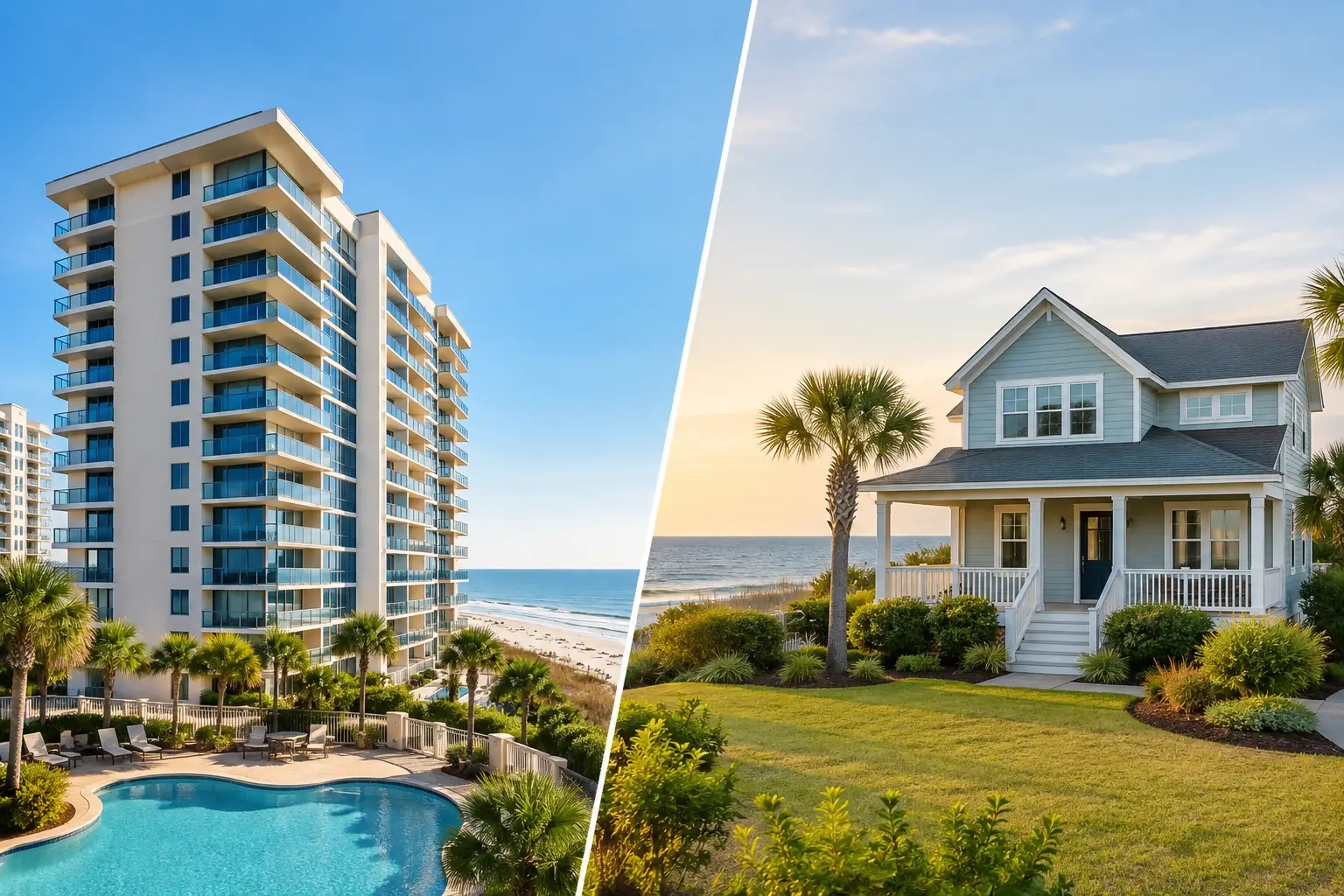
    A sunrise view over the Atlantic, an easy walk to dinner, a quiet screened porch, or a backyard for visiting family – the right coastal home looks different for every buyer. When comparing a Myrtle Beach SC condo vs house, the best choice is rarely about square footage alone. It comes down to how often you will use the property, how much maintenance you want to handle, your budget beyond the purchase price, and whether rental income is part of the picture.

    A condo can put you close to the beach with fewer individual chores. A house can offer breathing room, privacy, and more freedom to make the property your own. Both can be wonderful options along the Grand Strand, but they ask different things of an owner.

    Myrtle Beach SC Condo vs House: Start With Your Lifestyle

    For buyers who picture arriving on Friday, parking the car, and heading straight to the ocean, a condo can be especially appealing. Many condo communities offer amenities such as pools, elevators, fitness rooms, beach access, landscaping, and exterior maintenance. Instead of arranging for lawn care or worrying about a roof while you are away, you have an association responsible for much of the shared property.

    That convenience is meaningful for vacation-home buyers, retirees who travel, and owners who do not want weekends filled with repair projects. Oceanfront and near-ocean condos can also provide a front-row seat to the lifestyle that brings so many people to Myrtle Beach in the first place.

    A house often fits buyers who want the coast to feel more like home than a getaway. You may want a garage for beach gear, space for a dog, a garden, a private pool, or enough bedrooms to host children and grandchildren. A detached home can offer all of that, along with fewer shared walls and more control over daily routines.

    There is a location trade-off. In many areas, a house with a large lot may sit farther from the ocean than a condo with a beach view. That is not a drawback if you prefer a quieter residential setting, but it is worth being honest about how much a walkable beach lifestyle matters to you.

    Look Beyond the Purchase Price

    A condo’s purchase price may appear more approachable than a similarly located single-family home, especially near the water. But the monthly ownership cost deserves equal attention. Condo association dues can cover valuable services, yet they can also be substantial depending on the building’s amenities, age, insurance needs, staffing, and reserves.

    Before making an offer on a condo, review the association documents closely. Monthly dues are only one piece of the financial picture. Ask about what the fees cover, the building’s reserve funds, recent major repairs, pending projects, rental rules, pet policies, and any current or anticipated special assessments. An assessment is an added charge to owners for a major expense that the regular budget or reserves do not fully cover.

    With a house, there may be no HOA dues at all, or there may be modest community dues for amenities and common-area maintenance. That does not mean the house is automatically less expensive to own. The owner is responsible for the roof, exterior, landscaping, HVAC systems, plumbing, pest control, driveway, and every other repair that comes with a standalone property.

    A helpful way to compare properties is to estimate a full annual ownership budget, not just a mortgage payment. Include property taxes, homeowners insurance, flood insurance when applicable, HOA or condo dues, utilities, maintenance, and a reserve for repairs. If you are buying a second home, also include travel and property-management costs.

    Insurance Matters More at the Coast

    Coastal insurance deserves careful attention whether you choose a condo or a house. Wind coverage, deductibles, flood-zone status, elevation, building age, and distance from the coast can all affect costs. A lender may require flood insurance in certain areas, but even a property outside a required flood zone can face weather-related risk.

    For condos, understand the difference between the association’s master policy and the coverage you need for your individual unit. The master policy may insure the building structure and common areas, while your policy may need to cover interior finishes, personal property, liability, loss assessments, and other details. The exact responsibility depends on the association’s governing documents.

    For houses, you have more direct control over coverage choices, but you also carry responsibility for the entire structure. Older homes may have charm and a prime location, yet their roof age, electrical systems, plumbing, and construction features can influence insurability and premiums. A thorough inspection and insurance quote early in the buying process can prevent surprises later.

    Rental Plans Can Change the Answer

    If investment income is part of your plan, do not assume every beach property can be rented the same way. Some condo buildings are designed around short-term rentals and have onsite management, while others limit rental frequency or require longer lease terms. A house may offer strong rental appeal for larger groups, particularly if it has multiple bedrooms, outdoor space, or a pool, but local regulations and community rules still apply.

    The most rentable property is not always the best property for your personal use. A high-traffic building may perform well as a vacation rental but feel busy when you want a peaceful retreat. A residential neighborhood may be ideal for full-time living but have restrictions that make short-term rentals impractical.

    It also helps to be realistic about the work involved. Rental revenue can offset costs, but it comes with cleaning, repairs, linens, guest communication, management fees, occupancy swings, and wear on the home. Before relying on projected income, review comparable rental performance with a conservative eye and confirm the rules in writing.

    Maintenance: Shared Responsibility or Full Control?

    Condo ownership simplifies some maintenance, but it does not eliminate it. You still maintain the interior of your unit and contribute financially to the building’s larger needs through dues or assessments. Elevators, pools, roofs, parking structures, balconies, and exterior systems are expensive assets. Well-run associations plan ahead, communicate clearly, and maintain healthy reserves.

    A house puts the decisions in your hands. If you want to replace the landscaping, update a porch, add storage, or choose your own service providers, that freedom can be a major advantage. The other side is that there is no association stepping in when the roof leaks or the irrigation system fails.

    Buyers who enjoy home projects may see that responsibility as a benefit. Buyers who live out of state or prefer low-maintenance ownership may value the structure of condo living. Neither approach is better across the board. It is simply a question of where you want your time and money to go.

    Resale Is About Fit, Location, and Condition

    Both condos and houses can have strong resale appeal in the Myrtle Beach area. Location will always matter, but so will condition, layout, views, parking, amenities, rental flexibility, and the overall health of a community or neighborhood.

    For condo buyers, a well-maintained building with sound finances can be just as important as the unit itself. For house buyers, a functional floor plan, updated systems, outdoor living space, and manageable maintenance can widen the future buyer pool. A home close to the beach is attractive, but buyers also notice traffic patterns, flood considerations, neighborhood character, and everyday convenience.

    Avoid buying solely for a future resale story. Buy a property that works for your plans now, while keeping the next buyer in mind. That balanced approach usually leads to better decisions than chasing the trendiest address or the largest view.

    Questions to Answer Before You Choose

    Think through how you will use the property during an ordinary week, not only during a perfect summer vacation. Will you be here full time, several months a year, or a few long weekends? Do you want to walk to the beach, entertain a crowd, bring pets, rent to guests, or lock the door and travel without much worry?

    Then consider your tolerance for shared rules. Condo communities provide structure, but that structure may include limits on pets, parking, renovations, rentals, and exterior changes. A house can offer more flexibility, although an HOA may still have guidelines. Reading the rules before falling in love with a property is always easier than discovering a restriction after closing.

    The right coastal home should support the life you want to live, whether that means coffee on an oceanfront balcony or a backyard cookout after a day at the beach. Take time to compare the whole ownership experience, ask the practical questions early, and let your day-to-day priorities guide the decision.

  • Living Near the Intracoastal Waterway in Myrtle Beach, SC

    Living Near the Intracoastal Waterway in Myrtle Beach, SC

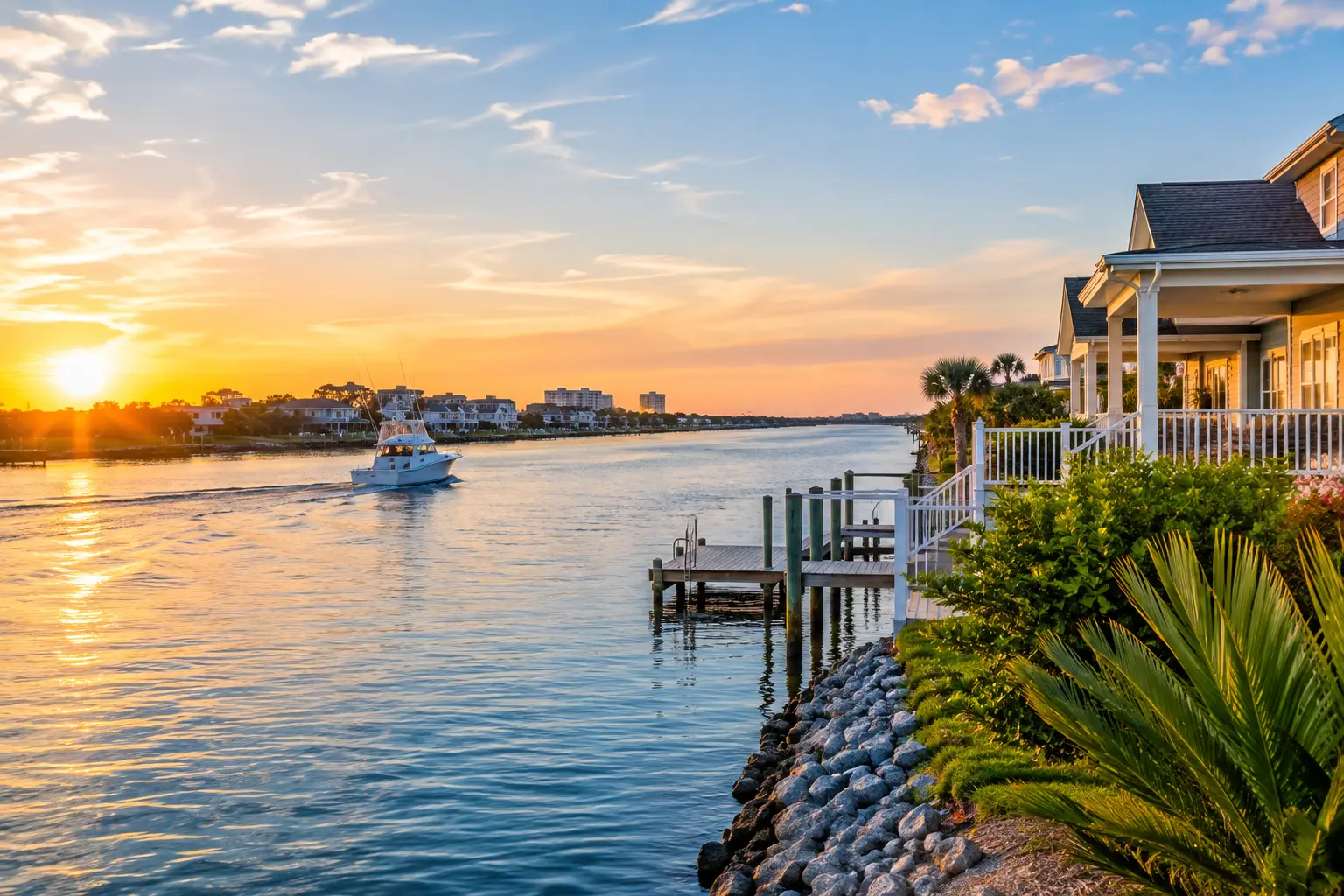
    The view can change the entire feel of a home. Along the Intracoastal Waterway, a morning coffee may come with passing boats, marsh birds, and a wide stretch of sparkling water instead of another row of rooftops. For buyers considering living near the intracoastal waterway in Myrtle Beach SC, that everyday scenery is a major draw – but it is only one part of the decision.

    Waterway living can be wonderfully relaxed, convenient, and full of coastal character. It can also bring practical questions about location, access, insurance, maintenance, and how close you truly want to be to the activity. The right home is not simply the one with a water view. It is the one whose setting works for the way you plan to live.

    What Waterway Living Feels Like

    The Intracoastal Waterway runs along the western side of the Myrtle Beach area, creating a different coastal experience from oceanfront living. Rather than the constant rhythm of beach traffic and salt air, waterway neighborhoods often feel more residential and tucked away, while still being close to restaurants, golf, shopping, medical care, and the beach.

    Many homeowners enjoy watching boats move through the water, taking an evening walk near the shoreline, or spending time on a dock when the property allows it. The waterway is especially appealing to boaters, anglers, and buyers who want a scenic backdrop without being directly on the ocean.

    That said, “near the waterway” can mean several different things. A home may sit directly on the water with a private dock, overlook the water from across a road or common area, or be located within a short drive of marinas and boat launches. Those distinctions affect the price, privacy, maintenance needs, and daily experience. A waterway view from a screened porch is very different from having boats and weekend activity just beyond your backyard.

    Where to Look Near the Intracoastal Waterway

    Waterway-adjacent options can be found throughout the greater Myrtle Beach area, including sections of Myrtle Beach, North Myrtle Beach, Little River, Carolina Forest, Socastee, and neighborhoods near the south end. Each area has its own pace and housing mix.

    In Myrtle Beach proper, buyers may find established communities, condos, townhomes, and newer construction within reach of the waterway. North Myrtle Beach and Little River often appeal to those looking for a slightly quieter setting, boating access, and a more laid-back coastal feel. Communities near Carolina Forest can offer newer homes and neighborhood amenities while remaining convenient to waterway recreation and major roads.

    A property does not have to be waterfront to deliver the lifestyle a buyer wants. Some buyers prefer a home a few streets away, where they can enjoy waterway access or nearby views without the premium attached to direct frontage. Others see the waterfront location as the whole point and are willing to make it a priority in their budget.

    The Home Choices Are More Varied Than Many Buyers Expect

    One of the pleasant surprises of the Myrtle Beach market is the variety around the waterway. A buyer may find a low-maintenance condo with a balcony view, a townhome in an amenity-rich community, a traditional single-family home on a wooded lot, or a custom waterfront home with a dock and outdoor living space.

    For a vacation home, a condo or townhome can be attractive because exterior maintenance is often handled through the homeowners association. Before assuming that makes ownership simple, review the association’s fees, rental rules, reserves, insurance coverage, and any restrictions on pets, parking, boats, or trailers.

    For a primary residence or retirement home, a single-family property may provide more privacy, storage, and room for guests. Buyers who own a boat should pay close attention to whether a dock is already in place, whether it conveys with the home, and what type of vessel the water depth and lift can accommodate. A beautiful waterfront lot does not automatically mean easy boating access.

    The Trade-Offs Worth Thinking Through

    Waterfront and water-adjacent homes deserve a little extra due diligence. This is not meant to take the fun out of the search. It is simply how a smart buyer protects both the lifestyle and the investment.

    Insurance is a key conversation. Flood zone designations, wind coverage, deductibles, elevation, and prior claims can all influence annual ownership costs. Two homes that look similar online can have very different insurance profiles, so it is wise to request insurance estimates early rather than waiting until the final days of a contract.

    Maintenance also matters. Moisture, humidity, wind, and salt in the coastal environment can be hard on exterior paint, decks, railings, windows, HVAC systems, and dock structures. A thorough home inspection is essential, and waterfront buyers may also need specialized inspections for seawalls, bulkheads, docks, lifts, or other marine features.

    Privacy and activity levels are personal. Some people love a lively waterway scene with boats, paddleboards, and neighbors enjoying the outdoors. Others want a quieter backyard and may prefer a home set back from the shoreline. Visit at more than one time of day if possible. A calm weekday morning and a busy holiday weekend can paint very different pictures.

    Buying Near the Intracoastal Waterway in Myrtle Beach

    Before falling in love with the view, spend time evaluating how the property functions. Start with the basics: access to the beach, grocery stores, medical services, restaurants, golf, and the roads you will use most often. Bridges and seasonal traffic can affect a routine more than buyers expect, particularly when a property is being considered for full-time living.

    Then look closely at the waterfront details. Ask whether the property has a private dock, a shared dock, deeded access, or simply a view. Confirm who is responsible for repairs and whether permits may be required for future improvements. If boating is a priority, consider water depth, tidal conditions, bridge clearance, navigation to open water, and where guests can park when they come along for the ride.

    For investment buyers, rental potential should be evaluated carefully rather than assumed. Some communities permit short-term rentals, some limit them, and others do not allow them at all. Rental income can also vary based on the home’s location, amenities, seasonality, furnishing, and management costs. A lovely waterway property can be a strong addition to a portfolio, but it should fit a realistic financial plan.

    A Few Smart Questions for Sellers, Too

    Owners preparing to sell a waterway-area home should make the setting easy for buyers to understand. Clear information about dock rights, water access, homeowners association requirements, recent improvements, and insurance history can help a buyer feel more confident.

    The view is often the feature that first catches attention, so outdoor spaces deserve care. A clean dock, well-kept deck, trimmed landscaping, and a porch staged for relaxing can help buyers picture themselves there. If the home has a waterway view but no direct access, say so plainly. The right buyer may still value that view enormously, and clear expectations build trust from the start.

    Let the Lifestyle Lead the Search

    Living near the waterway is not one-size-fits-all. Some buyers want a dock and a boat lift. Others want a quiet community where they can glimpse the water on an evening stroll. Some want a second home close to Myrtle Beach attractions, while others are looking for a peaceful full-time retreat with room for visiting family.

    The best next step is to define what waterway living means to you before comparing properties. Think about your favorite kind of morning, how often you expect to use the water, the maintenance you are comfortable taking on, and the expenses that fit comfortably into your plan. With thoughtful guidance from a local real estate professional such as Cyndy Otto, that waterside wish list can become a practical, personal path to the right home.

  • Myrtle Beach Home Appraisal vs. Market Value

    Myrtle Beach Home Appraisal vs. Market Value

    A beautiful ocean-view condo can feel priceless after a sunrise coffee on the balcony. But when it comes time to buy, sell, refinance, or make an offer, the number that matters can change depending on who is looking at the home and why. Understanding myrtle beach home appraisal vs market value helps take the surprise out of a transaction – especially in a coastal market where views, rental potential, insurance, and proximity to the water can all shape a property’s appeal.

    An appraisal and market value both relate to what a home is worth, but they are not interchangeable. One is an independent opinion developed for a lender. The other is the price a ready, willing buyer may realistically pay in the current market. Sometimes they match closely. Other times, there is a gap that buyers and sellers need to address thoughtfully.

    What Is a Home Appraisal?

    A home appraisal is a licensed appraiser’s professional opinion of a property’s value on a specific date. In most financed purchases, the buyer’s lender orders the appraisal after the home is under contract. The lender uses it to help determine whether the home supports the amount being borrowed.

    The appraiser evaluates the home’s condition, size, layout, features, location, and recent comparable sales. They do not simply confirm the contract price. Their assignment is to provide an impartial valuation based on market evidence, generally using sales that are similar in property type, location, and characteristics.

    For a Myrtle Beach-area property, the details behind those comparisons matter. A condo with a direct oceanfront view is not the same as one across the street from the beach. A home in Murrells Inlet with a private dock may require a different set of comparable properties than a newer inland home in Conway. In North Myrtle Beach, rental history, building amenities, monthly HOA dues, and the condition of the unit can all influence how an appraiser supports value.

    The lender receives the completed appraisal, although buyers are generally entitled to receive a copy. Sellers may not automatically receive it, but their agent can often help communicate relevant findings if the appraisal creates a contract issue.

    What Does Market Value Mean?

    Market value is the most likely price a property would bring when it is properly marketed and exposed to qualified buyers under normal conditions. It is not necessarily the highest price someone might offer in a particularly emotional moment, nor is it a number pulled from an automated online estimate.

    In real estate, market value is shaped by current buyer demand, competing inventory, recent sales, seasonality, condition, location, and the terms attached to an offer. A cash buyer who can close quickly may offer one price. A buyer who needs seller concessions, has a home to sell first, or requires specific financing may create a different value proposition for the seller.

    A real estate professional estimates market value through a comparative market analysis, often called a CMA. This analysis considers recently sold homes, active competition, homes that went under contract, expired listings, and the features buyers are responding to right now. It is a pricing tool, not an appraisal.

    That distinction matters because a market can move faster than closed-sale data. During a period of rising demand for beach homes or retirement properties, active listings and pending sales may suggest buyers are willing to pay more than the most recent closed comparables show. An appraiser may recognize that trend, but must still support the final opinion with credible data.

    Myrtle Beach Home Appraisal vs. Market Value: The Key Differences

    The simplest way to look at the difference is purpose. An appraisal protects the lender by measuring collateral for a loan. Market value helps a buyer or seller make a practical decision in the present marketplace.

    An appraisal is typically ordered by the lender, completed by a licensed appraiser, and tied to a particular loan transaction or refinance. Market value is assessed through active market knowledge and may evolve quickly as new listings appear, interest rates change, or buyers shift their attention between communities.

    Timing can also create a gap. Appraisals rely heavily on closed sales, which can lag several weeks or months behind the current market. A seller may receive multiple offers over list price because inventory is limited in a sought-after neighborhood. Yet if comparable closings do not support the agreed price, the appraisal may come in lower.

    On the other hand, a home can appraise at or above the contract price even when it has been listed too long or needs price adjustments to attract buyers. The appraisal does not guarantee that another buyer will pay the same amount if the current contract falls apart.

    Why Coastal Properties Can Be Harder to Compare

    Coastal real estate is wonderfully varied, which is part of its charm and part of the valuation challenge. Two homes with the same square footage can have very different buyer appeal based on their setting and ownership costs.

    For example, oceanfront, ocean view, second row, channel-front, golf course, and inland properties are distinct categories in many buyers’ eyes. Flood zone, elevation, beach access, parking, outdoor living space, rental restrictions, and storm protection can all affect value. A recently updated kitchen may help, but it may not carry the same weight as an unobstructed water view or a location within walking distance of the shore.

    Condominiums add another layer. Building age, elevator access, reserve funding, HOA financial health, rental rules, amenities, special assessments, and insurance costs can influence both buyer demand and lender approval. A unit’s gross rental income may be meaningful to an investment buyer, but an appraiser must use the appropriate valuation approach and comparable evidence for the assignment.

    This is why broad countywide averages rarely tell the whole story. A median sale price for Myrtle Beach may be interesting, but it cannot price a specific home in Garden City Beach, Pawleys Island, Little River, or Surfside Beach. The most useful comparisons are local, recent, and genuinely similar.

    What Happens If the Appraisal Is Lower Than the Contract Price?

    A low appraisal does not automatically end a sale. It starts a conversation. The options depend on the contract language, financing, each party’s goals, and how much flexibility exists.

    The buyer may bring additional cash to cover some or all of the difference. The seller may agree to reduce the price. The parties may meet somewhere in the middle, particularly when both want to keep the transaction moving. In some cases, the buyer and seller may adjust terms, such as credits or personal property, though any change should be handled carefully and within lender guidelines.

    If there are factual errors in the appraisal or better comparable sales were overlooked, the buyer’s lender may have a process for requesting reconsideration of value. This is not an opportunity to argue that the home simply feels worth more. It is a chance to provide relevant, verifiable market data the appraiser may consider.

    For sellers, the best preparation begins before the sign goes in the yard. Price the home based on strong local evidence, make needed repairs, present the property well, and document upgrades. A list of improvements with dates and approximate costs can be helpful during the appraisal visit. It will not force a higher value, but it gives the appraiser a clearer picture of what has been done.

    Smart Steps for Buyers and Sellers

    Buyers should avoid treating the appraisal as a guarantee that they are getting a bargain. It is one professional opinion for lending purposes, not a full inspection of condition or a promise of future appreciation. Keep the inspection process separate, review the property’s carrying costs carefully, and make sure the purchase still fits your plans for a primary residence, vacation home, retirement move, or investment.

    Sellers should not assume the highest nearby sale automatically sets their home’s value. A top sale may have had a renovated interior, a larger lot, a premium view, or unusually favorable terms. The right list price is one that reflects the home’s individual strengths while giving buyers confidence that the value is supportable.

    For both sides, a well-prepared comparative market analysis before an offer or listing can make a meaningful difference. It helps set realistic expectations, identify the strongest comparable sales, and anticipate questions an appraiser or lender may raise later.

    A coastal home is more than its bedroom count or a number on a report. Still, clear-eyed pricing and a good understanding of the appraisal process create room for the lifestyle decision to shine. When you know which value is being discussed and why, you can move forward with fewer surprises and more confidence in the home that feels like the right fit.

  • Moving to Myrtle Beach SC From New York Guide

    Moving to Myrtle Beach SC From New York Guide

    A January morning can make the idea of trading a New York snow shovel for a Myrtle Beach golf cart feel pretty appealing. But moving to Myrtle Beach SC from New York is more than a weather change. It is a shift in pace, housing style, daily routines, and the way you choose a neighborhood. The best move is one that fits the life you want on an ordinary Tuesday, not just a sunny week at the beach.

    For some buyers, that means a low-maintenance condo close to restaurants and the ocean. For others, it means a newer home inland with more space, a screened porch, and room for visiting family. Myrtle Beach and the surrounding Grand Strand offer both, but each area comes with its own costs, character, and practical considerations.

    What Feels Different After Leaving New York

    The first adjustment is often the pace. The Myrtle Beach area is active, especially during spring and summer, but daily life can feel less compressed than the New York metropolitan area. Errands generally require a car, traffic has a seasonal rhythm, and a quick trip across town can take longer than a map suggests during peak visitor months.

    The climate is the obvious draw. Winters are mild compared with New York, and many residents enjoy being outdoors through much of the year. The trade-off is heat, humidity, pollen, and hurricane season. A home with good air conditioning, shade, storm-ready features, and a comfortable outdoor living area can matter just as much as the view.

    New York transplants also notice the difference in community layout. Walkable pockets exist, particularly near the beach and in established downtown areas, but the region was built around driving. Before buying, take the routes you expect to use: grocery stores, medical appointments, airports, restaurants, golf, the beach, and the places you expect visitors to enjoy.

    The Cost of Living Is Not One Simple Number

    Many people begin their search expecting South Carolina to be dramatically less expensive than New York. In many cases, it can be, especially compared with New York City, Long Island, Westchester, or parts of the Hudson Valley. Yet housing savings do not automatically make every monthly expense lower.

    Property taxes may be favorable for a primary residence, but insurance deserves close attention near the coast. Homeowners insurance, wind coverage, flood insurance, and deductibles can vary substantially by location, elevation, construction type, and proximity to water. A beautiful coastal home with a lower purchase price may carry a different insurance picture than an inland home built to newer standards.

    South Carolina has a state income tax, which is a consideration for people leaving states with different tax structures. Retirement income, employment income, investment property income, and residency rules all deserve a conversation with a qualified tax professional. The right choice is personal, particularly for buyers who are retiring, keeping a New York business, or splitting time between two homes.

    It also helps to budget for the less glamorous parts of a move: vehicle registration, furnishings for a larger home, utility deposits, HOA fees, lawn care, pest service, and occasional storm preparation. A realistic budget creates room to enjoy the coastal lifestyle once you arrive.

    Choosing a Myrtle Beach Area That Matches Your Life

    “Myrtle Beach” is often used as a catchall, but the metropolitan area offers very different living experiences. The right fit depends on whether you want resort energy, a quiet neighborhood, boating access, a downtown feel, or a home that works well for frequent guests.

    Closer to the Beach

    Myrtle Beach, North Myrtle Beach, Surfside Beach, Garden City Beach, and the communities around Murrells Inlet put you close to sand, dining, entertainment, and water activities. Condos and townhomes can provide easier maintenance and strong vacation-home appeal, while single-family homes offer more privacy and space.

    The closer you are to the ocean, the more carefully you should review flood zones, insurance, HOA regulations, rental rules, parking, and building maintenance. Oceanfront living has a special kind of magic, but it is not a set-it-and-forget-it purchase.

    Inland and More Residential

    Conway, Longs, Loris, and other inland communities can offer newer construction, larger lots, and more value for buyers who do not need to see the ocean from their porch. Conway, in particular, has a historic downtown atmosphere, local shops, and access to the Waccamaw River. These areas can be a good match for full-time residents seeking a neighborhood feel while remaining within driving distance of the beach.

    South of Myrtle Beach

    Pawleys Island and Georgetown appeal to buyers looking for a slower, more Lowcountry-centered lifestyle. The scenery, waterways, and historic character are a major part of the draw. These areas may be especially attractive to those who want coastal access without being in the center of the Grand Strand’s busiest visitor activity.

    A few visits in different seasons are worth more than hours of online browsing. See a neighborhood on a summer weekend, then imagine it during a quiet winter week. Listen for road noise, check grocery access, and ask yourself whether you will enjoy the location when relatives are not in town and the beach is not on the day’s agenda.

    New Construction or an Existing Coastal Home?

    New construction is popular throughout Horry and Georgetown Counties. Buyers often appreciate modern floor plans, energy efficiency, warranties, and the ability to choose finishes. Communities may include pools, fitness centers, walking paths, or lawn maintenance, which can be especially appealing for retirees and second-home owners.

    Still, a model home can make it easy to overlook details. Ask what is included in the base price, how long the build may take, whether lots have premium fees, and what future construction is planned nearby. Review the HOA documents and understand any restrictions related to fencing, exterior changes, pets, parking, or rentals.

    Existing homes can offer established landscaping, mature neighborhoods, and locations closer to the water or older commercial areas. They may also come with a roof, HVAC system, crawl space, dock, or drainage history that needs a careful inspection. In coastal real estate, an inspection is not merely a box to check. It is an opportunity to understand how the home has been maintained in a humid, storm-prone environment.

    Practical Steps for Moving From New York

    If you are still in New York, begin with a clear timeline. A permanent move, a retirement transition, and the purchase of a vacation home all require different decisions. Consider whether you will sell your current home first, buy before selling, or rent locally for a few months while you learn the area.

    For buyers who plan to use a mortgage, speak with a lender early. Pre-approval helps define a comfortable price range, but it also prepares you for questions involving second homes, investment use, retirement income, self-employment, or an out-of-state sale. If a property has an HOA, lender requirements may depend on the community’s financial health and rental mix.

    Plan the move around the calendar when possible. Summer can be exciting but busy, while late fall and winter often make it easier to experience a community’s year-round personality. If you are buying remotely or making short house-hunting trips, prioritize a small group of areas rather than trying to cover the entire coast in one weekend.

    A local real estate professional can help turn broad preferences into useful comparisons: condo versus single-family home, beachside versus inland, gated community versus no HOA, or South Carolina versus nearby Brunswick County, North Carolina. Cyndy Otto works with buyers across the Myrtle Beach area and coastal North Carolina, where a slightly different location can sometimes make a meaningful difference in lifestyle and value.

    Make Room for the Life You Actually Want

    The most satisfying coastal moves are not always the ones with the closest beach access or the biggest house. They are the ones that support your routines, budget, guests, hobbies, and comfort through every season. Give yourself permission to compare a few different versions of coastal life before making an offer. The right home should make the move from New York feel less like a leap and more like arriving where your next chapter belongs.

  • Best Communities Near Myrtle Beach SC to Call Home

    Best Communities Near Myrtle Beach SC to Call Home

    A sunrise walk on the beach, fresh seafood close to home, and a neighborhood that feels right after the vacation crowds head out – that is the real appeal of living along the Grand Strand. The best communities near Myrtle Beach SC are not all the same, and that is good news for buyers. Whether you want a golf-cart-friendly beach town, a quiet coastal cottage, a new-construction community, or more space inland, there is a corner of the coast that can fit your everyday life.

    The best choice comes down to how you plan to use the home. A primary residence has different needs than a rental-minded condo or a lock-and-leave second home. Start with the lifestyle you want on an ordinary Tuesday, not only the one you picture during a perfect beach weekend.

    Best Communities Near Myrtle Beach SC for Beach Living

    North Myrtle Beach

    North Myrtle Beach is a natural choice for buyers who want the coast to be part of their daily routine. It has a relaxed beach-town feel while still offering restaurants, shopping, golf, live entertainment, and plenty of ways to get outdoors. Neighborhoods range from oceanfront condos and townhomes to established single-family homes and gated communities.

    This area can work especially well for second-home buyers and investors because visitors recognize the name and enjoy the easy access to beaches, attractions, and dining. For full-time residents, the key is narrowing the search to a location that matches your tolerance for seasonal traffic and activity. Living a few blocks or a few miles from the ocean can change both the price point and the day-to-day pace.

    Surfside Beach and Garden City Beach

    Surfside Beach has earned its reputation as a friendly, family-oriented place to live. It is close enough to Myrtle Beach for convenience but offers a more residential feel, with homes, beach cottages, condos, and neighborhoods tucked just west of the shoreline. Buyers often appreciate having the beach nearby without feeling surrounded by the larger resort scene.

    Just south, Garden City Beach is known for its marsh views, inlet access, and mix of vacation properties and full-time residences. Waterfront living here can be beautiful, but it deserves a careful look at flood zones, insurance costs, elevation, and property maintenance. A home with a dock or a view can be a wonderful fit, as long as the practical side of coastal ownership is part of the plan.

    Murrells Inlet

    For many buyers, Murrells Inlet feels like the sweet spot between coastal charm and everyday livability. The community is known for the MarshWalk, waterfront restaurants, boating, fishing, and a well-established residential character. It is also near Huntington Beach State Park and Brookgreen Gardens, which adds a quieter, nature-focused side to the area.

    Housing choices include condos, traditional neighborhoods, newer communities, and homes near the inlet or golf courses. Murrells Inlet can be a strong option for retirees and primary residents who want dining and recreation close by but prefer a less tourist-centered setting than central Myrtle Beach. Waterfront and marsh-front homes often come with a premium, while homes farther inland may offer more square footage for the budget.

    Pawleys Island and Litchfield

    Pawleys Island and nearby Litchfield appeal to buyers who want a slower, more refined coastal rhythm. This is a place for long beach walks, historic character, golf, and neighborhoods shaded by live oaks. It sits farther south of Myrtle Beach, which can make it feel more removed from the busiest resort corridors.

    The trade-off is that buyers may pay more for proximity to the water, mature landscaping, and the area’s sought-after atmosphere. It is also wise to think about commuting, grocery access, and how often you expect to travel north for work, entertainment, or the airport. For the buyer who values calm, natural beauty, and a coastal home that feels distinctly Lowcountry, Pawleys Island remains a favorite.

    Communities With More Space and Everyday Convenience

    Conway

    Conway is a smart choice for buyers who love the coast but do not need to live directly beside it. This historic river town offers a walkable downtown, local restaurants, schools, and a broader mix of established homes and newer construction. Many buyers find they can get more home, yard, or neighborhood amenities here than closer to the ocean.

    Conway can be especially appealing for year-round residents, families, and anyone who wants a little separation from beach traffic. The ride to Myrtle Beach is manageable for many people, but it is still worth driving the route at the times you would actually use it. A community that feels convenient at 11 a.m. may feel very different during a summer evening or holiday weekend.

    Longs and Little River

    Longs offers growing residential options north of Myrtle Beach, including newer homes and communities where buyers may find more space at a comfortable price point. It is a practical location for those who want access to North Myrtle Beach, Little River, and the North Carolina line without paying for an oceanfront address.

    Little River has a personality all its own. Known for its waterfront dining, marinas, fishing charters, and annual Blue Crab Festival, it offers a laid-back coastal setting with a local feel. Buyers can find everything from condos near the Intracoastal Waterway to established homes and newer developments. It is a particularly good area to consider if boating, fishing, or quick trips into southeastern North Carolina are high on your wish list.

    Loris

    For buyers seeking a quieter, more rural pace, Loris deserves a look. Located inland from the beach, it offers open spaces, small-town character, and homes that may provide more land than coastal locations. This is not the choice for someone who wants to walk to the sand, but it can be a meaningful fit for those who value privacy, a larger yard, and a lower-key daily routine.

    The decision here is mostly about lifestyle. If beach access is an occasional pleasure rather than a daily requirement, the value and space available inland may be very appealing.

    What Makes a Community the Right One?

    A beautiful house is only part of the decision. Before falling in love with a neighborhood, consider the details that shape ownership over time: homeowners association rules and fees, rental restrictions, insurance estimates, flood-zone information, parking, road access, and maintenance expectations. A condo with a lower purchase price may carry monthly fees that change the long-term budget. A home near the water may require more attention to exterior care, wind coverage, and drainage.

    For second-home and investment buyers, rental rules deserve special attention. Short-term rental policies can differ not only by town but also by individual community and building. A property that looks ideal for rental income may have restrictions on minimum stays, owner use, pets, or management. Those rules should be reviewed before an offer, not after closing.

    For primary residents, think beyond the home itself. Test the commute, visit nearby stores, and spend time in the area at different hours. Notice whether you want sidewalks, golf-cart access, a pool, a marina, a social clubhouse, or simply a peaceful street. There is no universal winner among the best communities near Myrtle Beach SC because the right neighborhood is personal.

    Looking Just North of the South Carolina Line

    Buyers searching the Myrtle Beach area should not overlook nearby Brunswick County, North Carolina. Calabash, Sunset Beach, Ocean Isle Beach, Shallotte, Holden Beach, Oak Island, and Southport each bring a different version of coastal living. Some buyers find that crossing the state line opens up a better fit for their preferred home style, budget, tax considerations, or distance from the busiest beach corridors.

    Calabash is convenient to North Myrtle Beach and has a well-known seafood-town charm. Ocean Isle Beach and Sunset Beach offer a more relaxed island atmosphere, while Shallotte provides shopping and practical conveniences nearby. Farther north, Southport has a historic waterfront character that attracts buyers looking for a walkable coastal town with a strong sense of place.

    The right search often includes both sides of the border, especially when the goal is a home that feels good year-round rather than simply one that checks a map box.

    When you are ready to compare neighborhoods, bring a simple list of non-negotiables and a second list of nice-to-haves. A trusted local real estate professional can help you weigh the charming details against the important ones, so the home you choose is ready for your beach days and your real life.