A waterfront address can change the rhythm of a day. Morning coffee comes with marsh views, an evening walk may end at the beach, and weekends can revolve around the dock or the waterway. But waterfront homes are not all alike. Knowing what to know before buying a waterfront home in Myrtle Beach SC helps you choose a property that fits your lifestyle, budget, and comfort level long after closing day.
The Myrtle Beach area offers oceanfront condos, homes along the Intracoastal Waterway, creek-front properties, marsh views, and residences near inlets and channels. Each comes with its own appeal – and its own set of practical questions. The best waterfront home is not simply the one with the prettiest view. It is the one whose location, condition, insurance needs, and ownership rules make sense for the way you plan to live.
Start by Defining What Waterfront Means to You
Waterfront can mean a front-row ocean view, a quiet salt marsh, a home on a navigable channel, or a place close enough to the beach to hear the waves. Those are very different experiences, and they can carry very different costs.
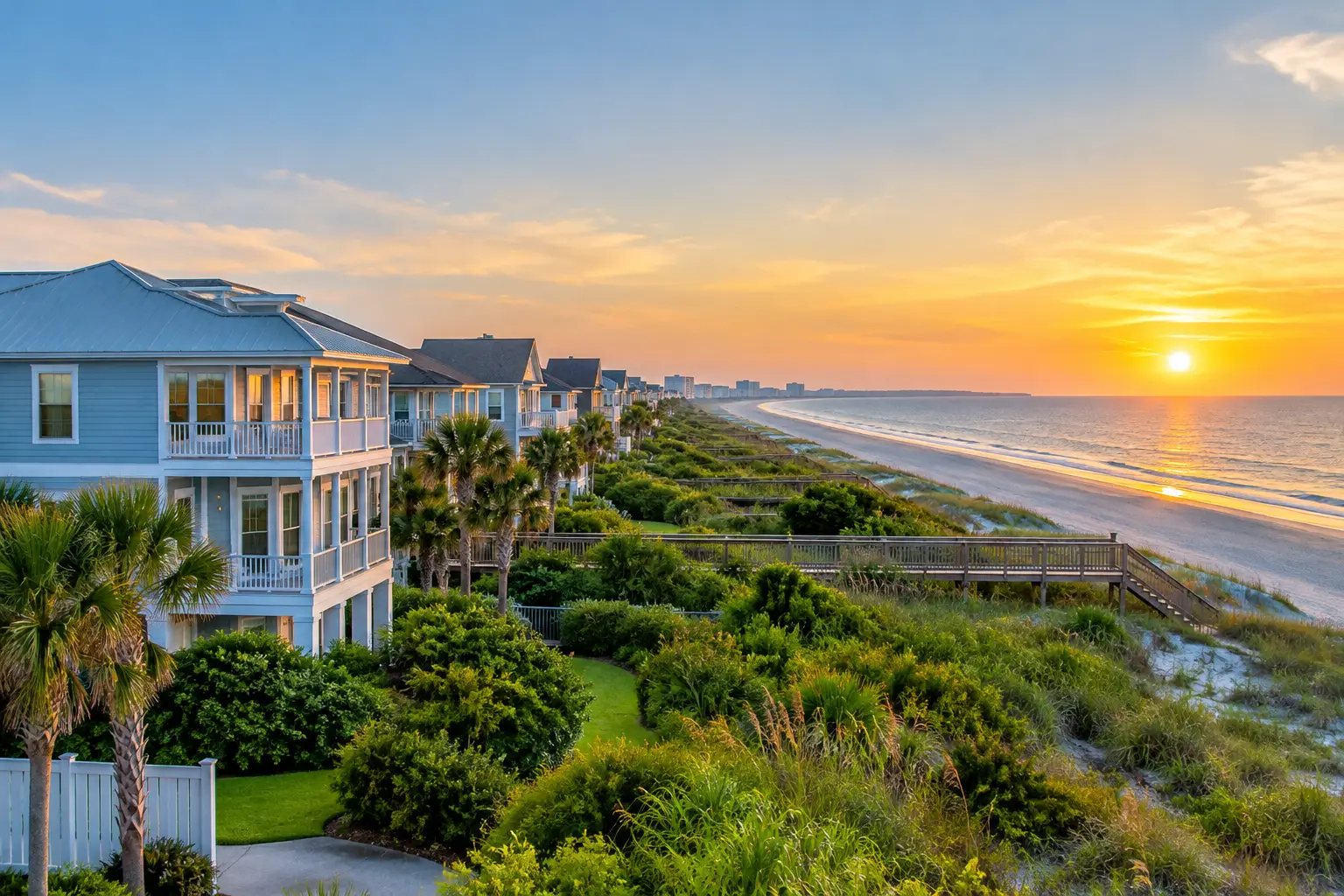
An oceanfront property in Myrtle Beach, North Myrtle Beach, Surfside Beach, or Garden City Beach may offer direct beach access and strong vacation appeal. It can also face higher wind exposure, more salt-air wear, busy seasonal activity, and stricter building or condominium rules. A home on the Intracoastal Waterway may suit a buyer who values boating, sunsets, and a little more separation from the crowds.
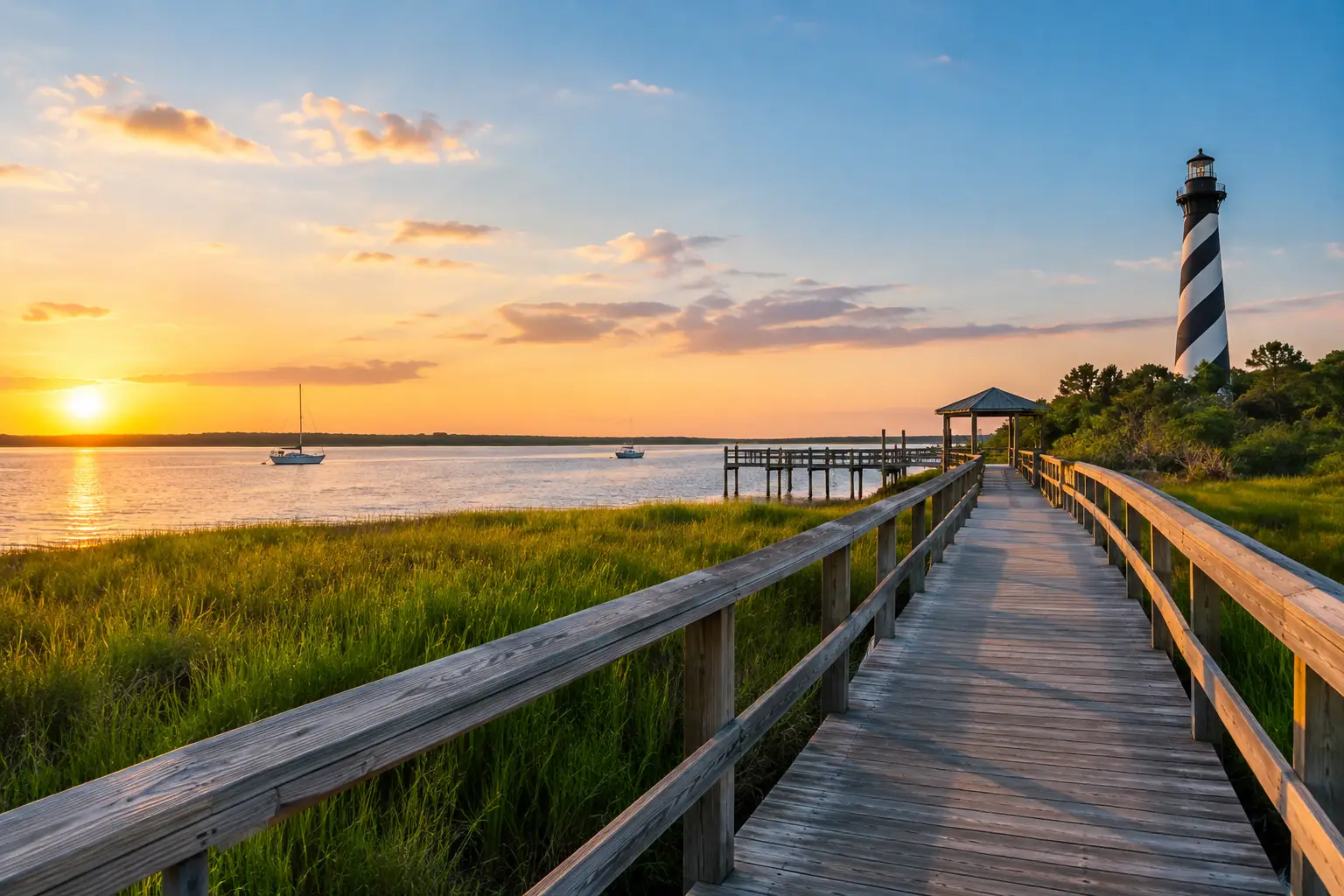
Marsh-front homes around Murrells Inlet, Pawleys Island, and Georgetown often offer peaceful views and abundant wildlife. The trade-off may be tidal conditions, mosquitoes at certain times of year, and a view that is beautiful but not necessarily suitable for launching a boat from your backyard. Before falling for a photo, think about how you will actually use the water.
Understand Flood Zones Before You Make an Offer
Flood risk is one of the first practical items to review with any coastal or waterfront purchase. A home does not need to be directly on the ocean to be in a flood zone, and two nearby homes can have very different flood insurance requirements.
Ask for the current flood zone designation, the seller’s flood insurance information if available, and details about any prior water intrusion or flood claims. If the lender requires flood insurance, that premium becomes part of the monthly cost of ownership. Even when coverage is not required, some buyers decide it is worthwhile for peace of mind.
Elevation matters, too. A raised beach house and a ground-level home can carry very different risk profiles. Review the elevation certificate when one is available, but do not assume an older certificate tells the whole story. Flood maps, insurance rules, and premiums can change. Getting an insurance quote during the due-diligence period is far better than receiving a surprise after you are under contract.
Water Has a Way of Reaching Beyond the Shoreline
Heavy rain, storm surge, tidal flooding, and drainage conditions can affect a property differently. Look at the driveway, street, garage, lower-level storage areas, and yard after rain if possible. Ask neighbors how the area performs during major storms. A beautiful view is still worth having, but it should come with a clear understanding of the home’s resilience.
Budget for Coastal Maintenance, Not Just the Mortgage
Salt air is hard on nearly everything. Exterior paint, railings, windows, HVAC components, roofing materials, decks, outdoor fixtures, and metal hardware all deserve regular attention near the coast. This is not a reason to avoid waterfront living. It is simply part of owning a home where the sea breeze is part of the package.
A thorough home inspection is essential, and waterfront buyers may also benefit from specialized inspections when warranted. Depending on the property, that can include a roof evaluation, stucco inspection, seawall review, dock inspection, HVAC assessment, or moisture and mold evaluation. Older beach homes can have wonderful character, but they may need more careful evaluation than a newer inland property.
Plan a maintenance reserve from the beginning. If a home has extensive decking, a private pier, a bulkhead, or exterior stairs, those items should be part of your annual ownership budget. The goal is not to expect the worst. It is to avoid letting a manageable repair become an unwelcome financial surprise.
Ask the Right Questions About Docks, Piers, and Water Access
A private dock can be a dream feature for boaters, anglers, and families who love being on the water. It can also be one of the most misunderstood features in a waterfront listing.
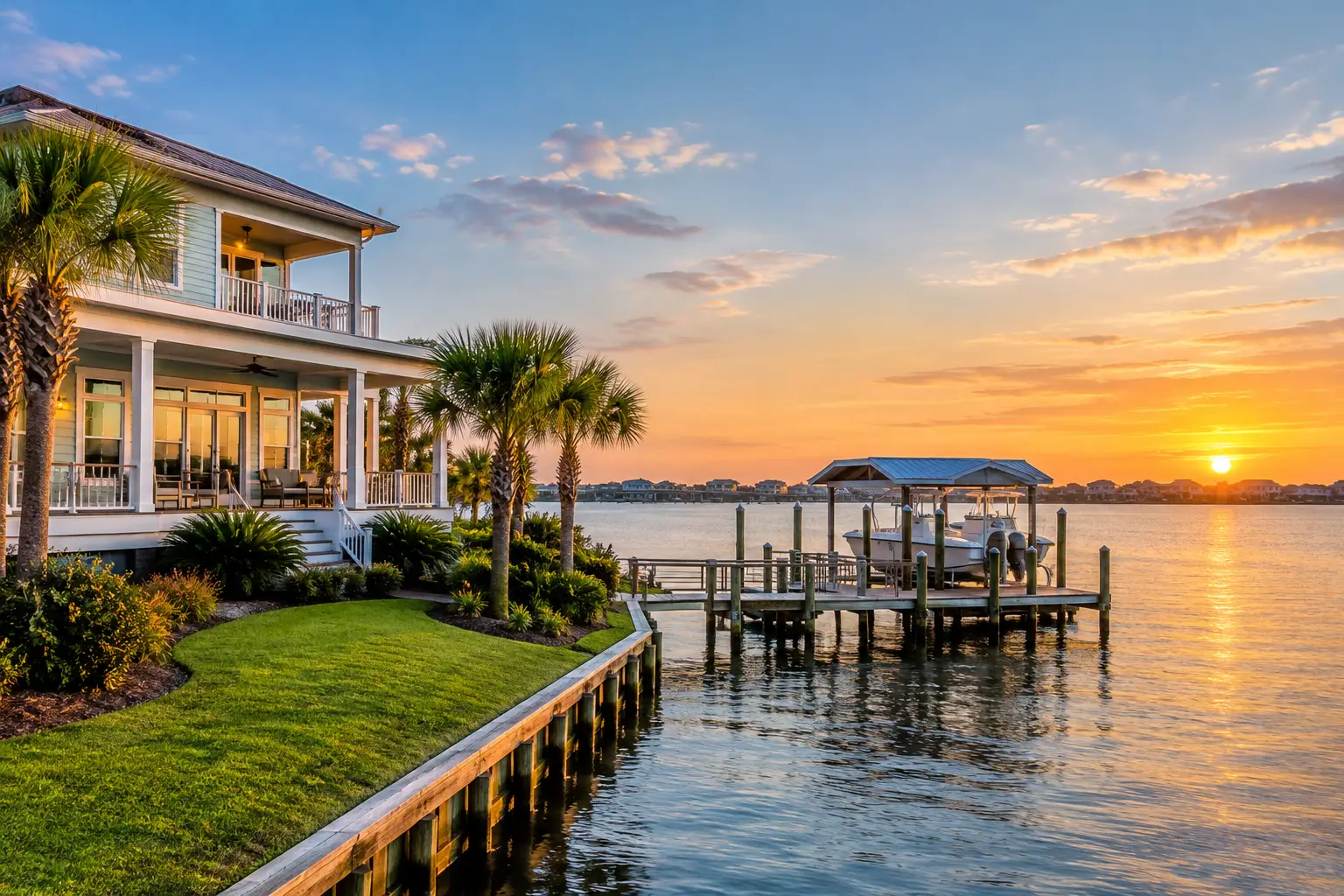
First, confirm whether the dock belongs exclusively to the property, is shared, or is controlled by an association. Then ask whether it is permitted, whether permits can transfer, and whether there are limitations on repair, replacement, boat lifts, or watercraft. A dock that looks usable from the backyard may not be deep enough for the type of boat you own, particularly at low tide.
Navigable water access also depends on tides, bridge clearance, channel depth, and the route from the property to open water. A waterway home may be ideal for a pontoon boat but less practical for a larger vessel. If boating is a major reason for buying, visit at more than one time of day and talk through your specific needs before treating a dock as a guaranteed fit.
Consider the View, Privacy, and Everyday Activity
Waterfront homes put you close to natural beauty, but they also put you close to the activity around that water. Oceanfront buildings can be lively during peak vacation season. Waterway homes may see boat traffic, music, and weekend gatherings. Marsh-front properties can feel wonderfully private, although the landscape and water level change with the tides.
Visit the neighborhood on a weekday and a weekend if you can. Drive through in the morning, around sunset, and after dark. Notice parking, traffic, lighting, beach access points, nearby restaurants, and construction activity. This kind of scouting is especially valuable for buyers who plan to use the home as a primary residence or retirement home rather than an occasional getaway.
Views deserve a close look as well. Ask what sits between the home and the water, whether there are undeveloped parcels nearby, and what local zoning may allow in the future. No one can promise a view will never change, but you can make a more informed decision about the surrounding area.
Condo and HOA Rules Can Shape the Ownership Experience
Many waterfront properties, especially oceanfront condos, are governed by a homeowners association. The association can provide valuable benefits, such as exterior upkeep, landscaping, pools, elevators, master insurance, and beach access maintenance. It can also add monthly fees and rules that need to match your plans.
Review the association’s budget, reserve funding, meeting minutes, insurance coverage, pending assessments, rental rules, pet restrictions, parking policies, and renovation guidelines. Large coastal buildings may periodically need major work on balconies, roofs, elevators, or exterior systems. A special assessment can affect the true cost of ownership, so it is worth reviewing the documents carefully rather than treating them as paperwork for later.
For a single-family home, check for HOA rules as well. Some communities regulate parking boats or trailers, exterior colors, fencing, short-term rentals, and dock use. A restriction may be perfectly reasonable for one buyer and a deal-breaker for another.
Be Realistic About Rental Income
A waterfront home can be a wonderful vacation rental, but rental income should never be assumed without doing the homework. Oceanfront and waterway properties can have strong guest appeal, yet income varies by location, property condition, amenities, bedroom count, season, management fees, and local or community rules.
If rental potential is part of your purchase decision, review current restrictions before making an offer. Some communities limit short-term rentals, require minimum rental periods, or have registration requirements. Also account for furnishing, cleaning, maintenance, insurance, utilities, vacancy periods, and wear from guest use. A property that produces attractive gross rental numbers may have a very different net result.
Buy a home you would still feel good about owning if rental demand softened. That approach keeps an investment decision grounded in both numbers and lifestyle.
Let Due Diligence Match the Property
The right contract period gives you time to inspect, price insurance, review documents, verify utilities, and look closely at the items that matter most for that particular home. Waterfront ownership is not one-size-fits-all, and neither is due diligence.
For some buyers, the biggest question is beach access. For others, it is whether a boat can leave the dock at low tide, whether a condo allows weekly rentals, or how much storm preparation the home may require. A knowledgeable local real estate professional can help organize those questions early, so you can focus on the home itself rather than sorting through surprises later.
A waterfront home should feel like a place you can enjoy, not a view you have to worry about. Take the time to understand the details, picture an ordinary Tuesday as clearly as a holiday weekend, and choose the coastal setting that makes your life feel a little more like the place you came here to find.
Ready to Find Your Perfect Waterfront Home in Myrtle Beach?
Buying a waterfront property along the Carolina coast comes with unique considerations, from flood zones and insurance to property inspections and location.
Cyndy Otto of Cyndy Sells the Seashore can help you explore waterfront homes in Myrtle Beach, North Myrtle Beach, and surrounding coastal communities in South Carolina and southeastern North Carolina.
Whether you’re searching for an oceanfront condo, an Intracoastal Waterway home, or a peaceful waterfront retreat, Cyndy is ready to help you take the next step.
Ready to start your waterfront home search?
Visit www.cyndysellstheseashore.com to connect with Cyndy and explore your options.