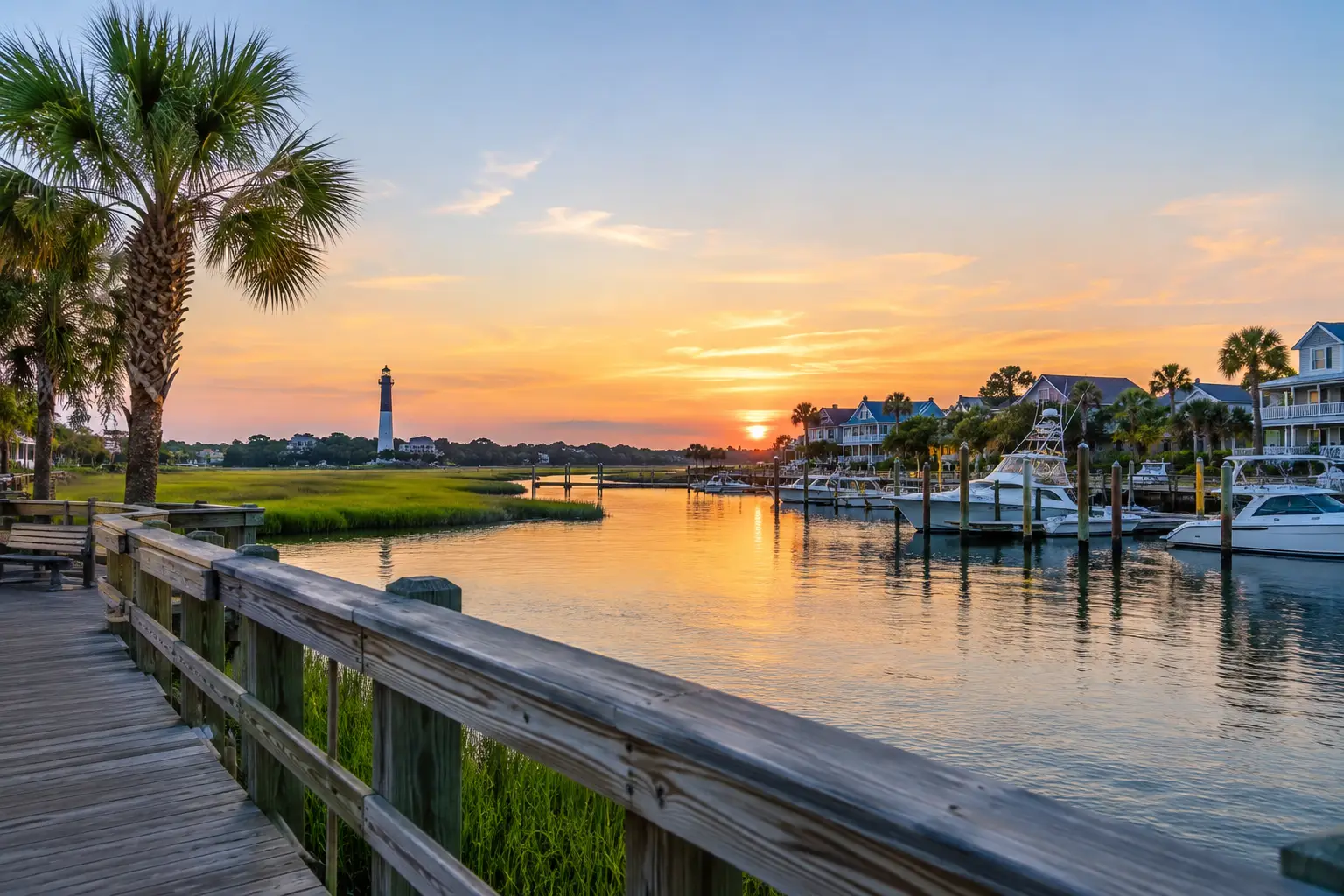
Little River has a different rhythm from the bright lights and busy boardwalk energy farther south. If you are researching living in Little River, SC pros and cons, that quieter pace is likely part of the appeal. This historic fishing village near the North Carolina line gives residents access to the Grand Strand lifestyle without placing them in the center of it.
For some buyers, that means a better everyday fit: waterfront views, local seafood, boating culture, and a home that feels removed from vacation traffic. For others, the same setting can feel too quiet or too dependent on nearby towns for certain services. The right answer depends on how you plan to use the home, what you need during an ordinary Tuesday, and how much coastal risk and seasonal activity you are comfortable with.
The Biggest Advantages of Living in Little River, SC
A coastal setting without a beachfront address
Little River sits along the Intracoastal Waterway and its namesake river, with marinas, docks, fishing charters, waterfront restaurants, and long views that make daily life feel distinctly coastal. You can enjoy the water without necessarily paying for an oceanfront or ocean-block location.
The Atlantic beaches of North Myrtle Beach are a short drive away, while Sunset Beach and Calabash, North Carolina, are also conveniently close. That location works well for people who want choices. Spend a morning on the beach, an afternoon on the waterway, or an evening dining along the Little River waterfront, then come home to a less tourist-centered setting.
More breathing room than central beach communities
Compared with Myrtle Beach or many parts of North Myrtle Beach, Little River can feel more residential and relaxed. There are established neighborhoods, newer communities, condos, townhomes, and homes with water, golf course, or wooded surroundings. Inventory and pricing change with the market, of course, but buyers often find they can consider a wider range of property styles here than in the most beach-adjacent areas.
This is especially attractive to retirees, second-home buyers, and remote workers who value space and a calmer home base. Little River is not isolated, but it does not feel like every block was designed around a visitor’s itinerary.
Boating, fishing, and golf are part of daily life
For water lovers, Little River is hard to overlook. The area is known for charter fishing, pleasure boating, kayaking, waterfront dining, and easy access to the Intracoastal Waterway. You do not have to own a boat to enjoy that lifestyle, but homeowners who do may find the area particularly appealing.
Golf is another local draw. Horry County and nearby Brunswick County offer a deep bench of courses, so regular golf outings are realistic rather than an occasional vacation splurge. The coastal climate also supports an outdoor lifestyle for much of the year, from walks and bike rides to patio dinners in the softer seasons.
Convenient access to two coastal markets
Little River is close to the South Carolina-North Carolina state line, and that can be a genuine practical benefit. North Myrtle Beach provides beaches, shopping, restaurants, and entertainment nearby. Calabash, Shallotte, and other Brunswick County destinations are within reach as well.
For buyers relocating from out of state, this cross-border convenience can be helpful. You can widen your search, compare neighborhoods and property taxes across two states, and choose the community that best matches your budget and preferred pace. Just remember that taxes, insurance rules, licensing, and residency details can differ by state, even when towns are only a few miles apart.
The Trade-Offs to Consider Before Buying
It is quieter, which may or may not be your goal
Little River’s low-key character is one of its greatest strengths, but it is not the best fit for everyone. If you want nightlife, major attractions, a packed event calendar, or a wide range of dining within a few minutes of home, you may prefer Myrtle Beach or a more central section of North Myrtle Beach.
Little River has local restaurants, shops, and everyday services, but its options are naturally more limited than those in a larger city. Many residents are perfectly happy driving to nearby areas for big-box stores, specialty shopping, medical appointments, or an expanded restaurant selection. Think honestly about how often you want to make those drives.
Traffic still matters in the busy seasons
Living outside the center of Myrtle Beach does not mean escaping all traffic. Summer tourism, holiday weekends, golf events, and seasonal visitors can slow key routes, particularly when you are heading toward the beach or other popular Grand Strand destinations.
The practical question is not whether traffic exists. It does. The better question is how your chosen neighborhood connects to the places you use most: grocery stores, doctors, favorite restaurants, the beach, and major roads. A home that looks close on a map can feel quite different during a Saturday afternoon in July.
Coastal weather and insurance deserve close attention
Every coastal purchase should include a careful conversation about flood zones, wind exposure, homeowners insurance, flood insurance, and maintenance. Little River’s proximity to waterways and the coast is wonderful, but it also brings responsibility. Hurricane season, heavy rain, salt air, and humid conditions are facts of life along the Carolinas coast.
This does not mean Little River is a poor place to buy. It means buyers should look beyond the monthly mortgage payment. Ask for insurance estimates early, review the property’s flood-zone information, consider the age and condition of the roof, and understand whether a condo or homeowners association carries any master insurance coverage. Waterfront, marsh-front, and low-lying properties can have very different risk profiles, even within the same general area.
The summer climate is beautiful but humid
Mild winters are a major reason people move to the coast. Still, summers are hot, humid, and often punctuated by afternoon storms. If you are coming from a cooler or drier climate, that adjustment is real.
Homes need regular attention in this environment. Air-conditioning systems work hard, outdoor surfaces can develop mildew, and landscaping grows quickly. A well-maintained property is not just visually appealing here. It helps protect your investment and makes a coastal home easier to enjoy year-round.
Who Tends to Love Little River?
Little River often suits people who want coastal access without living in the middle of a resort area. It can be a strong match for retirees who want an active but relaxed setting, buyers seeking a vacation home with boating or golf nearby, and families who prefer a residential atmosphere while remaining close to beaches and services.
It can also work for investment-minded buyers, although the best property type depends on your strategy. A primary residence, a second home, a long-term rental, and a short-term rental should not be evaluated the same way. Rental rules, association restrictions, carrying costs, insurance, and guest demand all deserve attention before making assumptions about income potential.
Questions to Ask While Comparing Neighborhoods
When touring homes, look beyond the countertops and porch view. Ask how far the property is from the water and whether that affects insurance. Check the neighborhood’s association rules, fees, rental policies, and upkeep standards. Visit at different times of day if possible, especially during a weekend or busier season.
Also consider the lifestyle details that are easy to miss during a short visit. Is a grocery store conveniently located? Where will you go for healthcare, fitness, worship, dog walks, or dinner with friends? Does the route to the beach feel simple enough that you will actually use it? The best Little River home is not always the one closest to the water. It is the one that supports the way you want to live.
Little River rewards buyers who appreciate its easygoing coastal character and plan carefully for the realities of waterfront-area ownership. Take time to compare homes, neighborhoods, and monthly costs side by side, then choose the place that makes your ordinary days feel as good as your vacation days.
Thinking About Buying a Home in Little River, SC? Whether you’re relocating, retiring, or searching for a vacation home, Cyndy Otto with Cyndy Sells the Seashore can help you explore Little River neighborhoods and find a property that fits your lifestyle and budget. Visit www.cyndysellstheseashore.com to connect with Cyndy and start your home search.
Planning a Move to Little River or the Carolina Coast?
Not sure which coastal community is right for you? Explore Cyndy’s Carolina Coast Relocation Guide for helpful information as you plan your move.
Leave a Reply