Author: Cyndy Otto

  • 12 Best Places for Retirement on the Coast

    12 Best Places for Retirement on the Coast

    Some retirees want sunrise walks and a quiet porch. Others want golf by lunch, live music by dinner, and grandkids close enough for a weekend visit. When people start looking for the best places for retirement coast living, that difference matters more than any glossy brochure ever will. The right coastal town is not just pretty. It has to fit your budget, pace, health needs, and the way you actually want to spend a Tuesday.

    For buyers considering coastal North Carolina and South Carolina, the strongest options are not all the same. Some towns lean peaceful and residential. Some are built around beach access and vacation energy. Some give you a little inland breathing room while keeping the coast close. That variety is a good thing, especially for retirement, because this decision is less about finding the single best town and more about finding the right match.

    What makes the best places for retirement coast choices?

    Start with the basics, but do not stop there. Cost of living and home prices matter, of course. So do property taxes, insurance, HOA dues, and whether a community is mostly full-time residents or a mix of owners, renters, and vacation traffic.

    Then there is lifestyle fit. Some retirees want a true beach town where the day naturally slows down. Others want restaurants, medical access, shopping, and entertainment within a short drive. Walkability can be a big plus, but for some buyers, a larger home with a garage and easier parking wins out over being close to a crowded shoreline.

    Healthcare access also tends to move up the priority list quickly. Even buyers who start with views and amenities usually come back to practical questions. How far is the nearest hospital? Are specialists nearby? Will this location still work well five or ten years from now?

    That is why coastal retirement planning is often a balancing act. The prettiest stretch of shoreline may not be the easiest place to age in. The most active area may not feel restful enough for everyday living. It depends on what you want this next chapter to feel like.

    12 best places for retirement on the coast

    Sunset Beach, NC

    Sunset Beach is often a favorite for retirees who want a gentler coastal pace. It is scenic, relaxed, and less hectic than many bigger beach markets. You get beautiful shoreline access without the constant bustle that can wear on some full-time residents.

    For retirement buyers, the appeal is in the rhythm. The town feels residential, the natural setting is a major draw, and nearby shopping and services help keep daily life convenient. If you want nightlife at your doorstep, this may feel too quiet. If peace is the goal, it deserves a close look.

    Ocean Isle Beach, NC

    Ocean Isle Beach brings a friendly blend of beach charm and practical livability. It has strong appeal for retirees who want to stay active, entertain family, and still enjoy a laid-back atmosphere.

    The trade-off is that popularity can bring seasonal traffic and a more noticeable vacation presence. For some, that energy feels lively and fun. For others, a nearby mainland neighborhood may be the better fit than a home directly in the heart of the island area.

    Calabash, NC

    Calabash is a natural fit for buyers who like the coast but do not need to live right on the sand. It is especially appealing for retirees who want restaurants, golf, and easy access to both North Carolina and South Carolina beach communities.

    Homebuyers often like Calabash because it can offer more value and a little more breathing room. You are close to the water, but everyday errands can feel easier than in some heavily tourism-driven spots. If your idea of retirement includes low-key living with plenty nearby, this is one of the strongest contenders.

    Southport, NC

    Southport has a distinct personality. It is charming, historic, and walkable in ways many coastal towns are not. Retirees who want character and a real sense of place often connect with it quickly.

    That said, homes with the most charm and location can come at a premium. Southport is wonderful for buyers who value atmosphere and community feel, but budget-conscious shoppers may need flexibility on size, age, or exact location.

    Oak Island, NC

    Oak Island works well for retirees who want a true beach lifestyle with a more casual, lived-in feel. It offers waterfront appeal, beach access, and a broader range of property styles than some buyers expect.

    The biggest question here is often storm readiness and maintenance. A coastal home can be a joy, but it also comes with practical responsibilities. Buyers who love the idea of waking up close to the ocean usually find that trade-off worthwhile.

    Shallotte, NC

    Shallotte is a smart option for retirees who want convenience first and beach access second. It is not the postcard beach town choice, and that is exactly why it works so well for many people.

    Shopping, services, and daily essentials are close by, while popular Brunswick County beaches are still within reach. If you want a home base that supports easy everyday living, Shallotte can be a very sensible retirement move.

    North Myrtle Beach, SC

    North Myrtle Beach is a strong choice for retirees who want activity, dining, golf, and entertainment without giving up the coast. It tends to attract buyers who still want a social calendar, not just a rocking chair and sea breeze.

    The upside is variety. The downside can be busier roads, a more commercial feel in some areas, and higher demand in popular neighborhoods. For active retirees, though, it checks a lot of boxes.

    Myrtle Beach, SC

    Myrtle Beach can be a great fit for retirees who want everything nearby – medical facilities, restaurants, shopping, shows, golf, and the beach itself. It offers convenience in a way smaller towns often cannot.

    Still, retirement here depends heavily on choosing the right pocket. Some areas feel too busy for full-time living, while others offer a much more residential atmosphere. Buyers who rule it out too quickly sometimes miss communities that suit them very well.

    Murrells Inlet, SC

    Murrells Inlet has become a standout for retirees who want waterfront character without the size and pace of Myrtle Beach. It is known for dining, marsh views, boating culture, and a comfortable local feel.

    This is one of those places where lifestyle really leads the conversation. If you enjoy being outdoors and want a town that feels coastal without feeling overbuilt, Murrells Inlet has real appeal.

    Garden City Beach and Surfside Beach, SC

    These neighboring areas often attract retirees who want beach access with a somewhat more relaxed feel than central Myrtle Beach. They can be a nice middle ground – close to amenities, but often easiergoing.

    The best fit depends on whether you prefer to be very near the water or slightly inland in a quieter residential setting. Both areas are worth a look for buyers who want convenience without giving up the shore.

    Pawleys Island, SC

    Pawleys Island is often the choice for retirees who want a refined, quieter coastal setting. It feels established and less rushed, with strong appeal for buyers who care about natural beauty and a slower pace.

    The trade-off is cost. For some buyers, Pawleys Island is the dream. For others, nearby communities may offer a similar feel with more flexibility in price point.

    Georgetown, SC

    Georgetown brings together waterfront beauty, historic character, and a less crowded lifestyle. It can be especially attractive for retirees who want charm and boating access without being in the middle of a major resort market.

    It is not the right match if your top priority is being surrounded by nonstop activity. But if you appreciate a town with texture and authenticity, Georgetown has a lot to offer.

    How to narrow down your coastal retirement shortlist

    The fastest way to get overwhelmed is to compare every town as if they all serve the same goal. They do not. A better approach is to sort coastal towns by the life you want.

    If you want quiet and scenic, start with Sunset Beach, Pawleys Island, and parts of Southport. If you want convenience and everyday practicality, look hard at Shallotte, Calabash, and selected neighborhoods in Myrtle Beach. If you want active retirement with golf, dining, and things to do, North Myrtle Beach, Murrells Inlet, and Ocean Isle Beach often rise to the top.

    It also helps to think beyond today. A home that feels perfect for weekend visits may feel different after six months of full-time living. Test the drive to groceries. Notice traffic patterns. Ask yourself whether you want guests around often or whether you are craving a more tucked-away routine.

    One smart move is to visit the same town at different times. A place that feels peaceful in one season may feel much busier in another. Coastal retirement is rarely just a location choice. It is a lifestyle choice with real day-to-day consequences.

    The real question behind the best places for retirement coast search

    Most buyers start by asking which coastal town is best. The more useful question is which town fits your version of retirement best. That answer may be a walkable historic community, a golf-centered neighborhood, a low-maintenance condo near the beach, or a quiet home a few miles inland where life feels easy.

    That is where local guidance matters. In this market, small differences between communities can shape your whole experience. A town can look perfect online and feel completely different once you understand traffic, flood considerations, neighborhood layout, and how residents actually live there.

    The coast has plenty of beautiful places to retire. The sweet spot is finding one that feels good not just on vacation, but on an ordinary Tuesday morning when you are heading out for coffee, groceries, or a walk by the water. That is usually when the right place becomes clear.


  • Retirement Homes Carolina Coast: What to Know

    Retirement Homes Carolina Coast: What to Know

    A lot of buyers start with the view. They picture morning coffee near the water, easy winters, and a home that finally fits the way they want to live. When people begin searching for retirement homes Carolina Coast options, though, the smartest move is to look past the porch and ask a different question first – what kind of daily life do you want here?

    That answer changes everything. Along the Carolina coast, retirement living is not one-size-fits-all. Some buyers want a low-maintenance condo near restaurants and entertainment. Others want a quiet single-family home in a golf community, a cottage close to grandkids, or a neighborhood where they can walk, bike, and meet neighbors without feeling like they moved into a resort brochure. The right fit usually comes from matching the home to your routines, budget, and comfort level with coastal living.

    Why retirement homes on the Carolina coast appeal to so many buyers

    This stretch of coast keeps drawing retirees for reasons that go beyond sunshine. Yes, the weather is milder than much of the Northeast and Midwest. Yes, there is easy access to beaches, boating, golf, and seafood. But the bigger draw is flexibility. You can find areas with lively social calendars, smaller communities with a slower pace, and plenty of choices between those two extremes.

    For many buyers, that flexibility matters more than luxury finishes. Retirement often comes with a shift in priorities. A formal dining room may matter less than a first-floor primary suite. A giant yard may lose its charm if it turns every weekend into maintenance time. Proximity to healthcare, grocery stores, and family visits tends to rise on the list fast.

    The Carolina coast also offers meaningful variety from town to town. Southport and Oak Island feel different from Ocean Isle Beach or Sunset Beach. Myrtle Beach has a different pace than Murrells Inlet or Pawleys Island. Even buyers who think they want to be “by the beach” often discover they prefer being ten or fifteen minutes inland if it means more space, lower cost, or less traffic.

    The biggest decision: beach-close or everyday-convenient

    This is where many retirement buyers get more clarity. Living right near the ocean sounds ideal, and sometimes it is. But beach-close living can also bring higher prices, more visitors in peak season, and extra insurance considerations. That trade-off may be worth it if you plan to walk the beach often, entertain family regularly, or simply know the water is central to your happiness.

    For others, the better move is to buy in a nearby community with easier access to medical offices, shopping, and main roads. You may get a newer home, more square footage, or a community packed with amenities for the same budget. That can make day-to-day life feel easier, especially if you want comfort and convenience more than a postcard address.

    Neither option is automatically better. It depends on how often you will use the beach versus how often you will use everything else.

    What “low maintenance” really means

    Buyers use this phrase all the time, but it means different things. A condo may reduce exterior upkeep, but it also comes with HOA rules, fees, and shared walls. A patio home or smaller single-family home may still require yard care unless the neighborhood includes that service. A newer home may save on repairs for a while, but it can still carry community costs that deserve a close look.

    Low maintenance should be defined in real terms. Do you want no stairs? Minimal lawn work? Less cleaning? Fewer surprise repairs? Lock-and-leave convenience for travel? The clearer you are, the easier it is to narrow the search.

    Costs that matter more than the list price

    A home can look affordable at first glance and still feel expensive once the full picture comes into view. That is especially true with retirement homes on the Carolina coast, where ownership costs may include flood insurance, wind coverage, HOA dues, and amenities fees depending on the property and location.

    Property taxes matter too, but so does how your total monthly cost feels in retirement. If you are moving from a higher-cost state, the numbers may still work in your favor. Still, it is worth comparing more than mortgage payment alone. Insurance and dues can shift the math significantly.

    Healthcare access is another practical cost, even if it does not appear on a closing statement. A home that saves money but adds long drives to doctors, specialists, or pharmacies may not feel like a bargain later. Retirement buying works best when the financial picture and the daily-life picture support each other.

    Which coastal lifestyle fits you best?

    Some buyers want energy. They like restaurants, live music, golf, shopping, and frequent visitors. Areas near Myrtle Beach and North Myrtle Beach can appeal to that kind of retirement, especially for people who want plenty to do without much planning.

    Others want a softer pace. They picture morning walks, local seafood spots, less congestion, and neighborhoods that feel residential rather than tourist-driven. Places in Brunswick County often attract buyers looking for that balance of coastal access and calmer living. Communities around Calabash, Sunset Beach, Ocean Isle Beach, Shallotte, Southport, and Oak Island each bring a different feel, which is why driving the area matters so much.

    Then there are buyers who want a little of both. They may choose a location close enough to entertainment and healthcare, but far enough from peak traffic to keep daily errands simple. That middle ground is often where the best long-term fit shows up.

    New construction or existing home?

    This choice comes up often with retirement buyers. New construction can be appealing because it may offer modern floor plans, energy efficiency, and fewer near-term repairs. Many communities are designed with single-level living and open layouts that suit retirement well.

    An existing home, though, may offer a more established neighborhood, mature landscaping, and a location closer to the water or town centers. It may also provide better value per square foot. The trade-off is that older homes can come with updates or maintenance items that need attention sooner.

    If you are moving from out of state, the temptation is to pick “new and easy” and move on. Sometimes that is exactly right. Sometimes an existing home in the right location ends up being the better retirement choice by a mile.

    Features worth prioritizing now, not later

    A lot of retirement buyers say they are planning ahead, but then fall for a home that only works for today. It is understandable. A bright kitchen and pretty view are easy to love. Still, function matters.

    Single-level living is high on many wish lists for good reason. Wider doorways, a walk-in shower, manageable storage, and comfortable outdoor space can all make life easier over time. Even if you are active and healthy now, buying with a few future-friendly features can help the home serve you longer.

    Guest space is another area where buyers should be honest. If family visits often, a flexible extra bedroom may be valuable. If visits are occasional, paying for too much house may not make sense. The best retirement home usually supports your real habits, not your once-a-year holiday hopes.

    The value of trying the area before choosing a home

    If possible, spend time here like a local before you buy. Visit in different seasons. Drive to the grocery store, medical offices, and restaurants you would actually use. Notice traffic patterns. Walk neighborhoods at different times of day. A charming vacation area can feel different when you picture it as home base rather than a weekend escape.

    This is where working with someone who understands the rhythm of these communities can help. A local agent can point out differences that online listings never explain – which neighborhoods stay active year-round, which ones feel more seasonal, and which locations give you the balance you want between beach lifestyle and practical living. For buyers considering this move, Cyndy Otto helps clients sort through those details with the kind of local perspective that makes a big decision feel more grounded.

    Retirement homes Carolina Coast buyers should compare carefully

    It is easy to get swept up by curb appeal, but retirement buying rewards patience. Compare neighborhoods as much as homes. Ask how each option will feel during an average Tuesday, not just a sunny Saturday. Think about budget, upkeep, travel plans, healthcare, family visits, and whether you want more activity or more quiet.

    The Carolina coast offers a lot of good choices, and that is both the appeal and the challenge. The goal is not just to find a home near the water. It is to find the place that fits your next chapter with less stress and more ease. If a home supports the way you want to live every day, the coastal breeze is simply the bonus.

  • Coastal Housing Market Trends to Watch

    Coastal Housing Market Trends to Watch

    A beach house can look like pure peace from the porch, but the market behind that view is rarely simple. Coastal housing market trends are being shaped by a mix of lifestyle demand, insurance costs, limited land, new construction, and a growing gap between what buyers want and what they are willing to pay. For anyone thinking about buying or selling near the shore, that mix matters just as much as the ocean view.

    In coastal markets across Brunswick County, Horry County, and Georgetown County, one pattern keeps showing up: demand is still real, but it is more selective than it was a few years ago. Buyers are not disappearing. They are just taking longer, comparing harder, and paying closer attention to monthly carrying costs. Sellers can still do well, but pricing and presentation have become more important than simply listing a property and waiting.

    What coastal housing market trends look like right now

    The strongest trend is a return to a more balanced market in many coastal areas. That does not always mean prices are falling. In some towns, values are still holding firm because inventory remains limited in the most desirable neighborhoods, especially near the water, in established golf communities, or in places with easy access to beaches, dining, and healthcare.

    What has changed is the pace. Homes that are updated, well located, and priced in line with current competition are still attracting attention. Homes that are overpriced, need work, or carry unusually high insurance or HOA costs may sit longer. That creates a market where two similar homes can have very different outcomes.

    This is especially true in coastal communities where buyers are not all shopping for the same thing. A retiree relocating full time will look at flood zones, maintenance, and medical access. A second-home buyer may focus more on lifestyle and proximity to the beach. An investor may care most about rental potential, operating costs, and seasonality. Those different priorities shape demand from one neighborhood to the next.

    Inventory is improving, but not evenly

    One of the more noticeable coastal housing market trends is that inventory has improved in some price bands, but tight supply still exists in others. Entry-level coastal homes and well-kept properties in highly desirable areas often remain harder to find. At the same time, buyers may see more options in higher price ranges or in communities farther from direct waterfront locations.

    That shift gives buyers a bit more room to think, but not unlimited leverage. If a home checks the right boxes – updated interior, manageable insurance profile, strong location, and realistic pricing – it can still move quickly.

    In places like Ocean Isle Beach, Sunset Beach, North Myrtle Beach, Murrells Inlet, and Pawleys Island, location continues to carry weight. Not every buyer needs oceanfront, but buyers do place a premium on convenience to the water, local attractions, and the day-to-day ease of living in a coastal town. A few extra miles inland can create meaningful differences in price, taxes, and insurance, which is why value conversations are becoming more detailed.

    Insurance and carrying costs are part of the price now

    For coastal buyers, the purchase price is only one part of affordability. Insurance has become a major factor, and in some cases it changes the entire decision. Wind coverage, flood risk, HOA dues, maintenance costs, and property taxes can all affect what looks affordable on paper.

    That means buyers are more likely to ask sharper questions before making an offer. They want to know not just what a home costs, but what it costs to keep. This is one reason some inland or near-coastal communities are gaining attention. Buyers who first imagined an oceanfront condo may end up preferring a single-family home a short drive from the beach if the long-term numbers feel more comfortable.

    For sellers, this has a clear lesson. A home with documented upgrades like a newer roof, impact-resistant windows, elevated construction, or flood mitigation improvements may stand out more than it did in the past. Buyers notice features that can help with safety, maintenance, or insurability.

    New construction is helping, but it is not a cure-all

    New construction has been an important part of the market in both North and South Carolina coastal areas. It gives buyers fresh inventory, modern floor plans, and lower near-term maintenance concerns. For some people, that is a very appealing package, especially if they are relocating and want something move-in ready.

    Still, new construction does not solve every inventory issue. Build timelines can shift. Lot premiums can add up. Some buyers prefer established neighborhoods with mature landscaping and a more settled feel. Others may discover that a resale home offers better value, more character, or a closer location to the beach.

    There is also a practical side to compare. A brand-new home may offer energy efficiency and fewer repairs at the start, while an existing home may come with a larger lot, a proven neighborhood, or upgrades already in place. In a coastal market, that trade-off is worth looking at carefully rather than assuming newer is always better.

    Buyer demand is still lifestyle-driven

    Coastal real estate has always had an emotional side, and that has not changed. People are still drawn to the shore for a slower pace, warmer weather, scenic beauty, and the idea of building daily life around water and outdoor living. That lifestyle pull remains one of the strongest drivers in the market.

    What has changed is how buyers define the ideal coastal home. For some, it is no longer about being directly on the ocean. It may be a low-maintenance home near golf, boating, restaurants, or walking paths. For others, it is a property suited for retirement with single-level living and easy access to shopping and healthcare. Some buyers want room for visiting family, while others want a lock-and-leave condo for weekend escapes.

    That makes hyper-local knowledge especially valuable. Broad headlines about the housing market do not always help someone choosing between Southport and Oak Island, or between Conway and Surfside Beach. Coastal markets are local by nature. A neighborhood near a marina behaves differently from a golf course community. A second-home condo market can move differently than a primary residence market just a few miles away.

    What sellers should know in this market

    Sellers still have real opportunity, but the market is rewarding accuracy more than optimism. Buyers have become more informed and more cautious. They are comparing recent sales, watching price reductions, and noticing how long listings stay active.

    That means pricing a home correctly from the start matters. So does showing it well. Clean presentation, strong photography, deferred maintenance repairs, and a clear understanding of likely carrying costs can all improve buyer response.

    Sellers should also remember that coastal buyers often purchase with a longer checklist than inland buyers. They may ask about flood history, rental restrictions, storm prep, age of major systems, and community rules. Being ready with those answers can make a listing feel more trustworthy and easier to move forward with.

    What buyers should watch over the next year

    The next stretch of the market will likely continue to reward patience and preparation. Interest rates will still influence affordability, but local supply, insurance, and neighborhood-level desirability may matter even more in many coastal areas.

    Buyers should expect some homes to feel competitive and others to offer room for negotiation. That is not a contradiction. It is simply how a mixed coastal market behaves. The best-positioned homes still create urgency, while properties with pricing, condition, or cost challenges may create opportunity.

    For buyers considering Brunswick County or the coastal South Carolina market, it helps to look at the full picture: purchase price, monthly costs, flood and wind exposure, rental rules if relevant, future resale appeal, and how the property fits daily life. A home that feels perfect for one buyer may feel impractical for another.

    Cyndysellstheseashore works in exactly the kind of market where those details make the difference. Along the coast, smart real estate decisions are rarely about hype. They are about matching the right home to the right goals.

    The shoreline will always attract attention, but the strongest decisions come from looking past the view and into the numbers, the neighborhood, and the way you want to live once the boxes are unpacked.

  • New Construction vs Resale Homes

    New Construction vs Resale Homes

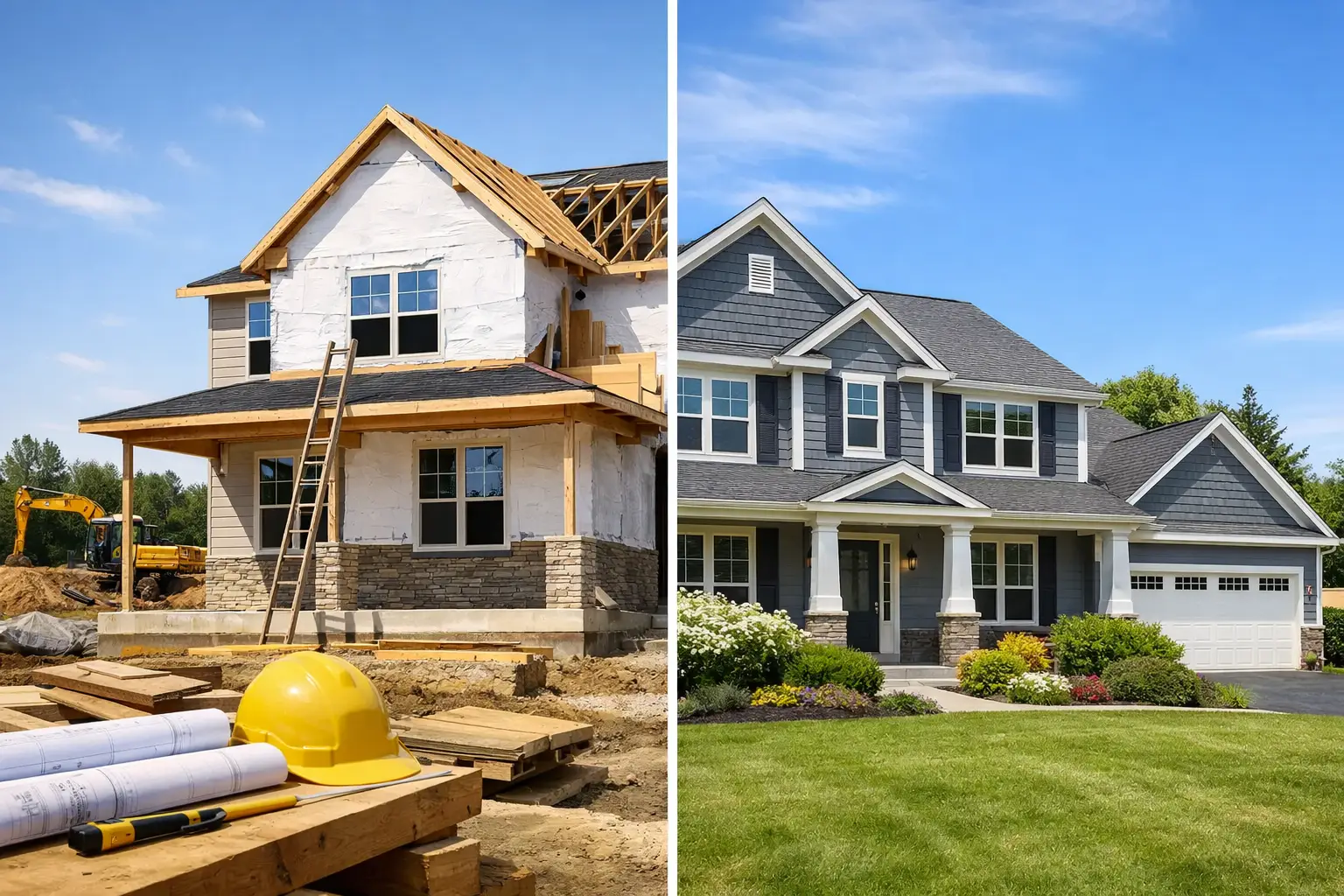
    One buyer wants a sparkling new kitchen, open floor plan, and the chance to pick finishes. Another walks into an older beach-area home with mature trees, a settled neighborhood, and a porch full of character – and they are sold in five minutes. That is the heart of new construction vs resale homes. The right choice is rarely about which one is better on paper. It is about which one fits the way you want to live.

    Along the Carolina coast, that decision can feel even more personal. Some buyers are looking for a primary home with low maintenance. Some want a second home near the water. Others are thinking about retirement, rental income, or simply finding the place that feels right when they pull into the driveway. New and resale homes can both be excellent choices, but they come with different trade-offs.

    New construction vs resale homes: what really changes?

    The biggest difference is not just age. It is how the home fits your priorities from day one.

    A new construction home usually offers modern layouts, current building standards, and fewer immediate repair concerns. You may have the option to choose cabinets, flooring, countertops, or even the lot, depending on the stage of construction. For buyers who want a fresh start and less weekend repair work, that is a real advantage.

    A resale home often offers what time creates. Established landscaping, neighborhoods with a lived-in feel, larger lots in some areas, and details that can be hard to duplicate in brand-new communities. Resale homes can also put you in locations where little or no new building is happening.

    This is where the choice gets more practical than emotional. Do you want move-in-ready with current finishes and builder warranties? Or do you want a home with proven surroundings, possible pricing flexibility, and a clearer sense of what the area feels like once construction dust has settled?

    Price is only part of the cost

    Many buyers begin with sticker price, but new construction vs resale homes should also be compared by total ownership cost.

    With new construction, the sales price may look straightforward at first, then rise with lot premiums, upgrades, design selections, blinds, appliances, fencing, or patio additions. Sometimes what looks like a base price is only the starting point. It is easy to fall in love with the model home and later realize that many of those attractive features were not included.

    With resale, the purchase price may cover more of what you see. The appliances may already be there. Window treatments, mature landscaping, decks, fencing, and other practical extras are often already in place. On the other hand, an older roof, aging HVAC system, or worn flooring can mean future expenses that are not as visible during the first showing.

    Neither option is automatically cheaper. A well-priced resale home that needs immediate work may cost more in the first two years than a new home. A new home loaded with upgrades may stretch the budget more than expected. The better question is this: where do you want your money going – upfront personalization or future improvements?

    Monthly costs matter too

    Insurance, property taxes, HOA dues, utilities, and maintenance can shift the picture. Newer homes may be more energy efficient, which can help monthly bills. Some newer communities also come with HOA fees that support amenities like pools, clubhouses, and landscaping. For some buyers, that is worth every penny. For others, it is one more line item they would rather avoid.

    Lifestyle fit often decides it

    For many people, this decision is less about economics and more about everyday living.

    New construction tends to appeal to buyers who want simplicity. They do not want to replace carpet, repaint walls, or wonder when the water heater will quit. They want a home that feels current and easy to maintain. This can be especially attractive for retirees, second-home owners, and buyers relocating from out of town who want fewer surprises.

    Resale often attracts buyers who care about setting, individuality, and what already exists around the home. In coastal areas, that can mean established neighborhoods, golf communities with resale inventory, homes closer to town centers, or properties with features that are harder to find in a new build. Some buyers simply prefer a neighborhood that already has shade trees, finished streetscapes, and a sense of personality.

    If you are buying a vacation property or investment home, the answer may depend on your goals. A new construction property may offer low maintenance and broad renter appeal. A resale property may offer a more distinctive location or a price point that makes the numbers work better. It depends on whether your priority is convenience, charm, cash flow, or future resale value.

    Timing can tip the scales

    One of the most overlooked parts of new construction vs resale homes is timing.

    If you need to move quickly, a resale home may be the easier path. You can typically shop what is available now, negotiate terms, complete inspections, and close on a more predictable schedule. That matters if you are coordinating a job move, school schedule, retirement date, or sale of another property.

    New construction can be a great choice if you have flexibility. If the home is already completed or nearly completed, timing may still be fairly simple. But if you are building from the ground up, delays can happen. Weather, permitting, labor availability, and material issues can all affect completion dates. That does not mean building is a bad choice. It just means your timeline should have some breathing room.

    For buyers coming into Brunswick County or the Myrtle Beach area from another state, realistic timing is especially helpful. Coastal markets can move fast, and builder inventory can change quickly too. Planning ahead makes the process much smoother.

    Inspections, warranties, and peace of mind

    Some buyers assume a new home does not need an inspection. That is a mistake.

    Even brand-new homes should be inspected. An independent inspection can catch issues before closing or during warranty periods. New does not always mean perfect. Builders and subcontractors work on tight schedules, and small details can be missed.

    Resale homes make inspections even more important because systems have age and wear. The good news is that you are often evaluating a home with a track record. You can see how it has held up, how the neighborhood has matured, and in many cases whether prior owners kept up with maintenance.

    Builder warranties can be a strong advantage with new construction. They can offer peace of mind, especially for buyers who want fewer repair worries in the near term. Resale homes usually do not come with that same level of protection, although they may offer a more complete picture of what you are getting based on age, condition, and disclosures.

    Negotiation looks different in each market

    Buyers are sometimes surprised to learn that negotiation is not the same with builders and resale sellers.

    With a resale home, price, closing date, repairs, appliances, and concessions may all be part of the conversation. The seller’s motivation can create opportunities, especially if the home has been on the market for a while.

    With new construction, builders may hold firm on base price but be more flexible on incentives. That could include help with closing costs, design upgrades, or rate-related incentives tied to preferred lenders. The details matter. Two deals with the same purchase price can feel very different once incentives, upgrades, and out-of-pocket costs are compared.

    That is one reason working with an experienced local agent matters. Cyndy Otto helps buyers look beyond the brochure and compare the real value of each option, whether the home is brand new or has years of coastal memories already built in.

    Which choice tends to work best?

    If you want lower maintenance, modern design, and the appeal of being the first owner, new construction may fit beautifully. If you want location, character, and a neighborhood that is already established, resale may be the better match.

    There is also a middle ground. Some buyers start convinced they want new construction and end up loving a resale home that has been updated in all the right ways. Others begin wanting charm and then realize a low-maintenance new home suits this season of life better. The smart move is staying open until the numbers, the setting, and the feeling line up.

    The best home is not the one that wins a category. It is the one that supports the life you want to build, whether that means morning coffee on a brand-new patio or sunset breezes from a porch with a little history already in the walls.

  • Brunswick County Homes: What Buyers Should Know

    Brunswick County Homes: What Buyers Should Know

    If you have ever fallen for a stretch of quiet beach, a marina at sunset, or a neighborhood where front porch conversations still happen, Brunswick County homes tend to get your attention fast. This part of coastal North Carolina has a way of feeling relaxed without feeling remote, and that balance is a big reason so many buyers start here when they want a primary home, retirement spot, vacation place, or investment property.

    The appeal is easy to understand. You can find golf communities, waterfront neighborhoods, low-maintenance townhomes, custom homes on larger lots, and beach cottages with plenty of personality. But buying here is not just about picking a pretty house near the water. The right fit depends on how you want to live, how often you will use the property, and what kind of day-to-day rhythm you want once the boxes are unpacked.

    Why Brunswick County homes stand out

    Brunswick County offers something many coastal markets struggle to deliver – variety. Not every buyer wants the same version of coastal living, and that matters here. Some people want to be close enough to hear the ocean. Others want a short drive to the beach but prefer a quieter inland setting with more square footage and a lower price per foot.

    That flexibility shows up from town to town. Calabash has a laid-back coastal feel with dining, boating access, and neighborhoods that appeal to year-round residents and second-home buyers alike. Ocean Isle Beach and Sunset Beach attract buyers who want strong vacation appeal along with a relaxed pace. Shallotte often catches the eye of buyers who want convenience, shopping, medical access, and a central location. Holden Beach, Oak Island, and Southport each bring their own personality, from classic beach-town charm to historic appeal and established residential communities.

    For many buyers, the draw is not one single feature. It is the combination of natural beauty, manageable pace, and housing choices that fit different budgets and goals.

    Choosing the right town for your lifestyle

    The smartest home search usually starts with lifestyle first, not square footage first. A three-bedroom home can feel perfect in one town and completely wrong in another if the setting does not match your needs.

    If beach access is the priority, buyers often focus on areas near Ocean Isle Beach, Sunset Beach, Holden Beach, or Oak Island. These areas can be ideal for second homes and vacation-use properties, but pricing, insurance, and maintenance expectations may look different than they would farther inland. A home that sits closer to the coast may bring the location you want, but it can also come with higher carrying costs.

    If convenience matters most, Shallotte is often worth a serious look. It puts many everyday needs within easy reach and can work well for buyers who want to be near the beach without paying direct beach-market pricing. For some retirees and full-time residents, that trade-off feels just right.

    Southport has a different kind of pull. It offers character, walkable areas, and a strong sense of place. Buyers who want charm and a community feel often respond to it quickly. Calabash also has loyal fans, especially buyers who love the small-town coastal atmosphere and easy access to both North Carolina and South Carolina amenities.

    This is where local guidance matters. Two towns can be only a short drive apart but serve very different goals.

    New construction or existing home?

    A lot of buyers looking at Brunswick County homes end up deciding between a new build and a resale property. Both can be good options, but they solve different problems.

    New construction often attracts buyers who want modern floor plans, energy efficiency, and fewer immediate repair concerns. It can be especially appealing for out-of-state buyers who want a simpler move and less surprise maintenance in the first few years. Some communities also offer amenities that make everyday living feel a little like a resort.

    That said, new construction is not automatically the better deal. Lot premiums, upgrade costs, builder timelines, and HOA structures can all affect the real value. Sometimes the base price looks appealing until design selections and add-ons change the picture.

    Existing homes may offer more mature landscaping, established neighborhoods, and locations that are harder to duplicate in newer communities. In some cases, an older home closer to the water or in a more established area brings better long-term appeal than a new home farther out. Of course, resale homes can also come with age-related repairs, older roofs, aging HVAC systems, or renovation needs.

    There is no universal winner here. It depends on whether you value turnkey convenience, neighborhood maturity, location, or price positioning most.

    Costs buyers should think about early

    Price is only one part of the budget. Coastal markets ask buyers to think a little more broadly, and that is where surprises can happen if nobody talks about the full picture early on.

    Insurance deserves real attention, especially for homes closer to the coast. Flood risk, wind coverage, and overall property exposure can affect monthly costs in ways buyers do not always expect. HOA dues also vary widely. In one neighborhood they may cover useful amenities and exterior maintenance. In another, they may simply be a recurring cost without much practical value for your lifestyle.

    Maintenance is another big factor. A beach house or near-coastal property may need more regular attention than a similar inland home. Salt air, moisture, and weather exposure can all increase upkeep over time. If the property will be a second home, buyers should also think about who will check on it, maintain it, and respond if something goes wrong while they are away.

    For investors, rental potential should be weighed against management costs, local rules, seasonality, and the reality of wear and tear. A home can look great on paper and still be the wrong investment if the owner is not prepared for the ongoing responsibilities.

    How to shop Brunswick County homes wisely

    It is easy to fall in love with photos. Coastal listings are good at that. The better approach is to narrow your search through real-life priorities before emotion takes over.

    Start with how you plan to use the home. A primary residence should support your everyday routine, not just your weekend mood. A retirement home may need single-level living, medical access, and space for visiting family. A vacation home might call for lock-and-leave simplicity. An investment property needs numbers that make sense beyond peak-season optimism.

    Then think about driving patterns. Buyers often say they want to be close to everything, but what counts as close is personal. For one person, a 15-minute drive to the beach is ideal. For another, anything beyond walking distance feels too far. The same goes for grocery stores, golf, restaurants, marinas, and airports.

    It also helps to compare homes in person with a critical eye. A lovely neighborhood entrance does not tell you how private the backyard feels. A beautiful kitchen does not tell you whether storage is adequate. A great porch does not tell you how traffic sounds at 7:30 in the morning.

    This is one reason many buyers appreciate working with an agent who knows how new construction and resale homes compare across Brunswick County. Cyndy Otto helps clients sort through the practical details without losing sight of what makes a home feel right.

    Timing, competition, and expectations

    Coastal real estate can have seasonal patterns, but buyers should be careful about assuming there is one perfect time to buy. Inventory, rates, pricing, and seller motivation can all shift. Sometimes spring gives buyers more choices. Sometimes quieter months create better negotiating opportunities. Sometimes the right house arrives when the calendar says it should not.

    The best strategy is usually to get clear on budget, financing, and must-haves before the search gets serious. That way, when a strong property comes along, you are ready to act with confidence instead of scrambling to figure things out.

    Expectations matter too. In popular coastal areas, buyers may need to compromise somewhere, whether that means lot size, age of home, distance from the beach, or level of updating. The goal is not perfection. It is finding the property that best fits how you want to live and what you can comfortably own.

    A coastal move should feel good on paper and in person

    The best Brunswick County homes are not just attractive listings. They support a lifestyle that actually works for the people living there. That may mean morning walks near the water, extra room for grandkids, a lower-maintenance setup, or a smart purchase that balances enjoyment and long-term value.

    A good home search here is part practical and part personal. You want the numbers to make sense, but you also want that welcome-home feeling when you pull into the driveway. When both line up, the search gets a whole lot easier.

    If Brunswick County has been tugging at your sleeve, take your time, ask good questions, and look beyond the photos. The right place is not always the flashiest one on the screen. Sometimes it is the home that fits your life so naturally you can already picture the beach towels by the door and coffee on the porch the first morning after closing.

  • What Closing Costs Buyers Pay at Closing

    What Closing Costs Buyers Pay at Closing

    You have the down payment lined up, you have fallen for the house, and then the closing disclosure shows up with a handful of fees that were not part of the daydream. That is usually the moment buyers start asking what closing costs buyers pay and whether every line item is really necessary. The short answer is yes, buyers usually pay several costs beyond the purchase price, but the exact total depends on the loan, the property, the location, and what was negotiated in the contract.

    If you are buying in coastal North Carolina or South Carolina, this matters even more because insurance, taxes, and lender requirements can vary from one community to the next. A condo near the beach, a new construction home inland, and a resale property in a golf community can all come with slightly different numbers. Knowing the categories ahead of time makes the process feel much less mysterious.

    What closing costs buyers pay most often

    Most buyer closing costs fall into a few main buckets: lender fees, title and attorney or settlement fees, prepaid items, government charges, and property-related costs. Some are true fees for services. Others are amounts collected in advance for taxes or insurance.

    Lender fees are often the first thing buyers notice. These can include an application or origination charge, underwriting, processing, credit report fees, and sometimes discount points if you choose to buy down the interest rate. Not every lender labels these fees the same way, which is why comparing loan estimates side by side is so helpful. One lender may show a low origination charge but a higher underwriting fee. Another may bundle them differently.

    Then there are title-related and settlement costs. Depending on where you are closing, you may see charges for title search, title insurance, document preparation, wire fees, recording fees, and attorney or settlement services. In North Carolina and South Carolina, attorneys often play a central role in residential closings, so legal fees are commonly part of the buyer side of the settlement statement.

    Prepaid costs are another big category, and they catch buyers off guard because they do not feel like fees in the usual sense. Your lender may collect homeowners insurance premiums in advance, along with property taxes and prepaid interest. If you are financing the home, your escrow account may also need an initial deposit so the lender can pay future tax and insurance bills on your behalf.

    Property-related charges can include an appraisal, survey in some cases, inspections you choose to order, and sometimes flood-related costs if the property is in a designated flood zone. If you are buying a condo or home in a planned community, there may also be homeowners association transfer fees, capital contribution fees, or document fees.

    How much buyers should expect to pay

    A common rule of thumb is that buyer closing costs often range from about 2 percent to 5 percent of the purchase price. That is a useful starting point, but it is still only a starting point. A cash buyer may pay less because there are no lender fees. A financed buyer with escrows, prepaid items, and discount points may land on the higher end.

    On a $350,000 purchase, that could mean roughly $7,000 to $17,500. That is a wide range, which is why broad averages only get you so far. The real number depends on your loan program, the time of month you close, local tax rates, insurance premiums, and whether the seller contributes toward your costs.

    Buyers near the coast should pay close attention to insurance estimates early in the process. Homeowners insurance, wind coverage, and flood insurance can all affect your cash needed at closing. A property that looks perfect on paper can carry a very different monthly and upfront cost depending on its location and risk profile.

    What closing costs buyers pay that are negotiable

    Some closing costs are fixed or mostly fixed, while others may be negotiable or shoppable. That distinction matters.

    Lender fees are one area where buyers often have room to compare. You may not be able to eliminate every fee, but you can compare lenders on the total package, not just the interest rate. A slightly lower rate with much higher fees is not always the better deal.

    Title services, settlement charges, and owner title insurance can also vary depending on the provider and local custom. In some transactions, the seller may agree to cover part of the buyer’s closing costs as a concession. This is especially useful if a buyer wants to preserve cash after the down payment, but it has to fit within loan guidelines and be negotiated in the contract.

    Inspections are optional in the sense that a lender does not always require them, but skipping them just to save money can be risky. A general home inspection, and sometimes specialized inspections for pests, HVAC, roof, or moisture, can save buyers from far more expensive surprises later. This is one of those areas where cheaper upfront does not always mean cheaper overall.

    What closing costs buyers pay in NC and SC can look like

    In North Carolina and South Carolina, the broad categories are similar, but some local customs and closing practices differ. Attorney involvement is typical in both states, and that affects how the settlement process is handled. Recording charges, title work, and transfer-related fees may also look a little different from what buyers see in other parts of the country.

    For buyers in Brunswick County, Horry County, or Georgetown County, property type can matter almost as much as county lines. A new construction purchase may include builder incentives toward closing costs, but it may also come with lender preferences or deadlines tied to those incentives. A resale home may offer more room for contract negotiation, but inspections and repair discussions may play a larger role.

    Beach properties and homes in resort-style communities can bring extra line items too. HOA transfer fees, estoppel fees, and working capital contributions are not unusual. If the property is in a flood-prone area, lenders may require flood insurance before closing, and that can change both the prepaid amount and your monthly payment.

    How buyers can estimate closing costs early

    The easiest way to avoid sticker shock is to ask for estimates before you are emotionally packed for moving day. Your lender should provide a loan estimate early in the financing process, and your real estate agent can help you spot the local costs that may not be obvious from an online mortgage calculator.

    It helps to think in layers. First, estimate the lender charges. Next, add title, attorney, and government recording fees. Then factor in prepaid insurance, taxes, and escrow deposits. Finally, add property-specific items like inspections, HOA fees, and possible insurance adjustments.

    If you are comparing two homes, do not just compare the sale price. Compare the likely cash to close. Sometimes the less expensive home comes with higher insurance, bigger HOA startup costs, or repair needs that change the real picture.

    How to lower buyer closing costs without cutting corners

    There are a few smart ways to reduce your upfront costs. One is to negotiate seller concessions when market conditions support it. Another is to compare lenders carefully and ask direct questions about fees, points, and credits. You can also time your closing with an eye on prepaid interest, since the amount collected depends in part on the day of the month you close.

    That said, there is a difference between lowering costs and ignoring them. Waiving inspections, underestimating insurance, or choosing a loan based only on the advertised rate can create bigger costs later. Good planning is less about chasing the lowest number and more about understanding which numbers are worth paying.

    Final thoughts on what closing costs buyers pay

    Buying a home comes with more than a sale price and a mortgage payment, but that does not mean the numbers have to feel buried in the sand. Once you know what closing costs buyers pay, you can budget with a lot more confidence and ask better questions before closing day arrives. A clear estimate, a careful lender comparison, and local guidance go a long way toward making the last step to the front door feel calm instead of crowded.

  • Coastal Home Buying Guide for NC and SC

    Coastal Home Buying Guide for NC and SC

    A beach house can feel perfect in five minutes. The porch catches the breeze, the light hits the water just right, and suddenly practical questions get very quiet. A good coastal home buying guide helps bring those questions back into the room before you make an offer, especially if you are shopping in places like Brunswick County, Myrtle Beach, Murrells Inlet, Pawleys Island, or the smaller coastal towns that each have their own rhythm.

    Buying near the coast is not the same as buying inland. The lifestyle can be wonderful, but the details matter more. Insurance, flood risk, storm durability, rental rules, traffic patterns, and even how a home sits on its lot can change the long-term value of the property and your day-to-day experience of owning it.

    What makes a coastal home different

    The biggest difference is exposure. Salt air, wind, humidity, and storms all affect a home over time. A property that looks beautifully maintained on the surface may still need closer review when it comes to roofing, exterior materials, windows, decks, and HVAC systems.

    That does not mean coastal homes are risky purchases. It means they need a sharper lens. A condo near the ocean may offer easy living and lower exterior maintenance, while a single-family home can give you more privacy and space. The right choice depends on how you plan to use the property – full-time living, a second home, retirement, or investment.

    In this market, lifestyle and logistics always go together. The home has to fit your beach dream, but it also has to fit your budget, your insurance comfort level, and your tolerance for upkeep.

    Coastal home buying guide: start with how you will use the property

    Before you compare neighborhoods or scroll through photos, get clear on your real goal. Buyers often say they want a coastal home, but they may be shopping for very different things.

    If this will be your primary residence, everyday convenience matters. You may care more about grocery access, medical services, school districts, commuting routes, and whether the area stays active year-round. A vacation home buyer may care more about proximity to the beach, lock-and-leave simplicity, and how much maintenance can be handled while they are away.

    For retirement buyers, stairs, walkability, healthcare access, and future mobility deserve more attention than they usually get in the early search. For investors, rental demand, occupancy patterns, HOA rules, and expense projections should be part of the decision from day one.

    This is where trade-offs show up quickly. A home right on the water may deliver the view you want, but it can also bring higher insurance costs, more weather exposure, and more maintenance. A home a little farther inland may give you more square footage, lower costs, and easier year-round living while still keeping the coast close.

    Location means more than distance to the beach

    In coastal markets, two homes that seem close on a map can live very differently. One may be tucked into a quiet residential area. Another may sit in the middle of seasonal traffic, short-term rentals, and peak-week congestion.

    It helps to think about location in layers. First is the broad area. A buyer considering Ocean Isle Beach, Sunset Beach, Holden Beach, Oak Island, or Southport may be looking for a different pace than someone focused on Myrtle Beach or North Myrtle Beach. Georgetown and Pawleys Island can appeal to buyers who want character and a slightly different coastal feel. Little River, Conway, Longs, or Shallotte may attract buyers who want value and convenience without being directly on the oceanfront.

    Then there is the hyperlocal layer. Is the home on a busy road? Does the neighborhood flood after heavy rain? Are there rental properties nearby that change the feel of the street in summer? Is beach access easy in real life, not just in the listing description? These are the questions that shape satisfaction after closing.

    Flood zones, insurance, and storm readiness

    This is the part buyers sometimes try to skim past. It should never be skipped.

    A true coastal home buying guide has to include insurance because the monthly cost of ownership can change significantly based on location, elevation, age of the home, and construction features. Buyers should look beyond the mortgage payment and ask about homeowners insurance, flood insurance if applicable, wind coverage, deductibles, and any HOA costs.

    Flood zone status does not automatically mean do not buy. It means understand what you are buying. Some homes in flood-prone areas are elevated and better prepared. Some homes outside higher-risk zones can still have drainage or water issues. The right move is to review the property carefully and price the real ownership costs into your decision.

    Storm readiness also matters. Ask about roof age, window protection, siding materials, drainage, crawl space or slab construction, and any history of storm damage or claims. Older beach homes can be full of charm, but charm should come with honest expectations about updates and ongoing care.

    Condos, townhomes, and single-family homes each have their place

    Coastal buyers often start with a picture in mind, then realize a different property type may fit their life better.

    A condo can be a strong option for buyers who want easier maintenance and amenities like pools, parking, or beach access. The trade-off is less privacy and the added layer of HOA fees, association rules, and special assessments. Those details deserve close review because they affect both budget and flexibility.

    A townhome can offer a middle ground – more space than many condos, with less exterior maintenance than a detached home. A single-family home gives you the most independence and often the most room for guests, hobbies, boats, or outdoor living. It can also mean more responsibility for upkeep, landscaping, and storm prep.

    None of these is the best choice across the board. The best fit depends on whether you want convenience, control, income potential, or room to grow.

    If rental income matters, get specific early

    Many coastal buyers like the idea of offsetting costs with vacation rentals. Sometimes that works very well. Sometimes it sounds better on paper than it feels in practice.

    Short-term rental rules vary by community and property type. Some neighborhoods or associations limit rental frequency, minimum stay length, or owner use. Even where rentals are allowed, the realities of turnover, cleaning, furnishing, maintenance, and wear can be more demanding than expected.

    Rental potential also depends on location, parking, amenities, beach access, and seasonality. A cute house with personality may be perfect for personal use but not necessarily the strongest rental performer. On the other hand, a less romantic property with easier access and practical features may do better financially.

    If income is part of the plan, it helps to treat the home as both a lifestyle purchase and a business decision. Those two goals can overlap, but they do not always point to the same property.

    Inspections matter more near the coast

    Every buyer should take inspections seriously, but coastal homes deserve extra attention. Moisture intrusion, wood rot, corrosion, roof wear, HVAC stress, and drainage issues can all become expensive if they are missed.

    A standard home inspection is a good start. Depending on the property, buyers may also need more specialized review for pests, stucco, seawalls, docks, or structural concerns. For condos, it is wise to look at association documents and the overall condition of shared systems, not just the unit itself.

    This is one place where patience pays off. A home can still be the right one even if inspections uncover issues. The key is understanding whether those issues are typical maintenance, negotiable repair items, or signs that the property no longer fits your comfort level.

    Timing, inventory, and expectations

    Coastal markets can move fast, especially when desirable homes are priced well and inventory is tight. At the same time, not every listing is a must-have, and rushing into the wrong purchase near the coast can be costly.

    Buyers do best when they enter the process with a preapproval, a realistic budget, and a clear sense of must-haves versus nice-to-haves. Water views, updated kitchens, first-floor living, strong rental potential, and low insurance exposure are all appealing. Finding all of them in one property at the right price can take time.

    That is normal. The point is not to grab the first house that feels beachy. The point is to find the one that fits how you want to live. For buyers considering coastal North Carolina or South Carolina, that often means balancing emotion with experience and local knowledge. Cyndysellstheseashore is built around exactly that kind of guidance.

    The right coastal home should still feel exciting after you have looked at the flood map, the insurance estimate, the inspection notes, and the monthly budget. When a property holds up under both the dream and the details, that is when you are getting close.

  • How to Sell a Waterfront Home for More

    How to Sell a Waterfront Home for More

    A waterfront home can stop buyers in their tracks – but that same wow factor can make pricing and marketing more delicate than many sellers expect. If you are wondering how to sell waterfront home property successfully, the goal is not just to list the view. It is to present the full lifestyle, back it up with the right details, and avoid the mistakes that can make a special property sit too long.

    Waterfront buyers are often emotional, but they are not careless. They notice the dock, the windows, the sunrise, and the breeze off the water. They also notice erosion concerns, insurance costs, flood zones, deferred maintenance, and whether the asking price feels grounded in reality. Selling well means respecting both sides of that decision.

    How to sell a waterfront home without underselling it

    One of the biggest mistakes sellers make is assuming all waterfront property carries the same premium. It does not. Oceanfront, creekfront, marshfront, canal-front, and Intracoastal Waterway homes can appeal to very different buyers, and the price gap between them can be significant.

    A beautiful home with a broad marsh view may attract a different buyer than a home with direct boating access. A quiet canal lot with a newer bulkhead may be more appealing to one household than an exposed oceanfront property with higher maintenance demands. That is why pricing a waterfront home cannot rely on a broad neighborhood average.

    The strongest pricing strategy starts with truly comparable sales. That means similar water type, similar view quality, similar lot characteristics, similar flood exposure, and similar updates. A home in Sunset Beach with deep water access should not be priced off a nearby property that merely backs to a pond. In places like Ocean Isle Beach, Holden Beach, Murrells Inlet, or Pawleys Island, those distinctions matter quickly and can affect both buyer demand and appraisal support.

    Overpricing can be especially costly with waterfront property. Buyers in this segment tend to watch the market closely. When a home sits too long, people start wondering what is wrong with it, even when the answer is simply that the seller started too high.

    Start with condition, not just curb appeal

    Waterfront homes live a little harder than inland homes. Salt air, humidity, wind, and sun all leave their mark. Sellers sometimes become so used to those conditions that they stop noticing them, but buyers rarely do.

    Before listing, step back and look at the property the way a cautious buyer would. Peeling paint, worn decking, rusted hardware, cloudy windows, weathered railings, and moisture stains can send the message that bigger problems may be hiding beneath the surface. Even if the home is structurally sound, small signs of neglect can reduce confidence.

    This does not always mean a full renovation. Often, a smart pre-listing refresh makes the bigger difference. Clean windows matter more in a waterfront home because the view is part of the product. Pressure washing, deck touch-ups, exterior paint where needed, simple landscaping, and a well-maintained entry can change how buyers feel before they even step inside.

    If the property has features such as a dock, boat lift, seawall, bulkhead, outdoor shower, pool, or screened porch, make sure those areas are clean, functional, and documented. A waterfront buyer is not just buying bedrooms and bathrooms. They are buying how the property lives.

    Gather the details buyers will ask for

    Waterfront buyers tend to ask sharper property-specific questions than traditional buyers. If you can answer them clearly, you create trust early.

    That means gathering practical information before the home goes live. Flood insurance history, elevation details if available, age of roof and HVAC, dock permits, seawall or bulkhead information, recent surveys, utility costs, and any updates related to storm resilience can all help. If the home has had major improvements, especially windows, siding, roofing, pilings, drainage, or shoreline protection, those details deserve to be organized and easy to share.

    This is also where honesty matters. If there are known issues, they usually surface anyway. Addressing them upfront often protects the transaction better than hoping a buyer will overlook them.

    Stage for the lifestyle buyers want

    The best waterfront staging is not fussy. Buyers want to picture themselves enjoying the setting, not tiptoeing through a designer display.

    Inside, keep the rooms light, simple, and open. If there is a view, do not block it with heavy furniture or busy window treatments. Let the windows do their job. In many waterfront homes, the outdoor spaces are just as important as the interiors, so porches, decks, patios, and dock areas should feel inviting and usable.

    A pair of clean chairs facing the water can do more than a room full of decorative accessories. Fresh linens, neutral colors, and a calm, airy feel tend to work well because they support the setting rather than compete with it.

    There is a balance here. You want the home to feel polished, but not stripped of personality. Vacation-home buyers, retirees, second-home shoppers, and primary residence buyers may all respond to different details. The shared goal is helping them imagine an easy coastal routine.

    Professional photography matters more here

    If there is ever a property type that deserves strong visuals, this is it. Waterfront homes are often shortlisted online before a buyer ever schedules a showing. Weak photos can quietly cost you strong interest.

    Professional photography should highlight both the home and its relationship to the water. Buyers want to see view lines from key rooms, the backyard connection, the orientation of outdoor living spaces, and the features that make the location special. In many cases, twilight images or well-planned exterior shots can add real value to the presentation.

    For some properties, drone photography is useful, especially when it helps show water access, lot position, nearby inlets, marsh views, or distance to the beach. But drone shots should support the listing, not replace practical interior and exterior images. Buyers still need to understand the home itself.

    Market the property buyers are really shopping for

    Learning how to sell a waterfront home well means understanding that buyers are not only shopping by square footage. They are shopping by experience.

    One buyer wants direct boating access. Another wants a peaceful marsh view and birdlife. Another wants a second home close to the sand with strong rental potential. The best marketing speaks to the right audience instead of using generic luxury language.

    That means the description should mention what is truly valuable: sunrise or sunset orientation, deep water access, dock features, outdoor entertaining space, flood mitigation improvements, short distance to beach access, or the privacy of the lot. If the home works well as a primary residence, say so. If it is ideal as a vacation property or retirement home, that can matter too.

    In coastal markets across Brunswick County and nearby parts of South Carolina, the buyer pool can be broad, but the reasons for buying are often very specific. Clear positioning helps the right person recognize the match.

    Timing and showing strategy can affect results

    Not every waterfront home should hit the market the same way. Seasonality can shape buyer traffic, especially in coastal areas where second-home shoppers and vacation-market activity rise and fall throughout the year.

    Spring and early summer often bring energy, but that does not mean every seller should wait. Lower inventory at other times of year can work in your favor, particularly if your home is move-in ready and priced correctly. It depends on current competition, weather impacts, and whether your likely buyer is local, relocating, retiring, or buying a second property.

    Showings also matter. If the property shines at a certain time of day, that is worth considering. A marshfront porch at golden hour, an ocean-view deck in the morning, or a shaded canal-side patio in the afternoon can all shape how buyers respond emotionally.

    Be ready for buyer caution

    Waterfront buyers often fall in love fast, then shift into research mode. That is normal. They may ask more questions, spend more time reviewing insurance, or compare several properties before moving forward.

    This is where patience and preparation pay off. A buyer who asks detailed questions is not necessarily looking for a reason to walk away. Often, they are trying to feel secure enough to make a meaningful purchase.

    Negotiations can also be more nuanced than expected. If a buyer raises concerns about maintenance, flood exposure, or dock condition, the best response is not always to resist every request. Sometimes a well-chosen repair, a document packet, or a realistic pricing adjustment keeps a good deal together.

    That is especially true if the buyer has limited alternatives that check the same boxes. Unique properties require strategy, not stubbornness.

    The right agent matters more on the water

    Waterfront property asks for local judgment. Pricing, insurance conversations, marketing angles, buyer objections, and even showing strategy can look different from one coastal town to the next. A seller benefits from working with someone who understands not just residential real estate, but the specific patterns of waterfront demand.

    That includes knowing what buyers typically value in places like Southport, Oak Island, Calabash, North Myrtle Beach, or Georgetown, and knowing how to present a property in a way that feels grounded rather than overhyped. A good waterfront listing should feel special, but also credible.

    Cyndy Otto works with buyers and sellers throughout coastal North and South Carolina, and that local perspective can make a real difference when the property itself is not one-size-fits-all.

    Selling a waterfront home is part pricing exercise, part presentation, and part storytelling. The view may get buyers interested, but confidence is what gets them to write an offer. When the home is prepared well, marketed honestly, and positioned for the right audience, that special setting has a much better chance to speak for itself.

  • 12 Best Coastal Towns Near Myrtle Beach

    12 Best Coastal Towns Near Myrtle Beach

    Looking for the best coastal towns near Myrtle Beach? Whether you’re planning to relocate, retire near the ocean, purchase a vacation home, or simply enjoy the Carolina coastal lifestyle, there are wonderful communities to explore on both sides of the South Carolina–North Carolina border.

    From Myrtle Beach, North Myrtle Beach, and Murrells Inlet to Calabash, Sunset Beach, and Ocean Isle Beach, each community offers a different combination of beaches, neighborhoods, amenities, and everyday living. This guide explores 12 coastal towns and communities to help you narrow your search and discover which location might be the best fit for your next chapter.

    Exploring your options? If you’re considering the South Carolina coast, read our guide to Living in Little River, SC: Pros and Cons Before Buying a Home for a closer look at one of the communities near the North Carolina border.

    Best coastal towns near Myrtle Beach for different lifestyles

    Choosing where to live along the Carolina coast starts with understanding your lifestyle and priorities. Some buyers prefer walkable beach communities, while others want quieter residential neighborhoods, golf courses, convenient shopping, or easy access to healthcare.

    The following 12 coastal towns and communities offer different experiences for homebuyers exploring the Myrtle Beach area and nearby southeastern North Carolina. As you compare them, consider your budget, preferred housing style, proximity to the beach, and whether you’re purchasing a primary residence, retirement home, or vacation property.

    Myrtle Beach

    Myrtle Beach is the center of the action. If you want easy access to restaurants, entertainment, shopping, medical services, and a wide range of condos and single-family neighborhoods, it checks a lot of boxes.

    For buyers looking at investment property or a second home with strong vacation appeal, Myrtle Beach gets attention for obvious reasons. The trade-off is pace. This is not the choice for someone craving a sleepy beach town feel year-round. Traffic and tourism are part of the deal, especially in peak season.

    Best for: Buyers seeking a lively coastal lifestyle with convenient access to restaurants, entertainment, shopping, healthcare, and a wide selection of condos and single-family homes.

    North Myrtle Beach

    North Myrtle Beach often feels like the sweet spot for buyers who want beach access and energy without quite as much intensity. It has a well-known coastal identity, established neighborhoods, and a mix of waterfront homes, beach cottages, condos, and newer communities.

    It tends to appeal to retirees, second-home buyers, and people who want a lively but still manageable coastal routine. Different sections have very different personalities, so this is a town where neighborhood selection matters as much as the town itself.

    Best for: Buyers looking for a balance of beach access, established neighborhoods, coastal activities, and options for both full-time living and vacation homes.

    Surfside Beach

    Surfside Beach has long been popular with buyers who want a family-friendly setting and a more relaxed atmosphere than central Myrtle Beach. It is close enough for convenience but has a smaller-town feel that many full-time residents appreciate.

    Home styles range from beach houses to newer planned communities. For buyers wanting a primary residence near the coast, Surfside often makes sense because it blends everyday livability with strong vacation appeal.

    Best for: Buyers who prefer a smaller beach-town atmosphere with residential neighborhoods, convenient amenities, and access to the Myrtle Beach area.

    Garden City Beach

    Garden City Beach sits in an interesting middle ground. It offers oceanfront and inlet-close property, a laid-back beach vibe, and quick access to nearby dining and services.

    For some buyers, the appeal is the classic beach-town feel. For others, it is the range of property choices, from raised beach homes to condos. If you love being close to the water and do not mind seasonal activity, Garden City Beach is worth a serious look.

    Best for: Buyers who enjoy a laid-back beach atmosphere, oceanfront living, and a mix of beach houses and condos, with convenient access to nearby restaurants and services.

    Murrells Inlet

    Murrells Inlet is one of the most distinctive options on the list. It is less about a traditional sandy-boardwalk beach identity and more about marsh views, seafood, boating, and local character.

    Buyers who want charm and a lifestyle built around the water often gravitate here. It has a strong sense of place. The trade-off is that if your vision is stepping directly onto a wide ocean beach every morning, other towns may match that picture better. If your idea of coastal living includes creek views, boats, and evenings by the inlet, this one stands out.

    Best for: Buyers who enjoy boating, fishing, waterfront dining, and marsh views, with residential neighborhoods offering a different coastal experience from an oceanfront beach town.

    Pawleys Island

    Pawleys Island has a reputation for being understated, and that is exactly why many buyers love it. This is not a high-energy resort market in the same way Myrtle Beach is. It feels more settled, more historic, and often more private.

    For buyers wanting elegance without flash, Pawleys Island can be a strong fit. Homes here can range into higher price points, especially near the water, so budget matters. But for many people, the atmosphere is worth that premium.

    Best for: Buyers interested in a quieter coastal setting, historic character, and a choice between island properties and residential communities on the nearby mainland.

    Georgetown

    Georgetown offers something different from the beach-strip towns. It blends coastal access with history, a walkable waterfront district, and a more traditional Lowcountry feel.

    This can be a smart option for buyers who want charm, culture, and boating access but are not focused on living directly in the middle of a tourism-heavy beach market. It depends on whether you want the beach outside your front door or simply woven into your lifestyle.

    Best for: Buyers who appreciate historic charm, a walkable waterfront district, boating opportunities, and a traditional Lowcountry atmosphere without living directly in a busy beach resort.

    Little River

    Little River appeals to buyers who like a coastal setting with a slightly quieter profile. Known for its waterfront character, fishing heritage, and marina access, it can be a great fit for boaters or those who want to stay near the water without living in the busiest beach zones.

    It is also practical for people who want access to both North Carolina and South Carolina amenities. If your priorities include convenience, lower-key surroundings, and water-oriented living, Little River deserves attention.

    Best for: Buyers who enjoy boating, fishing, marinas, and a quieter waterfront lifestyle. Little River offers convenient access to North Myrtle Beach and the nearby North Carolina border without being directly in a busy beachfront area.

    Calabash

    Calabash has a small-town coastal personality that many buyers find instantly charming. It is especially attractive to those who want to be near the beaches of southern Brunswick County while enjoying a quieter residential atmosphere.

    This town is often appealing for retirement, second homes, and buyers who value local seafood, relaxed pace, and easy drives to nearby shore towns. It is not flashy, and that is part of the draw.

    Best for: Buyers seeking a relaxed small-town atmosphere, residential communities, local seafood restaurants, and convenient access to the beaches of southern Brunswick County, including Sunset Beach and Ocean Isle Beach.

    Considering a move to southeastern North Carolina? Explore our guide to the Best Places to Live in Brunswick County, NC best places to live in Brunswick County, NC, for a closer look at Calabash and nearby coastal communities.

    Ocean Isle Beach

    Ocean Isle Beach is a favorite for buyers who want a classic beach-town experience in Brunswick County. It offers island property, mainland neighborhoods, and a gentler pace than some of the busier South Carolina markets.

    For vacation homes, retirement properties, and full-time coastal living, Ocean Isle has broad appeal. The big question is usually whether you want to be on the island itself, where pricing and storm-related considerations may be different, or on the mainland for more flexibility.

    Best for: Buyers looking for a traditional North Carolina beach-town experience, with options ranging from island vacation homes to mainland residential neighborhoods. Ocean Isle Beach appeals to those considering retirement, a second home, or year-round coastal living.

    Sunset Beach

    Sunset Beach has a loyal following for good reason. It feels peaceful, scenic, and a bit more removed from heavy commercial activity. Buyers often describe it as one of the most calming places along the coast.

    That said, a quieter atmosphere usually means fewer immediate entertainment options. For some people, that is ideal. For others, especially buyers who want dining and nightlife close by, it may feel too slow. Lifestyle fit really matters here.

    Best for: Buyers seeking a peaceful coastal atmosphere, scenic beaches, and a slower pace of life. Sunset Beach is particularly appealing to those who value natural surroundings and a quieter residential setting over busy entertainment districts.

    Southport

    Southport is farther from Myrtle Beach than some of the other towns, but it still comes up often in conversations about coastal living because it offers such a distinctive historic waterfront lifestyle. It has charm in every direction – live oaks, river views, older homes, and a downtown that feels genuinely rooted.

    It is often a great match for buyers who care as much about community character as beach proximity. If your dream is more about coastal ambiance than being right beside the Grand Strand, Southport can be a very compelling option.

    Best for: Buyers who appreciate historic waterfront charm, tree-lined streets, a walkable downtown, and a strong sense of community. Southport offers a distinctive coastal lifestyle for those who prioritize local character and waterfront scenery over direct oceanfront living.

    How to choose among the best coastal towns near Myrtle Beach

    The biggest mistake buyers make is assuming every beach town will function the same way once vacation is over and real life begins. A town can be beautiful and still not be practical for your needs.

    If you are buying a primary residence, think beyond shoreline appeal. Commute times, grocery access, medical care, flood considerations, HOA rules, and off-season pace all matter. A neighborhood that feels lively in July may feel very different in January.

    If you are buying a second home or investment property, your priorities may shift. Rental potential, property management ease, and how often you plan to use the home yourself become part of the equation. In some towns, short-term rental demand supports higher interest from investors. In others, the draw is more personal enjoyment and long-term value.

    Budget also changes the conversation. Oceanfront dreams are wonderful, but many buyers find that living a short drive from the water gives them more house, newer construction, and fewer maintenance concerns. Sometimes the best coastal choice is not the address closest to the sand. It is the one that lets you enjoy the coast without stretching every other part of your life.

    What buyers often overlook

    Insurance, storm preparedness, and maintenance deserve real attention, especially for homes close to the ocean or marsh. Views are wonderful, but exposure to salt air, wind, and water can affect upkeep and long-term costs.

    It is also worth looking closely at how each town feels outside the tourist season. Some buyers love the quieter months. Others realize they want more year-round activity. Neither is wrong, but it is better to know before you buy.

    For many people, the right answer comes from touring several towns in the same trip. Seeing Myrtle Beach, North Myrtle Beach, Murrells Inlet, Calabash, Ocean Isle Beach, and Sunset Beach back to back can make the differences much clearer than reading about them ever will.

    One buyer may fall for the energy of North Myrtle Beach. Another may breathe easier the minute they cross into Sunset Beach. That is the beauty of this market. There is not one perfect coastal town here. There is a perfect fit for the way you want to live, and finding that fit is where the search gets exciting.

    Ready to Find Your Perfect Home Along the Carolina Coast? 🏡🌊

    From Myrtle Beach and Murrells Inlet, South Carolina, to Calabash, Sunset Beach, and Ocean Isle Beach, North Carolina, every coastal community offers something different.

    Not sure which town is right for you? Cyndy Otto of Cyndy Sells the Seashore can help you compare communities, explore available homes, and find the location that best fits your lifestyle and budget.

    Ready to start your coastal home search?

    Visit https://www.cyndysellstheseashore.com/. to connect with Cyndy today!

    Planning a Move to the Carolina Coast?

    Not sure which of these 12 coastal communities is right for you? Explore Cyndy’s Carolina Coast Relocation Guide for helpful information as you compare locations and plan your move.

  • Vacation Home vs Investment Property

    Vacation Home vs Investment Property

    A place near the water can mean two very different things on paper. The vacation home vs investment property question often starts with a dream of beach mornings and ends with decisions about financing, taxes, rental rules, and long-term goals. If you are shopping along the Carolina coast, that distinction matters more than many buyers expect.

    Some buyers start by saying, “I want a second home.” A few weeks later, they are comparing projected rental income in North Myrtle Beach or Ocean Isle Beach and wondering if they should treat the purchase as an investment instead. Others begin with a pure numbers mindset, then realize they want a place where family can gather every summer. Both paths are valid, but they lead to different choices.

    Vacation home vs investment property: what changes?

    The simplest difference is intent. A vacation home is primarily for your own personal use. You may stay there on weekends, holidays, or for part of the season, and rental income is usually secondary or not part of the plan at all. An investment property is purchased mainly to produce income, appreciation, or both.

    That sounds straightforward, but real life gets messy fast. A condo in Myrtle Beach that you use for two weeks a year and rent the rest of the season may feel like a vacation home to you, yet a lender or tax professional may view it differently. The same goes for a beach cottage in Oak Island or Sunset Beach that you hope will “pay for itself” through short-term rentals. Once income becomes a major part of the strategy, the property starts acting more like an investment.

    This is why the first question is not “Which one is better?” It is “What do I actually want this property to do for me?”

    Start with how you plan to use the home

    If your main goal is personal enjoyment, proximity to the beach, and having a familiar place to return to year after year, a vacation home may be the right fit. Buyers in this category often care most about lifestyle details: walkability to the shore, a quieter neighborhood, space for visiting family, and low-maintenance ownership.

    If your main goal is monthly cash flow, strong occupancy, and marketable features that attract guests or long-term tenants, an investment property may be the better lane. In that case, you are not only choosing a home. You are choosing a business asset.

    That shift affects almost every part of the purchase. A vacation home can be selected with your own routines in mind. An investment property has to appeal to the people who will pay to stay there. You may personally love a tucked-away property with limited parking, but renters may not. On the other hand, a unit near attractions, restaurants, and beach access may perform better even if it is not your ideal private getaway.

    Financing is often where the difference becomes real

    Many buyers are surprised to learn that lenders do not treat all second-home purchases the same way. A true vacation home may qualify for more favorable financing terms than an investment property, depending on the buyer’s full financial picture and the lender’s guidelines. Investment properties are often viewed as carrying more risk, which can mean a larger down payment, higher interest rates, and stricter reserve requirements.

    This matters because the monthly payment shapes the entire ownership experience. A property that feels comfortable as a personal retreat can become stressful if you are counting on rental income to cover a mortgage that was structured like an investment loan.

    It also matters to be honest from the start. If you intend to rent the property heavily, say so. It is much better to structure the purchase correctly upfront than to build a plan around assumptions that do not match lender expectations.

    Taxes, insurance, and rules can look very different

    The vacation home vs investment property comparison also gets more complicated once ownership costs come into view. Tax treatment may differ based on how often you use the property personally and how often you rent it out. Insurance can vary too, especially in coastal markets where wind, flood exposure, and short-term rental activity may affect coverage and premiums.

    Then there are local and community rules. Some condo buildings and neighborhoods welcome short-term rentals. Others restrict them heavily or ban them altogether. A home that seems perfect as an income-producing beach property may not actually allow the rental model you have in mind.

    That is one reason buyers along the coast need to look beyond the listing photos. In places like North Myrtle Beach, Garden City Beach, Holden Beach, or Southport, two properties with similar price points can have very different ownership realities once HOA rules, flood zones, and rental policies enter the conversation.

    Lifestyle fit matters more than spreadsheets admit

    An investment property can look great on paper and still be the wrong purchase for your season of life. If you want spontaneous weekends away, the pressure to keep prime dates open for paying guests can take some of the joy out of ownership. You may find yourself avoiding your own property during peak season because those are the most profitable weeks to rent.

    A vacation home gives you more freedom to use it when you want, decorate it to your taste, and think of it as an extension of home. The trade-off is that it may cost more out of pocket if you are not relying on consistent rental income.

    That is not a bad thing if the property is delivering value in another way. A quiet condo in Pawleys Island or a cottage in Calabash may never be your highest-yielding option, but it may be exactly the right place for retirement planning, multigenerational visits, or simply having your own corner of the coast.

    Investment properties need a business mindset

    If you are leaning toward investment, it helps to be clear-eyed. Rental property ownership is not passive just because someone else is paying to stay there. Even with a property manager in place, there are operating expenses, seasonal swings, furnishing decisions, maintenance calls, and guest expectations.

    Coastal properties can be especially demanding. Salt air, humidity, storms, and heavy turnover all create wear and tear. A property that performs well as a rental usually needs durable finishes, easy upkeep, and features that stand out in a crowded market.

    That does not mean it cannot be enjoyable to own. It simply means you should buy it for the role it is meant to play. A strong investment property is often chosen with discipline rather than emotion.

    Appreciation is not the whole story

    Buyers sometimes assume they can split the difference by saying, “I will use it now and figure the rest out later.” That can work, but only if the property still fits your goals under more than one scenario.

    For example, if the market changes and short-term rental income softens, would you still be happy owning the home as a personal retreat? If carrying costs rise, would the property still make sense as a long-term hold? Appreciation can be part of the picture, but it should not be the only reason a purchase works.

    The best coastal purchases tend to be the ones that remain sensible even when conditions are less than perfect. That kind of thinking is not pessimistic. It is practical.

    How to decide between the two

    A good way to choose is to rank your top priorities honestly. If personal use comes first, call it what it is and shop for a vacation home. If income comes first, treat it like an investment and evaluate it with that standard. If you truly want both, decide which one gets priority when the two goals conflict.

    That conflict usually shows up in familiar places: location, property type, HOA restrictions, furnishing choices, and how often you want access during high-demand seasons. Once you know which goal leads, the right options tend to become clearer.

    This is also where local guidance matters. The difference between a smart buy and a frustrating one often comes down to details that are easy to miss from out of town, like seasonal demand patterns, neighborhood feel, flood considerations, and whether a building’s rules line up with your plans. Cyndy Otto works with buyers across Brunswick County and the Myrtle Beach area who are sorting through exactly these questions.

    There is no prize for forcing one property to do everything

    Sometimes the right answer is a pure vacation home. Sometimes it is a true investment property. Sometimes the best move is waiting until the numbers, timing, and lifestyle all line up a little better.

    A beach property should support the life you want, not create a puzzle you have to solve every month. If you choose with clear priorities from the start, the home has a much better chance of feeling right long after the closing day excitement fades.