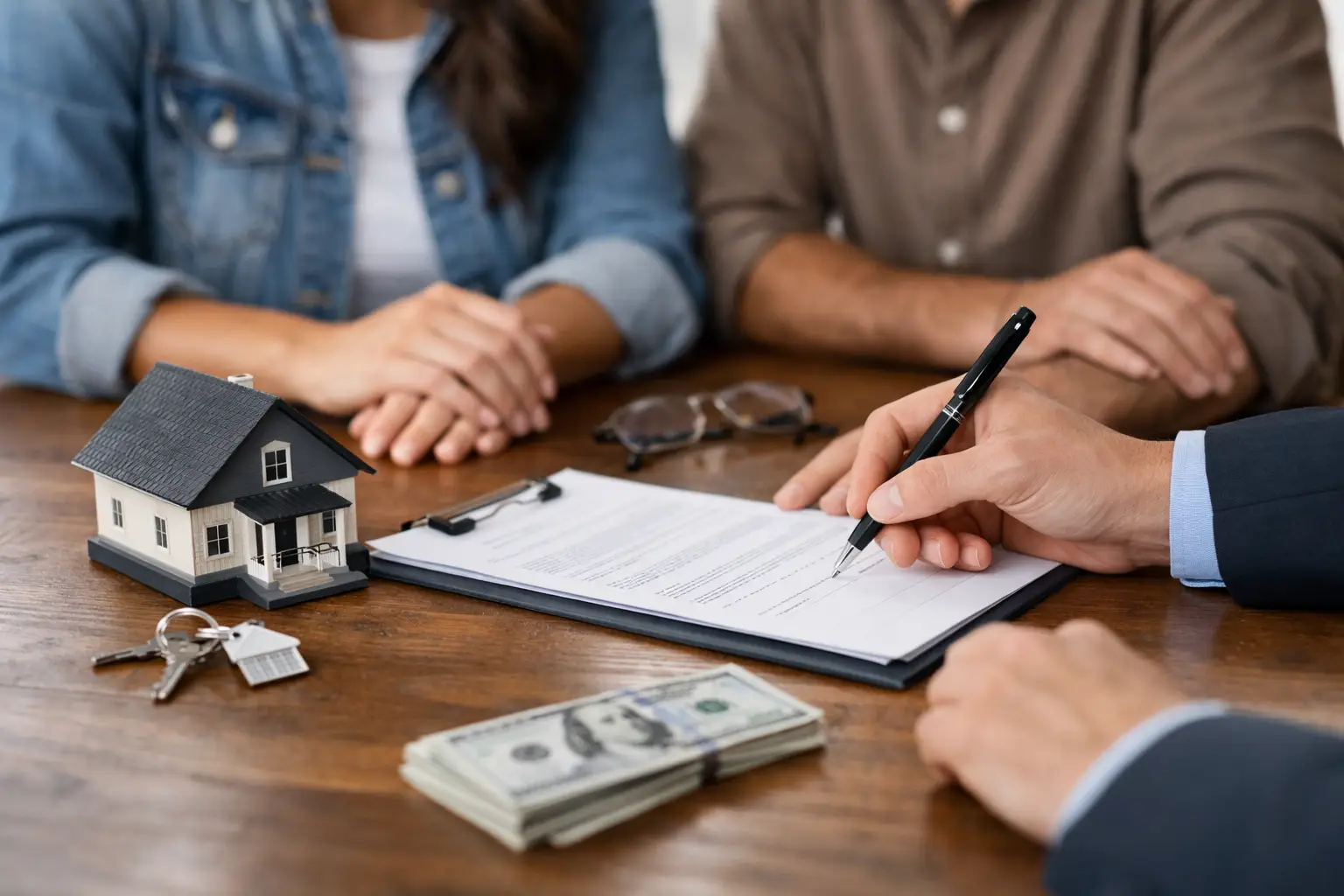
You have the down payment lined up, you have fallen for the house, and then the closing disclosure shows up with a handful of fees that were not part of the daydream. That is usually the moment buyers start asking what closing costs buyers pay and whether every line item is really necessary. The short answer is yes, buyers usually pay several costs beyond the purchase price, but the exact total depends on the loan, the property, the location, and what was negotiated in the contract.
If you are buying in coastal North Carolina or South Carolina, this matters even more because insurance, taxes, and lender requirements can vary from one community to the next. A condo near the beach, a new construction home inland, and a resale property in a golf community can all come with slightly different numbers. Knowing the categories ahead of time makes the process feel much less mysterious.
What closing costs buyers pay most often
Most buyer closing costs fall into a few main buckets: lender fees, title and attorney or settlement fees, prepaid items, government charges, and property-related costs. Some are true fees for services. Others are amounts collected in advance for taxes or insurance.
Lender fees are often the first thing buyers notice. These can include an application or origination charge, underwriting, processing, credit report fees, and sometimes discount points if you choose to buy down the interest rate. Not every lender labels these fees the same way, which is why comparing loan estimates side by side is so helpful. One lender may show a low origination charge but a higher underwriting fee. Another may bundle them differently.
Then there are title-related and settlement costs. Depending on where you are closing, you may see charges for title search, title insurance, document preparation, wire fees, recording fees, and attorney or settlement services. In North Carolina and South Carolina, attorneys often play a central role in residential closings, so legal fees are commonly part of the buyer side of the settlement statement.
Prepaid costs are another big category, and they catch buyers off guard because they do not feel like fees in the usual sense. Your lender may collect homeowners insurance premiums in advance, along with property taxes and prepaid interest. If you are financing the home, your escrow account may also need an initial deposit so the lender can pay future tax and insurance bills on your behalf.
Property-related charges can include an appraisal, survey in some cases, inspections you choose to order, and sometimes flood-related costs if the property is in a designated flood zone. If you are buying a condo or home in a planned community, there may also be homeowners association transfer fees, capital contribution fees, or document fees.
How much buyers should expect to pay
A common rule of thumb is that buyer closing costs often range from about 2 percent to 5 percent of the purchase price. That is a useful starting point, but it is still only a starting point. A cash buyer may pay less because there are no lender fees. A financed buyer with escrows, prepaid items, and discount points may land on the higher end.
On a $350,000 purchase, that could mean roughly $7,000 to $17,500. That is a wide range, which is why broad averages only get you so far. The real number depends on your loan program, the time of month you close, local tax rates, insurance premiums, and whether the seller contributes toward your costs.
Buyers near the coast should pay close attention to insurance estimates early in the process. Homeowners insurance, wind coverage, and flood insurance can all affect your cash needed at closing. A property that looks perfect on paper can carry a very different monthly and upfront cost depending on its location and risk profile.
What closing costs buyers pay that are negotiable
Some closing costs are fixed or mostly fixed, while others may be negotiable or shoppable. That distinction matters.
Lender fees are one area where buyers often have room to compare. You may not be able to eliminate every fee, but you can compare lenders on the total package, not just the interest rate. A slightly lower rate with much higher fees is not always the better deal.
Title services, settlement charges, and owner title insurance can also vary depending on the provider and local custom. In some transactions, the seller may agree to cover part of the buyer’s closing costs as a concession. This is especially useful if a buyer wants to preserve cash after the down payment, but it has to fit within loan guidelines and be negotiated in the contract.
Inspections are optional in the sense that a lender does not always require them, but skipping them just to save money can be risky. A general home inspection, and sometimes specialized inspections for pests, HVAC, roof, or moisture, can save buyers from far more expensive surprises later. This is one of those areas where cheaper upfront does not always mean cheaper overall.
What closing costs buyers pay in NC and SC can look like
In North Carolina and South Carolina, the broad categories are similar, but some local customs and closing practices differ. Attorney involvement is typical in both states, and that affects how the settlement process is handled. Recording charges, title work, and transfer-related fees may also look a little different from what buyers see in other parts of the country.
For buyers in Brunswick County, Horry County, or Georgetown County, property type can matter almost as much as county lines. A new construction purchase may include builder incentives toward closing costs, but it may also come with lender preferences or deadlines tied to those incentives. A resale home may offer more room for contract negotiation, but inspections and repair discussions may play a larger role.
Beach properties and homes in resort-style communities can bring extra line items too. HOA transfer fees, estoppel fees, and working capital contributions are not unusual. If the property is in a flood-prone area, lenders may require flood insurance before closing, and that can change both the prepaid amount and your monthly payment.
How buyers can estimate closing costs early
The easiest way to avoid sticker shock is to ask for estimates before you are emotionally packed for moving day. Your lender should provide a loan estimate early in the financing process, and your real estate agent can help you spot the local costs that may not be obvious from an online mortgage calculator.
It helps to think in layers. First, estimate the lender charges. Next, add title, attorney, and government recording fees. Then factor in prepaid insurance, taxes, and escrow deposits. Finally, add property-specific items like inspections, HOA fees, and possible insurance adjustments.
If you are comparing two homes, do not just compare the sale price. Compare the likely cash to close. Sometimes the less expensive home comes with higher insurance, bigger HOA startup costs, or repair needs that change the real picture.
How to lower buyer closing costs without cutting corners
There are a few smart ways to reduce your upfront costs. One is to negotiate seller concessions when market conditions support it. Another is to compare lenders carefully and ask direct questions about fees, points, and credits. You can also time your closing with an eye on prepaid interest, since the amount collected depends in part on the day of the month you close.
That said, there is a difference between lowering costs and ignoring them. Waiving inspections, underestimating insurance, or choosing a loan based only on the advertised rate can create bigger costs later. Good planning is less about chasing the lowest number and more about understanding which numbers are worth paying.
Final thoughts on what closing costs buyers pay
Buying a home comes with more than a sale price and a mortgage payment, but that does not mean the numbers have to feel buried in the sand. Once you know what closing costs buyers pay, you can budget with a lot more confidence and ask better questions before closing day arrives. A clear estimate, a careful lender comparison, and local guidance go a long way toward making the last step to the front door feel calm instead of crowded.
Leave a Reply