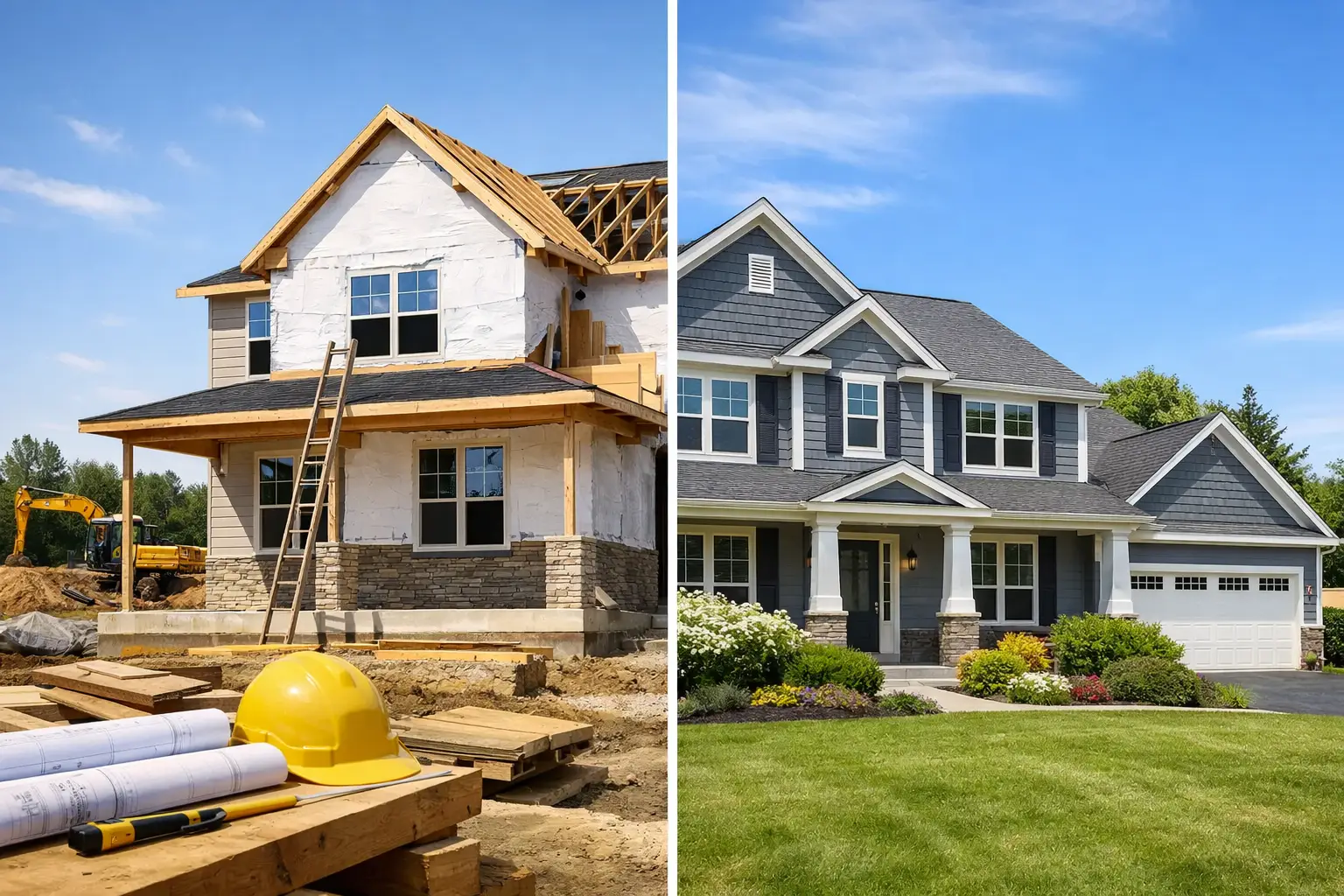
One buyer wants a sparkling new kitchen, open floor plan, and the chance to pick finishes. Another walks into an older beach-area home with mature trees, a settled neighborhood, and a porch full of character – and they are sold in five minutes. That is the heart of new construction vs resale homes. The right choice is rarely about which one is better on paper. It is about which one fits the way you want to live.
Along the Carolina coast, that decision can feel even more personal. Some buyers are looking for a primary home with low maintenance. Some want a second home near the water. Others are thinking about retirement, rental income, or simply finding the place that feels right when they pull into the driveway. New and resale homes can both be excellent choices, but they come with different trade-offs.
New construction vs resale homes: what really changes?
The biggest difference is not just age. It is how the home fits your priorities from day one.
A new construction home usually offers modern layouts, current building standards, and fewer immediate repair concerns. You may have the option to choose cabinets, flooring, countertops, or even the lot, depending on the stage of construction. For buyers who want a fresh start and less weekend repair work, that is a real advantage.
A resale home often offers what time creates. Established landscaping, neighborhoods with a lived-in feel, larger lots in some areas, and details that can be hard to duplicate in brand-new communities. Resale homes can also put you in locations where little or no new building is happening.
This is where the choice gets more practical than emotional. Do you want move-in-ready with current finishes and builder warranties? Or do you want a home with proven surroundings, possible pricing flexibility, and a clearer sense of what the area feels like once construction dust has settled?
Price is only part of the cost
Many buyers begin with sticker price, but new construction vs resale homes should also be compared by total ownership cost.
With new construction, the sales price may look straightforward at first, then rise with lot premiums, upgrades, design selections, blinds, appliances, fencing, or patio additions. Sometimes what looks like a base price is only the starting point. It is easy to fall in love with the model home and later realize that many of those attractive features were not included.
With resale, the purchase price may cover more of what you see. The appliances may already be there. Window treatments, mature landscaping, decks, fencing, and other practical extras are often already in place. On the other hand, an older roof, aging HVAC system, or worn flooring can mean future expenses that are not as visible during the first showing.
Neither option is automatically cheaper. A well-priced resale home that needs immediate work may cost more in the first two years than a new home. A new home loaded with upgrades may stretch the budget more than expected. The better question is this: where do you want your money going – upfront personalization or future improvements?
Monthly costs matter too
Insurance, property taxes, HOA dues, utilities, and maintenance can shift the picture. Newer homes may be more energy efficient, which can help monthly bills. Some newer communities also come with HOA fees that support amenities like pools, clubhouses, and landscaping. For some buyers, that is worth every penny. For others, it is one more line item they would rather avoid.
Lifestyle fit often decides it
For many people, this decision is less about economics and more about everyday living.
New construction tends to appeal to buyers who want simplicity. They do not want to replace carpet, repaint walls, or wonder when the water heater will quit. They want a home that feels current and easy to maintain. This can be especially attractive for retirees, second-home owners, and buyers relocating from out of town who want fewer surprises.
Resale often attracts buyers who care about setting, individuality, and what already exists around the home. In coastal areas, that can mean established neighborhoods, golf communities with resale inventory, homes closer to town centers, or properties with features that are harder to find in a new build. Some buyers simply prefer a neighborhood that already has shade trees, finished streetscapes, and a sense of personality.
If you are buying a vacation property or investment home, the answer may depend on your goals. A new construction property may offer low maintenance and broad renter appeal. A resale property may offer a more distinctive location or a price point that makes the numbers work better. It depends on whether your priority is convenience, charm, cash flow, or future resale value.
Timing can tip the scales
One of the most overlooked parts of new construction vs resale homes is timing.
If you need to move quickly, a resale home may be the easier path. You can typically shop what is available now, negotiate terms, complete inspections, and close on a more predictable schedule. That matters if you are coordinating a job move, school schedule, retirement date, or sale of another property.
New construction can be a great choice if you have flexibility. If the home is already completed or nearly completed, timing may still be fairly simple. But if you are building from the ground up, delays can happen. Weather, permitting, labor availability, and material issues can all affect completion dates. That does not mean building is a bad choice. It just means your timeline should have some breathing room.
For buyers coming into Brunswick County or the Myrtle Beach area from another state, realistic timing is especially helpful. Coastal markets can move fast, and builder inventory can change quickly too. Planning ahead makes the process much smoother.
Inspections, warranties, and peace of mind
Some buyers assume a new home does not need an inspection. That is a mistake.
Even brand-new homes should be inspected. An independent inspection can catch issues before closing or during warranty periods. New does not always mean perfect. Builders and subcontractors work on tight schedules, and small details can be missed.
Resale homes make inspections even more important because systems have age and wear. The good news is that you are often evaluating a home with a track record. You can see how it has held up, how the neighborhood has matured, and in many cases whether prior owners kept up with maintenance.
Builder warranties can be a strong advantage with new construction. They can offer peace of mind, especially for buyers who want fewer repair worries in the near term. Resale homes usually do not come with that same level of protection, although they may offer a more complete picture of what you are getting based on age, condition, and disclosures.
Negotiation looks different in each market
Buyers are sometimes surprised to learn that negotiation is not the same with builders and resale sellers.
With a resale home, price, closing date, repairs, appliances, and concessions may all be part of the conversation. The seller’s motivation can create opportunities, especially if the home has been on the market for a while.
With new construction, builders may hold firm on base price but be more flexible on incentives. That could include help with closing costs, design upgrades, or rate-related incentives tied to preferred lenders. The details matter. Two deals with the same purchase price can feel very different once incentives, upgrades, and out-of-pocket costs are compared.
That is one reason working with an experienced local agent matters. Cyndy Otto helps buyers look beyond the brochure and compare the real value of each option, whether the home is brand new or has years of coastal memories already built in.
Which choice tends to work best?
If you want lower maintenance, modern design, and the appeal of being the first owner, new construction may fit beautifully. If you want location, character, and a neighborhood that is already established, resale may be the better match.
There is also a middle ground. Some buyers start convinced they want new construction and end up loving a resale home that has been updated in all the right ways. Others begin wanting charm and then realize a low-maintenance new home suits this season of life better. The smart move is staying open until the numbers, the setting, and the feeling line up.
The best home is not the one that wins a category. It is the one that supports the life you want to build, whether that means morning coffee on a brand-new patio or sunset breezes from a porch with a little history already in the walls.
Leave a Reply