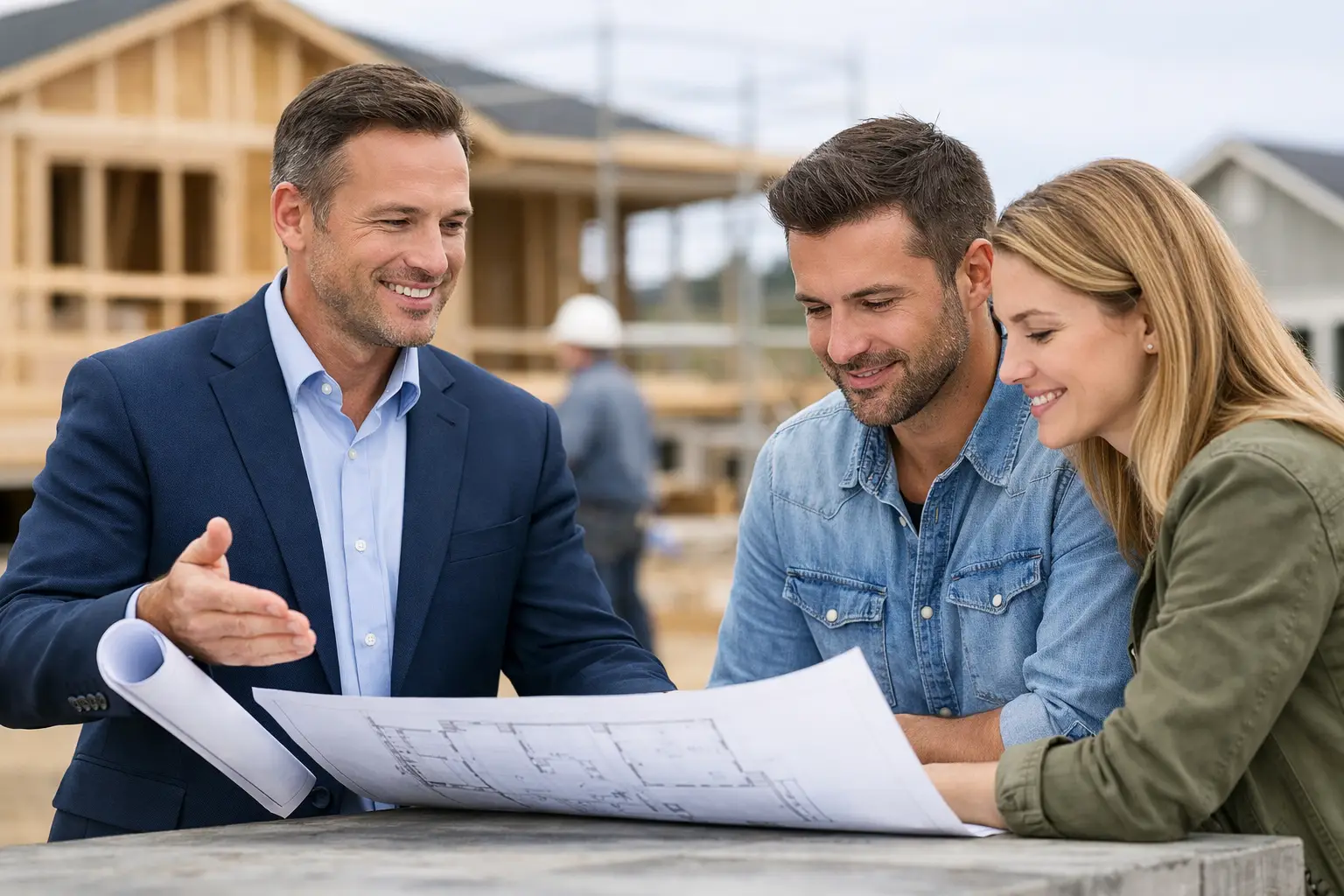
You can fall in love with a brand-new home in about five minutes. The model is bright, the finishes are pretty, and the floor plan feels just right. But before you sign anything, it is worth asking a practical question: does your realtor have home building experience? When you are buying new construction, that detail can shape everything from the lot you choose to the upgrade money you spend.
A realtor with real exposure to the building side of the process often sees things a typical resale transaction never brings up. They may recognize why one lot carries better value than another, why a certain floor plan works better for aging in place, or why a seemingly small design decision can affect resale later. That kind of guidance is especially helpful in coastal markets, where lifestyle, weather, insurance, and long-term maintenance all matter.
Why does your realtor have home building experience matter?
Buying an existing home and buying a home that has not been built yet are two different experiences. In a resale purchase, you are evaluating what already exists. In new construction, you are making decisions about what will exist, and that adds another layer of risk.
A realtor who understands home building can help you look past the decorated model and focus on the things that matter most over time. That includes the lot, orientation, drainage, materials, builder reputation, construction timeline, and contract terms. It also includes knowing which upgrades are worth the money and which ones are mostly cosmetic.
This does not mean your agent needs to be a licensed contractor. It means they should be comfortable with the construction process, the language builders use, and the common issues that can come up before, during, and after completion. Experience with new construction closings matters because it helps your agent ask sharper questions and prepare you for what is normal and what deserves closer attention.
New construction is not the same as resale
Many buyers assume a new home is the simpler choice because everything is fresh and under warranty. Sometimes that is true. You may have fewer immediate repairs, lower maintenance in the early years, and the fun of choosing finishes that fit your style.
Still, new construction has its own moving parts. Builder contracts are usually written to protect the builder first. Timelines can shift because of weather, materials, labor, or permitting. The base price may look attractive until design center selections, lot premiums, and structural options start adding up. A realtor with home building experience can help you sort through those details without taking the sparkle out of the process.
In places like Brunswick County or along the Grand Strand, there can also be coastal-specific considerations. Wind exposure, elevation, flood zones, and exterior material durability may affect not only comfort but also future carrying costs. Those are not small details when you are buying a primary home, a retirement place, or a beach-area investment property.
What an experienced realtor notices before you sign
A seasoned new construction agent often starts with the builder, not the backsplash. They want to know how the builder communicates, how change orders are handled, what is included in the base price, and how warranty requests are managed after closing.
They also pay close attention to the lot. A premium lot is not automatically the best lot. Sometimes a less flashy homesite offers better privacy, better drainage, easier access, or a smarter resale position. If a property backs up to a pond, preserved area, road, or future development, your agent should help you think beyond the view on the day you visit.
Floor plan selection is another place where experience shows. The prettiest plan in the sales center may not be the one that lives best for your needs. An agent with building experience can talk through practical questions like guest flow, storage, natural light, room placement, stair use, and how the home may function five or ten years from now.
Does your realtor have home building experience with upgrades?
This is where buyers can either feel smart or feel surprised later. Builder upgrade menus are designed to tempt you, and some upgrades really are worth it. Others are easier and cheaper to do after closing.
The trick is knowing the difference. Structural upgrades, added square footage, ceiling height changes, covered porches, and layout adjustments are usually harder to add later, so they often deserve more attention up front. Decorative items like some lighting, cabinet hardware, or certain backsplash choices may be easier to change over time.
A realtor with home building experience can help you prioritize. They can also help you think in terms of value, not just taste. If you are buying in a neighborhood where future resale matters, over-improving a home far beyond nearby comparables may not give you the return you expect. On the other hand, skipping practical features buyers in that market usually want can make resale tougher.
Contracts, timelines, and builder relationships
One of the biggest misunderstandings in new construction is assuming the on-site sales representative works for the buyer. They are usually friendly, helpful, and knowledgeable, but their first responsibility is to the builder.
That is why independent representation matters. Your realtor should be there before your first serious conversation with the builder or at least as early as possible. Some builders require your agent to accompany you or register you on the first visit. Waiting too long can limit your ability to have representation in the transaction.
An agent with construction experience can also help you understand where the contract gives the builder flexibility. Completion dates may be estimated rather than guaranteed. Materials and product selections may be subject to change if supply issues arise. Financing incentives may be tied to preferred lenders. None of this is unusual, but it should be clearly explained so you know what you are agreeing to.
Inspections still matter on a brand-new home
One of the most common mistakes buyers make is assuming a new home does not need an inspection. It is new, so what could be wrong? Plenty, sometimes. Even strong builders can have punch-list items, missed details, or subcontractor issues.
A good realtor who understands the building process will usually encourage professional inspections at the right points when allowed by the contract and construction schedule. Depending on the stage of the build, that may include a pre-drywall inspection and a final inspection. The goal is not to create conflict. It is to catch issues early, document concerns properly, and move toward closing with more confidence.
This is especially valuable for out-of-town buyers who may not be nearby to monitor progress. If you are relocating to the coast or buying a second home, having a knowledgeable local advocate can make the process feel much more manageable.
Experience helps, but it is not the only thing that matters
Home building experience is important, but it is not the whole picture. A great realtor also needs to communicate well, stay organized, understand the local market, and respect your budget and goals. Some agents know construction but are weak on negotiation. Others know contracts well but do not guide buyers clearly through design choices.
The best fit is usually an agent who blends construction awareness with market knowledge and good client care. That is the sweet spot. You want someone who can explain things simply, spot possible trouble early, and keep the process moving without making you feel rushed.
If you are interviewing agents, ask direct questions. How many new construction transactions have they closed? Which builders or communities have they worked with? How do they help clients evaluate lots and upgrades? What issues have they seen come up during construction, and how were those handled? Their answers will tell you a lot.
When building experience matters most
There are some situations where this kind of experience becomes even more valuable. One is when you are buying from out of state and cannot be present for every milestone. Another is when the home is semi-custom or fully custom, with more choices and more room for misunderstandings.
It also matters when you are balancing lifestyle goals with long-term value. That could mean choosing between a low-maintenance beach-area home for retirement, a vacation property with rental potential, or a primary residence in a growing community. In those moments, details matter. The right agent helps you connect the floor plan and the finish package to the bigger picture of how you want to live.
For buyers in coastal North and South Carolina, that bigger picture often includes storm resilience, HOA rules, commute patterns, guest space, and whether the home will still fit comfortably a decade from now. New construction can be a wonderful option, but it asks better questions from everyone involved.
A beautiful new home should feel exciting, not confusing. If you are considering new construction, ask the question early and ask it plainly: does your realtor have home building experience? The answer may save you money, stress, and second-guessing, and help you choose a home that feels just as right after move-in day as it did in the model.
Leave a Reply