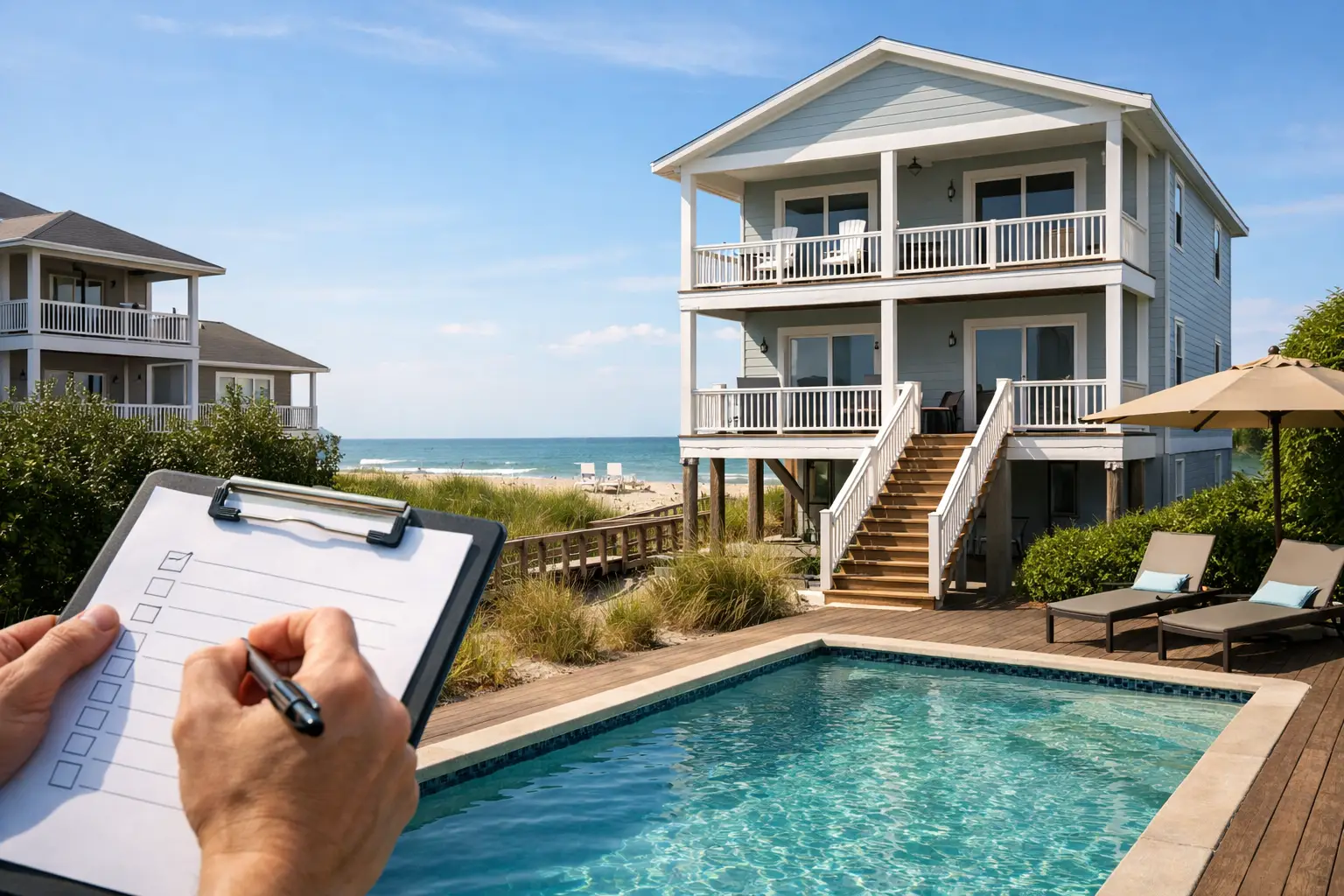
A sunrise over the Atlantic, a short walk to the sand, and a porch built for salty breezes are easy reasons to look at garden city beach houses. The practical side of the search matters just as much, though. A home that feels perfect during a sunny afternoon showing should also fit your insurance comfort level, maintenance plans, rental goals, and everyday lifestyle.
Garden City Beach has a relaxed, lived-in coastal character between Surfside Beach and Murrells Inlet. Buyers may find everything from elevated oceanfront homes and second-row cottages to creekfront properties, condos, and homes a few blocks inland. That variety is a real advantage, but it means two homes with similar square footage can offer very different ownership experiences.
Start With the Location, Not Just the View
Oceanfront is the headline feature for many buyers, and for good reason. Direct beach access and broad water views can support personal enjoyment and, where permitted, vacation-rental appeal. Oceanfront ownership also tends to bring the greatest exposure to wind, salt air, shifting dunes, and coastal weather. Maintenance can be more frequent, and insurance costs can be materially different from a property farther inland.
Second-row homes can be a smart middle ground. Some retain strong views and easy beach access while reducing the immediate exposure that comes with sitting directly on the oceanfront. Whether that trade-off feels worthwhile depends on the individual lot, the public beach access nearby, the home’s elevation, and how you intend to use the property.
Creekfront and inlet-adjacent homes provide another kind of coastal experience. A dock, marsh view, boating access, or quiet sunset can be every bit as appealing as an ocean view for the right buyer. Here, ask detailed questions about water depth, dock status, access rights, tides, and the condition of any bulkhead. A waterfront feature is wonderful when it matches your habits, not simply because it photographs well.
For a primary residence, also consider the parts of the location that are less glamorous but very real: grocery runs, medical care, parking, traffic during peak visitor seasons, and your preferred level of activity. A vacation home buyer may welcome being close to attractions. A retiree may prefer a calmer street that still keeps restaurants, golf, and the inlet within easy reach.
Garden City Beach Houses Need a Coastal Cost Review
The purchase price is only one part of the investment. Before making an offer on a coastal home, build a realistic ownership picture that includes property taxes, homeowners insurance, possible flood insurance, utilities, HOA or condominium fees, routine maintenance, and reserves for larger repairs.
Flood maps and insurance requirements deserve careful attention, but they are not a simple pass-or-fail test. A property outside a high-risk flood zone can still experience water-related risk, and a property in a designated flood zone is not automatically the wrong choice. Elevation, construction style, drainage, prior claims, coverage options, and your personal risk tolerance all belong in the conversation. Request insurance estimates early rather than treating them as a final detail after the contract is signed.
Salt air is part of the coastal charm, but it is hard on exterior materials. Metal hardware, HVAC equipment, decks, railings, windows, roofing, siding, and outdoor showers all require a watchful eye. An elevated beach house has its own set of questions, including the condition of pilings, stairs, decking, enclosures, and the area beneath the home. A thorough inspection by professionals familiar with coastal construction can help buyers understand what is cosmetic, what is routine upkeep, and what may become a significant project.
A home built recently is not automatically maintenance-free, and an older cottage is not automatically a money pit. Newer construction may offer current building standards and modern systems, while an established home may have a desirable lot, mature character, and a documented maintenance history. The details matter more than the year alone.
Ask for the Story Behind Recent Updates
A seller’s list of improvements is useful, especially when it includes dates, permits where applicable, warranties, and contractor information. Pay close attention to big-ticket items such as the roof, HVAC systems, windows, decking, exterior cladding, water heater, and electrical service.
It is also wise to ask about storm history and repairs. The goal is not to assume that a home with a repair history is a problem. Coastal homes encounter weather. What matters is whether repairs were handled appropriately and whether the seller can provide a clear, consistent record of the property’s care.
If You Plan to Rent, Verify Before You Calculate
Many buyers view a Garden City Beach home as both a personal getaway and an income-producing property. That can work well, but rental income should be evaluated with a clear head. A busy summer calendar does not mean every week of the year will book, and gross rental projections do not show the full cost of ownership.
Start by confirming that short-term rentals are allowed for the specific property. Rules may come from local regulations, a homeowners association, a condominium regime, or restrictions recorded for the community. These rules can address rental duration, parking, occupancy, signage, pets, amenities, and registration requirements. They can also change, so rely on current written information rather than a casual assurance from a neighbor or an old online listing.
Then look beyond projected revenue. Management fees, cleaning, linens, repairs, furnishing replacement, marketing, supplies, taxes, and vacancy all affect the net result. Oceanfront and larger homes may command strong rental interest, but they can also have higher operating costs. A smaller property in a walkable location may produce a steadier balance for some owners. The right rental strategy depends on your financing, your desired personal-use dates, and how involved you want to be.
Look Closely at the Property During Due Diligence
Once you are under contract, use the due diligence period to gather the information that turns a good feeling into a sound decision. The inspection is central, but it should not stand alone. Review the survey, flood information, seller disclosures, HOA documents when applicable, insurance quotes, rental rules, and repair estimates.
For houses near the water, be especially observant about drainage, standing water, exterior trim, deck connections, signs of corrosion, and the condition of doors and windows. Ask whether the home has storm shutters, impact-rated openings, or other protective features, and understand how those features are maintained. If there is a pool, elevator, dock, seawall, or boat lift, each adds enjoyment and another system to inspect and budget for.
Do not rush past the neighborhood itself. Visit at different times if possible. A quiet weekday morning and a Saturday afternoon in peak season can feel like two different places. Check the route to the beach, the availability of parking, nearby public access points, and the character of adjoining homes. These details influence daily enjoyment and future resale appeal.
Selling a Garden City Beach Home With Confidence
Sellers benefit from the same practical mindset. Beach buyers tend to ask informed questions about elevation, insurance, storm repairs, rental history, furnishings, and maintenance. Preparing answers before the home reaches the market builds confidence and reduces last-minute surprises.
A well-presented coastal listing should highlight the features buyers cannot easily see in photos: the age of major systems, updates to decking or railings, rental performance when relevant, storage for beach gear, outdoor showers, parking, and the actual walk or ride to the shore. At the same time, honest disclosure and sensible pricing protect the value of the transaction. A beautiful view is powerful, but buyers still compare condition, carrying costs, and location closely.
Whether you picture early-morning beach walks, weekends on the creek, or a home that welcomes family for years to come, the best coastal purchase is one that fits the whole picture. Take time to compare the view, the numbers, the rules, and the care the home will need. That thoughtful approach leaves more room to enjoy the reason you came to the coast in the first place.
Leave a Reply