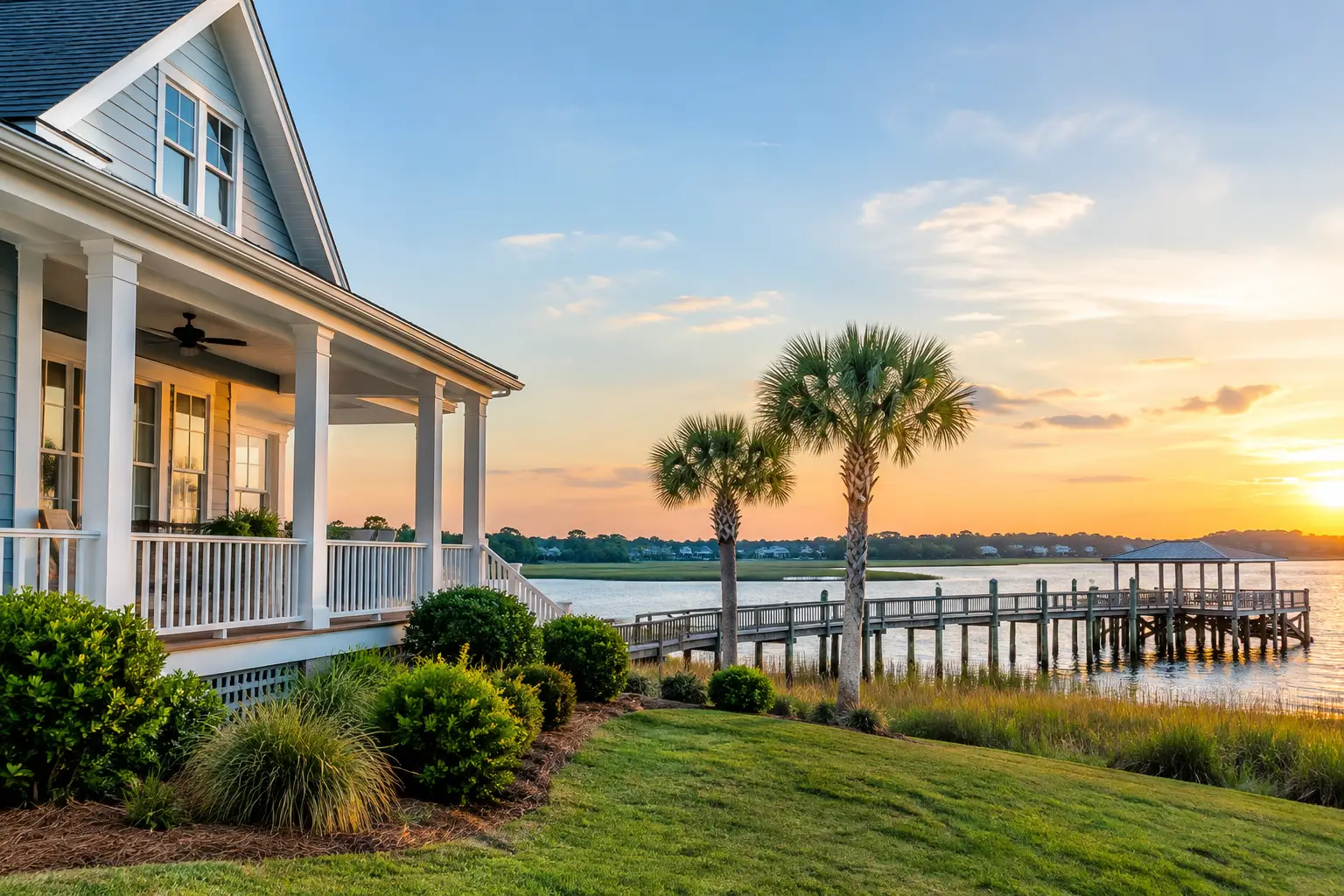
Little River has a way of making a house hunt feel less like an errand and more like a change of pace. The Intracoastal Waterway, seafood spots, golf courses, and easy access to North Myrtle Beach give the area a relaxed coastal character without putting you directly in the middle of the busiest resort corridors. Still, what to know before buying a home in Little River, SC goes well beyond finding a pretty porch or water view. A smart purchase starts with understanding how a particular property lives day to day – and what it may cost to own over time.
Start With the Lifestyle You Want
Little River is not one single type of neighborhood. Buyers can find established homes on quiet streets, newer communities with amenities, low-maintenance condos, homes near the waterway, and properties with a more rural feel as you move inland. The right choice depends on how you plan to use the home.
A year-round resident may care most about grocery access, medical appointments, nearby services, and an easy drive to family or work. A vacation-home buyer may prioritize a lock-and-leave property, community maintenance, and proximity to the beach or marina. For an investor, rental rules, occupancy patterns, maintenance demands, and carrying costs can matter more than the view from the breakfast nook.
Spend time in the area at different hours before committing. A peaceful street at 10 a.m. can feel different during weekend traffic, a holiday week, or a summer evening. Drive the route to the places that will be part of your regular routine, whether that is North Myrtle Beach, Myrtle Beach, Conway, or across the state line into Brunswick County.
Know the Difference Between Near the Water and Waterfront
Water is a major draw in Little River, but the wording in a listing deserves a closer look. “Water view,” “waterway community,” and “minutes from the marina” can all describe very different experiences and values. A home directly on the Intracoastal Waterway may offer beautiful scenery and boating access, but it can also come with higher insurance considerations, dock questions, stricter rules, and more exposure to wind and water events.
If a dock, boat lift, or pier is part of the purchase, confirm what conveys with the property and whether it is permitted. Ask about maintenance responsibility, water depth, shared access, and any community or governmental requirements. Waterfront ownership can be wonderful, but the details are not interchangeable from one property to the next.
Even homes that are not directly on the water may sit in areas where drainage, elevation, and flood risk should be reviewed carefully. A flood zone designation does not automatically mean a home floods, and a property outside a designated high-risk zone is not automatically free of risk. Look at the specific parcel, ask about the seller’s history of water intrusion, and discuss insurance options early in the process.
What to Know Before Buying a Home in Little River, SC: Insurance First
Coastal-area insurance is one of the most practical parts of the buying decision. Homeowners insurance, wind coverage, flood insurance, deductibles, and available carriers can vary based on the home’s location, age, roof, construction type, and claims history. Two similar-looking homes can have very different annual insurance costs.
Do not wait until the final days of due diligence to request quotes. Get an insurance professional involved as soon as you are seriously considering a property, especially if it is older, near the water, or has a roof approaching the end of its expected life. Ask what is covered, what is excluded, and how hurricane or wind deductibles work. Those deductibles are often calculated differently than a standard flat-dollar deductible.
It is also wise to ask about past claims, roof repairs, plumbing updates, and mitigation features such as storm shutters or impact-rated windows. A newer roof can be appealing for obvious reasons, but the documentation, installation date, and condition matter as much as the sales description.
Look Closely at HOA and Condo Details
Many Little River communities have homeowners associations, and condos typically have additional layers of association oversight. An HOA can be a real benefit when it maintains entrances, landscaping, common areas, pools, exterior elements, or amenities that make ownership easier. It can also shape how you use the home.
Before making a final decision, review the governing documents, current fees, rules, budget, reserves, meeting notes when available, and any pending or recent special assessments. Find out what the dues cover and what remains your responsibility. For a condo, that can include a closer look at the master insurance policy, exterior maintenance obligations, rental restrictions, pet policies, parking, and the condition of shared structures.
If you plan to rent the property, never assume short-term rentals are allowed just because the home is near the coast. Rules can differ between neighborhoods, buildings, and municipalities. Confirm the current policy in writing and consider how rental restrictions could affect both your income plan and future resale appeal.
Budget for the Full Cost of Ownership
The purchase price is only one line in the monthly picture. Property taxes, insurance, HOA dues, utilities, lawn care, pest control, pool service, and routine repairs can shift the affordability equation. A larger yard may be a delight for a full-time owner who enjoys gardening, while a second-home buyer may prefer a smaller lot or an association that handles exterior upkeep.
Older homes deserve particular attention. Many offer charm, mature landscaping, and locations that newer construction cannot duplicate. They may also need updates to electrical systems, plumbing, windows, HVAC equipment, or insulation. New construction can offer modern layouts and warranties, but buyers should still arrange inspections and understand what is included, what is an upgrade, and what work may remain after closing.
Ask your lender to explain how taxes and insurance will be estimated in your payment. Escrow shortages can surprise buyers when an initial estimate changes after closing, particularly if an owner-occupied tax status, assessed value, or insurance premium differs from what was assumed.
Treat the Inspection Period as Your Research Window
A home inspection is not simply a pass-or-fail test. It is your opportunity to learn how the house works and where future expenses may be waiting. In this climate, pay close attention to roofing, drainage, grading, crawl spaces, moisture, HVAC performance, windows, siding, and signs of wood-destroying organisms.
A general inspection may point to the need for further evaluation by a specialist. That is normal. For example, evidence of moisture might justify a closer look at drainage or a crawl space, while an older electrical panel may call for an electrician’s opinion. The goal is not to expect a perfect home. The goal is to understand the condition well enough to make a confident decision and negotiate fairly when needed.
Do not overlook the surroundings, either. Check lot lines, easements, road access, nearby vacant land, and drainage patterns after rain if possible. If the home backs to woods, a golf course, water, or undeveloped property, consider both the view you enjoy now and what could change later.
Think About Resale While Buying for Yourself
The best home is one that suits your life, not one designed entirely around a future buyer. Still, resale matters because plans change. Features that often remain attractive include a functional layout, good storage, reasonable maintenance needs, convenient location, and outdoor space that is enjoyable without being overwhelming.
Be cautious about stretching solely for a feature you may use only a few times a year. A water view may be worth it for one buyer and unnecessary for another. The same is true for community amenities, a large corner lot, or a home several miles farther from the beach. The value is personal, but the ongoing cost should be equally clear.
Little River offers a coastal lifestyle with room to choose your own pace. Give yourself enough time to compare neighborhoods, study the numbers, and ask direct questions about each property. The right home should feel exciting at the showing and still make practical sense once the insurance quote, inspection report, and monthly budget are on the table.
Leave a Reply