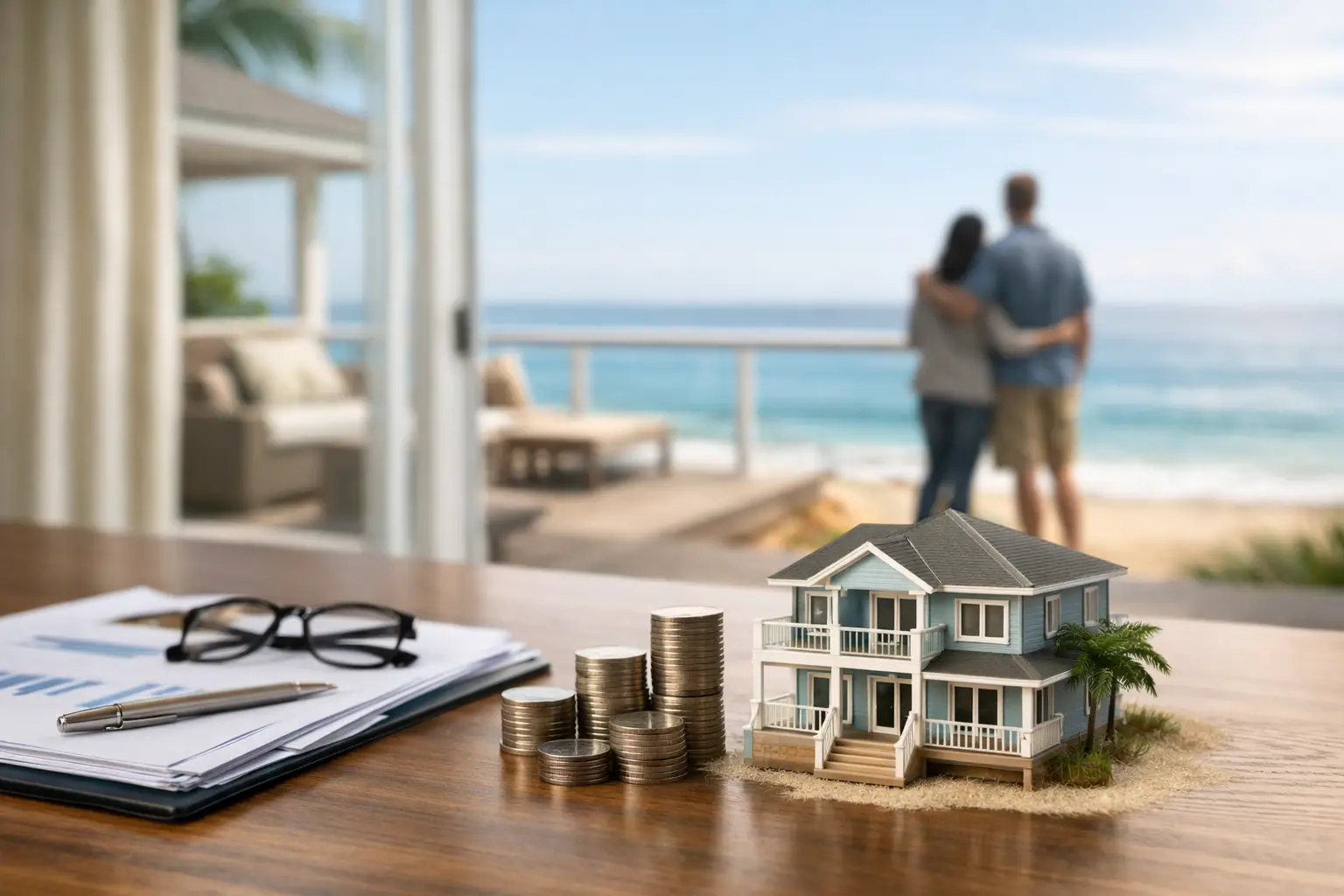
That first pricing conversation can feel a little like standing at the shoreline and trying to predict the next wave. If you are wondering how to price beach house property, the answer is not to pick a number you hope buyers will love. The right price comes from local data, buyer behavior, condition, location, and the story your home tells the market the moment it goes live.
Beach homes are their own category. They do not behave exactly like inland neighborhoods, and they definitely do not all behave the same way from one coastal town to the next. A raised home near Ocean Isle Beach, a golf community property in Calabash, and an ocean-adjacent home near Surfside Beach can attract very different buyers, even if their square footage looks similar on paper.
How to price beach house property without guessing
The biggest mistake sellers make is starting with what they need to net instead of what the market is willing to pay. Your goals matter, of course, but buyers do not price homes based on a seller’s moving budget, renovation costs, or retirement plans. They compare your home to other options and decide whether it feels worth the asking price.
That is why pricing starts with comparable sales, but not just any comparable sales. For a beach house, the best comps are recent, nearby, and as close as possible in lifestyle appeal. Water access, ocean views, marsh views, walkability to the beach, private pools, HOA amenities, flood zone considerations, and short-term rental appeal can all shift value in ways a standard suburban comp might miss.
A home that is technically three blocks from the sand may still command more than a closer property if it has better parking, stronger rental history, updated outdoor space, and easier access. Buyers are not only measuring distance. They are measuring convenience, experience, and future use.
Start with the right comparable sales
A solid pricing strategy usually begins with homes that sold in the last three to six months. In coastal markets, that time frame matters because buyer demand can move with seasons, interest rates, inventory, and tourism patterns. A sale from nine months ago may still be useful, but it should not carry the same weight as a recent closing.
The most helpful comps are similar in age, size, lot type, and location. If your home is in Holden Beach, Oak Island, Murrells Inlet, or Pawleys Island, small location differences can create large pricing gaps. One section of a town may be prized for beach access, while another may appeal more to year-round residents who want less traffic and easier daily living.
Pending listings matter too. They show where buyers are agreeing right now, even if the final sales price is not public yet. Active listings are also part of the picture, but they are competition, not proof of value. If several homes have been sitting for weeks without movement, that often says more than the list price itself.
Price for your buyer, not just your property
One of the most useful ways to think about how to price beach house listings is to ask who will most likely buy it. Is this home best for a primary resident, a retiree, a second-home shopper, or an investor? Each group looks at value a little differently.
A primary home buyer may care most about layout, storage, insurance costs, commute time, and year-round comfort. A second-home buyer may focus more on beach access, views, outdoor living, and maintenance ease. An investor may zero in on occupancy potential, rental restrictions, furnishings, and seasonal demand.
If your home appeals to more than one group, that can help pricing power. But it can also create confusion if the presentation and price suggest different things. A beautifully updated home with strong short-term rental appeal should not be priced like a dated primary residence just because they share a zip code.
Condition changes the price more than sellers expect
At the beach, condition is not a small detail. Salt air, humidity, storms, sun exposure, and wear from guests or seasonal use all leave their mark. Two homes with the same floor plan can land far apart on price if one feels fresh and easy while the other feels like a list of future projects.
Buyers notice windows, exterior paint, decking, roofing, HVAC age, flooring, kitchens, baths, and storage for beach gear. They also pay attention to what ownership will feel like after closing. If they see deferred maintenance, they often subtract more than the actual repair cost because they are pricing in hassle, uncertainty, and time.
That does not mean every seller should renovate before listing. Sometimes the smarter move is to price honestly and let the buyer choose their own updates. The key is being realistic. A beach house that needs work can still sell well, but only if the price leaves room for that work.
Rental income can help, but it should not take over
For many coastal sellers, past rental performance is part of the home’s value. That is true, especially in areas where vacation rentals are common and permitted. Strong rental history, repeat bookings, and good occupancy can support buyer interest.
Still, rental numbers should be handled carefully. Buyers may value income potential, but they also know future performance is never guaranteed. Local rules can change, management costs vary, and weather can affect a season. A home should not be priced as if every future year will match the best year it ever had.
Instead, rental history works best as supporting evidence. It can strengthen a price that already makes sense based on location, condition, and comparable sales. It is less effective when used to justify a number the market is not otherwise supporting.
Timing matters more at the coast
Seasonality has a real effect on buyer psychology. Spring and early summer often bring stronger energy because homes show well, the area feels active, and second-home buyers are planning ahead. Fall can still be productive, especially for serious buyers, but the pool may narrow. Winter can be quieter in some segments, though relocation and retirement buyers are often still looking.
This does not mean there is only one good time to sell. It means your pricing should reflect the current moment. If inventory is climbing, buyers have more choices and tend to negotiate harder. If inventory is tight and demand is steady, pricing can be more confident.
At the beach, presentation also shifts with the calendar. A home with a sunny deck and blooming landscaping may create a stronger first impression in April than it does on a gray January day. That visual advantage can affect how boldly or conservatively a home should be priced at launch.
The risk of overpricing is bigger than most sellers think
Many sellers assume they can start high and reduce later if needed. Sometimes that works, but often it costs more than it saves. The first days on market are when a listing gets the most attention. Buyers who have been watching closely will notice it immediately, and their reaction to the price sets the tone.
If the home feels overpriced, the strongest buyers may skip it and move on. Later price cuts can help, but by then the listing may already feel stale. People start wondering what is wrong with it, even when the real issue was simply the original price.
A well-priced beach house creates a different kind of momentum. It brings showings, questions, return visits, and sometimes multiple interested parties. That activity gives a seller options. Overpricing usually takes options away.
Local knowledge makes pricing sharper
Coastal markets are full of details that broad online estimates miss. A model may not understand the difference between second row and third row, private beach access versus public access, east side versus west side, or a marsh view that locals know is especially sought after at sunset.
That is where local pricing experience matters. In Brunswick County and along the Grand Strand, small distinctions can influence buyer response in a big way. The most accurate price is usually not pulled from a national algorithm. It is built from recent sales, current competition, and on-the-ground understanding of what buyers in that specific area are reacting to right now.
If you are getting ready to sell, think of pricing as your launch strategy, not just a number on a sign. The right price invites the right buyer into the story of your home, and that is often what turns interest into a strong offer.
Leave a Reply