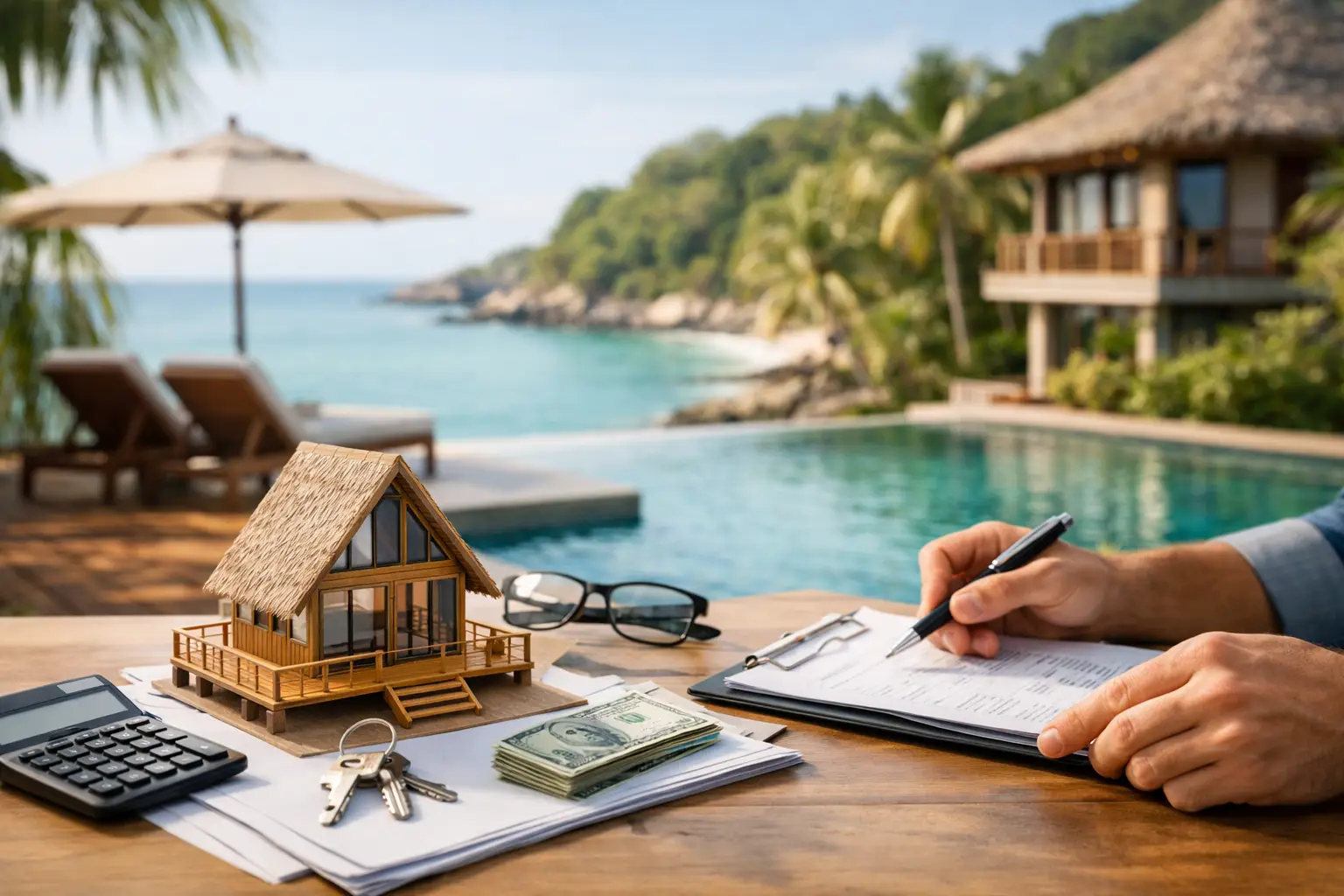
That first walk onto a breezy porch near Sunset Beach or Murrells Inlet can make a second-home dream feel very real, very fast. A question usually follows right behind it: can you finance vacation homes, or do you need to show up with all cash? The good news is yes, you often can finance a vacation home. The part that matters is understanding how lenders define it, what they require, and how your budget needs to work in real life – not just on paper.
Can you finance vacation homes? Yes, but the rules are different
A vacation home is usually financed with a conventional mortgage, but it is not underwritten the same way as a primary residence. Lenders view a second home as a little riskier than the place you live full time, so the standards are often tighter. You may need a stronger credit profile, a larger down payment, more cash reserves, and a lower debt-to-income ratio than you would for a primary home.
That does not mean financing is out of reach. It simply means the purchase needs to be structured correctly from the start. Buyers who are prepared tend to move through the process much more smoothly than buyers who begin house hunting before checking what a lender will actually approve.
A true vacation home also has to meet certain guidelines. In most cases, it needs to be a property you occupy for part of the year, not a full-time rental, and it usually must be a reasonable distance from your primary home. The home should also be suitable for year-round use if that is how the market and lender view it. A small beach cottage, condo, or detached home may all qualify, but specific lender rules can vary.
What lenders usually look for
The biggest difference between financing a primary residence and a vacation home is caution. A lender wants to see that you can comfortably carry both properties. If your main home payment, taxes, insurance, and other monthly obligations already stretch your budget, adding a second mortgage can become difficult.
Credit score matters quite a bit here. While exact numbers depend on the lender and loan type, stronger scores generally open the door to better pricing and more flexibility. A buyer with excellent credit may have several appealing options. A buyer with fair credit may still qualify, but the rate and down payment could look less friendly.
Down payment expectations are also higher than many buyers expect. Some well-qualified borrowers may find programs with lower down payment requirements, but many second-home buyers should plan for at least 10 percent down, and often more. If the property is a condo or has features the lender views as higher risk, the cash needed up front may increase.
Then there are reserves. This is the money left in savings, investment accounts, or other verified assets after closing. Lenders often like to see that you could cover several months of mortgage payments if needed. On a beach property, where maintenance and insurance can be less predictable than inland homes, that cushion matters just as much for you as it does for the lender.
Second home or investment property? That distinction matters
This is one of the most common sticking points. Buyers sometimes assume they can purchase a property, call it a vacation home, and rent it out heavily when they are not using it. Lenders do not always see it that way.
If the property is primarily meant to generate income, it may be classified as an investment property instead of a second home. That usually means a higher down payment, higher interest rate, and stricter approval standards. Even your own plans for personal use can affect how the home is categorized.
This is especially relevant in coastal markets where short-term rentals are common. A condo near Ocean Isle Beach or a house near North Myrtle Beach may look like the perfect getaway and a nice side-income opportunity. It can still be financeable, but the financing path may change depending on how you intend to use it, local rental rules, and the lender’s interpretation of the property profile.
Being upfront about your plans is the safest route. Trying to fit a property into the wrong category can create problems late in underwriting, which is never the moment you want surprises.
Loan options for a vacation home
For many buyers, a conventional loan is the most common route. These loans can work well for second homes when the borrower has solid credit, steady income, and enough cash for the down payment and reserves. They are familiar, widely available, and often the first place to look.
Jumbo loans may come into play if you are buying in a higher price range. In beach communities and golf-oriented areas, it is not unusual for second-home prices to exceed conventional loan limits. Jumbo financing can be a good fit, but the underwriting is typically more detailed and the financial requirements are often stricter.
Some buyers also use home equity from their primary residence to help fund the purchase. That might mean using a cash-out refinance or a home equity loan to cover the down payment or reduce the amount financed on the vacation home itself. This can be useful, but it shifts risk back onto your primary residence, so it deserves a careful look before moving ahead.
Government-backed loans are usually not the first answer for vacation homes. Many of those programs are designed for primary residences, not second homes. If you are counting on FHA, VA, or USDA financing, you will want to verify eligibility early rather than assume it applies.
The real monthly cost is more than the mortgage
A second-home payment is only part of the picture. On coastal property, insurance can be a major line item. Depending on the property and location, you may need homeowners insurance, wind coverage, flood insurance, or a combination of policies. Buyers focused only on principal and interest can get caught off guard when the full payment is calculated.
HOA dues may also be part of the equation, especially for condos and planned communities. Some buyers love the convenience of exterior maintenance being handled for them, but those monthly dues have to fit comfortably in the budget. If the property includes amenities like pools, beach access, or security, the carrying costs may be worth it – but they are still carrying costs.
Maintenance is another coastal reality. Salt air, humidity, storms, and wear from seasonal use can all add up. A vacation home should feel relaxing, not financially stressful. A smart budget leaves room for upkeep, furnishing, utilities, and the occasional repair that shows up at the least convenient moment.
How to prepare before you shop
The buyers who make confident offers are usually the ones who did their homework first. Start with a lender conversation before touring too many homes. You want to know not just the maximum amount you can borrow, but the payment range that still feels comfortable once taxes, insurance, dues, and maintenance are included.
It also helps to decide how you will use the home. Will it be strictly personal use? Will family visit often? Are you hoping for occasional rental income, or none at all? Those answers affect both financing and property selection.
Location matters in a practical sense too. A low-maintenance condo may suit one buyer perfectly, while another wants a detached home with room for guests. In Brunswick County and along the Grand Strand, inventory can vary widely by town, property type, and flood exposure. The right fit is not just about charm. It is about finding a home that matches your financial comfort zone and your lifestyle.
If you are buying from out of town, local guidance becomes even more valuable. Small details about insurance patterns, community restrictions, condo financing, and seasonal demand can shape the whole decision.
When financing a vacation home makes sense
Financing can make very good sense when you want to preserve liquidity, keep some savings intact, and buy without tying up all your cash in one property. It can also be helpful if mortgage terms are favorable and the monthly cost fits easily into your broader financial picture.
On the other hand, financing is not automatically the best move for every buyer. If carrying two housing payments would limit your flexibility, reduce retirement savings, or turn every repair into a headache, waiting may be wiser than stretching. Beach homes are meant to add joy, not pressure.
A good purchase is one you can enjoy in every season, including the less glamorous moments when insurance renews, the water heater quits, or a storm rolls through. If the numbers still work then, you are probably looking at the right kind of purchase.
Buying a vacation home is exciting because it blends lifestyle and investment in a very personal way. The financing side may feel a little less romantic than the porch view, but getting it right gives you the freedom to enjoy the home the way you hoped you would. A calm, well-planned purchase almost always feels better than rushing toward the first pretty shoreline address that catches your eye.
Leave a Reply