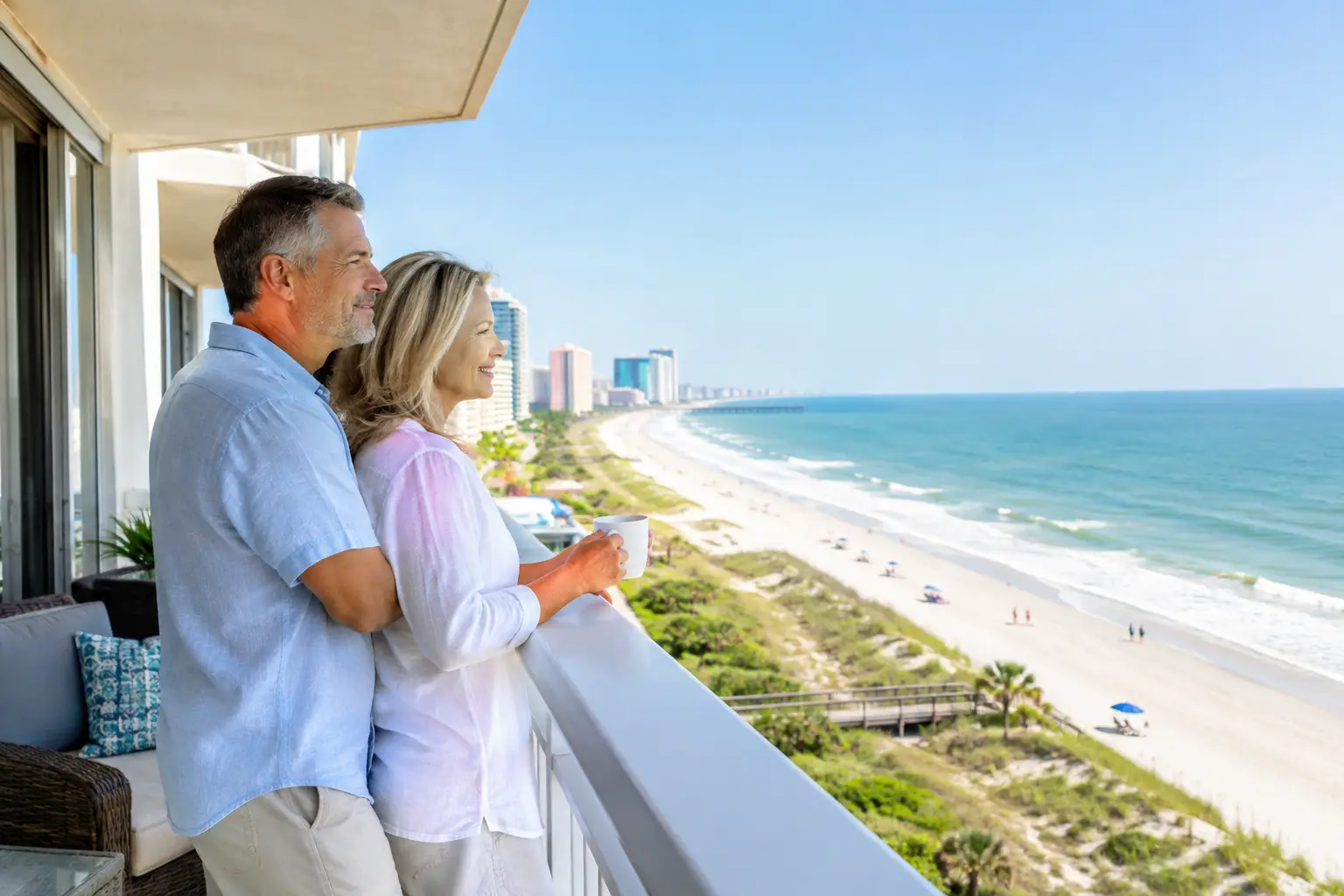
The first warm weekend you spend near the water can make a condo feel like an easy yes. Then come the practical questions: Which building will still suit you in five years? What happens when you are back home for the summer? How much will the monthly costs really be? Buying a condo in Myrtle Beach for seasonal living is less about finding the closest balcony to the beach and more about choosing a place that fits the way you actually plan to use it.
For many seasonal owners, the best choice is not the flashiest oceanfront tower. It is the condo that feels comfortable after a month of living there, is manageable while vacant, and lets you enjoy the coast without turning every visit into a to-do list.
Start With Your Season, Not Just Your Wish List
Seasonal living looks different for everyone. Some buyers want to escape northern winters from January through March. Others picture long spring and fall stays, with a few summer weekends mixed in. Retirees may begin with seasonal visits and eventually make the coast their primary home.
That timeline should shape the search. A compact one-bedroom near the sand may be perfect for a couple visiting several weekends a year. If you expect family and friends to join you for holidays, a second bedroom, a flexible sleeping area, or a larger living space can matter more than an ocean view.
Think through daily life, too. During a longer stay, you may care more about a full kitchen, laundry, grocery access, parking, elevator reliability, and storage for beach chairs than resort-style amenities. A condo should support the quiet Tuesday mornings as well as the fun Saturday afternoons.
Choose the Myrtle Beach Area That Fits Your Pace
Myrtle Beach offers a wide range of condo settings, from lively oceanfront buildings to quieter communities just off the water. The right location depends on what you want your seasonal routine to feel like.
Central Myrtle Beach can be a good fit for owners who enjoy being close to restaurants, attractions, golf, and activity. It can also bring more traffic, busier beaches, and a stronger vacation-rental feel in certain buildings. North Myrtle Beach often appeals to buyers looking for beach access with a somewhat more relaxed pace, while still having plenty nearby.
South of Myrtle Beach, Surfside Beach, Garden City Beach, and Murrells Inlet offer their own coastal personality. Murrells Inlet is especially attractive for buyers who enjoy waterfront dining, boating culture, and a residential feel. Pawleys Island and Georgetown can offer a quieter, lower-key option for someone who values nature, history, and a little more breathing room.
There is no universally best area. A location that feels charming in October may feel very different during peak summer. Visiting at more than one time of year is one of the most useful ways to narrow the field.
Look Beyond the Unit When Buying a Condo in Myrtle Beach for Seasonal Living
A condo purchase includes the unit, but it also includes the building, the association, and the people responsible for maintaining both. That is especially meaningful when your home will sit empty for part of the year.
Start with the homeowners association. Monthly dues can cover valuable services such as exterior maintenance, master insurance, landscaping, water, trash, pest control, pools, elevators, security, and reserves for future repairs. The amount alone does not tell the whole story. A lower fee may look appealing until a special assessment arrives for a roof, siding, elevator, or structural project.
Review the association’s budget, reserve funding, meeting minutes, rules, insurance information, and any pending repairs. These documents can reveal whether the community is planning ahead or reacting to problems as they occur. Ask about recent assessments and whether future capital projects have been discussed.
It is also wise to understand who manages the property. A well-managed building can make seasonal ownership feel easy. Clear communication, dependable maintenance, and prompt handling of leaks or storm-related issues are not glamorous features, but they are very valuable when you live hours away.
Know the True Cost of a Coastal Condo
The purchase price is only the opening number. Seasonal condo owners should build a full ownership budget before making an offer. In addition to mortgage payments, consider property taxes, HOA dues, homeowners insurance, utilities, furnishings, internet, routine maintenance, and occasional travel costs.
Coastal insurance deserves careful attention. Wind, hail, flood exposure, deductibles, and building coverage can vary by property and location. A condo association may insure the exterior and common elements, while the individual owner is responsible for interior coverage and personal property. Ask what the master policy covers and what type of policy you will need for your unit.
Older buildings may have character, excellent locations, and more affordable entry prices. They can also require more frequent repairs or carry higher association dues. Newer construction may offer modern layouts and updated systems, but it can come with a higher price tag and developing-community considerations. Neither choice is automatically better. The right answer depends on your budget, comfort level, and expectations for maintenance.
Rental Rules Can Change the Equation
Some seasonal buyers want the option to rent their condo when they are not using it. Others want a peaceful building where rentals are limited or prohibited. Both preferences are reasonable, but they lead to very different searches.
Before assuming rental income will offset expenses, read the association rules closely. Communities may limit short-term rentals, require minimum lease periods, cap the number of rentals, require registration, or restrict certain management arrangements. Local regulations and insurance requirements may also affect rental plans.
If rental income is part of your decision, be realistic about the work involved. Cleaning, guest communication, maintenance calls, booking fees, furnishing, and off-season vacancy all affect the bottom line. A condo that is ideal for personal use may not be the strongest rental property, and a high-performing vacation rental may not provide the quiet seasonal escape you want.
Plan for the Months You Are Away
Seasonal ownership works best when there is a simple plan for the empty months. Ask whether the association offers on-site management, whether owners use local property-watch services, and how maintenance emergencies are handled. A trusted local contact can be worth its weight in sunscreen when a small issue needs quick attention.
Consider practical details inside the unit. Easy-care flooring, durable furniture, a smart thermostat, leak detectors, and straightforward window coverings can reduce stress. Extra storage is helpful for keeping personal belongings secure if you rent, or simply for avoiding the annual ritual of hauling everything back and forth.
If you are purchasing in a building with shared hallways or elevators, ask how deliveries, contractors, move-ins, and parking are handled. These details may sound small, but they have a big effect on day-to-day comfort during a longer stay.
Let the Condo Earn Its Place in Your Life
The best seasonal condo feels less like a vacation transaction and more like a dependable home base. It gives you a place to settle into your favorite coastal routines: morning walks, fresh seafood, an afternoon tee time, a book by the pool, or a sunset that reminds you why you came.
Take your time with the due diligence, and do not let a pretty view rush a serious decision. A knowledgeable local real estate professional can help you compare communities, understand association documents, and spot the trade-offs behind each appealing listing. When the right condo comes along, it should make seasonal living feel lighter, not more complicated.
Leave a Reply