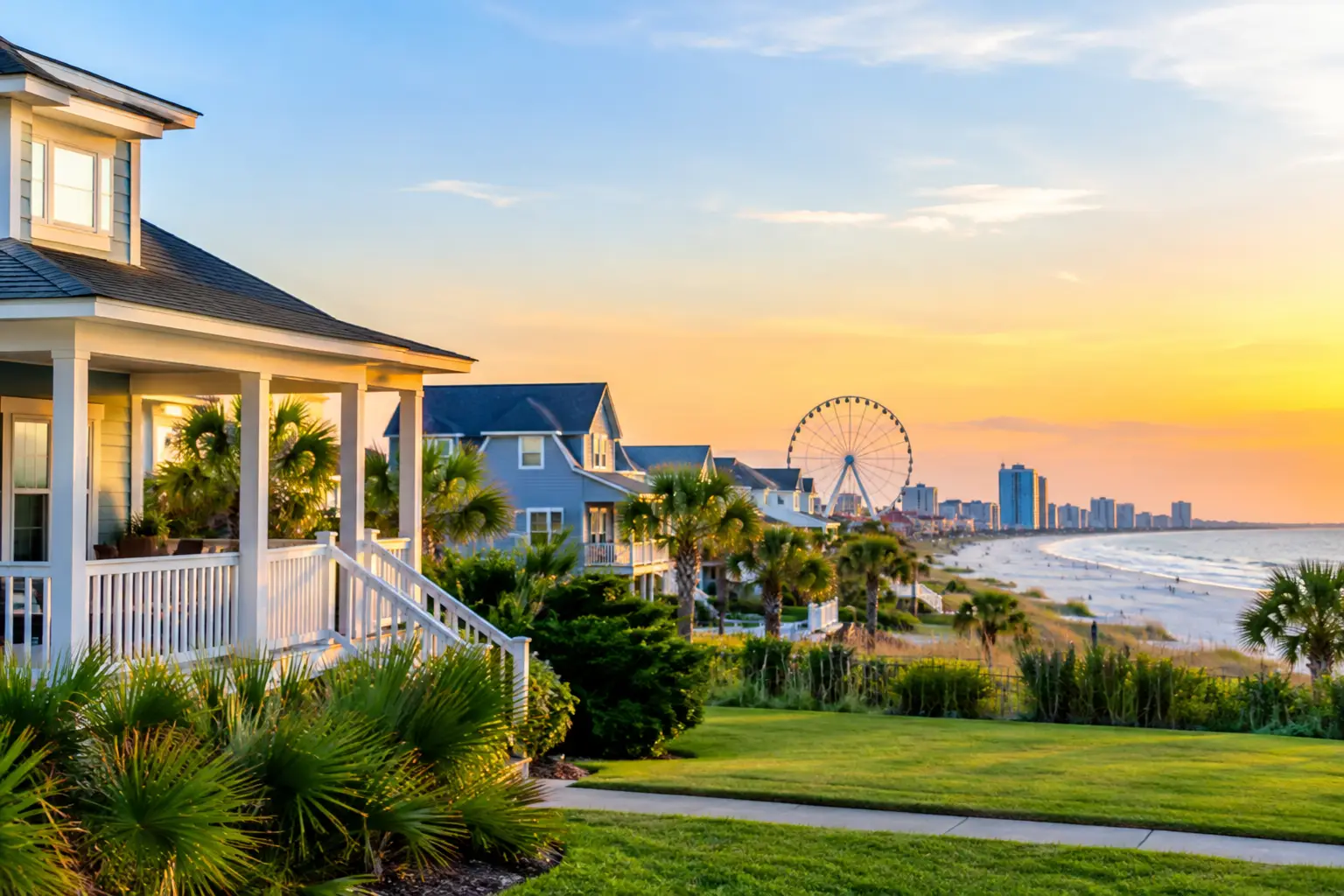
A beach-area home does not have to mean a beachfront price tag. When buyers ask about the most affordable places to buy a house near Myrtle Beach, the best answer usually starts a few miles inland – or just north of the state line. That small change in location can open the door to more square footage, a larger yard, newer construction, or simply a monthly payment that feels more comfortable.
The right affordable town depends on what you want your everyday life to look like. A retiree who wants quiet streets may shop differently than a family needing a commute to Myrtle Beach, or an investor looking for a low-maintenance property with rental potential. Here are the areas worth putting on your home search map.
Conway: Character, Convenience, and More Home for the Money
Conway is often one of the first places to consider for buyers who want value without giving up access to the coast. Located inland from Myrtle Beach, this historic river town has a real downtown, local restaurants, tree-lined neighborhoods, and a pace that feels more residential than resort-oriented.
Buyers can often find a wider mix of price points here, including established homes, townhomes, and newer communities. Compared with many beachside neighborhoods, a budget may stretch further toward extra bedrooms, garage space, or a larger lot. Conway is especially appealing for people who plan to live here year-round and want stores, medical care, schools, and daily errands close by.
The trade-off is the drive. Depending on where you live and where you are headed, reaching the beach or the center of Myrtle Beach can take longer during busy summer months. Flood history and flood insurance should also be reviewed carefully on any particular property, especially near waterways or lower-lying areas.
Longs: New Construction at a More Manageable Price
Longs has become a practical choice for buyers who like the clean slate of new construction but do not want to pay a premium for an address directly on the water. This growing area sits north of Myrtle Beach and inland from North Myrtle Beach, with many newer subdivisions offering single-family homes at a range of sizes and finishes.
For buyers comparing homes, Longs can be a strong value play. Newer homes may offer energy-efficient features, modern layouts, and fewer immediate repair concerns than an older home. It can be a good fit for a primary residence, a retirement move, or a buyer who wants a newer home with room for guests.
Still, the base price is only part of the story. Builder upgrades, lot premiums, homeowners association dues, and closing costs can change the bottom line quickly. A home that looks like a bargain in a model center deserves a careful look at what is included, what is optional, and what the completed monthly payment will be.
Loris: A Small-Town Option for Budget-Focused Buyers
If your priority is stretching your purchase dollars, Loris deserves a look. This small South Carolina town is farther inland and generally offers a quieter, more rural setting than the Grand Strand. Buyers may find older homes, larger parcels, and lower-priced opportunities that are harder to locate closer to the beach.
Loris is not the choice for someone who wants to walk to restaurants or make a spontaneous evening beach trip every day. It is better suited to buyers who value space, a slower pace, and a smaller-town feel. For some households, that is exactly the appeal. For others, the drive to work, shopping, or coastal entertainment may be a deal-breaker.
When evaluating homes in this area, look beyond cosmetics. Older properties may need updates to roofing, HVAC systems, plumbing, electrical panels, or septic systems. A thorough inspection can help distinguish a well-priced home from one that simply has deferred maintenance waiting in the wings.
Little River: Near the Water Without the Resort Price
Little River can be a smart middle ground for buyers who want to stay close to the coast without placing themselves in the middle of Myrtle Beach activity. Known for its waterfront setting, fishing culture, and proximity to North Myrtle Beach, it offers a more relaxed coastal lifestyle with a broad mix of housing.
Affordability here depends heavily on the exact neighborhood. Waterfront, marina-adjacent, and golf-course properties may carry a higher price, while inland homes, condos, and older communities can offer more accessible choices. For a second home buyer, Little River may provide the coastal atmosphere they want without paying for a direct oceanfront location.
Condo buyers should pay particular attention to monthly association fees, rental rules, insurance coverage, reserve funding, and any planned special assessments. A lower purchase price can be less affordable than it appears if the ongoing fees are high.
Shallotte and Calabash: North Carolina Value Near the Coast
For buyers open to crossing into North Carolina, Shallotte and Calabash deserve a serious comparison. Both offer access to Brunswick County beaches while often providing a different mix of neighborhoods, taxes, and home styles than nearby South Carolina communities.
Shallotte is a convenient hub for shopping, dining, and healthcare, with homes ranging from established neighborhoods to newer developments. It can work well for people who want to be near Ocean Isle Beach or Holden Beach but prefer to live a little inland. Calabash, just north of the state line, has a small-town coastal character and is convenient to both North Myrtle Beach and Sunset Beach.
Neither town is automatically less expensive than every South Carolina option. Inventory, property condition, lot size, and proximity to water matter more than a state line. But buyers who limit their search to one county can miss homes that better match their budget and lifestyle just a short drive away.
What “Affordable” Should Include Before You Make an Offer
A home’s list price gets the attention, but its carrying cost determines whether it truly works for your household. Before narrowing your search, compare these expenses alongside principal and interest:
- Property taxes, which can vary by state, county, municipality, and owner-use status.
- Homeowners insurance, including wind, flood, or other coastal coverage where applicable.
- HOA or condo association dues, plus rules that may affect parking, pets, rentals, and exterior changes.
- Commuting costs and time, especially if you will travel regularly to Myrtle Beach, North Myrtle Beach, or nearby employment centers.
- Immediate repairs, furnishing needs, and utility costs for the specific home.
Flood insurance is a particularly important conversation in coastal Carolina markets. A property does not have to be directly on the ocean to have flood considerations. Ask for the property’s flood zone, prior insurance information when available, and a clear estimate of expected coverage before you are deep into the contract process.
How to Shop the Affordable Areas Without Settling
Start by deciding which compromises you can happily make. You may be comfortable living 20 or 30 minutes from the sand if it means gaining a one-story home, a screened porch, or a yard for visiting grandchildren and pets. Or you may prefer a smaller condo closer to the water because beach access matters more than square footage.
It also helps to compare homes by total monthly cost rather than by list price alone. Two homes priced similarly can have very different tax bills, insurance needs, association fees, and maintenance demands. New construction may reduce near-term repair worries, while an older home in an established neighborhood may provide better location and charm.
The most affordable place is not always the town with the lowest listing prices. It is the place where the home, the ongoing costs, and the lifestyle all fit together comfortably. Whether that turns out to be Conway, Longs, Loris, Little River, Shallotte, or Calabash, a thoughtful comparison can help you find a home that leaves room in the budget to enjoy the coast, too.
Leave a Reply