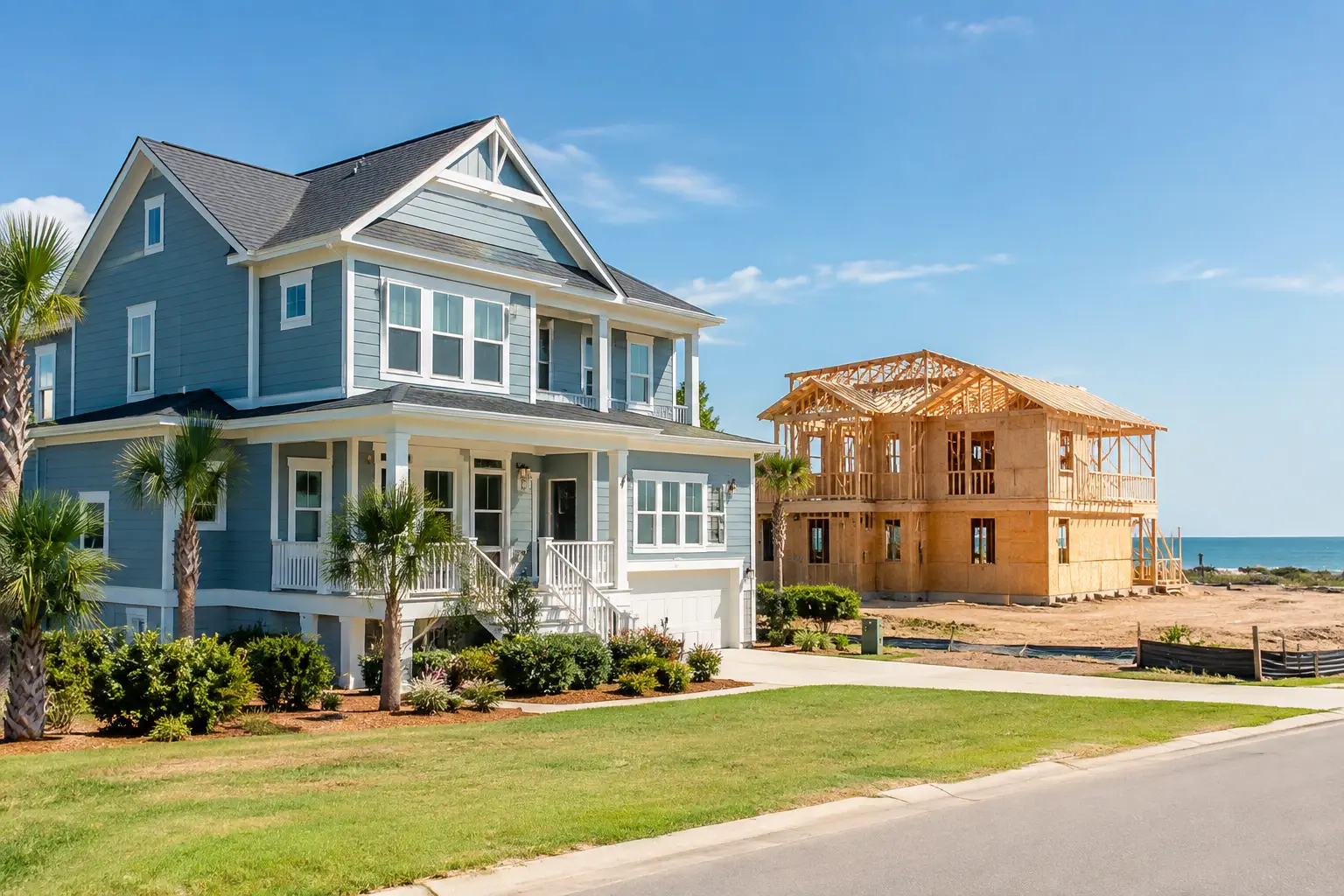
A new home near the coast can feel like a fresh start: morning walks, salty air, a screened porch, and a floor plan that finally fits the way you live. But new construction homes in Myrtle Beach SC are not all the same, even when the model homes look equally polished. The community, builder, lot, contract, timeline, and long-term carrying costs can shape whether a home feels like a great fit after move-in day.
For a primary residence, vacation place, retirement move, or investment property, the right choice starts with looking past the staged furniture. A thoughtful search considers how you want to spend your time at the beach and what ownership will realistically require.
Start With the Community, Not Just the Model Home
The Myrtle Beach area offers a wide range of new-home settings. You may find master-planned communities with pools, walking trails, and social calendars; quiet neighborhoods farther inland with more space; golf course communities; and smaller coastal developments with a more relaxed feel. Each has a different pace and a different cost structure.
Before falling for a kitchen island or a dreamy primary bath, think about your daily routine. Do you want to be minutes from restaurants, entertainment, and the oceanfront? Would you rather have a larger yard in Conway, Longs, or Loris? Is a lock-and-leave community more appealing for a second home? Buyers who picture themselves actually living in the neighborhood tend to make more satisfying decisions than those who shop only by square footage.
Location Changes More Than Your Commute
A home closer to the water may offer the coastal lifestyle you imagined, but it can also bring different insurance considerations, flood-zone questions, rental rules, and traffic patterns during peak visitor seasons. A community farther west may provide more home for the budget and easier access to everyday errands, though it may not deliver the same walk-to-the-beach convenience.
There is no universal best location. It depends on whether your priority is beach access, quiet surroundings, amenities, rental potential, healthcare access, or a lower-maintenance lifestyle. A clear list of must-haves and nice-to-haves keeps the search grounded.
How to Compare New Construction Homes in Myrtle Beach SC
Builders often present a base price that gets attention, then offer a menu of upgrades that can make the finished home feel very different from the advertised version. That is normal, but it is also where buyers need a careful side-by-side comparison.
Ask what is included in the base price for the specific homesite you are considering. Flooring, cabinets, countertops, appliances, lighting, shower tile, screened porches, irrigation, landscaping, and garage finishes can vary widely. One builder may include a feature another treats as an upgrade, so comparing only the headline price can be misleading.
The lot matters just as much. A premium homesite may have a water view, pond frontage, woods behind it, extra privacy, or a cul-de-sac setting. It may also cost substantially more. In some communities, the most attractive lots are released early or sell quickly, while in others a future phase may offer new options worth waiting for.
Look at the Whole Monthly Picture
The purchase price is only part of the budget. Review estimated property taxes, homeowners association dues, insurance, utility costs, and any community fees. If the home is in or near a flood zone, talk with an insurance professional early enough to understand potential flood insurance costs and coverage options.
For buyers planning to rent a property, confirm the community’s rules before writing an offer. Some neighborhoods allow short-term rentals, others limit them, and some do not allow them at all. Rules about parking, pets, exterior changes, and leasing can matter even for a home you intend to use mostly for yourself.
Builder Contracts Need a Closer Read
A builder’s sales representative can be helpful and knowledgeable about that builder’s homes, available lots, and design selections. Their role, however, is to represent the builder. Having your own buyer representation means someone is focused on your interests during pricing discussions, contract review, inspections, walkthroughs, and closing.
New-construction contracts are typically different from a resale contract. They may allow the builder more flexibility with completion dates, material substitutions, and design details than a buyer expects. The contract should make clear what is being built, which selections are included, how deposits are handled, and what happens if the timeline changes.
Do not assume that a verbal promise will appear in the finished home. If a feature, credit, repair, or upgrade matters to your decision, it should be documented properly. This is especially true when buying from out of state, when it is easy to rely on photographs and conversations rather than seeing every detail firsthand.
Plan for the Build Timeline – and Some Flexibility
A quick-move-in home can be a good option for buyers who need a home sooner or prefer to avoid a long selection process. It may already have design choices completed, which reduces decisions but also limits personalization. A home built from the ground up offers more opportunity to choose finishes and features, but the timeline can be longer and subject to construction conditions.
Weather, permit timing, labor availability, inspections, and supply changes can affect completion dates. In a coastal market, storms and heavy rain can add another layer of uncertainty. If you are coordinating a sale, lease ending, retirement date, or interstate move, build a little breathing room into the plan.
Periodic visits can be valuable, especially during key construction stages. For buyers who live elsewhere, a local real estate professional can help keep communication organized and flag questions as the home progresses. Photos are useful, but they do not replace a clear understanding of what has been completed and what remains.
Yes, New Homes Still Need Inspections
A brand-new home should be inspected. New construction involves many trades, many materials, and many details completed on a tight schedule. A professional home inspection can identify items that deserve attention before closing, from drainage concerns and roofing details to electrical, plumbing, HVAC, and cosmetic issues.
Many buyers choose an inspection before drywall goes up, if the builder permits it, and another inspection before closing. A final walkthrough is also your opportunity to test appliances, operate windows and doors, check fixtures, and create a punch list of unfinished or damaged items.
Ask about the builder warranty as well. Understand the coverage periods, the process for submitting warranty requests, and who to contact after closing. Keep copies of your contract, selections, manuals, warranty information, and closing documents in one easy-to-find place.
Choose Features That Work for Coastal Living
The prettiest upgrade is not always the wisest one. In a beach-area home, practical details deserve real attention. Durable flooring, sensible storage for beach gear, a covered or screened outdoor area, easy-care landscaping, and quality window coverings can make everyday life more comfortable.
If you plan to spend extended time away from the property, ask about lawn care, exterior maintenance, security options, and how the community handles common areas. For retirees, features such as a first-floor primary suite, minimal steps, wider doorways, and proximity to medical care may be more valuable than a dramatic two-story foyer.
For an investment purchase, focus on what future renters or resale buyers will value, not simply the features that look best in a design center. A good layout, convenient location, dependable finishes, and reasonable ongoing costs usually have staying power.
A new home should feel exciting, but it should also fit the life you are building around it. Take time to compare the details, ask direct questions, and picture an ordinary Tuesday there – not just a sunny vacation weekend. That is often where the right coastal home reveals itself.
Leave a Reply