A home near the Carolina coast can mean morning walks to the water, a screened porch for salty breezes, and a place that fits the way you actually want to live. But when the choices include a townhome vs single family home, the best fit is rarely about square footage alone. Maintenance, privacy, monthly costs, rental rules, and how often you plan to be there all deserve a place in the decision.
For buyers considering Brunswick County, North Carolina, or the Myrtle Beach area, both property types can offer wonderful options. The key is looking past the listing photos and matching the home to your everyday needs, your budget, and your long-term plans.
Townhome vs Single Family: The Core Difference
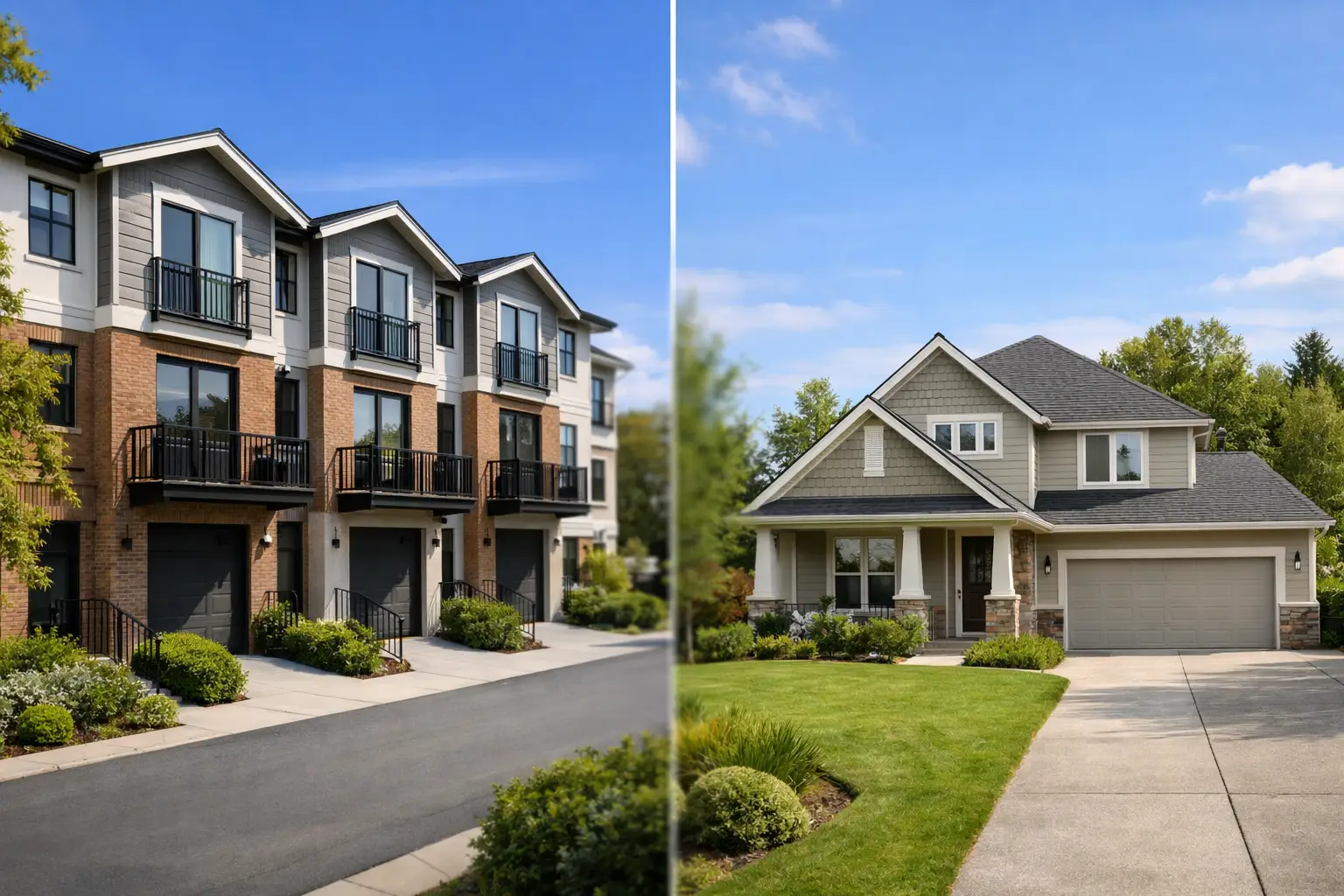
A townhome is typically attached to one or more neighboring homes and often belongs to a homeowners association. You may own the interior, exterior structure, and the small parcel of land beneath it, although the specific ownership arrangement varies by community. Townhomes frequently have shared walls, compact outdoor areas, and community-managed amenities.
A single-family home is generally a detached residence on its own lot. It usually provides more separation from neighbors, more freedom to personalize the property, and more responsibility for every part of the home and yard.
Neither choice is automatically better. A townhome may be an easy, appealing fit for someone who wants to lock the door and head back home after a beach weekend. A single-family home can be the right call for a buyer who wants room for grandchildren, a garden, a boat trailer, or simply a little more quiet between homes.
Maintenance: Convenience Has a Cost
One of the biggest townhome advantages is reduced exterior upkeep. Depending on the community, an HOA may handle landscaping, irrigation, exterior painting, roof replacement, pest control, trash service, and common-area maintenance. That can be especially valuable for a vacation home owner or retiree who would rather spend Saturday at the beach than arranging lawn care.
Still, “maintenance-free” does not mean “expense-free.” HOA dues pay for those services, and the amount can vary widely. In some communities, dues also support a pool, clubhouse, gates, sidewalks, master insurance coverage, or reserves for future repairs. Buyers should review exactly what the fee covers, how often it has increased, and whether the association has adequate reserves.
With a single-family home, you control the schedule and the choices. Want native coastal landscaping instead of a traditional lawn? Prefer to replace the fence or repaint the front door a certain color? You will typically have more flexibility. You will also be responsible for the roof, driveway, exterior repairs, trees, drainage, lawn, and any surprise that comes with ownership.
For a buyer who enjoys projects, that independence can feel rewarding. For someone buying from out of state or splitting time between two homes, it may feel like one more thing to manage.
Privacy, Outdoor Space, and Everyday Living
Single-family homes usually win on privacy. There are no shared walls, and lots tend to provide more space between you and the next household. That may matter if you work from home, have pets, enjoy outdoor entertaining, or want a backyard that feels like your own little retreat.
Townhomes can still provide plenty of comfortable living space, particularly in newer coastal communities. Many have garages, patios, porches, and thoughtful layouts with primary suites on the first floor. The trade-off is proximity. You may hear more of your neighbors than you would in a detached home, and outdoor space is often smaller or more visible.
Consider how you will use the home on an ordinary Tuesday, not only on closing day. If your perfect evening includes grilling for friends, letting a dog run in a fenced yard, or parking extra vehicles, a single-family home may suit you better. If your ideal is a clean, attractive home with less yard work and a community pool nearby, a townhome may feel just right.
HOA Rules Can Shape Your Experience
An HOA can protect a neighborhood’s appearance and make ownership simpler. It can also set rules that affect daily life. Before purchasing a townhome, buyers should read the covenants, conditions, and restrictions carefully. The same advice applies to single-family homes in planned communities.
Pay close attention to rental policies, pet limits, parking requirements, exterior changes, fence rules, and the use of golf carts, trailers, boats, or recreational vehicles. In coastal markets, short-term rental rules are particularly important for buyers considering a second home or investment property. A community may permit rentals, limit rental lengths, require leases to be submitted, or prohibit short-term rentals altogether.
It is also wise to ask about pending special assessments, insurance deductibles, recent board meeting notes, and major projects on the horizon. A low monthly HOA fee can look attractive until a roof replacement or storm-related repair creates an unexpected assessment.
Costs Beyond the Purchase Price
When comparing a townhome vs single family property, start with the full monthly and annual picture. Mortgage payment is only one piece. Property taxes, HOA dues, homeowner’s insurance, flood insurance if required or desired, utilities, maintenance, and possible rental management all affect affordability.
Townhome insurance may cost less in some cases because the association carries a master policy for portions of the building. But buyers need to understand where that policy stops and where their own coverage begins. A townhome owner may need an HO-6 style policy that covers interior finishes, personal property, liability, and loss assessments. Coverage details are not one-size-fits-all, especially in a coastal area.
A single-family homeowner usually needs coverage for the full structure as well as personal property and liability. Roof age, building materials, wind exposure, flood zone, elevation, and proximity to the water can all influence insurance options and premiums. An experienced insurance professional can help clarify those costs before you remove contingencies or finalize a budget.
The most affordable listing is not always the least expensive home to own. A detached home with no HOA may be a better value if you are comfortable handling maintenance. A townhome with higher dues may be worth every dollar if those dues replace services you would otherwise pay for separately.
Resale and Investment Considerations
Both townhomes and single-family homes can be strong resale choices when they are well located, well maintained, and priced appropriately. Demand changes with the market, but lifestyle needs tend to remain consistent. Some buyers actively seek townhomes for their lower-maintenance appeal, while others will only consider a detached home with a yard.
Location often carries more weight than the property type alone. A nicely maintained townhome near shopping, dining, golf, healthcare, and the beach can be highly desirable. So can a single-family home in a quiet neighborhood with usable outdoor space and easy access to coastal attractions.
If rental income is part of the plan, do not rely on broad assumptions about what a property “should” earn. Review local regulations, HOA restrictions, seasonal demand, management costs, furnishing needs, cleaning, taxes, and insurance. A property that works beautifully as a personal vacation spot may not be the most practical short-term rental, and that is perfectly fine if personal enjoyment is the priority.
Questions That Bring the Right Choice Into Focus
Before narrowing your search, think through a few practical questions:
- How often will you be at the property, and who will look after it when you are away?
- Do you want a private yard, or would you gladly trade it for less exterior upkeep?
- Are HOA dues comfortable within your long-term budget, including possible increases?
- Will you need flexibility for pets, guests, parking, rentals, a boat, or future renovations?
- Is this home meant to serve as a primary residence, a beach getaway, a retirement move, or an investment?
Your answers may point clearly in one direction. They may also reveal that a particular community matters more than whether the property is attached or detached.
A thoughtful home search should leave room for both possibilities. The right place may be a low-maintenance townhome that gives you more time for coastal living, or a single-family home where the backyard becomes everyone’s favorite gathering spot. Focus on the life you want the property to support, then let the right home make itself known.
Leave a Reply